
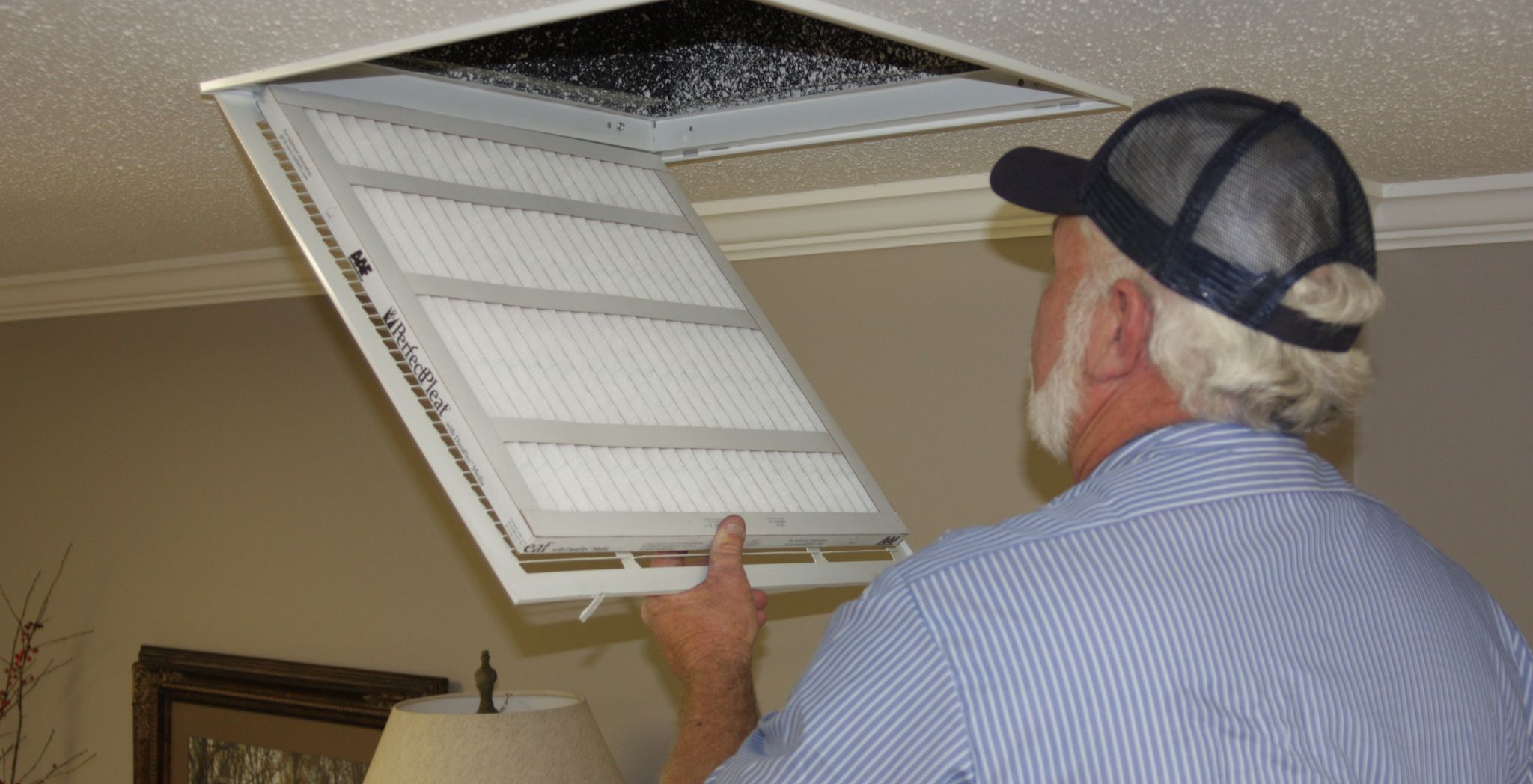
HVAC systems are essential for maintaining comfort and air quality in our homes and businesses. However, like any other part of your home, these systems are vulnerable to mold growth. Mold in HVAC systems is a growing concern as it can negatively impact both the system’s efficiency and the indoor air quality. In this blog, we’ll delve into the importance of HVAC mold testing, why mold growth in HVAC systems is a concern, and how you can prevent mold from taking root in your system.
What Is HVAC Mold Testing?
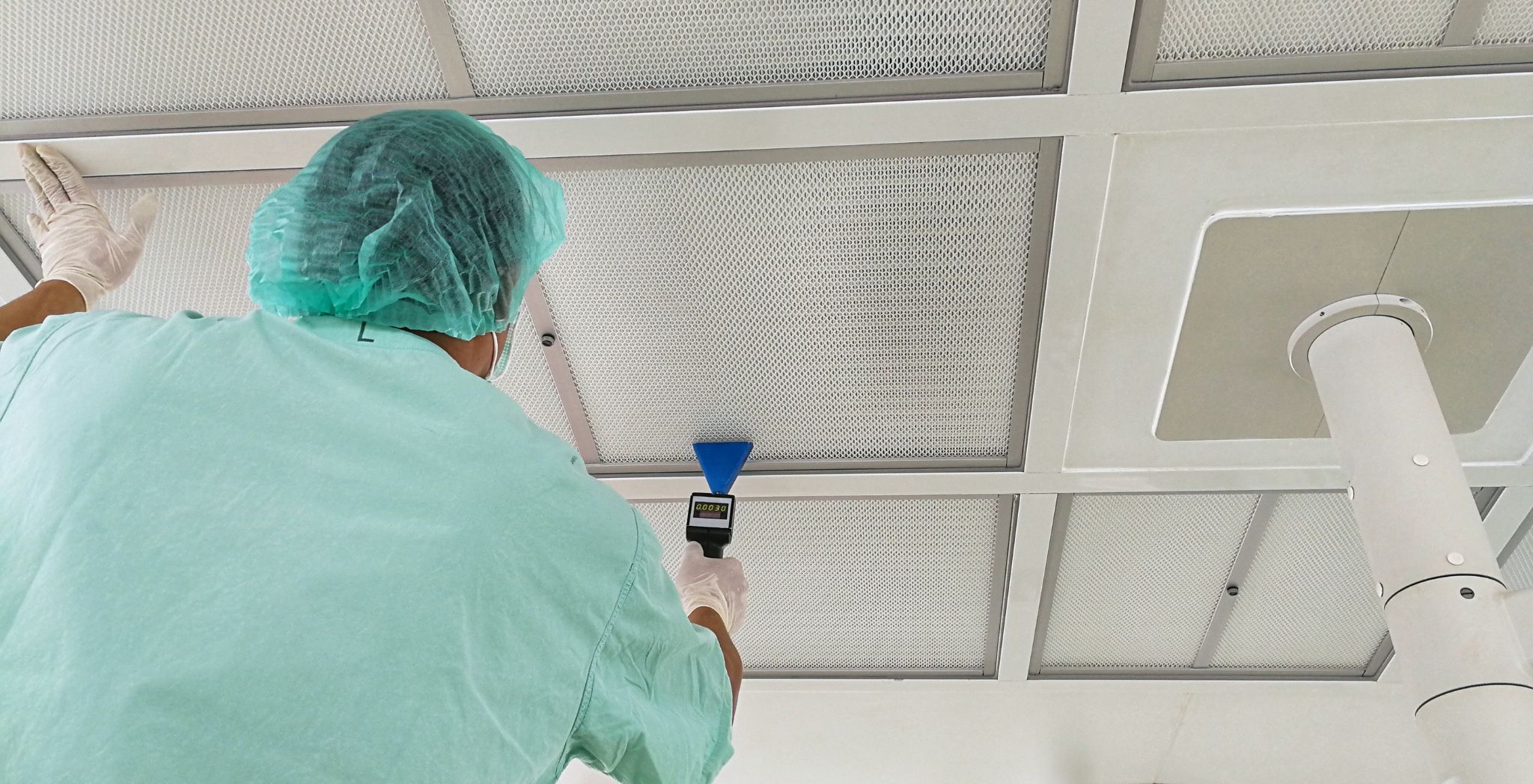
HVAC mold testing is the process of evaluating an HVAC system to detect the presence of mold or mold spores. Since HVAC systems circulate air throughout your home or office, any mold that forms inside the ducts or on the components can easily spread, leading to poor indoor air quality. Mold testing involves using specialized tools to detect mold growth, assess the extent of the problem, and recommend the necessary measures for removal and prevention.
The process typically includes air quality testing, surface testing, and visual inspection. Professional mold testing ensures that mold contamination is identified early and can be addressed before it becomes a serious problem.
Why Mold Growth in HVAC Systems Is a Concern
Mold growth in HVAC systems can lead to several issues, including:
- Compromised Indoor Air Quality: Mold spores can circulate through your HVAC system, contaminating the air you breathe. This can trigger allergic reactions and respiratory issues, especially for individuals with asthma or other respiratory conditions. Research mold allergy from the Mayo Clinic highlights that mold exposure in HVAC systems can exacerbate asthma and allergy symptoms, stressing the importance of mold testing and prevention.
- System Inefficiency: Mold buildup on components such as the coils, ducts, or filters can hinder airflow and reduce the system’s overall efficiency. This may cause the HVAC system to work harder to maintain the desired temperature, leading to higher energy bills.
- Structural Damage: If left untreated, mold can spread beyond the HVAC system and affect other areas of your home or building, potentially causing damage to walls, ceilings, and insulation.
Common Causes of Mold in HVAC Systems
Mold thrives in environments that are damp, warm, and poorly ventilated, making HVAC systems particularly vulnerable. Here are some common causes of mold growth in HVAC systems:
- High Humidity: Moisture is the primary factor that promotes mold growth. High humidity levels in the air can accumulate inside the HVAC system, especially in areas like the cooling coils or air ducts, providing the perfect environment for mold to thrive.
- Dirty Filters: Clogged filters trap dust, dirt, and moisture. Over time, this can create a breeding ground for mold, which can then spread throughout the system.
- Leaky Ducts: Leaks in the ductwork allow humid air from outside or from unconditioned spaces to enter the HVAC system, increasing moisture levels and encouraging mold growth.
- Lack of Regular Maintenance: HVAC systems that are not cleaned and maintained regularly are more likely to accumulate dust, dirt, and moisture, which can eventually lead to mold growth.
- Condensation: Air conditioning units often generate condensation, which can accumulate if not properly drained, leading to mold growth on cooling coils or air handlers.
Signs That Your HVAC System May Have Mold
It can be difficult to detect mold in HVAC systems, as the system’s components are typically hidden from view. However, there are several signs that may indicate mold growth in your HVAC system:
1. Musty Odor
One of the most common signs of mold in an HVAC system is a persistent, musty odor that seems to come from the vents. If you notice a musty smell when the HVAC system is running, it could be a sign that mold is growing inside the ducts or on other components.
2. Allergy Symptoms
If people in your home or office start to experience increased allergy symptoms such as sneezing, coughing, or eye irritation when the HVAC system is running, it could be due to mold spores circulating through the air.
3. Visible Mold Growth
In some cases, mold may be visible inside the vents or on the HVAC components. If you notice black or green spots on your air filter, coils, or ductwork, this is a clear sign of mold growth.
4. Increased Dust and Dirt
Mold can accumulate along with dust and dirt. If you notice an increase in dust buildup around your vents, registers, or other parts of the HVAC system, it could indicate mold growth.
How HVAC Mold Testing Is Conducted
HVAC mold testing typically involves the following steps:
1. Visual Inspection
A professional will visually inspect the HVAC system for any visible signs of mold or moisture buildup. They’ll check components like the air filters, coils, ducts, and air handlers for mold growth.
2. Air Quality Testing
Air quality testing is done to assess the number of mold spores in the air. Specialized equipment, such as air pumps and spore traps, is used to collect air samples. These samples are then analyzed in a laboratory to determine the presence of mold.
3. Surface Testing
Surface testing involves taking swabs from various areas of the HVAC system to check for mold spores. These samples are sent to a laboratory for analysis to identify the type of mold present and its concentration.
4. Moisture Detection
Since mold thrives in moist environments, moisture meters may be used to check humidity levels in different parts of the HVAC system, especially in areas prone to condensation.
Methods for Preventing Mold in Your HVAC System
Preventing mold growth in your HVAC system is key to ensuring a clean and healthy indoor environment. Here are some steps you can take to prevent mold buildup:
1. Regular HVAC Maintenance
Ensure your HVAC system is regularly maintained by a professional. Regular cleaning, including filter replacement and duct cleaning, can help prevent the accumulation of dust and moisture.
2. Control Humidity Levels
Use a dehumidifier or consider installing a whole-home humidifier system to regulate humidity levels in your home or office. Keeping humidity below 60% helps prevent mold growth.
3. Ensure Proper Ventilation
Your HVAC system has proper ventilation. Ensure that ducts are sealed and insulated to prevent outside moisture from entering and causing mold growth.
4. Use Mold-Resistant Filters
Consider using high-efficiency filters that can trap mold spores, dust, and allergens before they circulate in the air. Mold-resistant filters can help minimize the spread of spores within the HVAC system.
5. Install a UV Light System
UV light systems can be installed in your HVAC system to kill mold spores, bacteria, and other pathogens as they pass through the system. This helps prevent mold growth inside your ducts and coils.
The Health Risks of Mold Exposure
Mold exposure can lead to several health problems, particularly for individuals with respiratory conditions or weakened immune systems. Some potential health risks of mold exposure include:
- Allergic Reactions: Symptoms include sneezing, runny nose, red eyes, and skin rashes.
- Respiratory Issues: Mold exposure can cause coughing, wheezing, and shortness of breath.
- Asthma Exacerbation: Mold can worsen asthma symptoms, leading to more frequent attacks.
- Infections: In rare cases, mold exposure can lead to infections in individuals with compromised immune systems.
It’s important to address mold in HVAC systems promptly to avoid these health risks.
What to Do If Mold Is Found in Your HVAC System
If mold is detected in your HVAC system, it’s important to act quickly to eliminate it. Here’s what you should do:
1. Turn Off the HVAC System
Turn off the HVAC system to prevent further spread of mold spores throughout your home or office.
2. Call a Professional Mold Remediation Specialist
Mold remediation professionals have the tools and expertise to safely remove mold from HVAC systems. They can also identify the source of moisture and make recommendations to prevent future mold growth.
3. Clean and Sanitize the System
The affected areas, such as the ducts, coils, and filters, should be thoroughly cleaned and sanitized to eliminate mold spores.
4. Repair Leaks and Improve Ventilation
If mold growth was caused by leaks or poor ventilation, these issues must be addressed to prevent mold from returning.
Conclusion
HVAC mold testing is an essential process to ensure your HVAC system is running efficiently and that your indoor air quality remains safe and healthy. Mold growth in HVAC systems can have serious consequences for both system performance and health, but with regular testing, maintenance, and proper prevention measures, you can keep mold at bay.
Call to Action
If you suspect mold in your HVAC system or need environmental compliance testing, don’t wait until the problem worsens. Contact us today to schedule a professional HVAC mold inspection and ensure your HVAC system is mold-free and operating at its best.
Frequently Asked Questions (FAQs)
- How often should I test my HVAC system for mold?
It’s recommended to have your HVAC system tested for mold at least once a year, especially if you live in a humid climate or have experienced water damage. - Can I perform HVAC mold testing myself?
While you can perform basic checks, it’s best to hire a professional mold testing service to ensure thorough inspection and accurate results. - How do I know if mold is affecting my health?
If you experience allergy symptoms, respiratory problems, or persistent coughing while the HVAC system is running, it could be due to mold in the system. Consulting a doctor and scheduling a mold inspection is recommended. - Can mold in my HVAC system affect my energy bills?
Yes, mold growth can reduce the system’s efficiency, causing it to work harder and consume more energy, leading to higher utility bills. - Is HVAC mold removal covered by insurance?
Coverage for mold removal depends on your insurance policy. It’s important to check with your insurance provider to understand what is covered.






Leave A Comment