
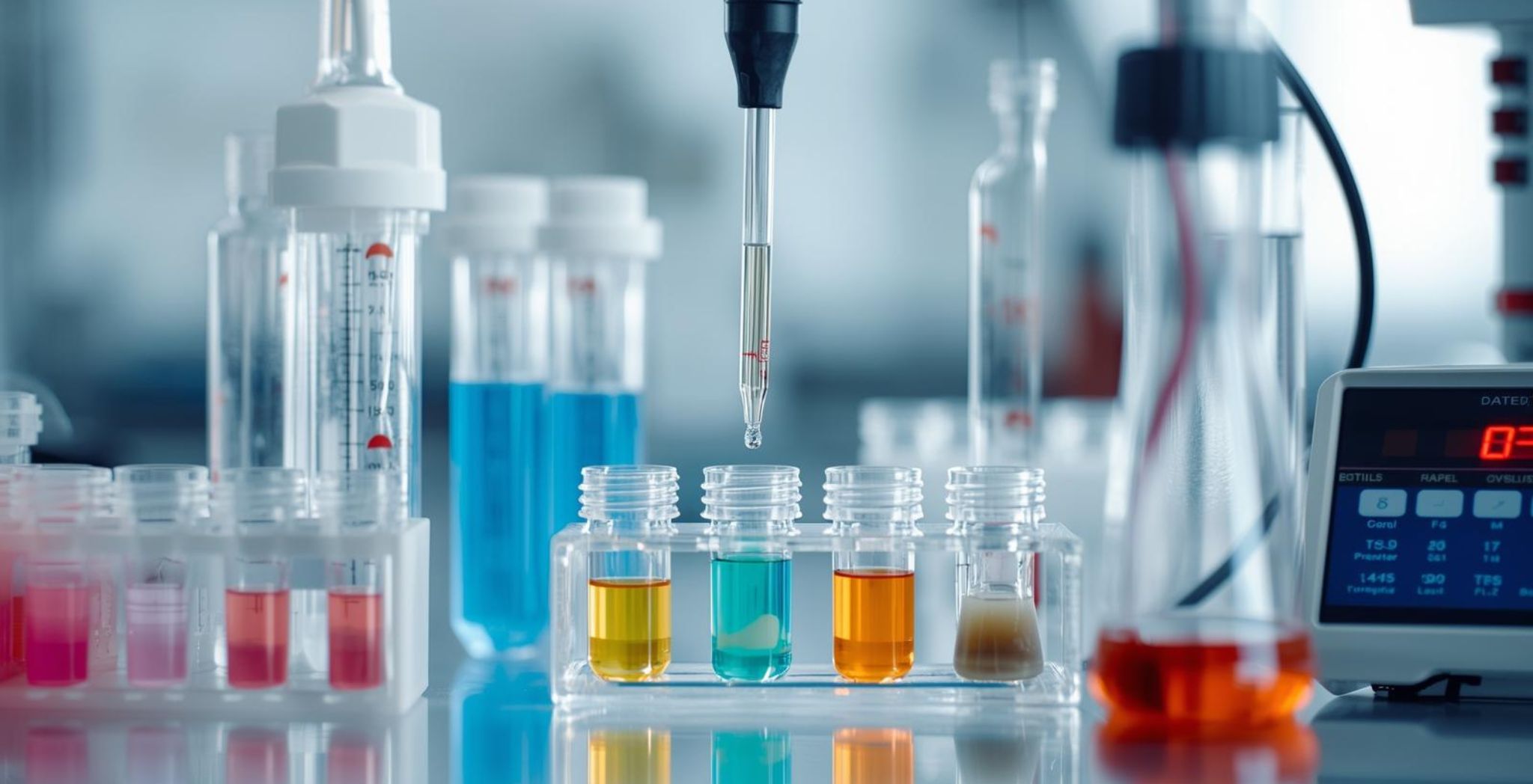
Types of water testing? Water is often called the “universal solvent” because it dissolves more substances than any other liquid. While this property makes it essential for life, it also means that water can easily pick up harmful contaminants as it travels through pipes, soil, and industrial systems.
For homeowners, clean water is a matter of health; for businesses, it is often a matter of legal Water Testing & Compliance.
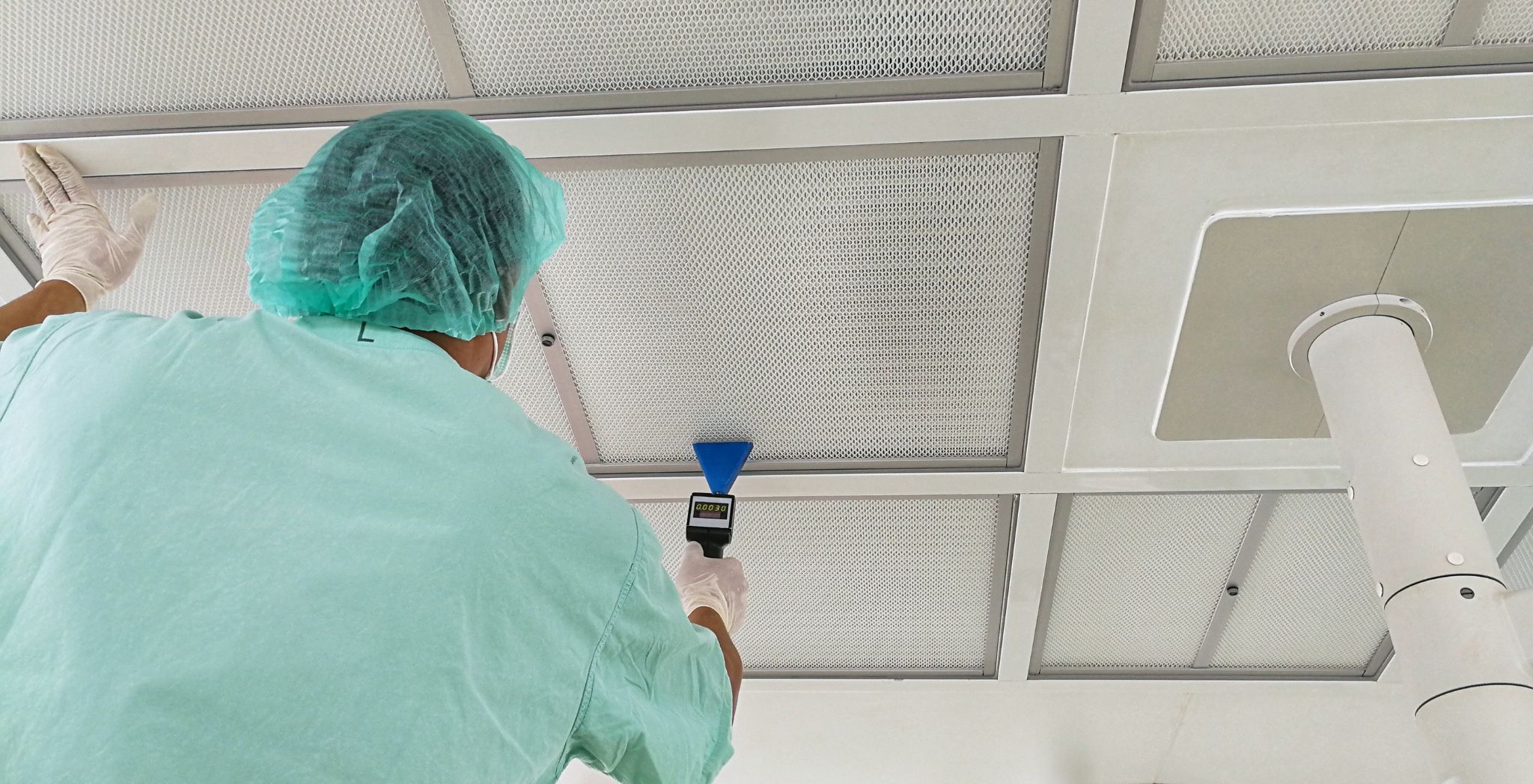
Whether you are concerned about the lead in your home’s aging pipes or need to meet the rigorous standards of Cleanroom Performance Testing & Certification, understanding the different types of water testing is the first step toward safety.
This guide explores the essential categories of water analysis and why professional intervention is often the only way to ensure true purity.
What is Water Testing?
At its core, water testing is the scientific analysis of a water sample to determine its chemical, physical, and biological characteristics. It isn’t just about making sure the water looks clear; it’s about identifying “invisible” threats that can’t be seen, tasted, or smelled.
The primary purpose of water testing is to ensure that the water is fit for its intended use. For a family, this means safe drinking and bathing. For a facility manager, it might mean ensuring that HVAC Testing & Water Systems are running efficiently without scale buildup. By identifying what is in your water, you can implement the right filtration or treatment strategies to protect both people and property.
3 Key Types of Water Testing
Water quality is generally assessed through three main lenses: chemical, microbial, and physical. Each serves a specific purpose in a comprehensive Water Testing & Compliance strategy.
1. Chemical Testing
Chemical testing looks for dissolved substances. Some, like minerals (calcium and magnesium), affect “hardness,” while others, like lead or arsenic, are toxic even in tiny amounts.
- pH Levels: Measures how acidic or basic the water is. Extreme pH can corrode pipes.
- Heavy Metals: Testing for lead, mercury, and copper often leached from old plumbing.
- Nitrates & Pesticides: Crucial for properties near agricultural areas where runoff can seep into groundwater.
- Chlorine & Fluoride: While often added by municipalities, excessive levels can be harmful or affect the taste.
2. Microbial Testing
This is one of the types of water testing that is perhaps the most critical for immediate health. Microbial testing detects living organisms like bacteria, viruses, and parasites.
- Coliform & E. coli: Indicators of fecal contamination.
- Legionella: A major concern for businesses with large water systems and cooling towers.
- Mold & Fungi: Water leaks can lead to hidden mold growth. This is where Mold Investigation & Indoor Air Quality Assessment becomes relevant; if your water systems are harboring microbes, they can often become airborne, compromising the very air you breathe.
3. Physical Testing
Physical testing focuses on the “aesthetic” qualities of water. While physical issues don’t always mean the water is toxic, they are often the first sign that something is wrong.
- Turbidity: The cloudiness of the water caused by suspended solids.
- Color & Odor: “Rotten egg” smells often point to sulfur, while “metallic” tastes suggest high iron or copper.
Home Water Testing vs. Professional Testing: Is DIY Enough?
Many homeowners start with a DIY “strip test” from a hardware store. These are convenient for a quick check of pH or chlorine, but they have significant limitations.
The DIY Catch: Home kits are often less sensitive and can produce false negatives for dangerous contaminants like lead or volatile organic compounds (VOCs). They also rarely provide the “why” behind a result.
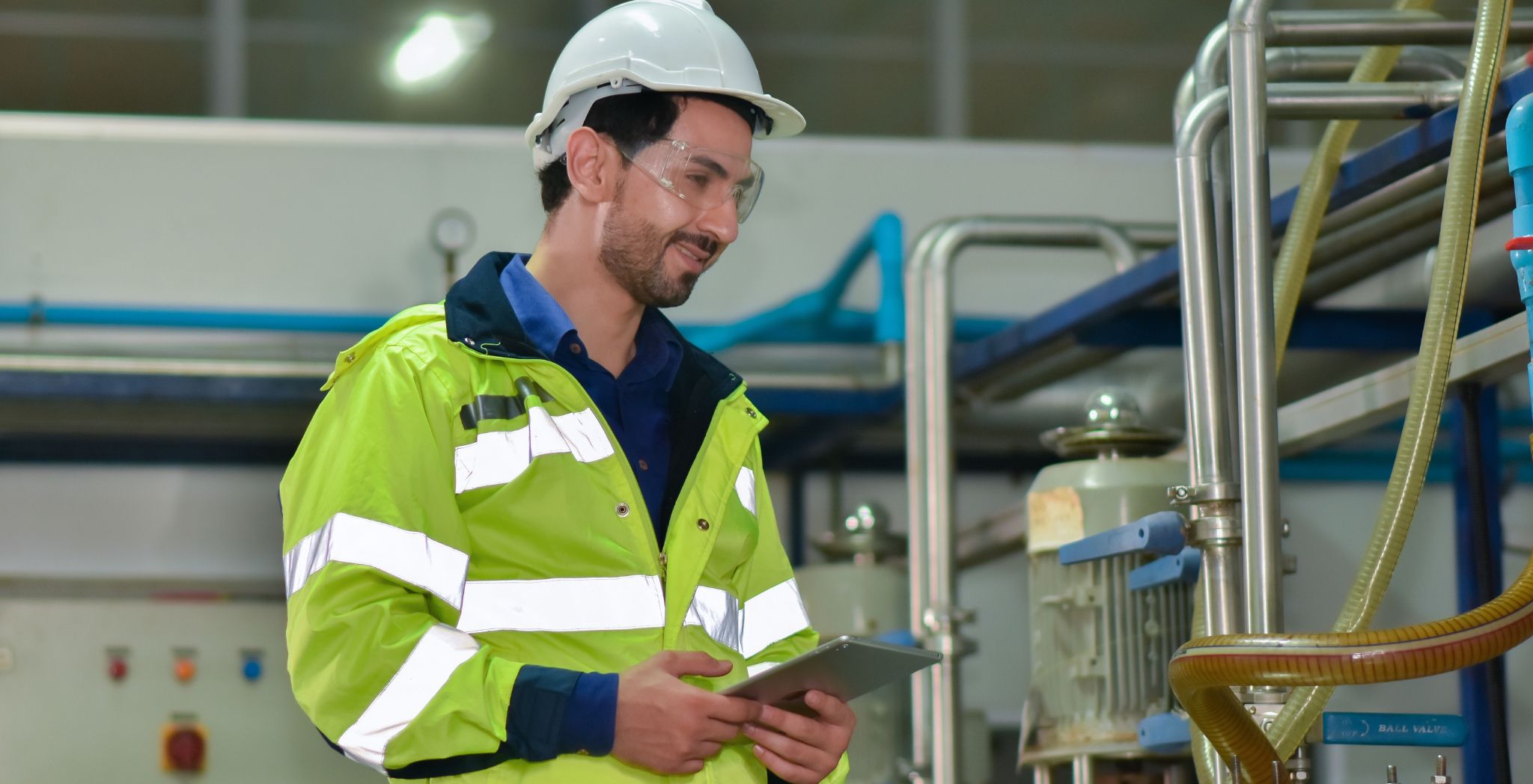
The Professional Advantage: Hiring an expert for Water Testing & Compliance ensures that your samples are handled in a sterile environment and analyzed using high-precision laboratory equipment. Professionals provide a detailed report that isn’t just a “pass/fail” but a roadmap for remediation. If you are buying a home or running a business, a certified lab report is often a legal or insurance requirement that a DIY kit simply cannot fulfill.
Water Testing for Health and Safety
The stakes for water quality are incredibly high. Contaminated water is linked to a wide range of health issues, from immediate gastrointestinal illnesses (caused by bacteria) to long-term neurological damage and cancer (caused by heavy metals and chemicals).
In a business setting, the responsibility is even greater. An outbreak of Legionnaires’ disease linked to a poorly maintained water system can lead to massive liability and, more importantly, loss of life. Regular testing is the only way to proactively manage these risks.
Water Testing for Industry Standards
While every home needs clean water, certain industries operate under a microscopic lens. In sectors like pharmaceuticals, biotechnology, and medical device manufacturing, water must be “ultrapure.”
This is where Cleanroom Performance Testing & Certification intersects with water quality. In a cleanroom, even the moisture in the air must be controlled to prevent contamination. If the water used in these environments doesn’t meet specific conductivity and microbial standards, entire batches of products can be ruined, and certifications can be revoked.
How Does Water Quality Impact HVAC Systems?
Many people don’t realize that the water inside their walls the water running through the HVAC system is just as important as the water in their glass.
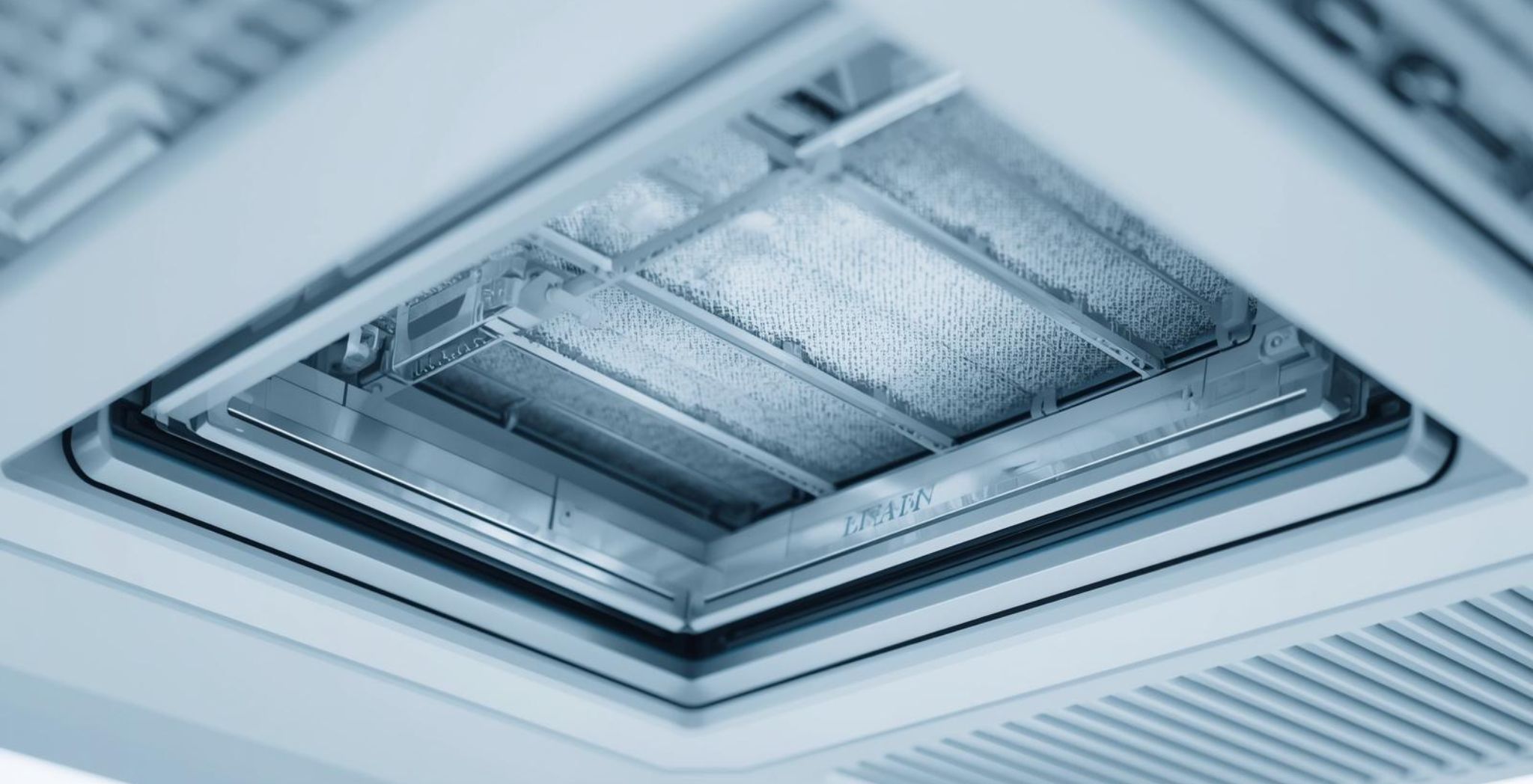
HVAC systems, particularly those using cooling towers, rely on water for heat transfer. If that water is high in minerals (hard water), it creates “scale” a hard, crusty buildup that acts like an insulator. This forces the system to work harder, skyrocketing your energy bills. Furthermore, poor water quality can lead to “fouling” and corrosion, shortening the lifespan of expensive equipment. Integrated HVAC Testing, Adjusting & Balancing includes monitoring these water systems to ensure the entire building remains efficient and safe.
The Hidden Connection: Water Quality and Indoor Air Quality
It is easy to think of water and air as separate issues, but they are deeply linked. When water leaks occur or when humidifiers use contaminated water, it can trigger significant mold growth.
A professional Mold Investigation & Indoor Air Quality Assessment often begins by looking for the water source. If a building’s water system is harboring mold or bacteria, these contaminants can become aerosolized through showers, faucets, or HVAC vents. Testing your water is a vital component of maintaining a healthy “breathable” environment.
What Happens After Water Testing?
Finding out your water has contaminants can be stressful, but it is the first step toward a solution. Once you have your results, the next steps typically involve:
- Interpretation: Understanding if the levels exceed EPA or local health standards.
- Source Identification: Determining if the problem is coming from the city supply, a private well, or your own building’s plumbing.
- Remediation: Implementing the right technology. This could range from simple Activated Carbon Filters for taste to Reverse Osmosis (RO) for chemical removal or UV Treatment for microbial sterilization.
For businesses, this often involves a long-term Water Testing & Compliance plan to ensure that once the water is clean, it stays that way.
Conclusion
Whether you are a homeowner looking to protect your family or a business owner managing a complex facility, water testing is not a “one and done” task. It is an ongoing commitment to health, safety, and operational efficiency. From ensuring the air stays mold-free via Indoor Air Quality Assessments to maintaining the high standards required for Cleanroom Certification, the quality of your water dictates the quality of your environment.
Don’t leave your safety to chance or a basic hardware store kit.
For comprehensive water testing and environmental assessments, contact us today. Our team is ready to provide the services you need to ensure a safe and healthy environment.
At Health System Sciences LLC, we specialize in delivering high-quality water testing and environmental health solutions. Trust us to guide you in maintaining the highest safety and health standards for your home or business.




Leave A Comment