

Water is the lifeblood of our society. We use it for drinking, cleaning, manufacturing, and cooling. Because it is so essential, the safety and purity of our water supplies are strictly regulated. This brings us to the concept of water quality compliance. Whether you are a homeowner, a facility manager, or a business owner, understanding how to maintain these standards is critical for health, safety, and legal reasons.
In this blog, we will explore the depths of water quality compliance, why it matters, and the steps you can take to ensure your systems meet the necessary benchmarks.
Introduction: Why Water Quality Compliance Matters
At its core, water quality compliance is about safety. Every day, millions of people rely on water systems to deliver a product that won’t make them sick or damage their equipment. When a facility or a municipality fails to meet these standards, the consequences can be devastating.
Failing to maintain water quality compliance can lead to severe legal penalties and heavy fines from regulatory bodies like the Environmental Protection Agency (EPA). Beyond the financial risk, there is the human cost. Contaminated water can lead to outbreaks of illnesses like Legionnaires’ disease or lead poisoning. For businesses, poor water quality can corrode expensive machinery or ruin products in the manufacturing line. Understanding and achieving water quality compliance isn’t just a “check-the-box” activity; it is a fundamental pillar of public health and operational excellence.
What Is Water Quality Compliance?
So, what exactly do we mean by this term? Water quality compliance is the process of ensuring that water meets specific regulatory standards regarding its chemical, biological, and physical characteristics.
These standards are not one-size-fits-all. They vary depending on the intended use of the water:
- Residential: Focusing on safe drinking water (potability).
- Commercial/Business: Focusing on safe water for employees and customers, as well as maintaining cooling towers.
- Industrial: Often involving “process water” that must be free of specific minerals to prevent scale buildup in machines.
- Healthcare: Requiring extremely high purity levels to prevent the spread of infections to vulnerable patients.
Essentially, water quality compliance means that your water has been tested and proven to stay within the “safe” limits defined by the law.
Key Regulatory Standards for Water Quality
To achieve water quality compliance, you must know which rules apply to you. In the United States, the EPA sets the baseline through the Safe Drinking Water Act (SDWA). However, many states and local municipalities have even stricter requirements.
Common parameters monitored include:
- Contaminants: Limits on heavy metals like lead, copper, and arsenic.
- Microbial Limits: Ensuring the absence of harmful bacteria like E. coli or Legionella.
- pH Levels: Ensuring the water is not too acidic or too alkaline, which can cause pipe corrosion.
- Turbidity: A measure of how “cloudy” the water is, which can indicate the presence of pathogens.
Staying updated on these changing regulations is a full-time job, which is why many organizations partner with experts to manage their water quality compliance programs.
Water Testing: The Foundation of Compliance
You cannot manage what you do not measure. This is why Water Testing & Compliance services are the most important tool in your arsenal. Regular testing provides a data-driven snapshot of your water health.
To maintain water quality compliance, testing must be done at specific intervals. For some, this might be quarterly; for high-risk facilities like hospitals, it might be monthly. Professional testing involves collecting samples from various points in a building and sending them to a certified laboratory. These labs look for “trace” amounts of substances that the naked eye could never see. Without a robust strategy for Water Testing & Compliance, a facility is essentially flying blind, waiting for a problem to occur rather than preventing it.
The Link Between Water, Mold, and Indoor Air Quality
It is a common mistake to think of water quality as being isolated to pipes and tanks. In reality, water quality has a direct impact on the air we breathe. When water systems leak, or when moisture is not properly managed, it leads to mold growth.
If your facility has poor water quality compliance, and a leak goes unnoticed, the resulting mold can release spores into the air, causing respiratory issues for occupants. This is where Mold Investigation & Indoor Air Quality Assessment becomes relevant. Professionals look at the “water history” of a building to solve air quality mysteries. By ensuring your water systems are sealed and compliant, you are also protecting the building’s air quality.
How HVAC Systems Can Influence Water Compliance
HVAC systems, particularly cooling towers and evaporative condensers, are a major focal point for water quality compliance. These systems use large amounts of water to regulate building temperatures. If the water in these systems is stagnant or improperly treated, it becomes a breeding ground for bacteria.
This is why HVAC Testing & Compliance is often bundled with water safety plans. For example, Legionella bacteria thrive in the warm, misty environments of cooling towers. If the water quality isn’t managed, the HVAC system can actually “spray” contaminated water droplets into the air, leading to community-wide health scares. Ensuring your HVAC water meets standards is a vital part of your overall water quality compliance strategy.
Industrial Hygiene and Exposure Monitoring
In an industrial or manufacturing setting, water is often mixed with chemicals or used to wash away hazardous byproducts. If this water is not handled correctly, workers could be exposed to dangerous substances through skin contact or inhalation of vapors.
Achieving water quality compliance in a factory involves Industrial Hygiene Assessment & Exposure Monitoring. This process evaluates how water-borne contaminants might affect the workforce. Professionals monitor the environment to ensure that chemical levels in the water and the air around that water remain below the Permissible Exposure Limits (PELs) set by OSHA. This protects the health of the employees and keeps the company out of legal trouble.
Water Quality Compliance in Specialized Facilities
Some industries require water that is much purer than what comes out of a standard kitchen tap. Laboratories, pharmaceutical manufacturers, and electronics plants operate under “Ultra-Pure Water” standards. In these environments, even a tiny amount of minerals or a single bacterium can ruin a million-dollar batch of medicine or a tray of microchips.
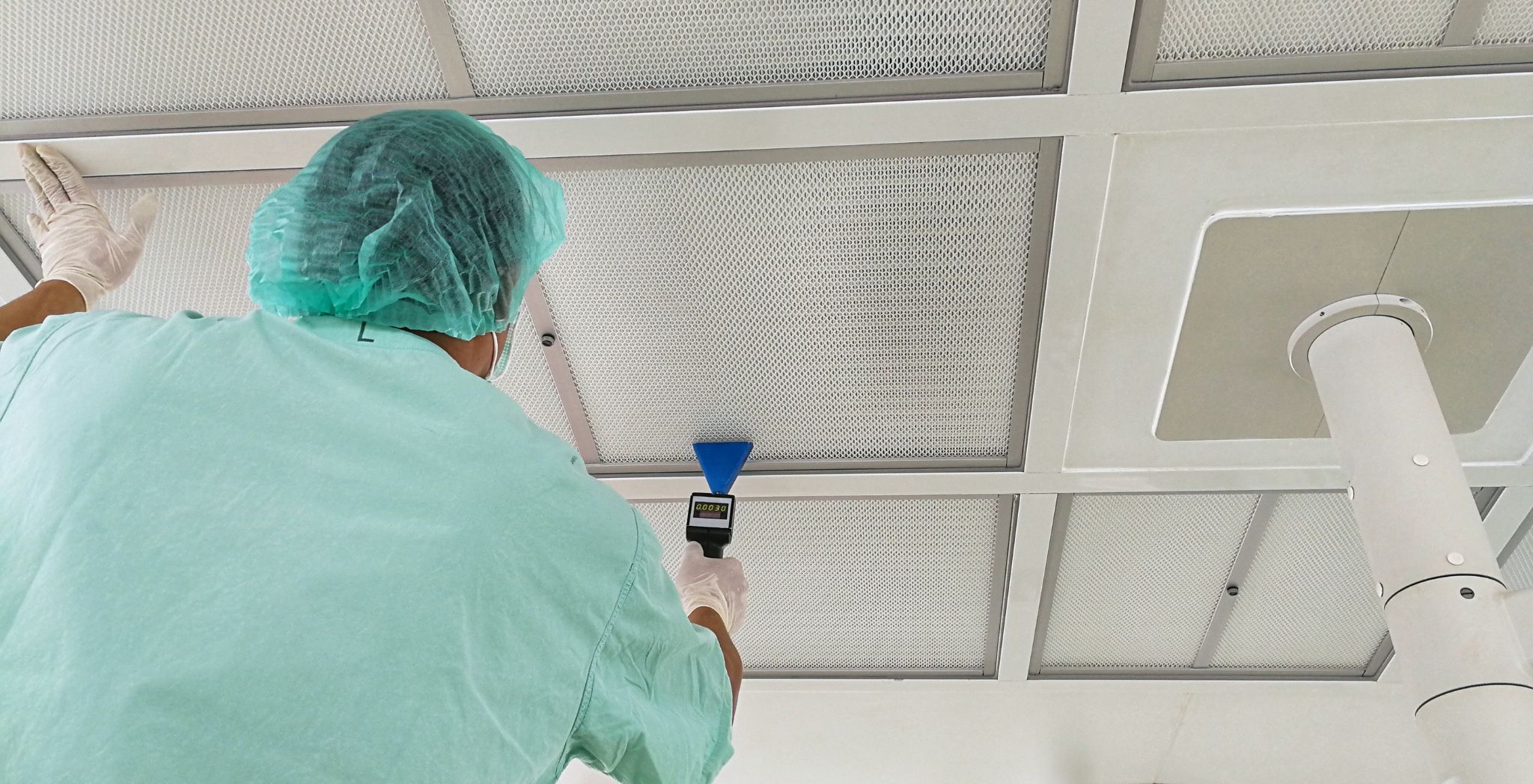
For these sectors, water quality compliance is linked to Cleanroom Performance Testing & Certification. In a cleanroom, every variable including the water used for cleaning or processing must be certified to meet strict ISO standards. If the water quality fails, the entire cleanroom certification could be at risk. Specialized filtration and constant monitoring are the only ways to stay compliant in these high-stakes environments.
How to Meet and Maintain Standards
Now that we know what water quality compliance involves, how do you actually achieve it? Here is a simple roadmap:
- Identify Your Regulations: Determine which federal, state, and industry-specific rules apply to your facility.
- Conduct a Baseline Test: Hire a professional for Water Testing & Compliance to see where you currently stand.
- Implement a Water Management Plan (WMP): Create a written document that outlines how you will monitor water, who is responsible, and what to do if a test fails.
- Perform Regular Maintenance: Clean your tanks, flush your pipes, and service your HVAC systems regularly to prevent biofilm buildup.
- Document Everything: In the eyes of a regulator, if it isn’t documented, it didn’t happen. Keep detailed records of all tests and repairs to prove your water quality compliance.
Conclusion
Water quality compliance is a continuous journey, not a one-time destination. As infrastructure ages and environmental regulations become more stringent, the task of maintaining clean, safe water becomes more complex. However, by focusing on regular testing and understanding the interconnected nature of water, air, and industrial hygiene, you can create a safe environment for everyone.
Whether you are worried about Legionella in your cooling towers, lead in your drinking fountains, or maintaining the strict standards of a cleanroom, you don’t have to do it alone. Meeting water quality compliance is easier when you have the right partners.
Ready to ensure your facility is up to code? Don’t leave your safety to chance. Our team of Health System Sciences LLC offers comprehensive Water Testing & Compliance services, along with Mold Investigation & Indoor Air Quality Assessment, HVAC Testing & Compliance, and Industrial Hygiene Assessment & Exposure Monitoring.
Contact us today to schedule a consultation and take the first step toward total water quality compliance.





Leave A Comment