
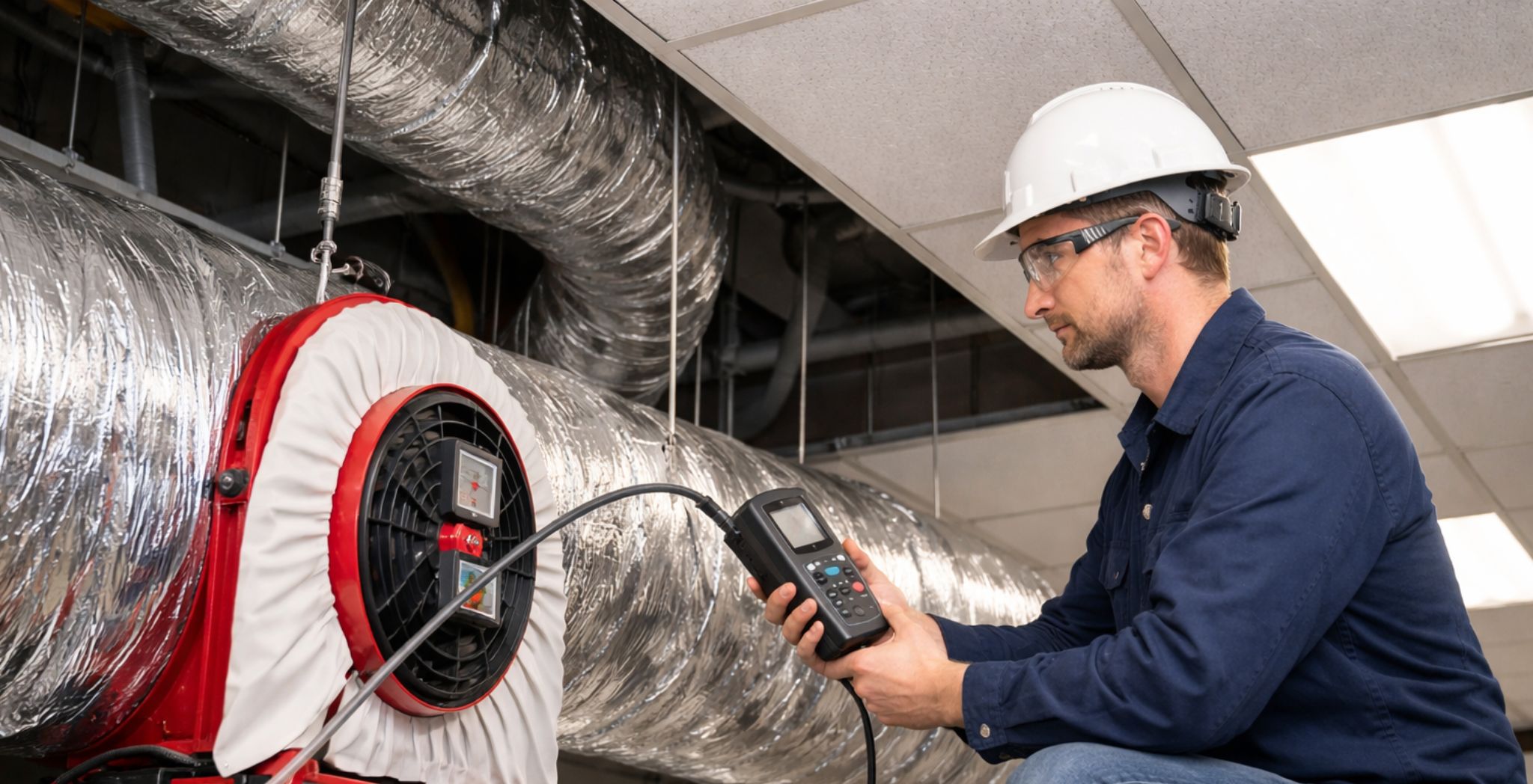
When we think about the air we breathe inside our offices, schools and hospitals, we often focus on the air conditioning unit itself or the filters we change every few months. However, there is a massive, hidden network that dictates the health of our indoor environment: the ductwork.
HVAC (Heating, Ventilation and Air Conditioning) ducts act as the respiratory system of a building. When they function correctly, they deliver clean, temperature-controlled air to every room. When they fail, they become a source of energy waste, discomfort and poor health. This is where HVAC duct testing comes into play.
In this blog, we will break down what duct testing is, why it is essential for indoor air quality (IAQ) and how it fits into a broader strategy of building health and safety.
Introduction: The Hidden Hero of Building Performance
In modern building design, efficiency and airtightness are top priorities. While this is great for saving on electricity bills, it means that our indoor environments are more dependent than ever on mechanical ventilation. If the ducts carrying that air are leaky, dirty, or poorly balanced, the entire building suffers.
HVAC duct testing is the process of evaluating the “health” of these air pathways. It isn’t just about making sure the AC is cold; it’s about ensuring that the air reaching your desk or living room is safe, sufficient and cost-effective. By identifying leaks and pressure imbalances, testing serves as a foundational step in improving air quality, boosting energy efficiency and protecting the long-term health of building occupants.
What Is HVAC Duct Testing?
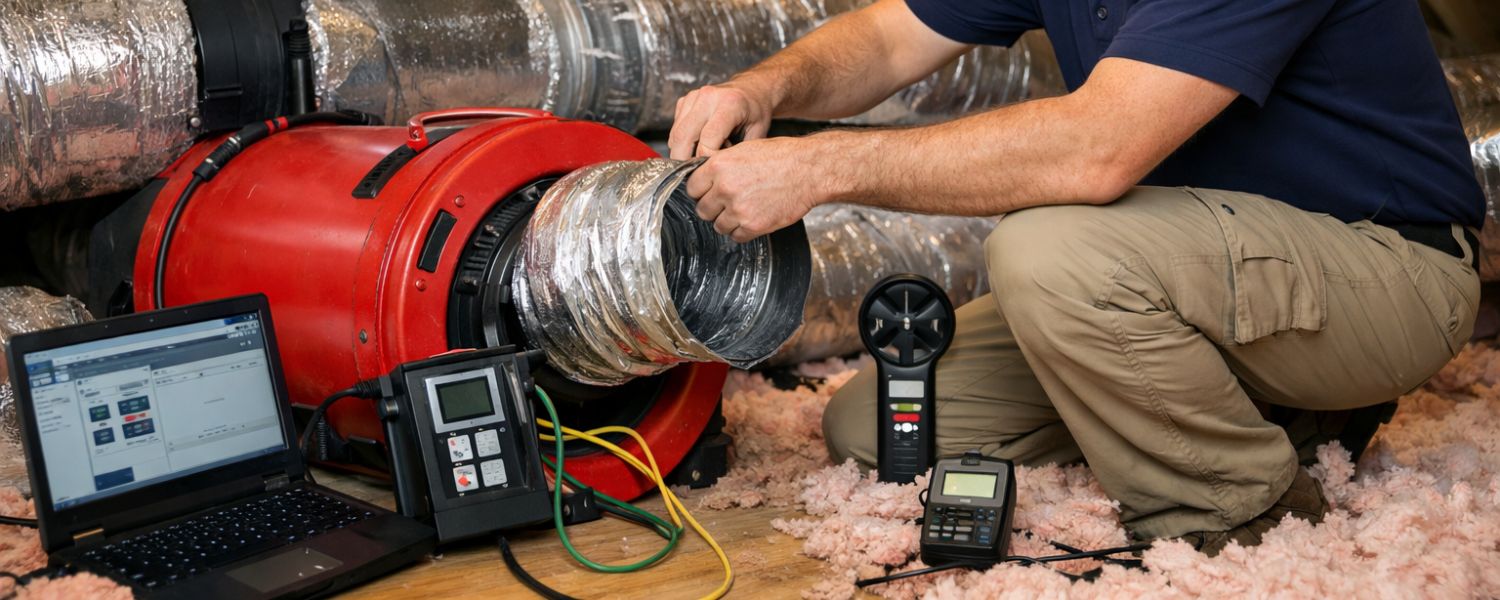
At its simplest, HVAC duct testing is a professional assessment of the integrity and performance of a building’s duct system. Think of it like a diagnostic check-up for a car, but for your building’s air distribution.
The primary goal is to determine if the ductwork is sealed properly and if air is moving through the building as designed. This process often falls under the umbrella of HVAC Testing, Adjusting & Balancing (TAB).
During a test, professionals check for:
- Air Leaks: Holes or loose connections where conditioned air escapes into attics or wall voids.
- Airflow Balance: Ensuring that one room isn’t getting too much air while another gets too little.
- Contamination Potential: Identifying areas where dust, moisture, or outside pollutants might be getting sucked into the system.
Without testing, you are essentially guessing whether your HVAC system is doing its job.
Why HVAC Duct Testing Is Important
Why should a facility manager or building owner invest in duct testing? The benefits reach far beyond just “fixing a leak.”
Improving Indoor Air Quality (IAQ)
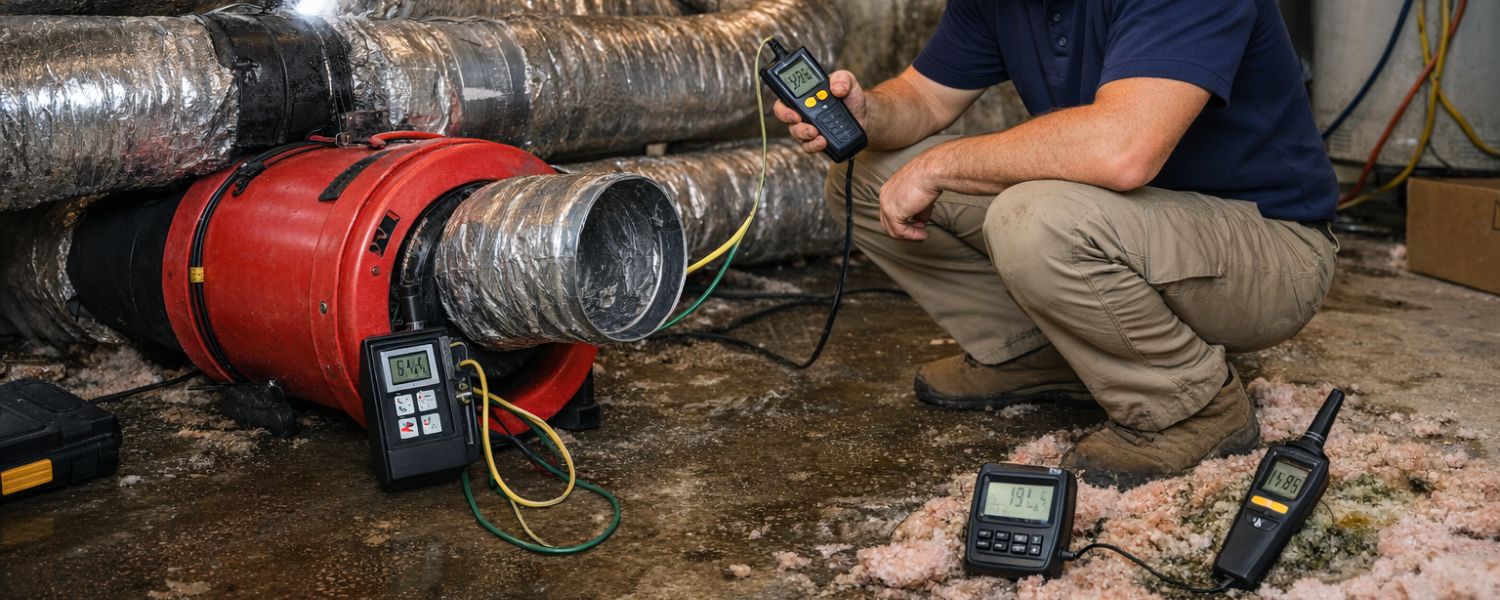
When ducts leak, they don’t just let air out; they can also let “bad” air in. This is known as “back-drafting” or infiltration. If a return duct has a leak in a dusty crawlspace or a damp basement, it will suck in those pollutants and spray them throughout the building.
Reducing Energy Loss
According to many energy experts, the average commercial building loses 10% to 30% of its conditioned air through duct leaks. This means your chillers and heaters are working 30% harder than they need to, leading to skyrocketing utility bills and premature equipment failure.
Preventing Mold and Moisture Issues
This is where duct testing intersects with Mold Investigation & Indoor Air Quality Assessment. Leaky ducts often cause pressure imbalances. If a room becomes “negatively pressured,” it can pull humid outdoor air through the building’s walls. When that humid air hits a cold surface (like a chilled water pipe or a vent), it turns into condensation. This moisture is the “spark” that leads to mold growth inside wall cavities and ceiling tiles.
Is your building losing 30% of its air?
Don’t let leaky ducts drive up your energy bills or compromise occupant health. Our expert team provides precision duct leakage testing and airflow balancing to ensure your system performs at its peak.
When Should You Get HVAC Duct Testing?
Duct testing isn’t something that needs to happen every week, but there are critical milestones when it becomes a necessity:
- New Installations: To ensure the contractors installed the system according to the design specifications.
- Renovations: Whenever a building’s layout changes, the airflow requirements change. Moving walls often means moving ducts, which can lead to new leaks or imbalances.
- Poor Airflow Issues: If occupants are complaining that certain rooms are always stuffy or “hot,” it’s a sign the air isn’t reaching its destination.
- After Water Damage: If a building has suffered a flood or a major pipe leak, a Water Testing & Compliance check followed by a duct assessment is vital to ensure moisture hasn’t compromised the ventilation system.
- Health-Critical Environments: Hospitals, laboratories and cleanrooms require routine maintenance and testing to maintain sterile conditions.
How HVAC Duct Testing Works
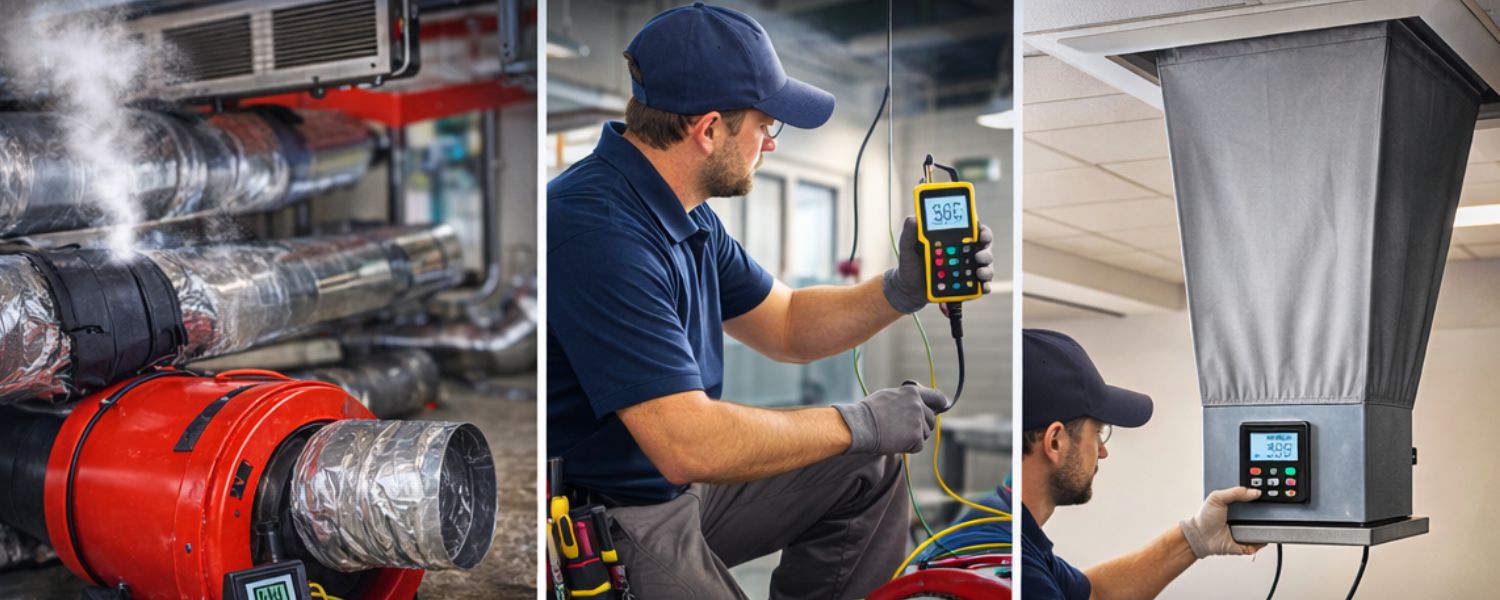
The process is scientific and highly regulated. While there are several methods, the most common is the Duct Leakage Test (often called a “Blower Door” test for ducts).
- Sealing the System: All registers (the vents where air comes out) are temporarily sealed with adhesive plastic or plugs.
- Pressurization: A calibrated fan is attached to the duct system. This fan blows air into the ducts to create pressure.
- Measurement: Specialized gauges measure how much air the fan has to blow to maintain that pressure. If the fan has to work hard to keep the ducts pressurized, it means air is escaping through leaks.
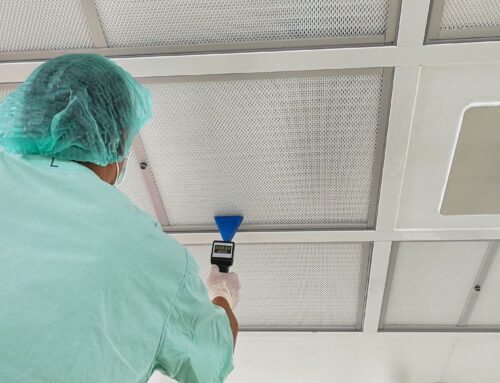
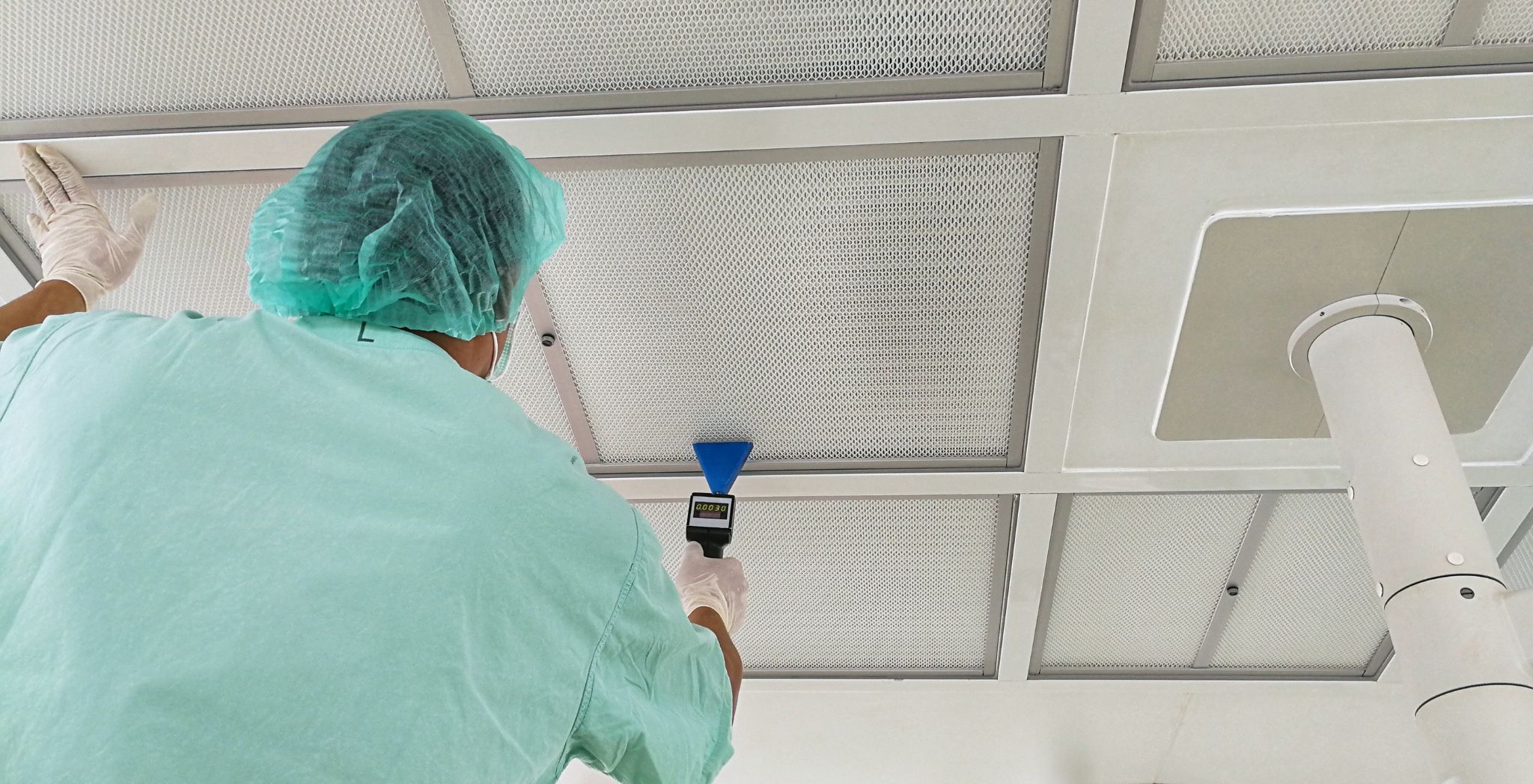
- Airflow Balancing: Using flow hoods (balometers), technicians measure the exact cubic feet per minute (CFM) of air coming out of each vent to ensure it matches the engineer’s original plan.
The results give a “leakage percentage,” which tells building owners exactly how much money and air they are losing.
Health & Safety Benefits: The Industrial Hygiene Connection
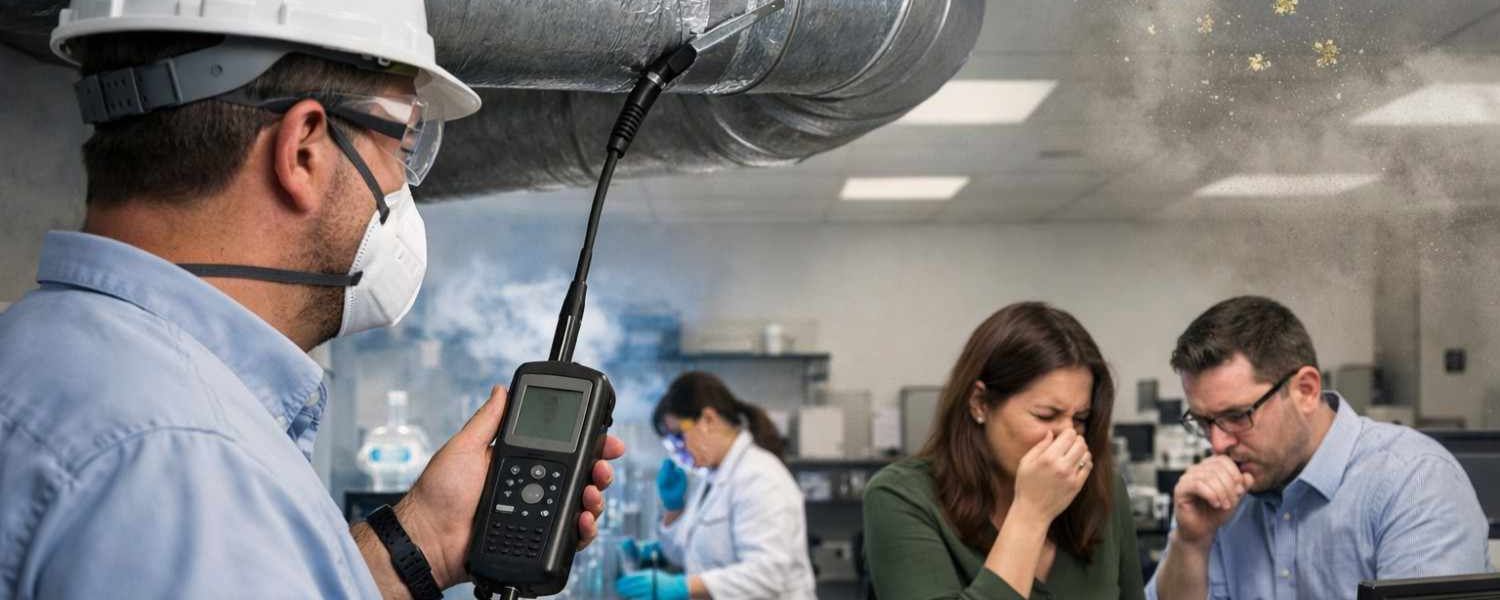
In a workplace, air quality is a safety issue. HVAC duct testing is a key component of a comprehensive Industrial Hygiene Assessment & Exposure Monitoring program.
Industrial hygiene is the science of protecting workers from environmental stressors. If a facility handles chemicals, fine dust, or biological agents, the HVAC system is the primary defense. It captures these contaminants and filters them out.
If the ducts are leaking or unbalanced:
- Contaminants might linger in the “breathing zone” of employees.
- Fumes from a lab or manufacturing floor could migrate into administrative offices.
- Allergens like pollen and fungal spores can circulate unchecked.
Testing ensures that the “engineering controls” (the HVAC system) are actually working to keep employees safe and compliant with OSHA or other safety standards.
Compliance and Standards
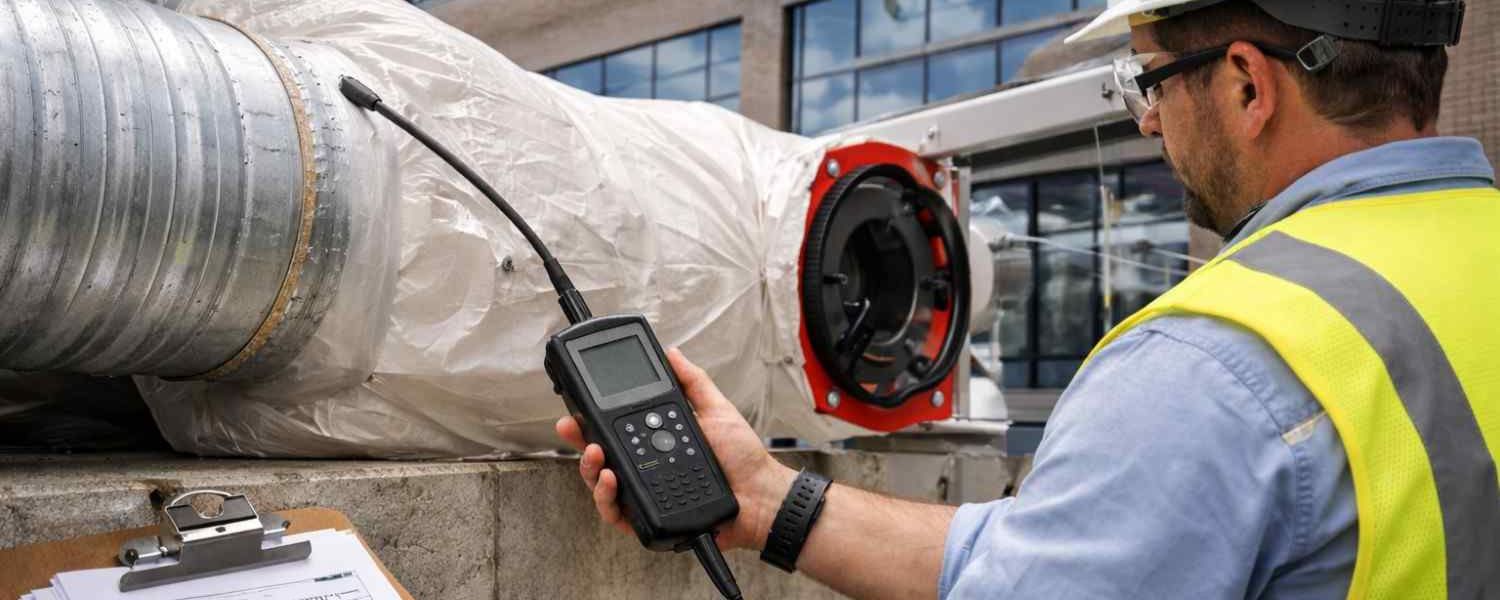
For many industries, HVAC duct testing isn’t optional—it’s a legal or regulatory requirement.
- Healthcare: Hospitals must maintain specific pressure relationships (e.g., operating rooms must be positively pressured so germs don’t drift in).
- Building Codes: Many modern energy codes (like ASHRAE 90.1 or Title 24) require duct leakage testing for all new commercial constructions.
- Laboratories and Cleanrooms: These facilities rely on precise air exchange rates to prevent cross-contamination.
By performing regular testing, facilities can provide documented proof that they meet these high standards, protecting themselves from liability and ensuring occupant safety.
What Happens After Testing?
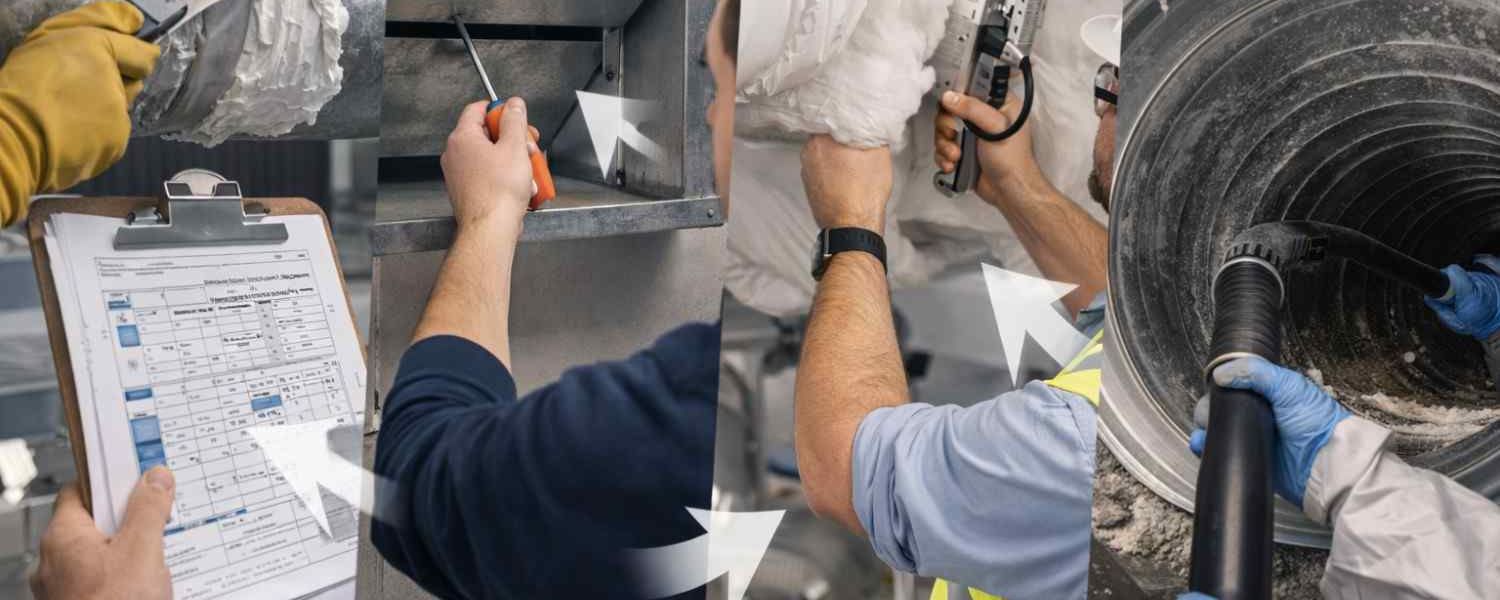
The test is the diagnosis; the next step is the cure. Once the testing is complete, you will receive a detailed report. Depending on the findings, the next steps usually include:
- Duct Sealing: Using specialized mastics or aerosol sealants to plug the leaks identified during the test.
- Adjusting & Balancing (T&B): Adjusting dampers (metal plates inside the ducts) to redirect air from over-served rooms to under-served rooms.
- Insulation Repair: If ducts are sweating, adding or replacing insulation can prevent moisture buildup.
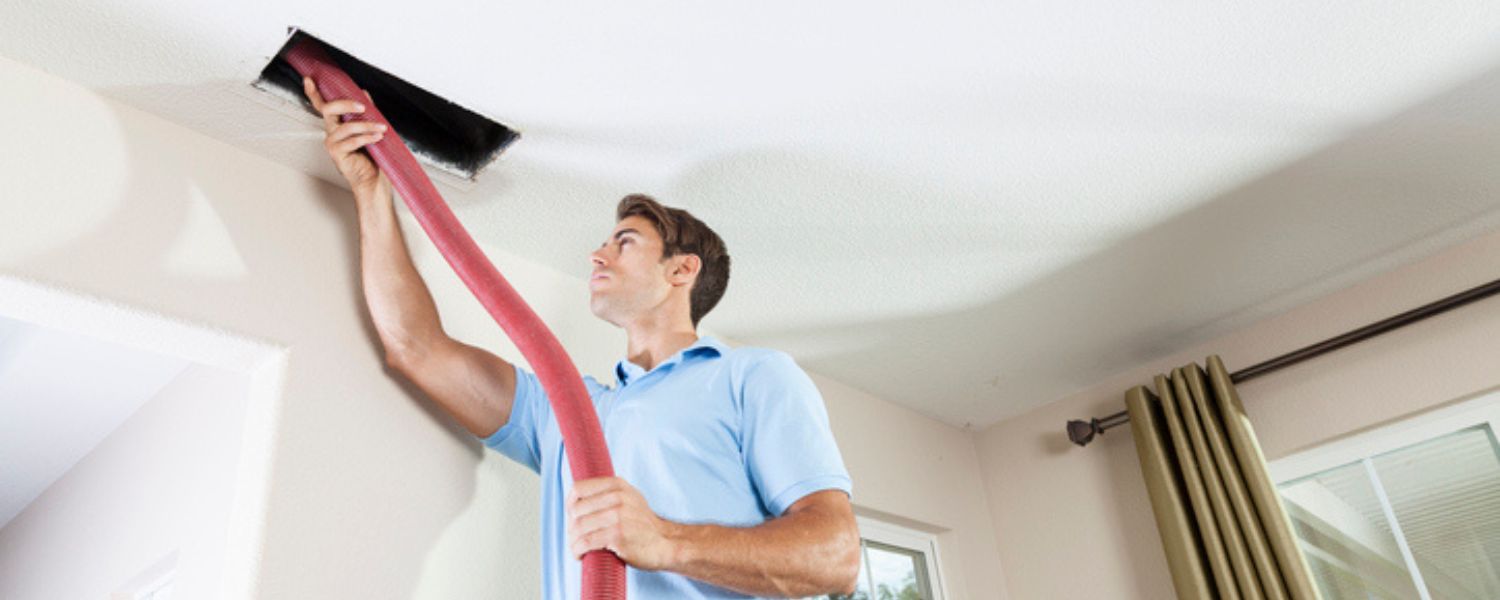
- System Cleaning: If the test revealed high levels of dust or debris, a professional cleaning may be required to restore air quality.
Conclusion: Take Control of Your Indoor Environment
Testing of HVAC ducts is not only a maintenance procedure, but it is a smart investment in the well-being of your building and the health of those inside it. You can save energy, eliminate mould growth, and make any environment safer and more comfortable for all by making sure that your ductwork is properly sealed, balanced, and clean.
You may be in charge of a business office, hospital, or an industrial facility, but as long as you know your airflow, it is the leading step toward realizing optimal indoor air quality. Inadequate airflow may result in unnoticeable problems such as duct leakage, imbalanced heating or cooling, and even health risks due to contaminated air spreading.
Do you worry about the air quality of your building or increased electricity bills? Contact Environment Compliance Experts today for a comprehensive HVAC testing and balancing (T&B) service, along with industrial hygiene testing. Our team will help you identify hidden leaks, ensure health standards are met, and guarantee your system is working at its peak efficiency.
FAQ’s
Take the Guesswork Out of Your Air Quality
Stop wondering if your HVAC system is doing its job. Whether you’re managing a hospital, a school, or a commercial office, we provide the data you need to breathe easy.Schedule your professional HVAC Duct Evaluation today.
Contact Our Specialists



Leave A Comment