
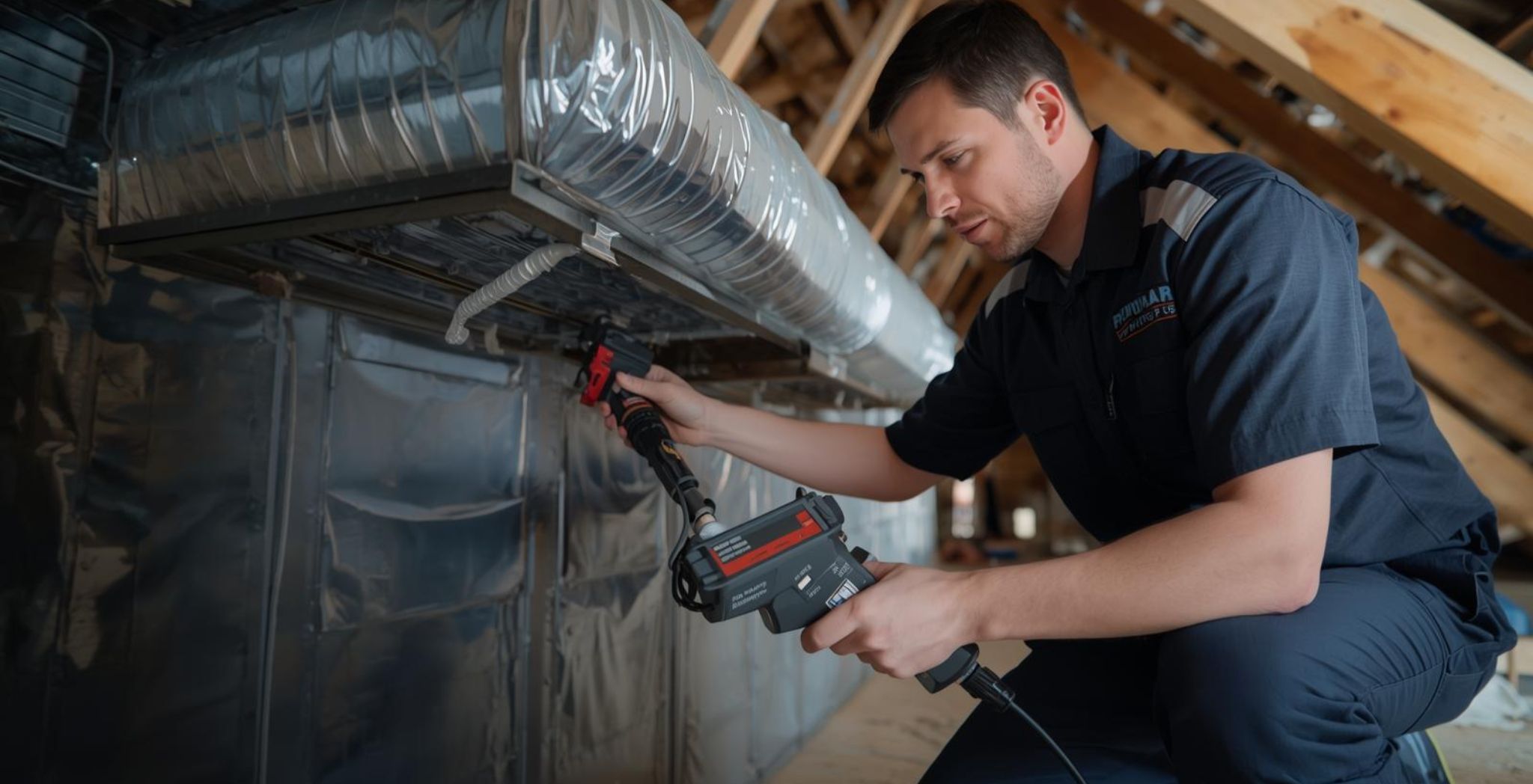
HVAC Leak Testing, Most people don’t think about their building’s HVAC system until something goes wrong a room that’s too hot, an energy bill that’s too high, or air quality that just feels “off.” But by the time these problems surface, the damage is often already done.
HVAC leak testing is the process of identifying unintended air leakage within a heating, ventilation, and air conditioning system particularly within the ductwork that carries conditioned air throughout a building. It is one of the most important, and most overlooked, maintenance and commissioning procedures a facility can invest in.
When leaks go undetected, conditioned air escapes before it reaches its destination. That means your system works harder, your energy costs climb, and the people inside the building feel the difference. In commercial and industrial facilities, the consequences go further poor airflow can compromise indoor air quality, create pressure imbalances, and in sensitive environments, even introduce contamination risks.
This article covers everything facilities professionals need to understand about HVAC leak testing from how the system works and why leaks form, to airflow and duct testing methods, the testing, adjusting, and balancing (TAB) process, performance testing, and how to find professional HVAC testing services that get the job done right.
Understanding HVAC Leak Testing
To understand why leak testing matters, it helps to start with how an HVAC system actually works.
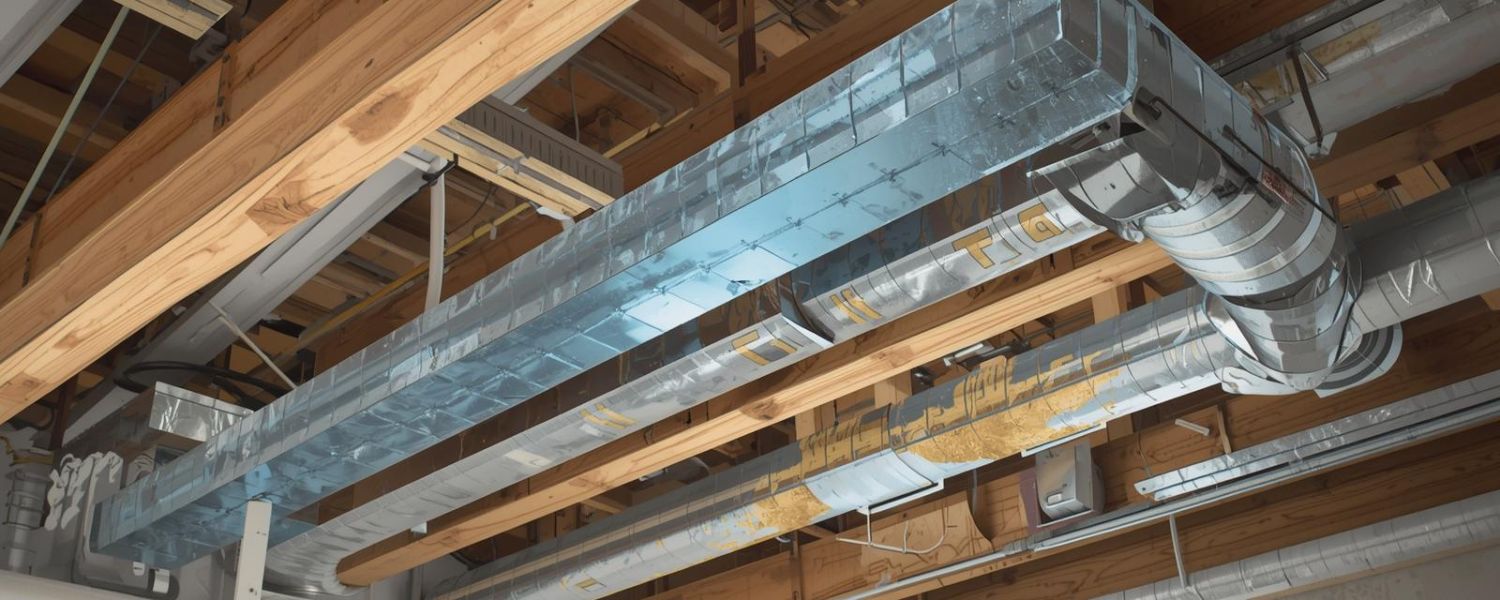
An HVAC system draws air in, conditions it heating, cooling, filtering, or humidifying and then distributes it throughout a building via a network of ducts. These ducts run behind walls, above ceilings, and beneath floors. They connect the air handler to every room in the building, and their integrity is essential to the system performing as designed.
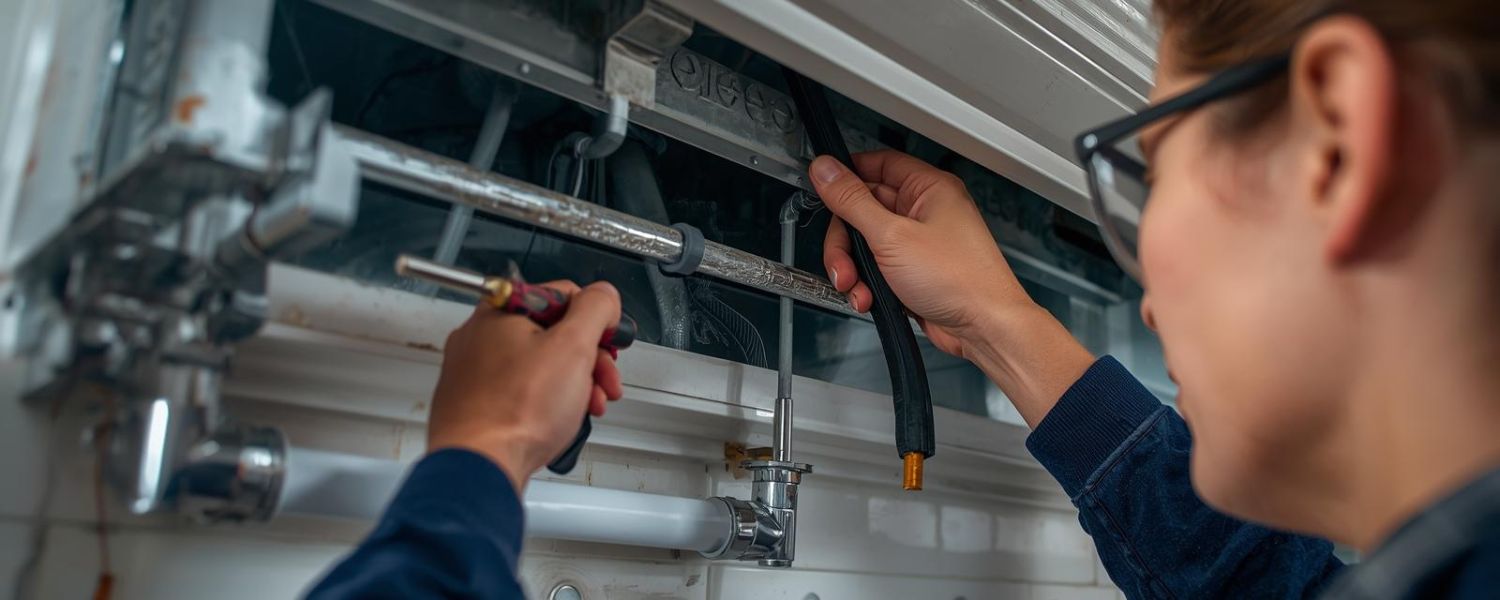
When a duct develops a gap, a hole, or a poorly sealed joint, air escapes. That lost air never reaches the intended space. The system then has to compensate by running longer or harder to make up the difference. That’s wasted energy, and in most commercial buildings, it adds up to thousands of dollars annually.
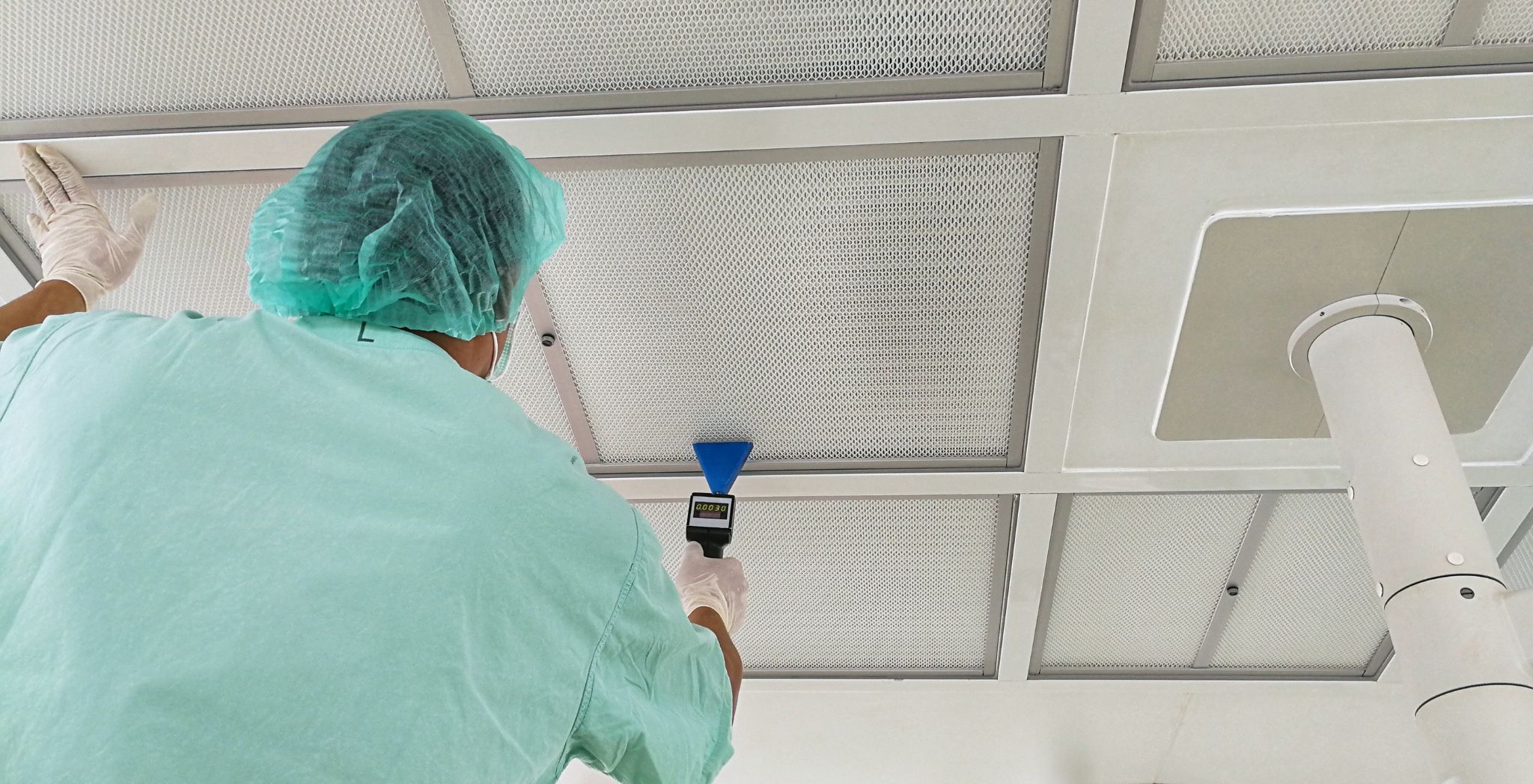
HVAC testing is used to measure how much air is actually being delivered versus how much is being lost. Technicians use calibrated equipment blower doors, duct pressurization systems, and flow hoods to pressurize duct sections and identify where leakage is occurring. This testing gives facility managers a clear picture of system performance and highlights exactly where repairs are needed.
Beyond energy efficiency, there are safety and compliance reasons for regular HVAC testing. In healthcare, pharmaceutical, cleanroom, and food-processing environments, uncontrolled air movement can carry contaminants into sensitive spaces. In commercial offices and schools, leaking ducts can pull pollutants, dust, or moisture-laden air from unconditioned spaces into occupied zones. Regular testing ensures the system operates safely and efficiently not just on paper, but in practice.
The Importance of HVAC Airflow and Duct Testing
Even a system with no visible leaks can underperform if airflow is poorly distributed. This is where HVAC airflow testing and HVAC duct testing become essential tools in a facility manager’s toolkit.
Airflow Distribution and System Balance
Every room or zone in a building is designed to receive a specific volume of air expressed in cubic feet per minute (CFM). When that volume is off too high in one area, too low in another occupants notice. Some spaces are stuffy and uncomfortable. Others are overcooled. Conference rooms feel stale. Server rooms run warm.
HVAC airflow testing measures the actual volume of air being delivered at each supply outlet and returned at each return grille. Technicians use flow hoods and anemometers to capture real-time readings and compare them against the system’s design specifications. Any deviation points to a potential problem whether that’s a damper out of position, a blockage in the duct, or a fan that’s not performing to spec.
Duct Leakage and Airflow Loss
HVAC duct testing takes the investigation further by pressurizing the duct system and measuring how much air escapes before it reaches the supply registers. Industry standards such as those published by ASHRAE and SMACNA define acceptable leakage rates for different system types. Many older buildings fail these benchmarks by a wide margin, even without obvious physical damage to the ductwork.
Leakage is especially problematic in return air systems. When return ducts leak, they can pull in unconditioned air from attics, crawl spaces, or mechanical rooms air that bypasses the filtration system entirely and enters occupied spaces unfiltered.
Impact on Building Comfort and Operating Costs
Poor airflow doesn’t just affect comfort it strains equipment. A system that can’t move air efficiently runs longer cycles, puts more wear on fans and motors, and shortens equipment lifespan. Addressing airflow and duct integrity issues through systematic testing is one of the highest-return investments a building owner can make.
HVAC Testing, Adjusting, and Balancing (TAB) Explained
Testing and balancing HVAC systems often abbreviated as TAB is a structured, systematic process that goes beyond simply finding leaks. It involves measuring, adjusting, and documenting every component of the air distribution system to ensure the building performs as designed.
What the TAB Process Involves
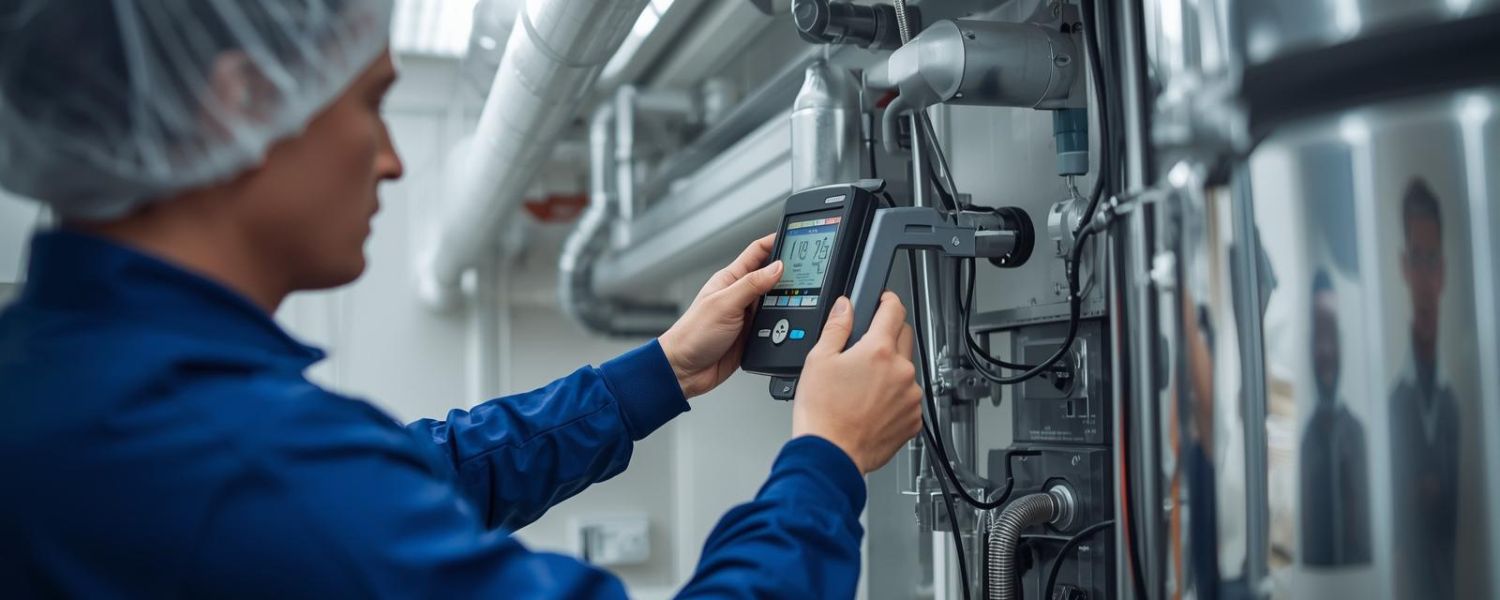
The testing phase captures baseline data. Technicians measure airflow at every terminal device supply diffusers, return grilles, exhaust fans as well as at the air handling unit itself. They record static pressure readings throughout the duct system, fan speed, motor amperage, and temperature differential across coils.
The adjusting phase uses this data to correct imbalances. Dampers are repositioned, fan speeds are modified, and terminal units are calibrated to bring actual airflow in line with design values. This isn’t guesswork it’s precise, data-driven work that requires calibrated instruments and an understanding of how changes in one part of the system affect airflow elsewhere.
The balancing phase confirms that adjustments have produced the intended results. Technicians retest after adjustments, verify readings at all outlets, and document final values in a TAB report.
Why Testing, Adjusting, and Balancing Matters
HVAC testing adjusting and balancing is not just a commissioning step for new buildings. It should be revisited whenever the building undergoes renovation, a new tenant occupies a floor, major equipment is replaced, or persistent comfort complaints arise.
Testing and balancing HVAC systems to design specifications also supports energy code compliance. Many jurisdictions now require TAB documentation as part of building commissioning or re-commissioning under programs such as LEED, ENERGY STAR, or local energy benchmarking ordinances.
The bottom line: a system that hasn’t been properly balanced isn’t operating as designed no matter how new the equipment is.
HVAC Performance Testing and Indoor Air Quality
Beyond mechanical efficiency, HVAC systems have a direct and measurable impact on indoor air quality (IAQ) and on the health and productivity of the people inside the building.
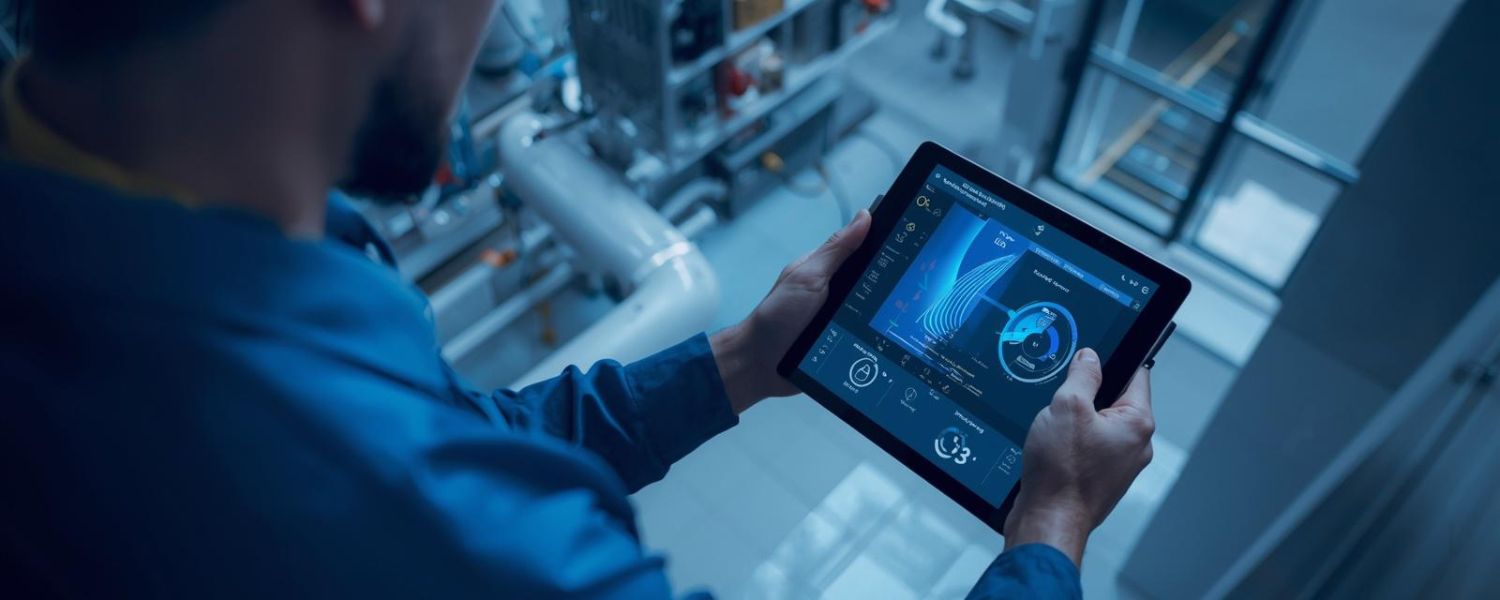
HVAC performance testing evaluates the system holistically. It looks at temperature control, humidity regulation, ventilation rates, filtration effectiveness, and pressure relationships between spaces. In facilities where clean air is a regulatory requirement hospitals, laboratories, pharmaceutical plants this level of testing isn’t optional. It’s essential.
Environmental Control and Regulatory Compliance
Many industries operate under strict standards for air quality and environmental control. The Joint Commission requires proper ventilation in healthcare settings. FDA regulations mandate controlled environments for pharmaceutical manufacturing. OSHA standards address acceptable airborne contaminant levels in industrial facilities.
HVAC air quality testing helps facilities demonstrate compliance with these requirements. It documents that ventilation rates meet ASHRAE 62.1 standards, that filtration systems are functioning as specified, and that pressure differentials are maintained in isolation rooms, cleanrooms, or other controlled spaces.
Energy Efficiency and Long-Term Building Performance
A well-tested, well-balanced HVAC system doesn’t just improve air quality it costs less to operate. When airflow is optimized and leakage is minimized, the system achieves design performance with less energy. That means lower utility bills and a reduced carbon footprint outcomes that matter both financially and from a sustainability standpoint.
Regular HVAC performance testing is one of the most reliable ways to identify declining system efficiency before it becomes a costly problem.
Don’t Let HVAC Issues Impact Your Facility – Schedule a Test Today!
HVAC systems are intricate, and the difference between optimal performance and costly failures often lies in proper testing and maintenance. Ensure your system runs efficiently and complies with regulations by scheduling professional HVAC leak testing today.
Our team of qualified HVAC testing specialists is ready to provide a full system evaluation, airflow assessment, and performance optimization. From airflow diagnostics to comprehensive TAB services, we have the expertise to keep your building running smoothly.
Frequently Asked Questions
What is HVAC leak testing?
HVAC leak testing is the process of identifying unintended air leakage within a duct system. Using specialized pressurization equipment, technicians measure how much air escapes from the duct network before reaching supply outlets. The results help facility managers understand system efficiency, prioritize repairs, and ensure that conditioned air is being delivered where it’s needed.
Why is HVAC airflow testing important?
HVAC airflow testing ensures that air is being distributed evenly and in the correct volumes across a building. Without it, some areas receive too much air while others receive too little leading to comfort problems, energy waste, and in some cases, indoor air quality issues. Proper airflow testing gives facilities a clear picture of how the system is performing in practice versus how it was designed to perform.
What is testing and balancing in HVAC systems?
Testing and balancing (TAB) is a structured process that involves measuring airflow at every point in the system, adjusting dampers and fan speeds to correct imbalances, and documenting final performance data. The goal is to ensure that air distribution across the building matches design specifications delivering the right amount of air to every space consistently and efficiently.
How often should HVAC systems be tested?
HVAC systems should be tested at initial commissioning, after any major renovation or system modification, and at regular intervals during the building’s operational life. For most commercial facilities, performance testing every three to five years is a reasonable baseline though facilities with stricter compliance requirements may need annual testing. Any time persistent comfort complaints or unexplained energy increases arise, testing should be triggered promptly.
Conclusion – Maintaining Efficient HVAC Systems Through Professional Testing
An HVAC system is only as good as the data behind it. Without regular HVAC leak testing, airflow assessment, and performance evaluation, even well-designed systems drift out of specification wasting energy, compromising comfort, and creating potential compliance liabilities.
By investing in duct testing and airflow analysis, facility teams can identify problems before they become expensive failures. By implementing testing, adjusting, and balancing services, they can ensure that air distribution aligns with design intent across every zone of the building. And by conducting regular HVAC performance testing, they can demonstrate compliance, support sustainability goals, and protect the health of building occupants.
The most efficient HVAC system is a tested one. For organizations serious about building performance, air quality, and long-term operational cost control, professional HVAC testing services are not an optional extra they are a fundamental part of responsible facility management.




Leave A Comment