
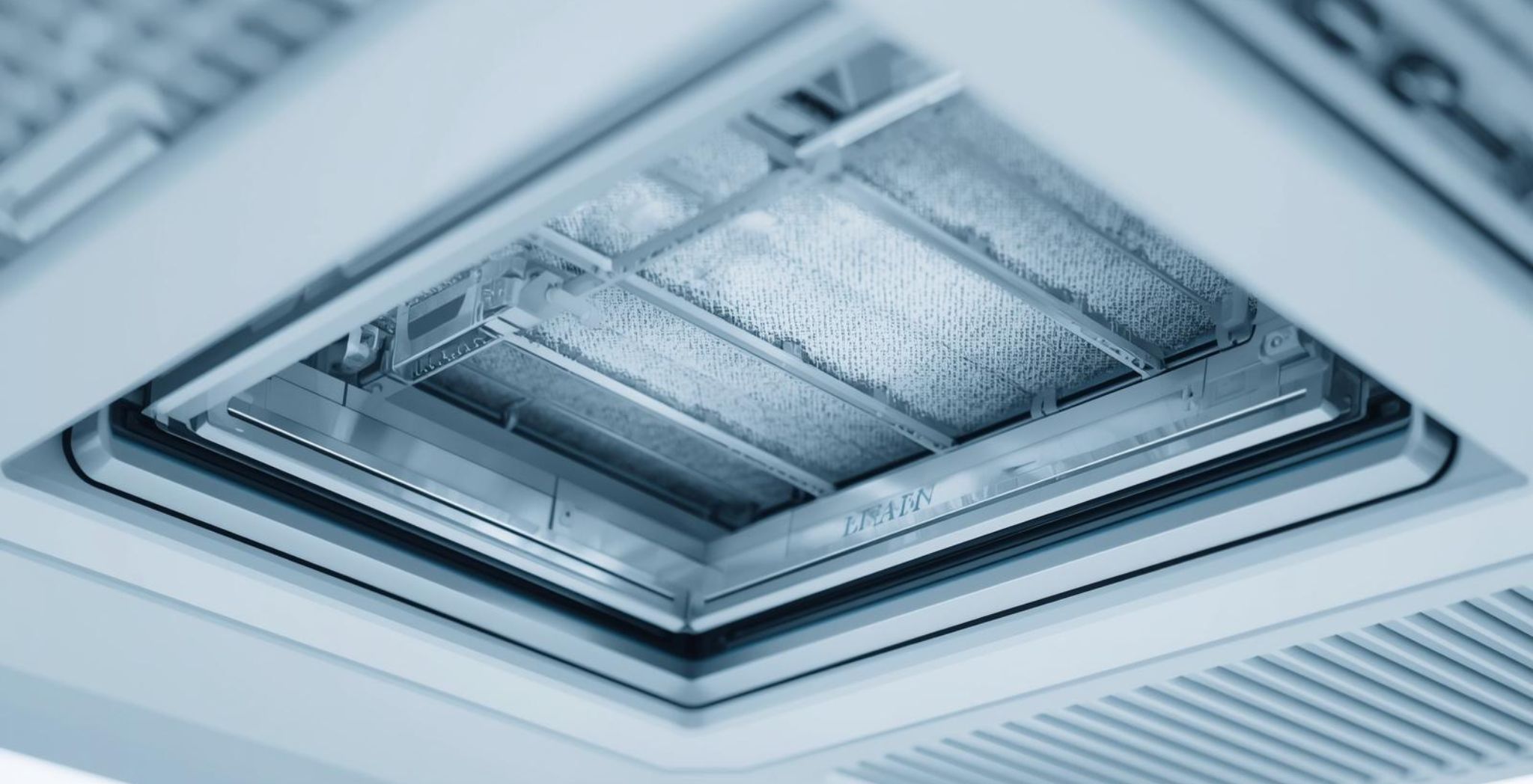
What is HEPA Filter ? Air quality is something most people take for granted until something goes wrong. Whether it is a hospital patient recovering from surgery, a scientist working in a sterile laboratory, or a worker on a pharmaceutical production line, the air they breathe matters enormously. Even invisible particles floating in the air can carry bacteria, viruses, allergens, and harmful contaminants that pose serious health risks.
This is where HEPA filtration comes in.
If you have ever asked yourself what is a HEPA filter and why it appears in everything from hospital ventilation systems to home air purifiers, you are in the right place. HEPA filters are one of the most effective tools available for removing airborne particles from indoor environments. They are trusted by healthcare facilities, cleanrooms, research laboratories, pharmaceutical plants, and even residential buildings worldwide.
But owning or installing a HEPA filter is only part of the solution. To truly protect an environment, these filters need to function correctly and that means understanding how they work, how they are tested, and when they need to be replaced.
This article covers all of that. By the end, you will have a clear understanding of HEPA filter function, filtration efficiency, testing standards, and proper replacement and maintenance practices.
What Is a HEPA Filter?
HEPA stands for High-Efficiency Particulate Air. A HEPA filter is a type of mechanical air filter that is designed to capture extremely small airborne particles that ordinary filters simply cannot trap.
To qualify as a true HEPA filter, the filtration media must remove at least 99.97% of particles that are 0.3 microns in diameter. To put that in perspective, a single human hair is around 70 microns wide. The particles a HEPA filter targets dust, pollen, mold spores, pet dander, bacteria, and certain viruses are far smaller than the eye can see.
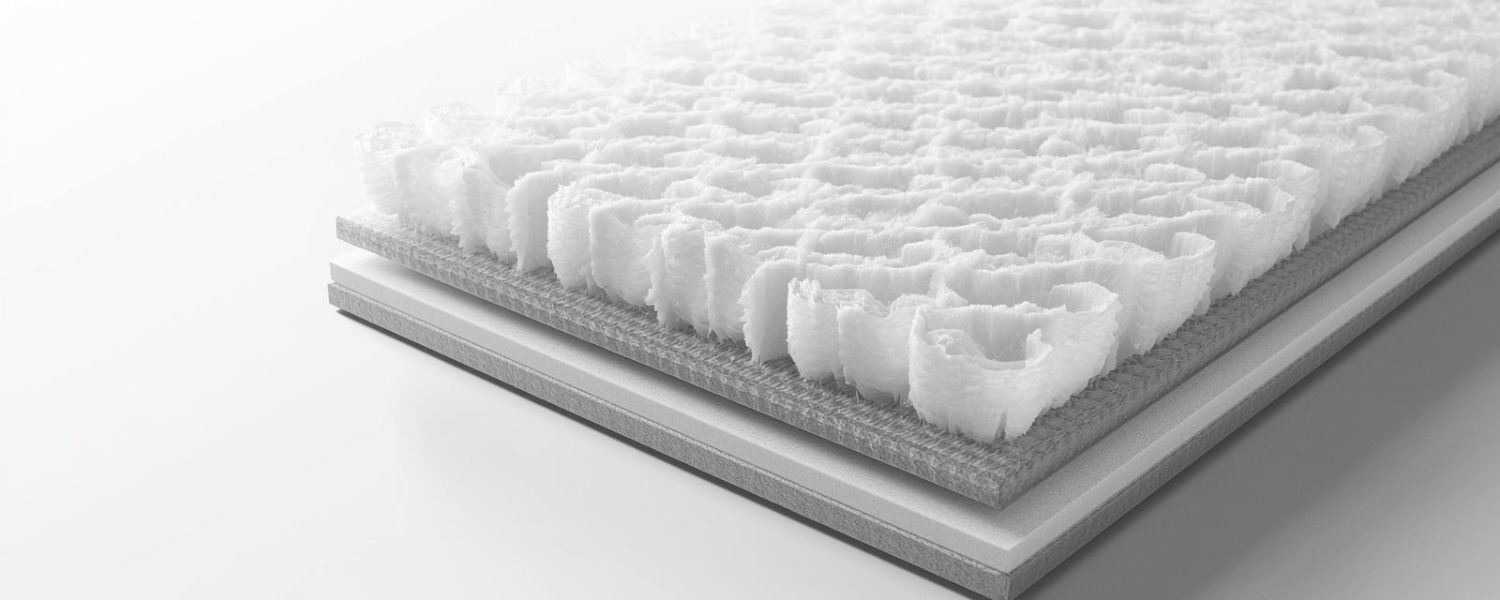
The 0.3-micron size is actually the most penetrating particle size (MPPS). This means it is the hardest size for filters to catch. If a filter can capture 99.97% of particles at this difficult size, it will perform even better with larger and smaller particles. This is what makes HEPA filtration genuinely reliable for critical environments.
HEPA filters are used across a wide range of industries:
- Healthcare — operating theatres, intensive care units, isolation rooms
- Pharmaceuticals — sterile manufacturing and compounding areas
- Cleanrooms — semiconductor and electronics manufacturing
- Laboratories — biological safety cabinets and research environments
- HVAC systems — commercial buildings and controlled environments
- Residential — home air purifiers for allergy and asthma management
Because these environments cannot afford filtration failure, regular HEPA filter testing is a standard requirement not an optional add-on.
How HEPA Filters Work
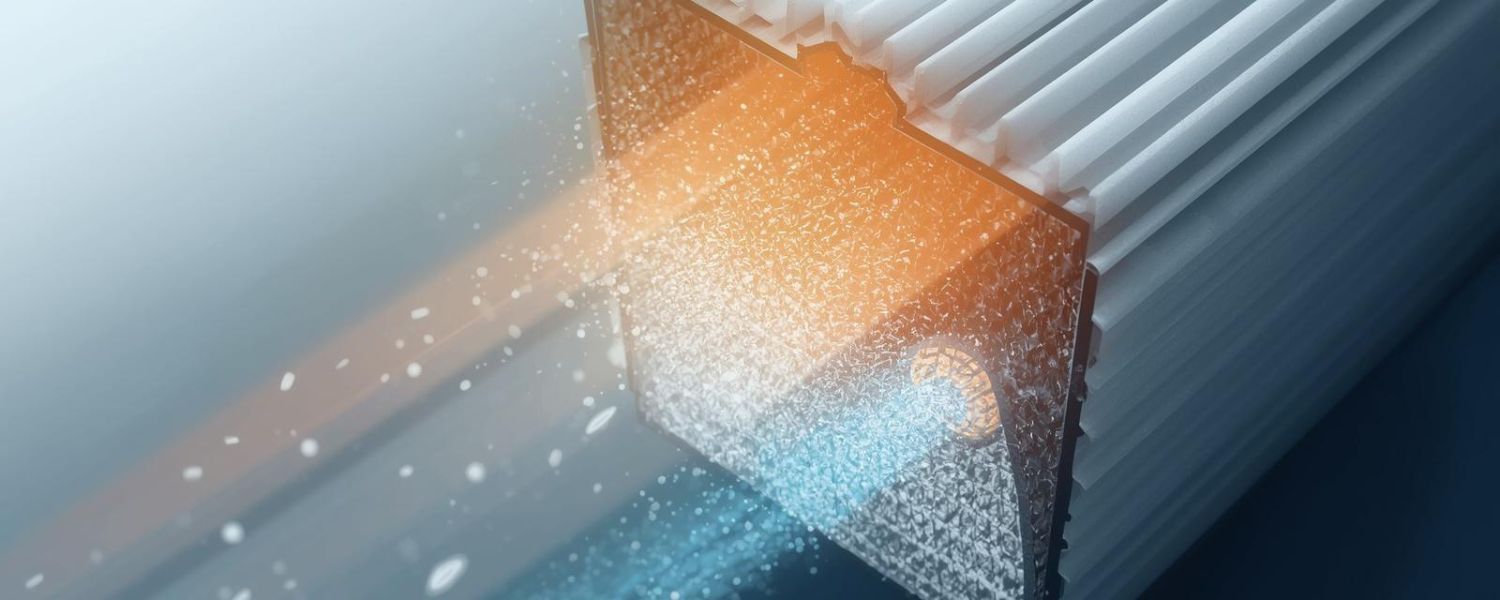
HEPA filters do not work like a simple sieve. If they did, the filter would need impossibly small holes to catch 0.3-micron particles, and air would barely pass through. Instead, HEPA filtration relies on three separate physical mechanisms working together.
1. Interception
When larger particles travel through the filter media with the airflow, they follow the air stream but they are large enough to make contact with a fiber as they pass close to it. Once they touch the fiber, they stick. This is called interception, and it is most effective for mid-sized particles.
2. Impaction
Heavier particles cannot follow the curves in the airflow as it bends around the fibers. Instead of turning with the air, they keep moving in a straight line and collide directly with the filter fibers. This is impaction, and it handles larger, denser particles very effectively.
3. Diffusion
This is where ultrafine particles those smaller than 0.1 microns are captured. Particles this small are so light that gas molecules constantly bump into them, causing them to move randomly in what is called Brownian motion. This erratic, zigzagging path through the filter increases the chances that these particles will contact and stick to a fiber. The slower the airflow, the more effective diffusion becomes.
Together, these three mechanisms cover the full particle size range, which is why HEPA filters achieve such high efficiency even for the most difficult 0.3-micron particle size.
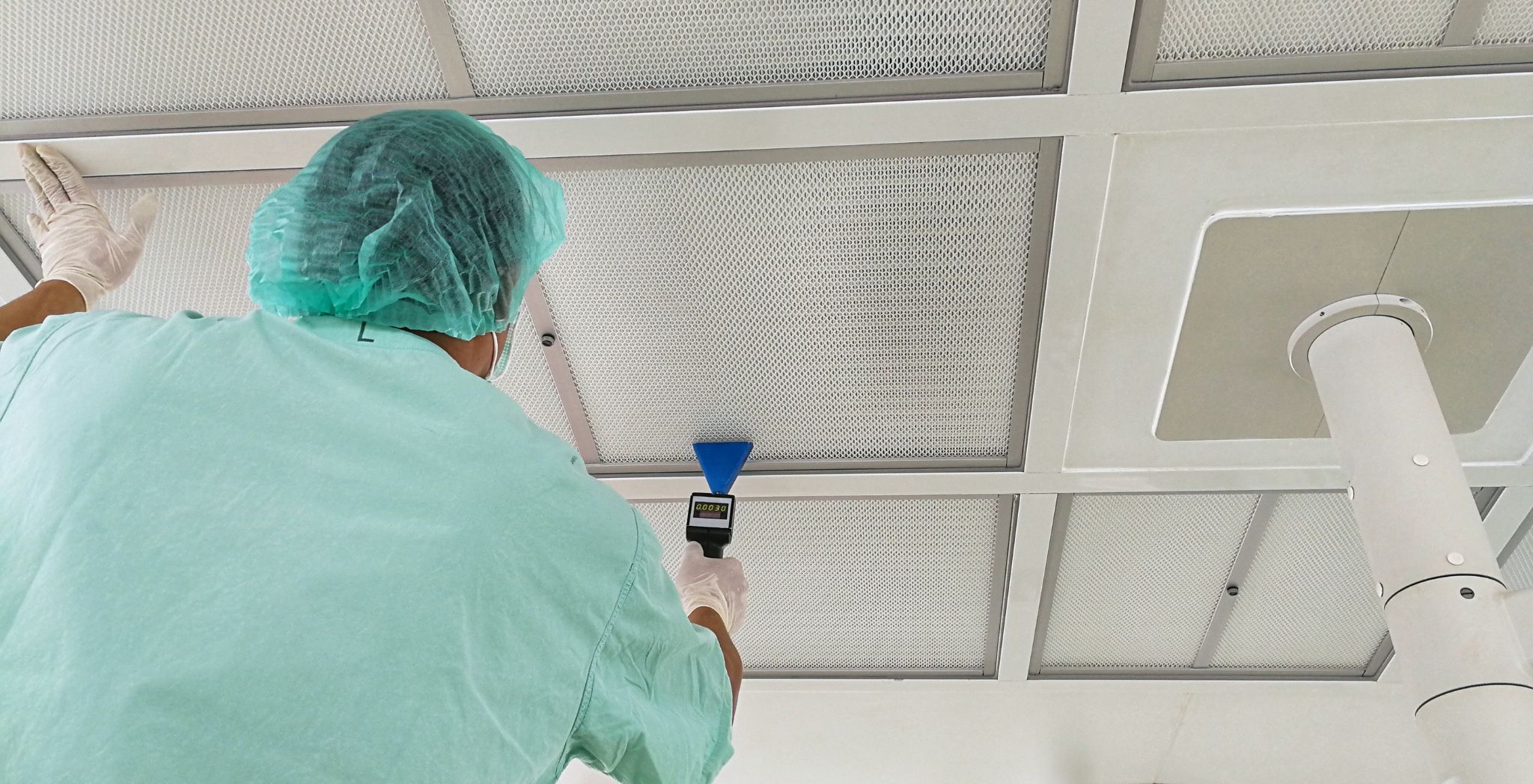
It is important to note that even the best HEPA filter will fail if there are gaps in the sealing, damaged fibers, or frame leaks. This is why HEPA filter integrity testing exists to confirm that the filter is not just installed, but actually working as it should, with no bypass leakage around the media.
HEPA Filter Testing and Integrity Verification
Installing a HEPA filter is not the end of the story. A filter that looks fine on the outside may have microscopic tears in the media, gaps in the sealant, or poorly seated frames all of which allow unfiltered air to pass through. In controlled environments, this kind of failure is unacceptable.
This is why HEPA filter testing is a critical part of any filtration management programme.
What Does HEPA Filter Testing Involve?
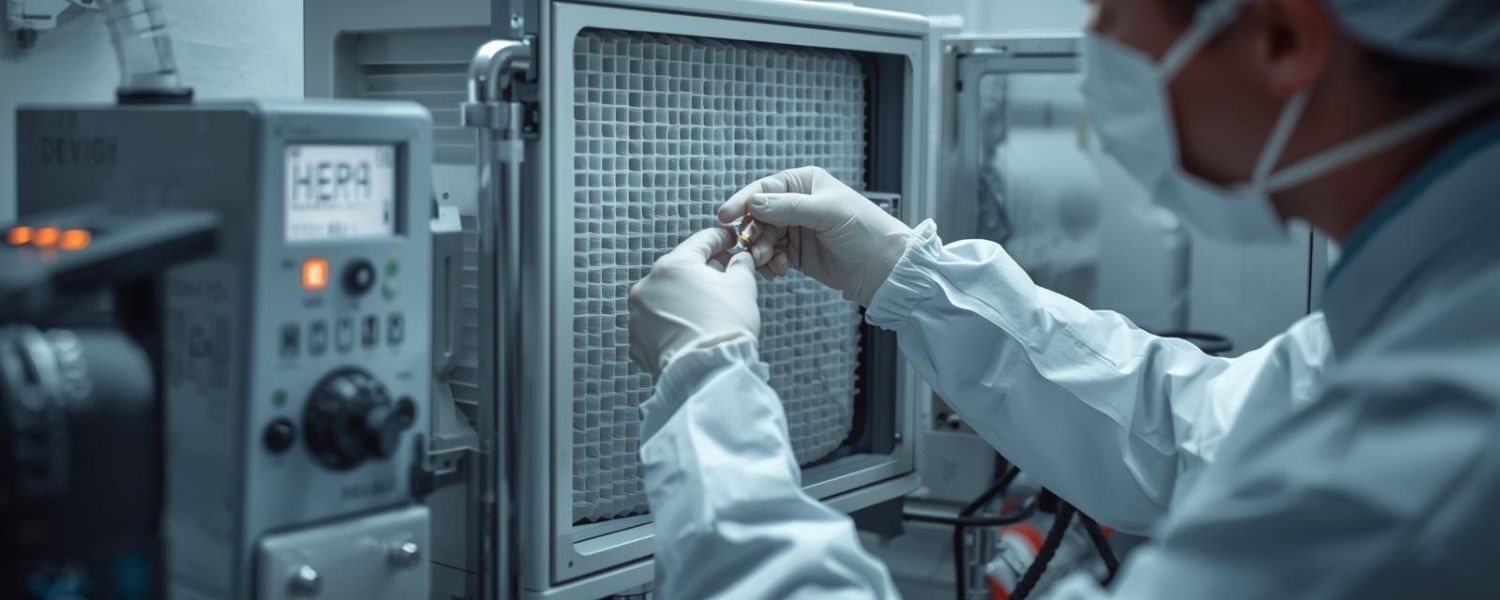
The most common method is aerosol challenge testing, sometimes called a DOP test (using dioctyl phthalate or a substitute aerosol). A fine aerosol is introduced upstream of the filter, and a photometer or particle counter is used to scan the downstream face of the filter systematically. Any spike in particle concentration indicates a leak point.
Testing also involves:
- Seal and frame inspection — checking for physical gaps between the filter and its housing
- Pressure drop measurement — confirming airflow resistance is within expected parameters
- Airflow volume verification — ensuring the system is delivering the correct volume of filtered air
HEPA Filter Testing Standards
Professional HEPA filter testing follows established HEPA filter testing standards from organisations such as:
- ISO 14644 — cleanroom and controlled environment standards
- EN 1822 — European standard for high-efficiency air filters
- IEST-RP-CC034 — HEPA and ULPA filter leak testing recommended practice
- ASHRAE 52.2 — air filter testing for HVAC applications
These standards define exactly how testing should be performed, what equipment should be used, and what results are acceptable. Facilities in healthcare, pharmaceuticals, and other regulated industries are often required to demonstrate compliance with these standards during inspections and audits.
Without proper HEPA filter integrity testing, there is no reliable way to confirm that your filtration system is actually protecting the environment as intended.
When HEPA Filters Need Replacement
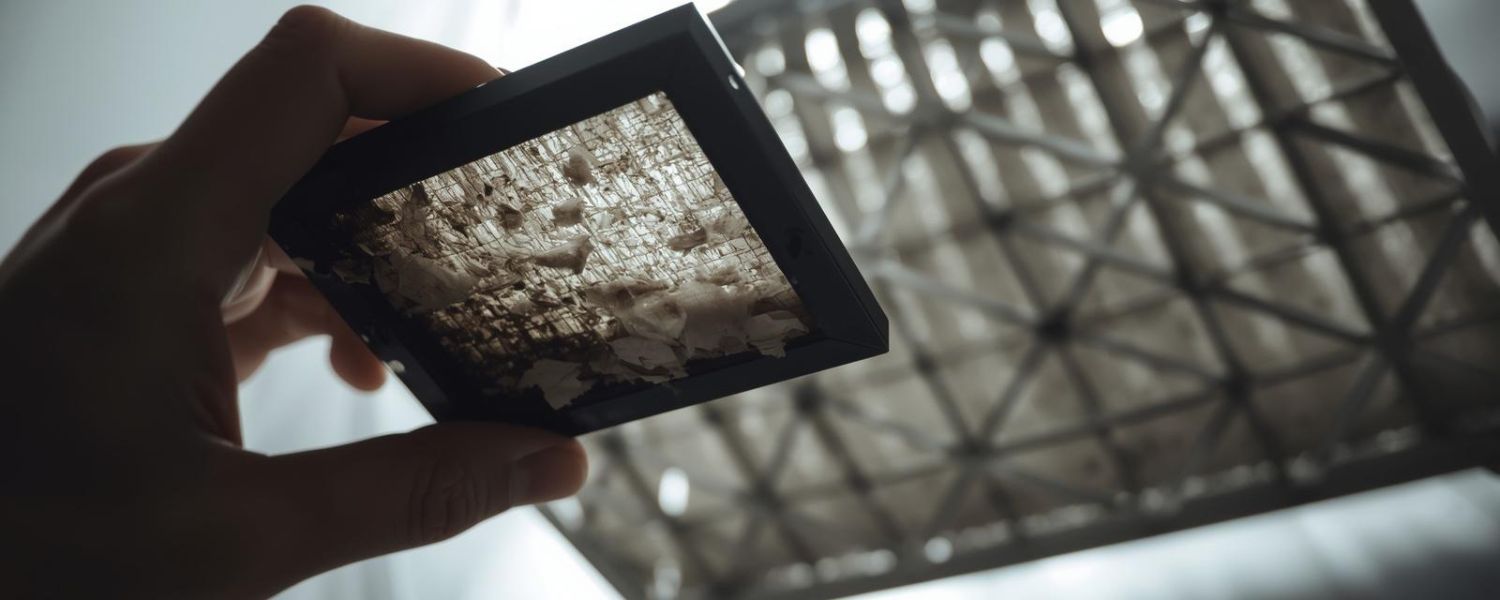
HEPA filters do not last forever. Over time, they accumulate particles, their pressure drop increases, and their efficiency can be compromised. Knowing when to replace a filter is just as important as knowing how to test it.
Signs That a HEPA Filter Needs Replacement
Reduced airflow: As the filter loads with captured particles, it becomes harder for air to pass through. If airflow drops noticeably in a room or system, the filter may be too full to allow adequate ventilation.
Increased pressure drop: All filters are rated for a specific pressure drop range. When the pressure drop across the filter exceeds the recommended maximum, it signals that the filter is near the end of its service life.
Failed integrity test: If a HEPA filter fails a leak test even if it has not been in service very long it must be replaced immediately. A failed filter in a cleanroom, hospital, or laboratory is not something that can be patched and reused.
Visible contamination or damage: Physical damage to the filter media, frame, or sealant is grounds for immediate HEPA air filter replacement, regardless of test results.
Scheduled replacement intervals: Many facilities follow a fixed replacement schedule based on manufacturer recommendations and system usage. High-traffic or heavily contaminated environments may require more frequent changes.
Timely HEPA filter replacement is not about being cautious it is about maintaining the performance that the environment depends on. Waiting too long can compromise air quality, increase energy consumption, and put people and processes at risk.
HEPA Filters in Air Purifiers and Ventilation Systems
HEPA filtration is not limited to industrial or clinical settings. It is also widely used in residential and commercial air purification products, and the principles of maintenance apply equally in these contexts.
Residential Air Purifiers
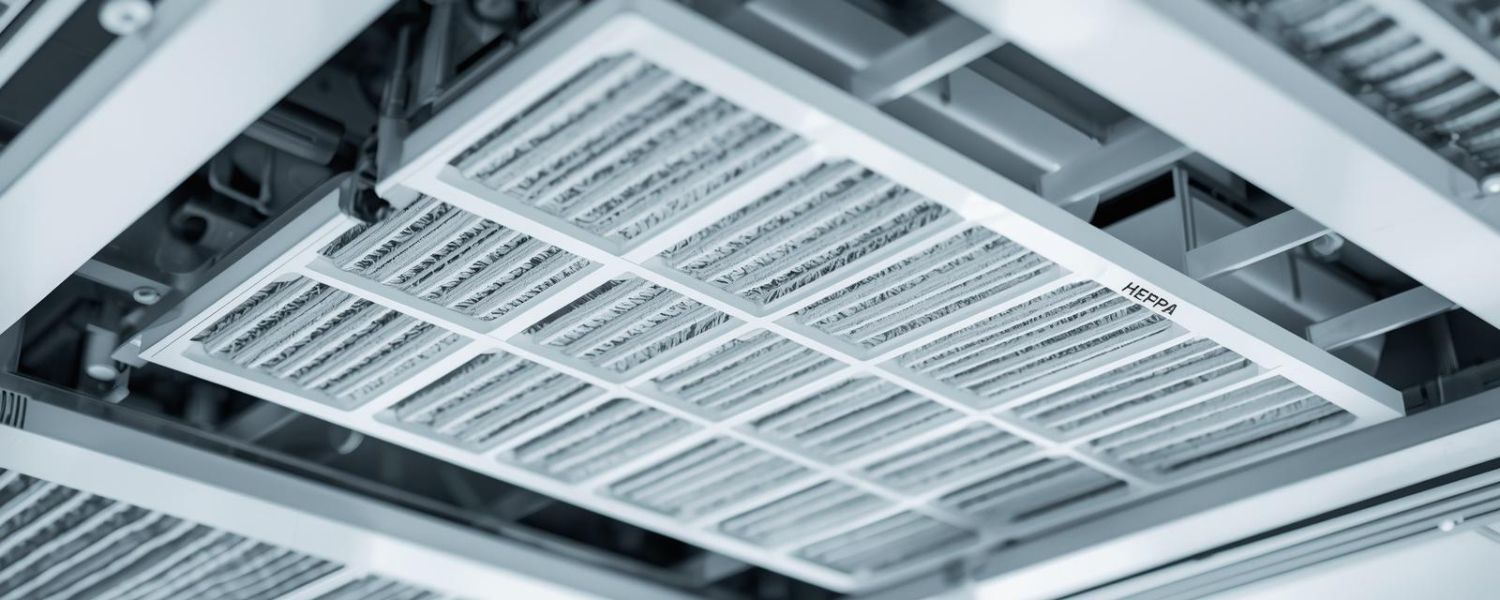
Home air purifiers with HEPA filters are popular for managing allergies, asthma, and general indoor air quality. These units draw room air through the filter and return clean air to the space. Over time, the filter captures enough dust, pollen, and pet dander that airflow decreases and efficiency drops. Most manufacturers recommend HEPA air purifier filter replacement every 12 to 18 months, though households with pets or high dust levels may need more frequent changes.
Healthcare Air Purification Systems
In hospitals and clinics, portable HEPA air purifiers are used in patient rooms, waiting areas, and treatment spaces especially during infectious disease outbreaks or construction work. These units are subjected to much heavier contamination loads, and air purifier HEPA filter replacement schedules in healthcare settings are typically stricter than residential guidelines.
Industrial and HVAC Filtration
In commercial buildings and industrial facilities, HEPA filters are integrated into central HVAC systems. These installations require professional servicing, including filter replacement under controlled conditions to avoid releasing captured contaminants back into the environment during the changeout process.
Regardless of the application, proper maintenance including timely filter replacement and regular system checks is what keeps HEPA filtration delivering the air quality it promises.
Don’t Let Air Quality Issues Impact Your Facility – Ensure HEPA Filter Performance Today!
HEPA filters are essential for maintaining clean air, but their effectiveness depends on regular testing, maintenance, and timely replacement. Achieving optimal air quality requires more than just installing a filter — it requires the right tools, methodology, and expertise. Ensure your filtration system is performing at its best by scheduling professional HEPA filter testing and replacement services today.
Our team of certified specialists is ready to assess your filters’ integrity, identify potential issues, and ensure compliance with the highest standards. From aerosol testing to filter replacements, we have the expertise to keep your facility safe and air quality at its best.
Schedule your HEPA filter testing and replacement service today!
Frequently Asked Questions
What is a HEPA filter used for?
HEPA filters are used to remove microscopic airborne particles including dust, pollen, mould spores, bacteria, and some viruses. They are commonly found in healthcare facilities, laboratories, pharmaceutical cleanrooms, HVAC systems, and home air purifiers where clean, particle-free air is essential.
How efficient are HEPA filters?
True HEPA filters remove at least 99.97% of particles at 0.3 microns in size the most difficult particle size to capture. For larger and smaller particles, efficiency is actually higher. This level of filtration is critical for controlled environments where even tiny contaminants can cause harm.
Why is HEPA filter testing important?
Even a correctly installed HEPA filter can have undetected leaks in the media, frame, or sealant. Testing ensures that the filter is properly sealed and functioning according to established HEPA filter testing standards. Without testing, there is no way to confirm the filter is actually protecting the environment.
How often should HEPA filters be replaced?
Replacement frequency depends on the application, usage intensity, and contamination load. Residential air purifiers typically need filter replacement every 12 to 18 months. Healthcare and industrial systems follow stricter schedules and must replace filters whenever integrity tests fail or pressure drop exceeds acceptable limits.
Conclusion – Maintaining Air Quality with HEPA Filtration
HEPA filters play a vital role in protecting people, processes, and environments from airborne contamination. Their ability to capture 99.97% of particles at 0.3 microns makes them one of the most reliable filtration technologies available, but only when they are properly installed, regularly tested, and replaced at the right time.
Regular integrity verification ensures filters are performing as expected and identifies any failures before they cause problems. Timely replacement prevents reduced airflow, increased pressure drop, and compromised air quality. Together, these practices keep HEPA filtration systems running efficiently and reliably.
For any organisation operating in a regulated or sensitive environment, investing in professional HEPA filter testing and replacement services is not an optional expense—it is a fundamental part of maintaining safe, compliant, and clean indoor air. Similarly, investing in the best digital marketing services is crucial to ensuring your business thrives in today’s competitive digital world.


Leave A Comment