
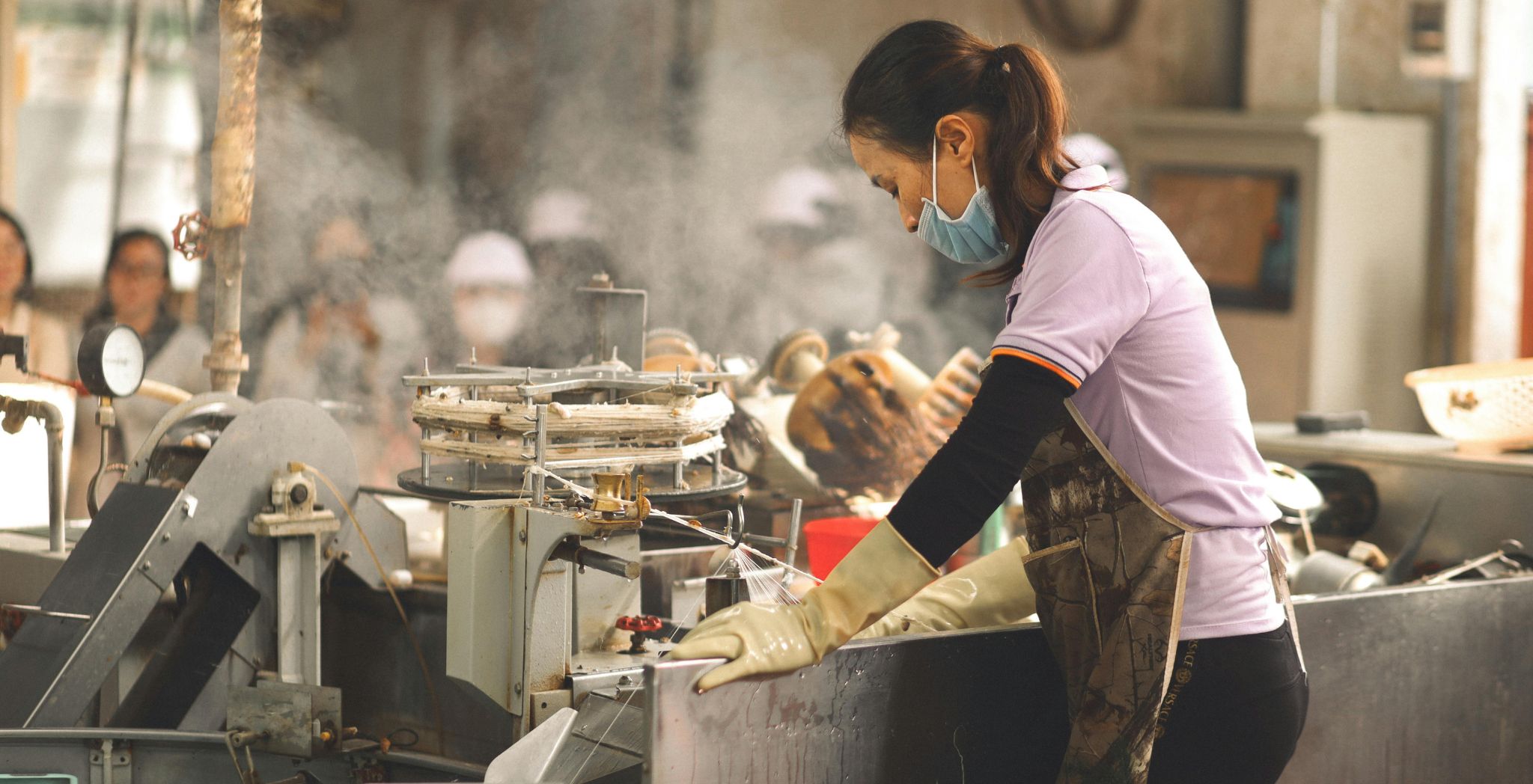
Every day, millions of workers across the United States show up to jobs that quietly put their health at risk. Whether it is a factory floor filled with chemical fumes, a construction site thick with dust, or a laboratory handling hazardous materials, the invisible dangers in the workplace are very real. This is where industrial hygiene comes in.
Industrial hygiene is the science of protecting workers from health hazards in their work environment. It is about identifying what can harm people at work and then doing something about it before someone gets sick or injured. The field has been around for over a century, and it continues to grow as workplaces become more complex and regulations more demanding.
Understanding industrial hygiene is not just important for safety managers or company executives. It matters for every worker who has the right to a safe and healthy workplace. In this blog, we will break down what industrial hygiene is, its core principles, real-world examples, and why it matters for your business.
Health System Sciences LLC is a trusted provider of industrial hygiene services, helping businesses across New Mexico and beyond identify hazards, meet compliance standards, and protect their most valuable asset their people.
What is Industrial Hygiene?
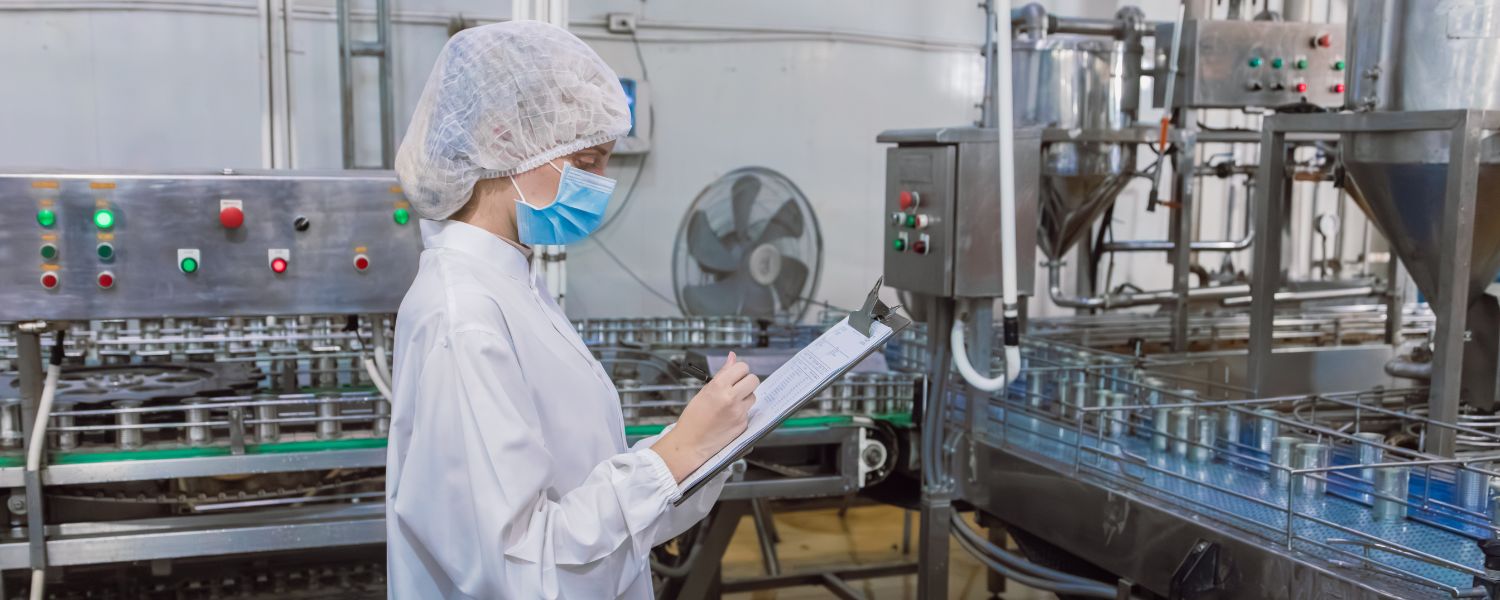
At its core, industrial hygiene is the practice of anticipating, recognizing, evaluating, and controlling workplace conditions that may cause workers to become sick or injured. The American Industrial Hygiene Association (AIHA) defines it as the science devoted to the anticipation, recognition, evaluation, and control of environmental factors arising in or from the workplace.
In simpler terms, industrial hygienists are the professionals who walk into a workplace and ask: What could harm the people working here? How bad is it? And what can we do to fix it?
Industrial hygiene covers a wide range of hazards. These include chemical hazards like toxic gases, fumes, and solvents. They also include physical hazards such as extreme noise, heat, radiation, and vibration. Biological hazards like mold, bacteria, and viruses fall under this umbrella too, along with ergonomic hazards that cause strain or injury from repetitive motion or poor workstation design.
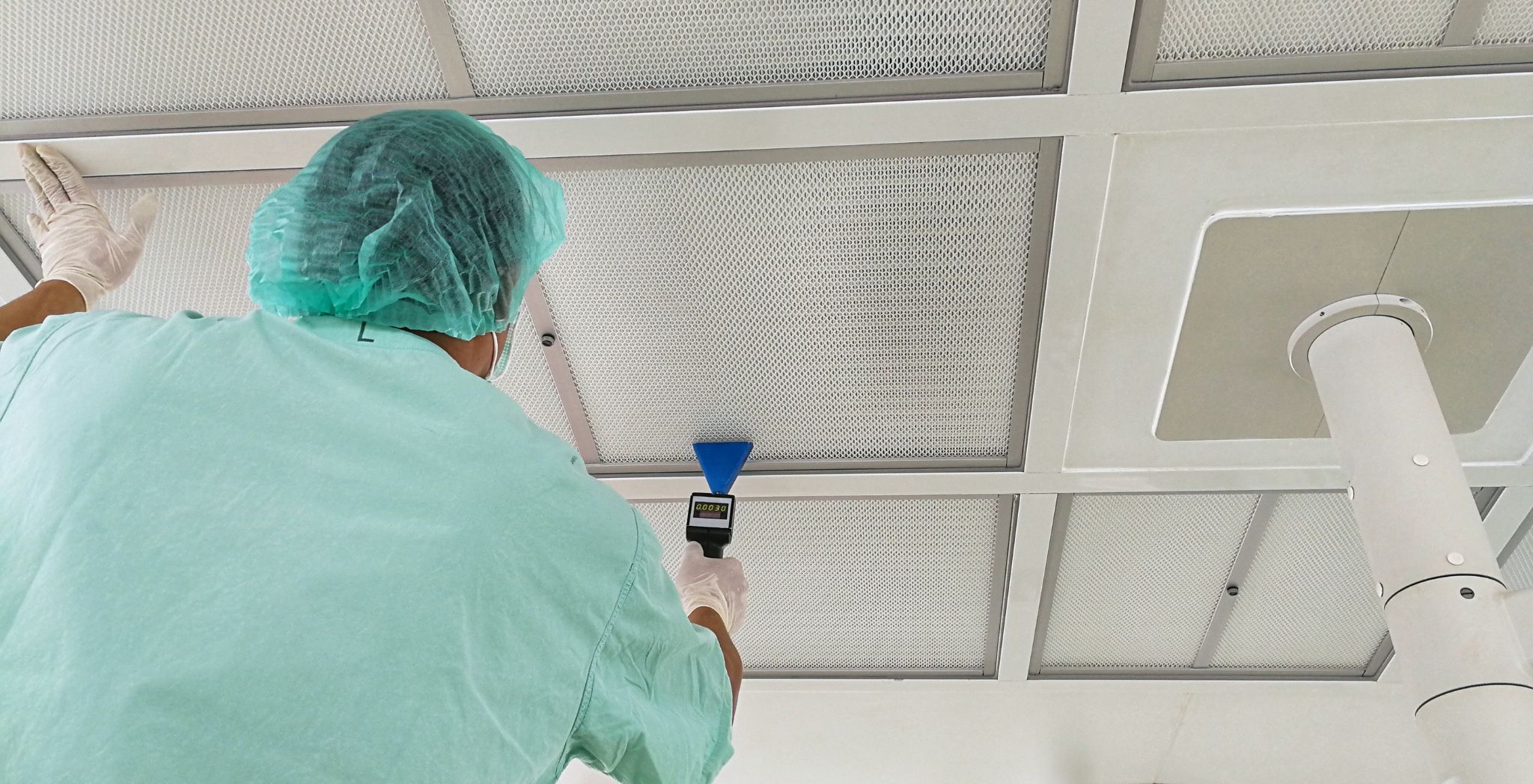
The field is deeply rooted in science. Industrial hygienists use air sampling equipment, noise dosimeters, wipe sampling kits, and other specialized tools to measure how much of a hazard workers are actually being exposed to. They then compare those numbers to established exposure limits set by organizations like OSHA (Occupational Safety and Health Administration) and NIOSH (National Institute for Occupational Safety and Health).
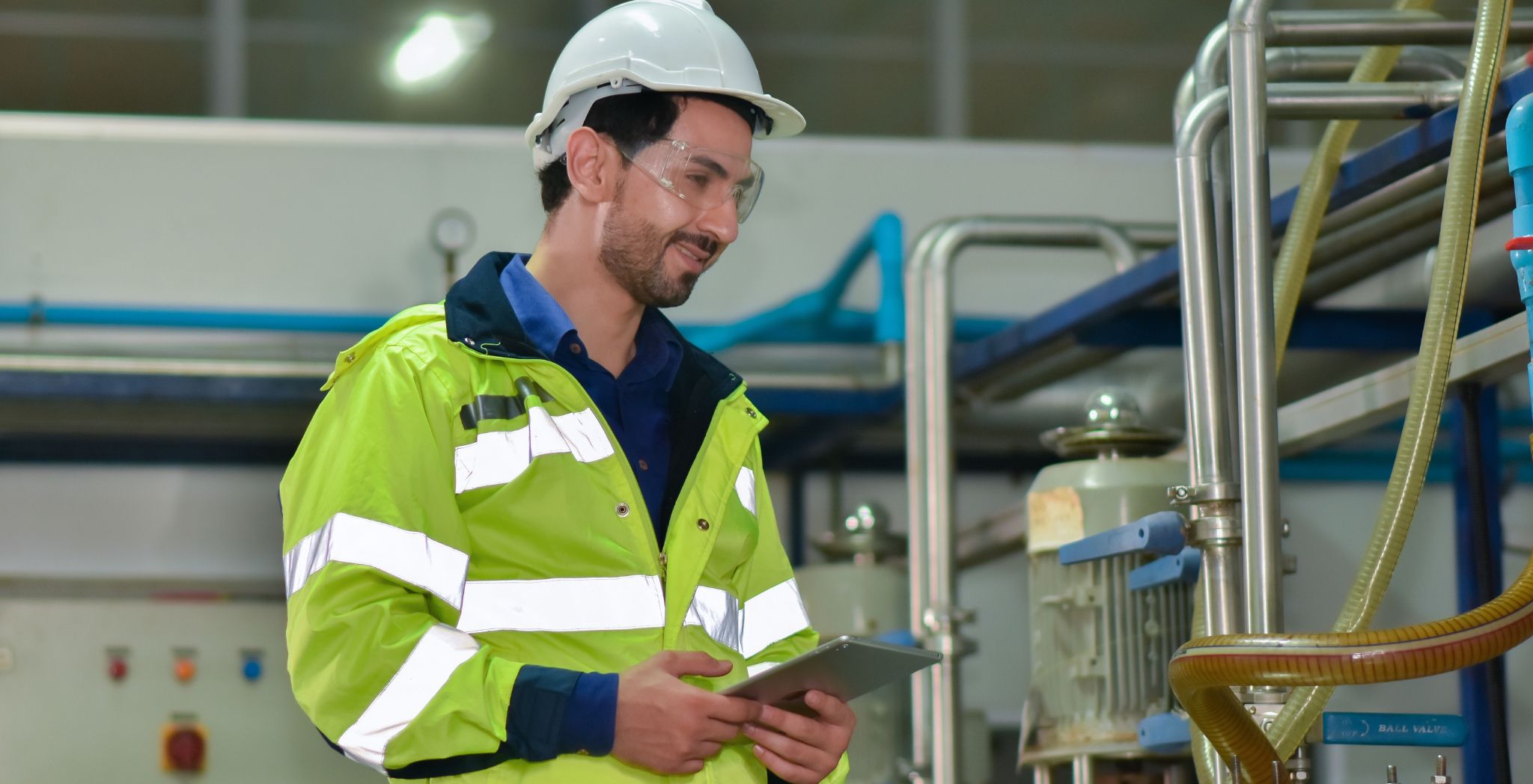
Industrial hygiene services play a critical role in helping companies go beyond guesswork. Instead of assuming a workplace is safe, professional assessments provide hard data that tells the real story. This is especially important in industries like manufacturing, mining, construction, and healthcare, where hazard exposure is part of daily work.
Health System Sciences LLC offers comprehensive industrial hygiene consulting to help organizations understand their risk profile and take practical steps to protect their workforce.
The Four Principles of Industrial Hygiene
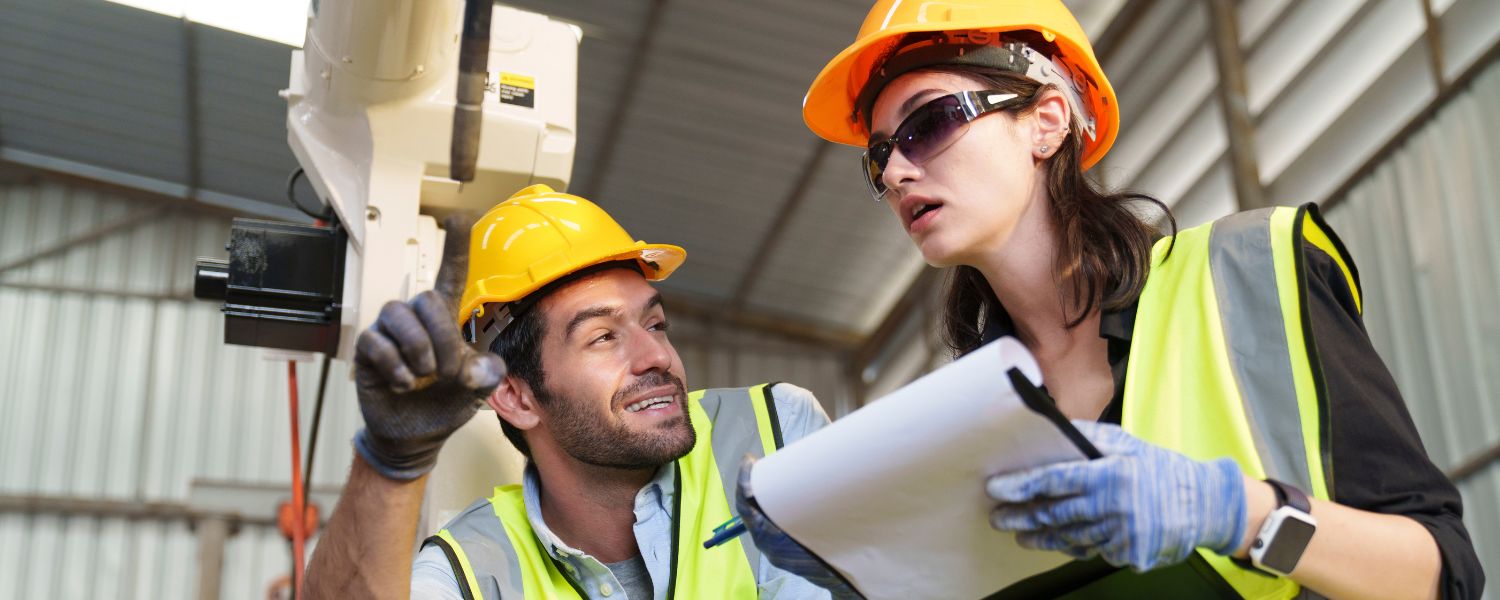
Industrial hygiene is built on four core principles. These principles guide how industrial hygienists approach every workplace assessment and hazard management plan. Understanding them gives you a clear picture of how the process actually works.
- Anticipation
This is the first step, and it happens before a worker ever sets foot in a potentially dangerous environment. Anticipation means predicting what hazards are likely to exist in a specific workplace or during a specific task. Industrial hygienists review the chemicals used, the processes involved, the layout of the facility, and any historical incident data to forecast what risks may be present.
For example, before a company introduces a new cleaning chemical into their facility, an industrial hygienist would research its composition, review the safety data sheet, and anticipate how workers might be exposed and what health effects could result.
- Recognition
Once potential hazards are anticipated, the next step is recognizing them in the real workplace. This involves physically walking through the work environment, observing work practices, talking to employees, and identifying where and how hazards actually exist.
Recognition requires both technical knowledge and sharp observational skills. An experienced hygienist can spot ventilation problems, notice when workers are not using proper protective equipment, or identify storage practices that create unnecessary chemical exposure risks.
- Evaluation
After hazards are recognized, they must be measured. Evaluation involves using scientific instruments and sampling methods to determine the extent of the hazard and whether it exceeds safe exposure limits. This might mean collecting air samples over an eight-hour shift to measure dust levels, using a sound level meter to record noise exposure, or taking surface wipe samples to detect lead contamination.
The data collected during evaluation forms the foundation of any corrective action. Without it, decisions about controls are based on opinion rather than evidence. Industrial hygiene consulting services help businesses conduct proper evaluations that hold up to regulatory scrutiny.
- Control
This is where the science turns into action. Control means putting measures in place to eliminate or reduce the hazard to an acceptable level. Controls are typically ranked in a hierarchy, starting with the most effective options.
Elimination or substitution comes first — removing the hazard entirely or replacing a dangerous chemical with a safer one. Engineering controls come next, such as installing local exhaust ventilation to capture fumes at the source. Administrative controls follow, including rotating workers to reduce exposure time or implementing safe work procedures. Finally, personal protective equipment (PPE) like respirators, gloves, and hearing protection serves as the last line of defense when other controls are not fully effective.
Common Examples of Industrial Hygiene
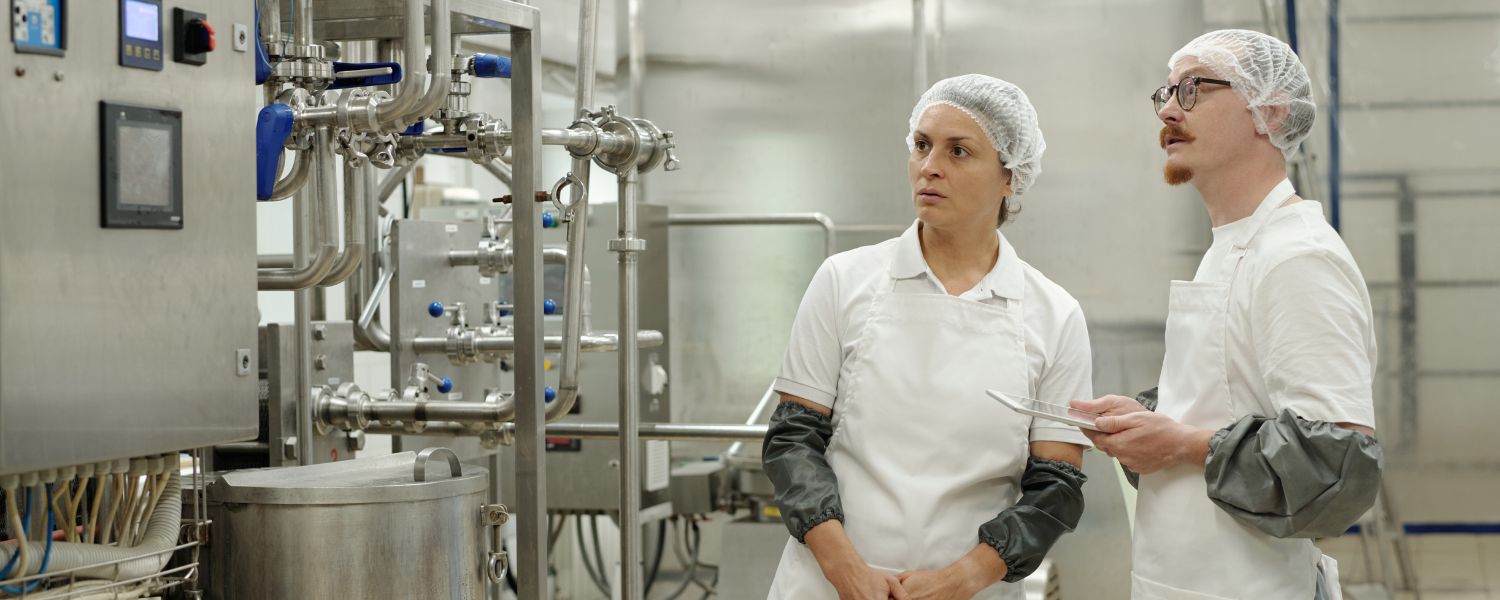
Industrial hygiene shows up in workplaces across every industry. Here are some of the most common real-world applications.
Air Quality Monitoring
In facilities that use paints, adhesives, solvents, or other chemical products, toxic fumes can build up in the air without anyone realizing it. Air quality monitoring involves collecting samples from the breathing zones of workers and analyzing them in a laboratory to determine what chemicals are present and at what concentrations. This type of assessment is common in automotive shops, print facilities, chemical plants, and laboratories.
Noise Testing
Hearing loss is one of the most common occupational injuries in the United States, and it is entirely preventable. Noise testing measures how loud a workplace is and how long workers are exposed to those sound levels. Construction sites, manufacturing floors, and agricultural operations are frequent candidates for noise assessments. Results help determine whether engineering controls like barriers or enclosures are needed, or whether workers require hearing protection.
Chemical Sampling
Industrial hygiene sampling is used to detect the presence of hazardous substances in the workplace. Lead, asbestos, silica, and heavy metals are among the most common targets. Sampling can be done through air collection, surface wipes, or bulk material analysis. It is especially critical during renovation or demolition projects where disturbing old building materials can release dangerous particles into the air.
These examples illustrate how industrial hygiene services are not just theoretical they are practical tools that directly protect worker health every single day.
Why Industrial Hygiene is Crucial for Workplace Safety

The importance of industrial hygiene goes far beyond checking boxes on a compliance form. It is about protecting real people from real harm.
Many workplace illnesses develop slowly over years of low-level exposure. Conditions like occupational asthma, chronic obstructive pulmonary disease, noise-induced hearing loss, and various forms of cancer have all been linked to workplace hazards. By the time symptoms appear, significant and sometimes irreversible damage may already be done. Industrial hygiene testing helps catch these problems early, before they become life-altering diagnoses.
From a regulatory standpoint, OSHA mandates that employers provide a workplace free from recognized hazards. Failing to comply with exposure limits and safety standards can result in costly fines, legal liability, and reputational damage. Industrial hygiene testing provides the documentation businesses need to demonstrate compliance and defend themselves against claims.
Industries that benefit most from industrial hygiene programs include manufacturing, construction, oil and gas, healthcare, agriculture, mining, and laboratory environments. But the truth is, nearly any workplace can have hidden hazards that go undetected without professional assessment.
Beyond legal compliance, there is also a strong business case. Healthier workers mean lower absenteeism, reduced workers’ compensation claims, higher productivity, and better employee morale. A safe workplace is a productive workplace.
How Industrial Hygiene Consulting Services Can Benefit Your Business
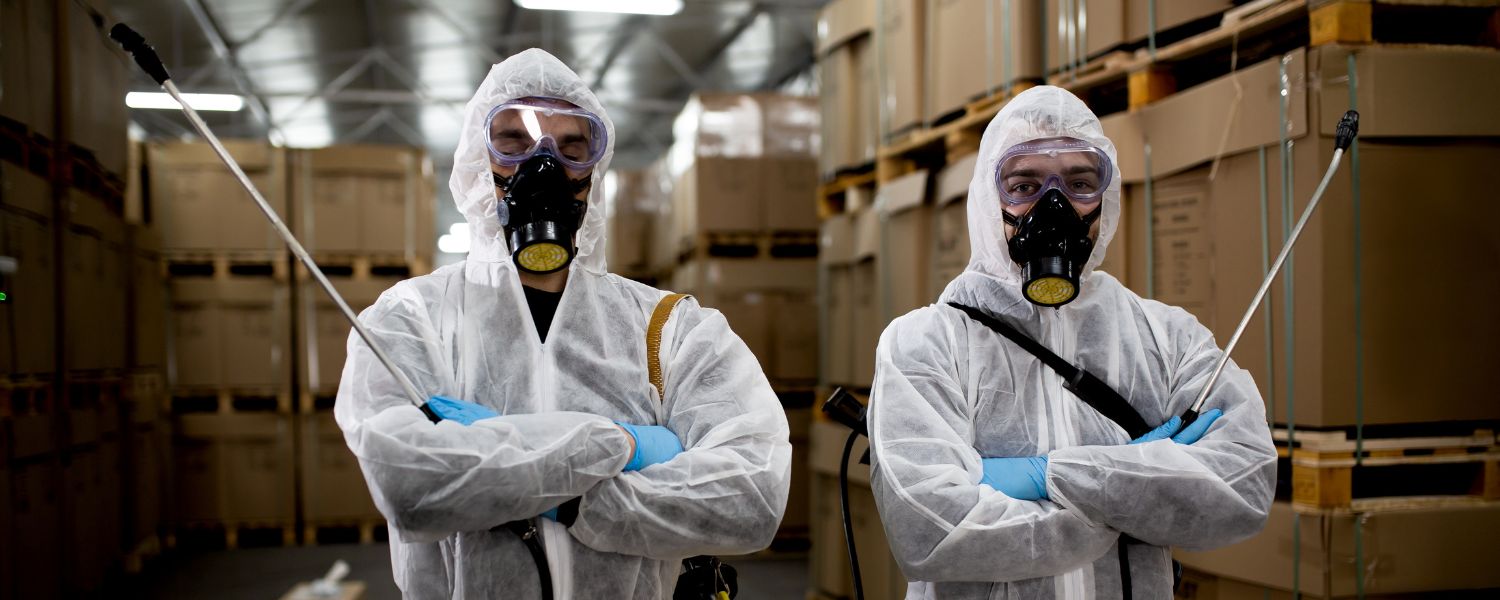
Many companies recognize that workplace safety matters but do not have the in-house expertise to conduct thorough hazard assessments. This is where professional consultation makes a meaningful difference.
Health System Sciences LLC provides expert industrial hygiene consulting services tailored to the specific needs of your industry and workplace. Their team conducts comprehensive workplace assessments to identify chemical, physical, biological, and ergonomic hazards, measure exposure levels, and recommend practical control strategies.
Working with one of the most reliable industrial hygiene assessment companies in New Mexico means you get data-driven insights rather than guesswork. You also get help developing written programs, training materials, and monitoring schedules that keep your workplace compliant over time.
Perhaps most importantly, continuous monitoring is not a one-time task. Workplaces change. New chemicals get introduced. Processes are modified. Regulations evolve. Having a trusted partner who stays current with those changes ensures your safety program does not fall behind.
Ensure a Safe and Compliant Workplace with Industrial Hygiene Assessments
Workplace health hazards can go unnoticed until it’s too late. Protect your team and stay compliant with our expert industrial hygiene assessments.
Health System Sciences LLC offers comprehensive assessments to identify risks and implement controls tailored to your business needs. Don’t wait for exposure to become a problem—act now.
Frequently Asked Questions (FAQ)
What are the 4 principles of industrial hygiene?
The four principles are Anticipation, Recognition, Evaluation, and Control. These guide how industrial hygienists identify and manage workplace health hazards from start to finish.
What are examples of industrial hygiene?
Common examples include air quality monitoring for toxic fumes and gases, noise testing to prevent hearing damage, chemical sampling for substances like lead or asbestos, and ergonomic assessments to reduce strain injuries.
What are the five areas of industrial hygiene?
The five main hazard categories are chemical hazards, physical hazards, biological hazards, ergonomic hazards, and psychological hazards. A comprehensive industrial hygiene program addresses all five.
Why is industrial hygiene important?
It protects workers from long-term health damage, helps companies meet OSHA and EPA regulatory requirements, reduces legal and financial risk, and creates a safer and more productive workplace overall.
Where should I get an industrial hygiene assessment in New Mexico?
Health System Sciences LLC offers professional industrial hygiene assessments across New Mexico. Their experienced team provides thorough evaluations, regulatory guidance, and actionable recommendations to protect your workforce and your business.
Conclusion
Industrial hygiene is not a luxury reserved for large corporations or high-risk industries. It is a fundamental responsibility that every employer owes to the people who show up to work each day. From anticipating hazards before they occur to implementing controls that protect health, the principles of industrial hygiene form the backbone of a truly safe workplace.
Whether your business is just getting started with safety planning or looking to strengthen an existing program, having the right expertise by your side makes all the difference.
Contact us today to schedule an industrial hygiene assessment and take the first step toward a safer, healthier, and fully compliant workplace. Your workers deserve nothing less.


Leave A Comment