
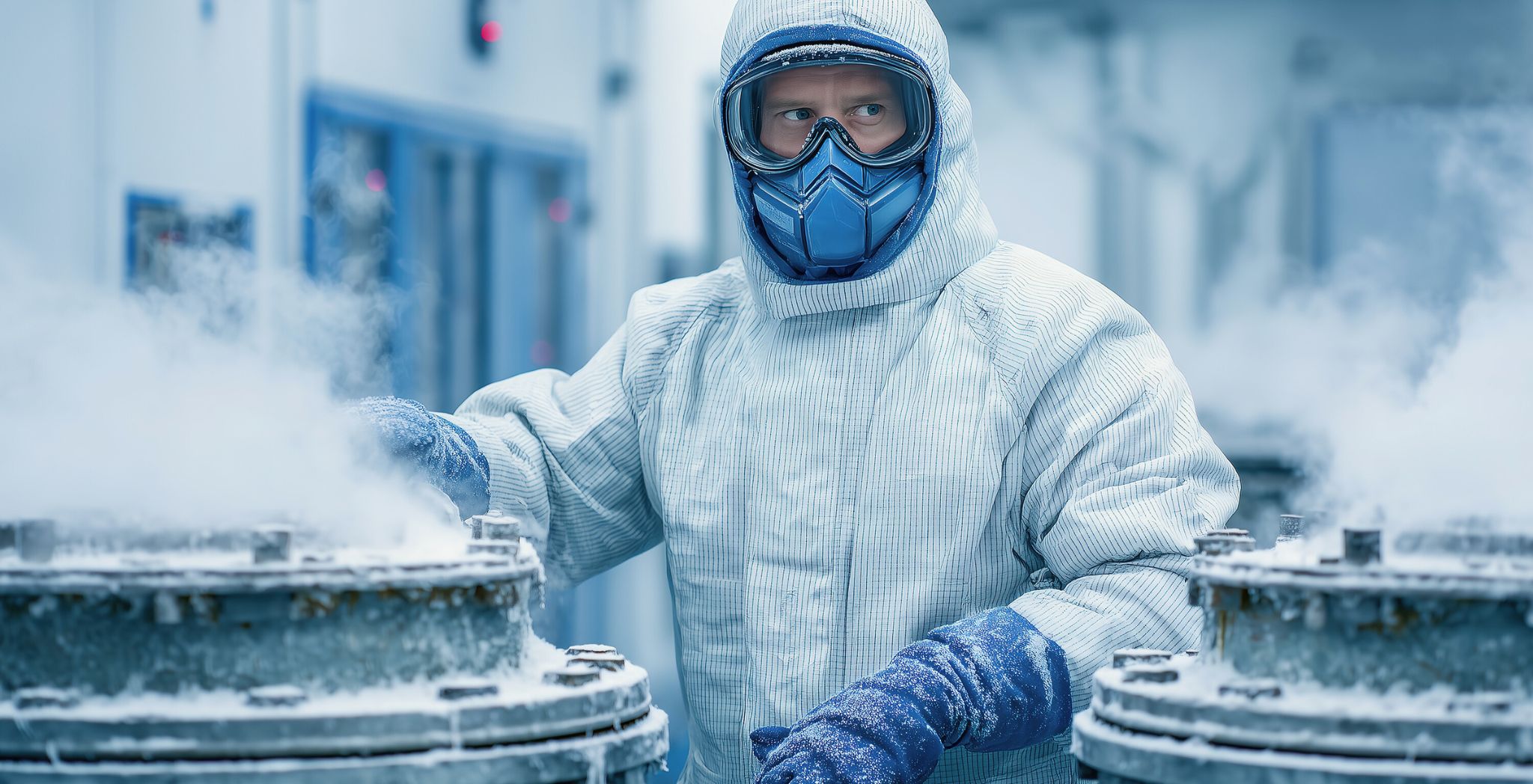
Air Filtration System, In recent years, the air we breathe has moved from a background concern to a frontline priority. Whether it is a high-rise office building, a busy hospital, or a manufacturing plant, the quality of indoor air directly impacts human health, cognitive performance, and operational safety. At the heart of this priority is the air filtration system.
While we often take the air around us for granted, indoor environments can be up to five times more polluted than outdoor environments. An effective air filtration system acts as a shield, removing invisible threats and ensuring that the air circulating within a building is clean, safe, and compliant with modern health standards. This blog explores everything you need to know about air filtration systems, from how they function to why they are indispensable for modern facilities.
What Is an Air Filtration System?
An air filtration system is a device or a network of components designed to remove solid particulates and biological contaminants from the air. These systems are typically integrated into a building’s Heating, Ventilation, and Air Conditioning (HVAC) unit or operate as standalone industrial units.
The primary goal of an air filtration system is to “scrub” the air by trapping dust, pollen, mold, bacteria, and virus-carrying droplets before they can be inhaled by occupants. By implementing advanced indoor air quality solutions, facility managers can create environments that support the well-being of employees and visitors alike.
How Air Filtration Systems Work
The science behind air filtration is more complex than just a simple “sieve.” Most systems use a combination of mechanical processes to capture particles of varying sizes:
- Sieving: Larger particles are trapped because they are bigger than the gaps in the filter media.
- Impaction: Mid-sized particles collide with the filter fibers and become stuck.
- Interception: Smaller particles follow the airstream but graze the fibers and adhere to them.
- Diffusion: The smallest particles (like viruses) move in erratic patterns, increasing the likelihood that they will hit a fiber and stay there.
By utilizing these four methods, a high-quality industrial air filtration system can maintain high efficiency even when dealing with microscopic pollutants that are invisible to the naked eye.
Types of Air Filtration Systems Used in Commercial Buildings
Commercial spaces have diverse needs, leading to the development of various filtration technologies:
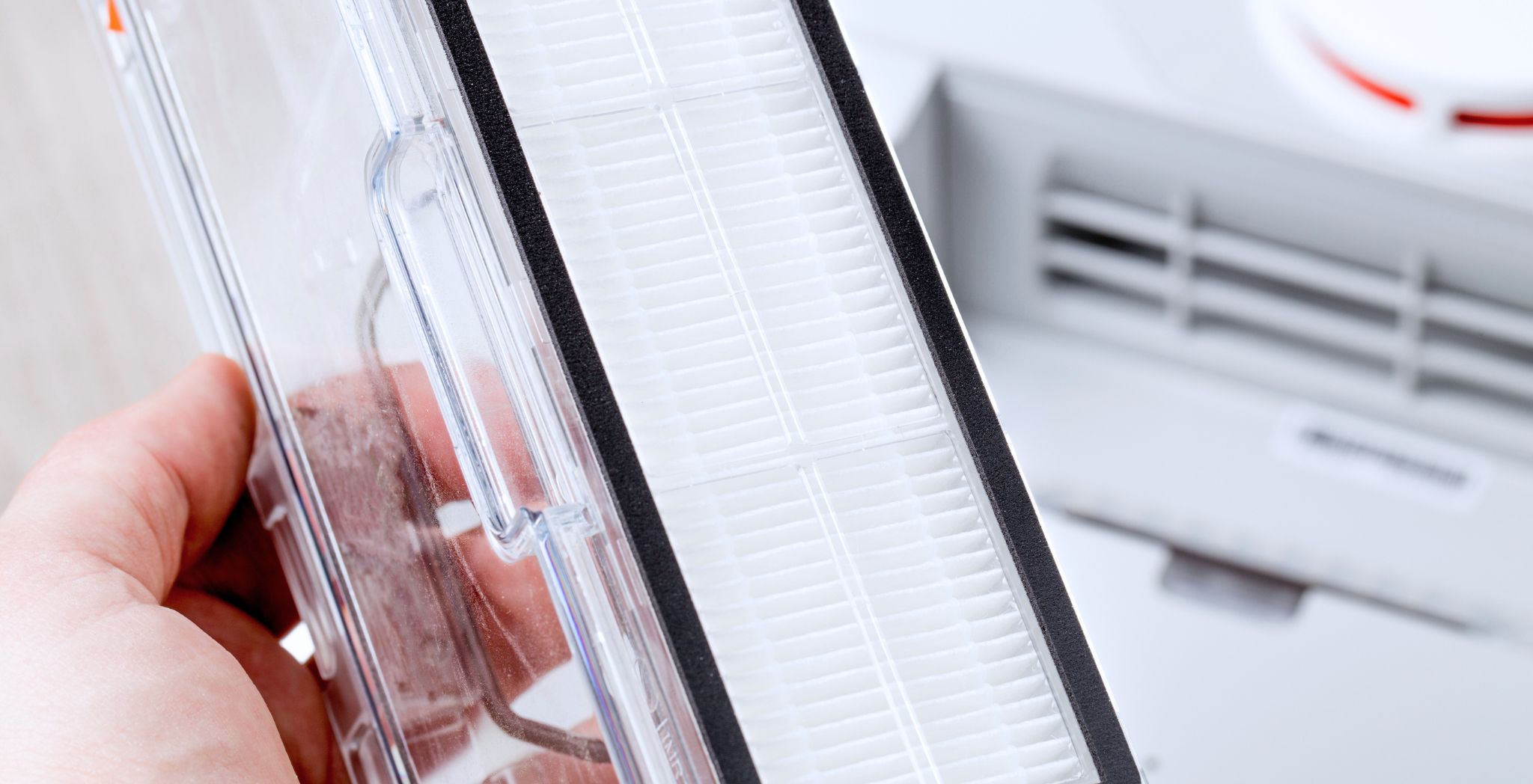
- Pleated Filters: These are the standard in most commercial air filtration system setups. The folds increase the surface area, allowing for better particle capture without significantly restricting airflow.
- HEPA Filters: High-Efficiency Particulate Air (HEPA) filters are the gold standard. They are rated to trap 99.97% of particles as small as 0.3 microns.
- Bag Filters: Often used in large industrial settings, these look like long pockets and provide high dust-holding capacity.
- Carbon Filters: Specifically designed to remove odors and Volatile Organic Compounds (VOCs) through a process called adsorption.
Integrating clean air systems for buildings often requires a “staged” approach, where a low-cost pre-filter catches large dust, and a high-efficiency filter handles the microscopic threats.
Why Air Filtration Systems Are Critical for Indoor Air Quality
The importance of a robust air filtration system cannot be overstated. We spend roughly 90% of our lives indoors. If the air in those spaces is stagnant or dirty, it leads to “Sick Building Syndrome,” characterized by headaches, fatigue, and respiratory issues among occupants.
Furthermore, indoor air filtration is a key component of building value. Modern tenants and employees now expect high standards of environmental health. A building that prioritizes clean air is seen as a safer, more professional environment, leading to higher retention rates and better overall productivity.
Common Air Contaminants Removed by Filtration Systems
A professional-grade facility air filtration systems setup is designed to target a wide spectrum of contaminants, including:
- Biological Pollutants: Mold spores, bacteria, and viruses.
- Allergens: Pollen, pet dander, and dust mites.
- Particulate Matter (PM): Smoke, soot, and fine dust from construction or outdoor pollution.
- Chemical Vapors: Formaldehyde from furniture or fumes from cleaning supplies.
By maintaining effective airborne contaminant control, facilities can significantly reduce the risk of cross-contamination and the spread of infectious diseases, which is particularly vital in densely populated office spaces.
Filtration Systems in Healthcare, Laboratories, and Industrial Facilities
In certain sectors, air filtration is not just a comfort feature it is a life-saving necessity. For example, air filtration for healthcare facilities requires specialized setups to protect immunocompromised patients and prevent the spread of airborne pathogens in surgical suites.
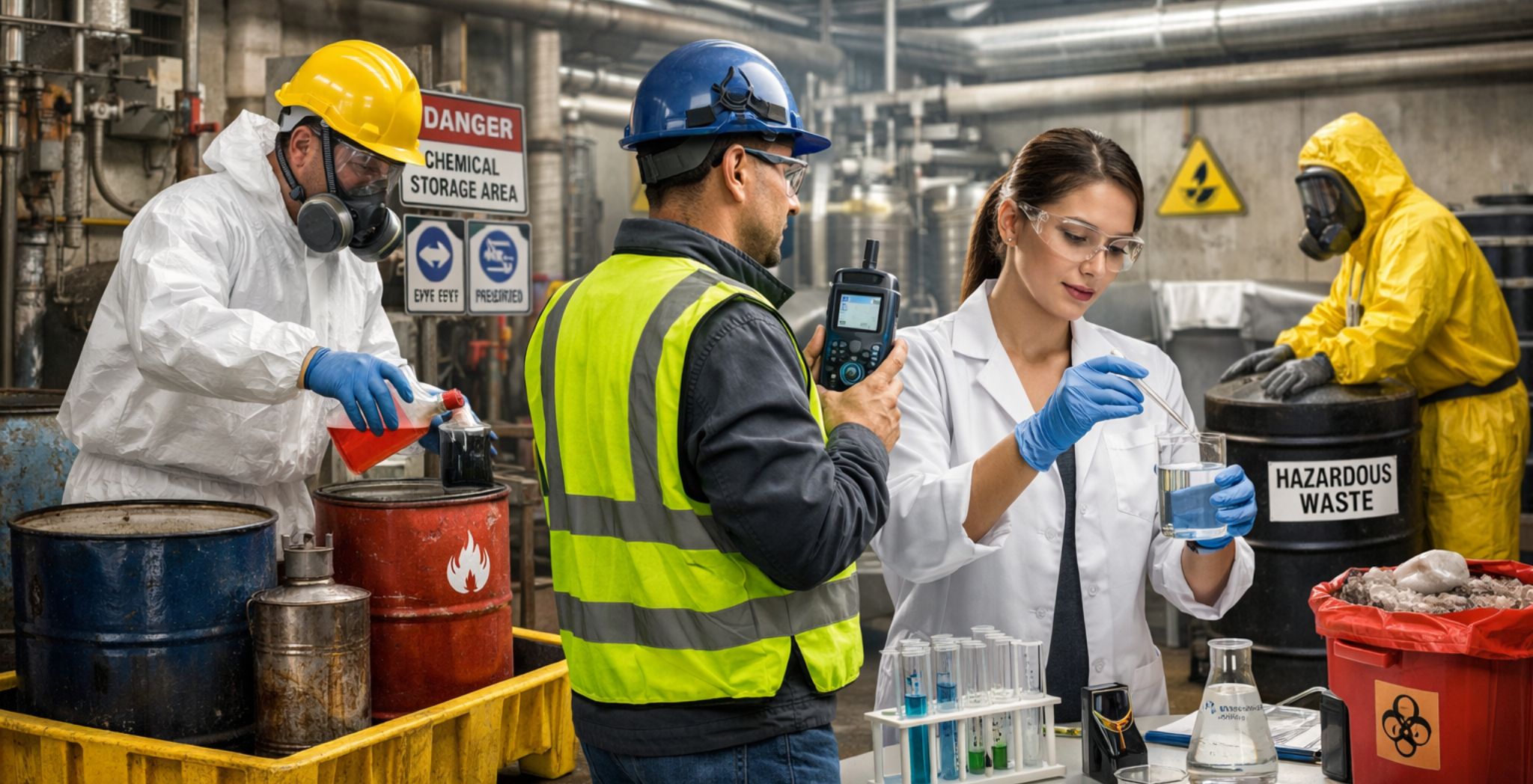
In laboratories and pharmaceutical manufacturing, even a single speck of dust can ruin a multi-million dollar experiment or batch of medicine. Therefore, these facilities rely on ultra-high-efficiency HEPA air filtration systems to maintain “Clean Room” standards. Similarly, in industrial plants, filtration systems protect workers from hazardous dust generated during grinding, welding, or chemical processing.
Air Filtration vs Air Purification: Key Differences
It is common to hear these terms used interchangeably, but they serve different roles. An air filtration system physically removes particles from the air by trapping them in a medium. This is the most effective way to reduce the “mass” of pollution in a room.
In contrast, air purification often involves “killing” or neutralizing contaminants. Technologies like UVGI (Ultraviolet Germicidal Irradiation) or PCO (Photocatalytic Oxidation) use light or ions to deactivate viruses or break down chemicals. While purification is a great additive, it rarely replaces the need for a physical filter to remove the “dead” matter and dust from the environment.
Air Filtration Compliance and Standards
For facility managers, air filtration is also a matter of law and regulation. Following air filtration compliance guidelines such as those set by ASHRAE (American Society of Heating, Refrigerating and Air-Conditioning Engineers) or the EPA is essential.
In the US, the MERV (Minimum Efficiency Reporting Value) rating system is the standard. Most commercial buildings are now being encouraged to move toward MERV 13 or higher to effectively capture viral nuclei. Staying compliant ensures that the building meets insurance requirements and avoids potential liability issues related to poor indoor environmental quality.
Choosing the Right Air Filtration System for Your Facility
Selecting the right system requires a balance between air quality goals and energy efficiency. A filter that is too “dense” may provide incredibly clean air but will force the HVAC fans to work harder, skyrocketing energy costs.
When choosing a system, consider:
- The Occupancy Type: Is it a high-traffic retail space or a low-traffic warehouse?
- Existing Infrastructure: Can your current HVAC system handle the pressure drop of a HEPA filter?
- Local Pollution: Is your building near a highway or industrial zone that requires more frequent filter changes?
Consulting with experts to tailor your indoor air filtration strategy ensures you get the best ROI while protecting the health of your building’s inhabitants.





Leave A Comment