
In today’s world, the quality of the air we breathe is a growing concern. From the microscopic particles in our homes to the industrial emissions outdoors, understanding and managing air quality is crucial. This is where environmental air monitoring methods come into play. These methods are essential for protecting our health, ensuring regulatory compliance, and maintaining safe environments across various industries.
Think about hospitals, where clean air is paramount for patients. Consider manufacturing plants, where workers’ exposure to specific compounds needs careful control. Even our own homes and offices benefit from knowing what’s in the air we breathe. Environmental air monitoring methods provide the tools and techniques to accurately detect and measure pollutants, giving us the information we need to act.
What is Environmental Air Monitoring?
At its core, environmental air monitoring is the process of measuring the presence and concentration of various pollutants in the air. It’s about taking a snapshot, or sometimes a continuous video, of the air around us to understand its composition. This isn’t just about spotting obvious smog; it’s also about detecting invisible gases and tiny particles that can have a big impact on our health.
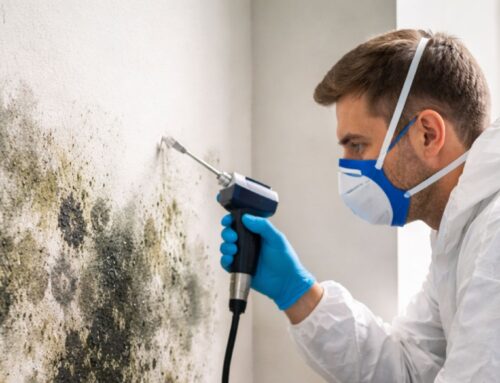
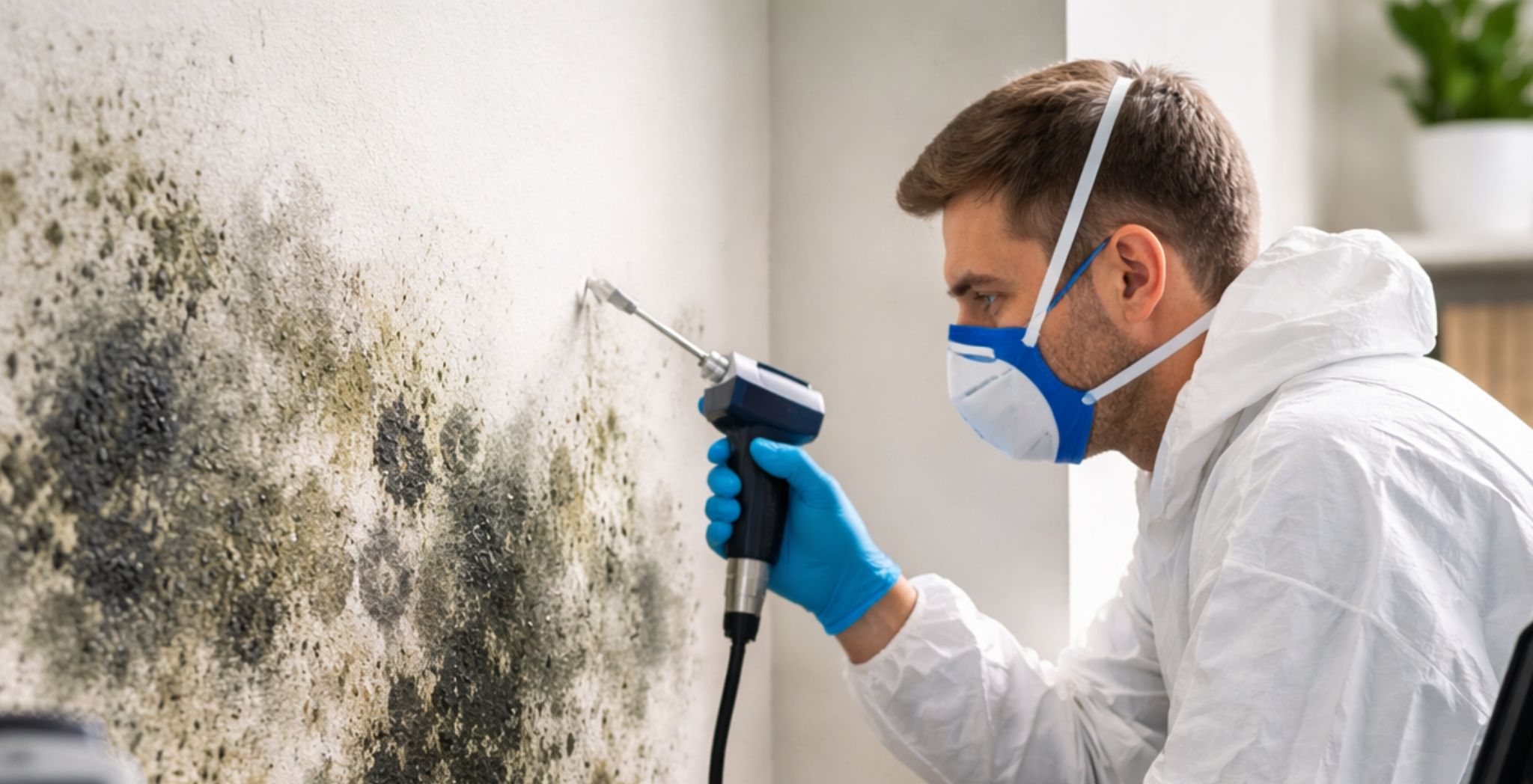
For instance, if you suspect issues like mold in your home or office, a Mold Investigation & Indoor Air Quality Assessment often involves using specific environmental air monitoring methods to identify airborne mold spores. This helps pinpoint the problem and guide solutions to ensure you have safe, clean air indoors.
Common Air Pollutants Measured in Environmental Monitoring
When we talk about environmental air monitoring methods, we’re often looking for a range of common pollutants. These can be grouped into a few main categories:
- Particulate Matter (PM2.5 and PM10): These are tiny solid or liquid particles suspended in the air. PM2.5 refers to particles smaller than 2.5 micrometers (think about 1/30th the width of a human hair), while PM10 includes particles up to 10 micrometers. Sources include dust, pollen, smoke, and industrial emissions.
- Volatile Organic Compounds (VOCs): These are gases emitted from certain solids or liquids, including paints, cleaning supplies, new furniture, and even some building materials. They can cause various health problems.
- Carbon Dioxide (CO2): While naturally present, high levels of CO2 indoors can indicate poor ventilation and lead to drowsiness or headaches. In industrial settings, it’s an important gas to monitor.
- Ozone (O3): Ground-level ozone is a harmful air pollutant formed when pollutants from cars and industrial facilities react in sunlight. It’s a key component of smog.
- Carbon Monoxide (CO): A colorless, odorless, and highly toxic gas produced by incomplete combustion, often from faulty furnaces or vehicle exhaust.
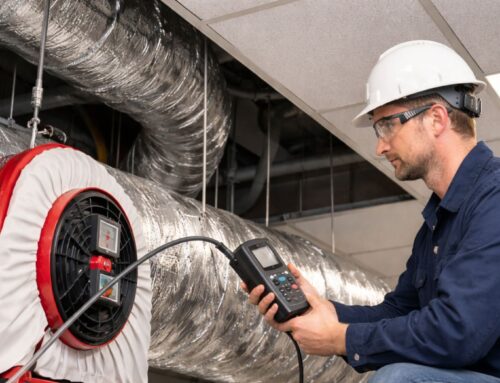
Monitoring these pollutants is often part of broader assessments. For example, during HVAC Testing & Water Systems checks, technicians might use environmental air monitoring methods to ensure the air circulating through your heating and cooling systems is free from harmful levels of these pollutants, especially those that can be linked to poor ventilation or stagnant water systems.
Types of Air Monitoring Methods
There are several key environmental air monitoring methods, each suited for different situations and types of pollutants:
- Gravimetric Method: This is a very common method for measuring particulate matter. Air is drawn through a filter for a specific period, and the particles are collected on the filter. The filter is weighed before and after, and the difference in weight tells you the mass of the particulate matter. It’s precise but provides average concentrations over time.
- Electrochemical Sensors: These small, often portable sensors are excellent for detecting specific gases like CO2, carbon monoxide, or sulfur dioxide. They work by reacting with the target gas, creating an electrical signal that is then measured. They provide real-time readings and are often used in personal monitors or fixed systems.
- Laser Particle Counters: As the name suggests, these devices use a laser to count and size airborne particles in real-time. When a particle passes through the laser beam, it scatters light, and the counter detects this scattering. This method is incredibly valuable for immediate feedback on particle concentrations.
- Photoionization Detectors (PIDs): PIDs are widely used for detecting VOCs. They work by using ultraviolet (UV) light to ionize (give an electrical charge to) the molecules of VOCs, which then produce an electrical current that can be measured. They are fast and effective for a broad range of VOCs.
- Gas Chromatography-Mass Spectrometry (GC-MS): This is a more advanced laboratory-based method used to identify and quantify specific VOCs or other complex mixtures in air samples. It separates the different compounds in a sample and then identifies them based on their unique “fingerprint.”
In highly controlled environments like pharmaceutical manufacturing or microchip production, Cleanroom Performance Testing & Certification relies heavily on the most precise environmental air monitoring methods, such as laser particle counters, to ensure that airborne particle counts meet incredibly strict standards.
Why Environmental Air Monitoring is Important for Health and Safety
The impact of poor air quality on human health is significant and well-documented. Long-term exposure to pollutants can lead to respiratory diseases, cardiovascular problems, and even certain cancers. In workplaces, healthcare settings, and residential areas, understanding air quality through effective environmental air monitoring methods is not just good practice—it’s essential for protecting lives.
Consider the link between damp environments and mold growth. Poor indoor air quality, often exacerbated by high humidity and lack of ventilation, creates ideal conditions for mold. A Mold Investigation & Indoor Air Quality Assessment that includes environmental air monitoring can identify mold spores in the air, which can cause allergic reactions, asthma attacks, and other respiratory issues. By using the right environmental air monitoring methods, we can identify these risks and take steps to mitigate them, creating healthier living and working spaces.
Key Tools and Equipment Used in Air Monitoring
Implementing effective environmental air monitoring methods requires a range of specialized tools and equipment. Here are some key examples:
- Particle Counters: These devices, often laser-based, count and size airborne particles, giving real-time data on air cleanliness.
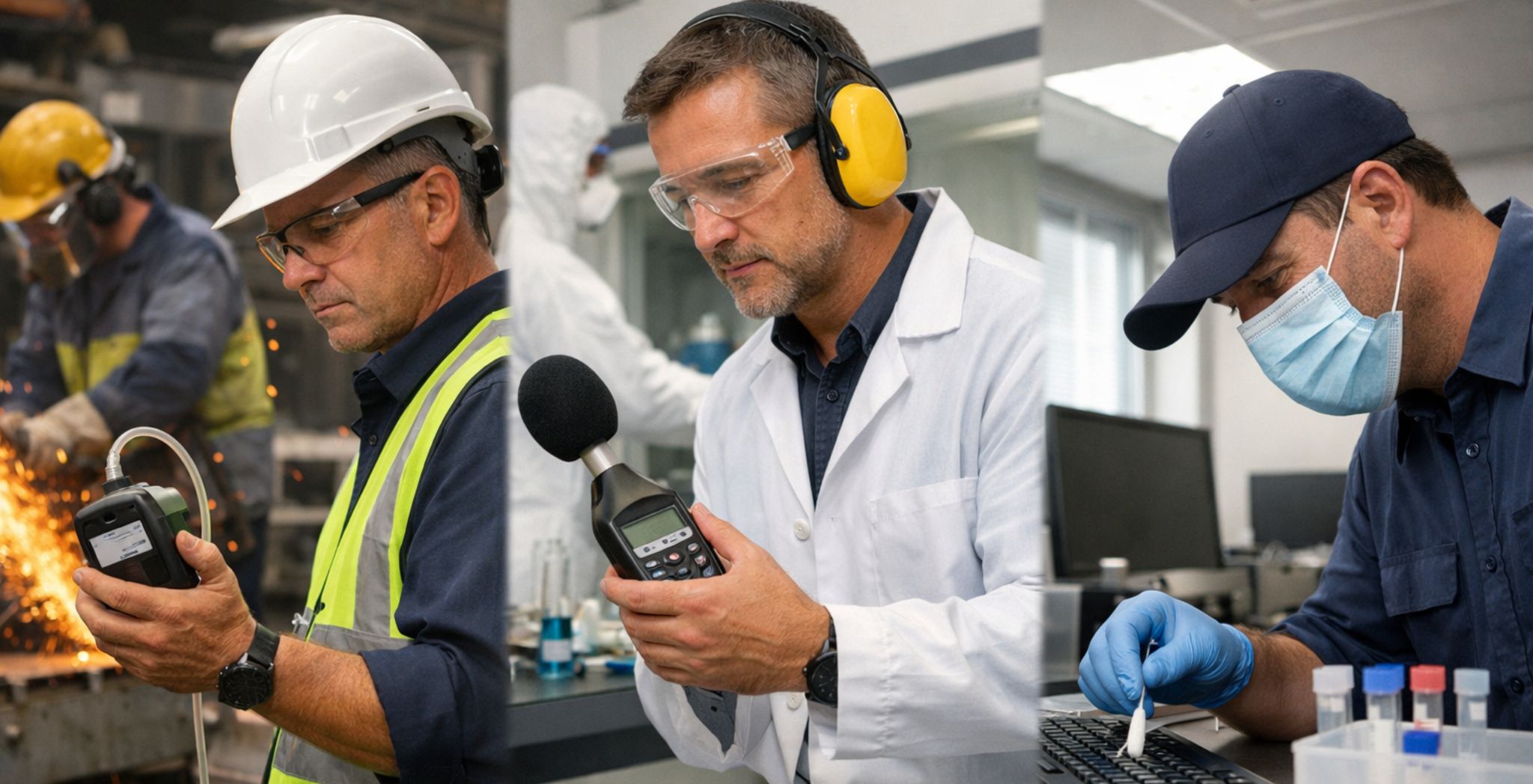
- Gas Analyzers: These instruments are designed to detect and measure specific gases (like CO2, CO, O3, or various VOCs) in the air. They can range from simple handheld devices to complex multi-gas monitors.
- Air Sampling Pumps: These pumps draw a known volume of air through a specific collection medium (like a filter for particles, or an absorbent tube for gases) over a set period. This allows for laboratory analysis of the collected contaminants.
- Data Loggers: Many modern monitoring devices are equipped with data logging capabilities, allowing for continuous recording of air quality parameters over time. This is crucial for identifying trends and intermittent issues.
- Meteorological Sensors: For outdoor air monitoring, sensors that measure wind speed, wind direction, temperature, and humidity are often integrated to help understand how weather patterns influence pollutant dispersion.
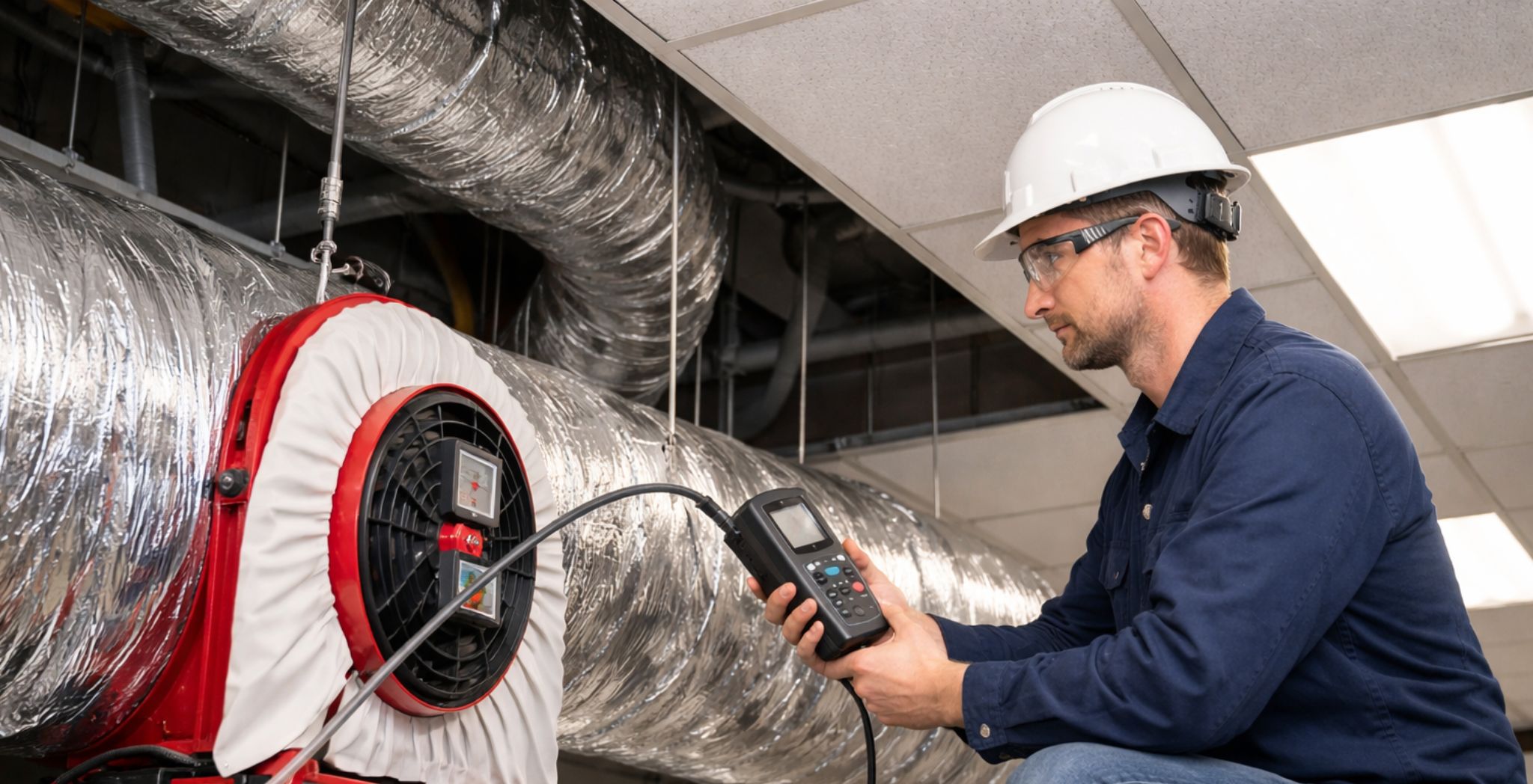
When performing HVAC Testing & Water Systems assessments, technicians use a combination of these tools. For example, a particle counter might be used to check the effectiveness of air filters, while a CO2 analyzer could assess ventilation rates within a building’s HVAC system, all part of robust environmental air monitoring methods.
Methods for Monitoring Air Quality in Different Environments
The specific environmental air monitoring methods used can vary greatly depending on the environment being monitored:
- Indoor Air Quality Monitoring: This focuses on homes, offices, schools, and healthcare facilities. Methods often include continuous monitoring for CO2, VOCs, and particulate matter (PM2.5) to assess ventilation, identify off-gassing from materials, and detect common allergens or irritants. This is crucial for Mold Investigation & Indoor Air Quality Assessment.
- Outdoor Air Quality Monitoring: This involves broader networks of monitoring stations in urban areas, near industrial zones, or alongside roadways. These stations typically use advanced analyzers to measure pollutants like ozone, nitrogen oxides, sulfur dioxide, and particulate matter over extended periods to track regional air quality trends and compliance with environmental regulations.
- Cleanroom Monitoring: These are highly regulated environments (e.g., in pharmaceuticals, biotechnology, electronics manufacturing) where even the smallest airborne particle can ruin products. Cleanroom Performance Testing & Certification involves extremely precise environmental air monitoring methods, primarily high-resolution laser particle counters, to ensure air cleanliness meets ISO standards, often down to sub-micrometer levels.
How Air Quality Data is Analyzed and Interpreted
Collecting data is only the first step. The real value of environmental air monitoring methods comes from how that data is analyzed and interpreted. Once air samples are taken or real-time measurements are recorded, the data is processed. This can involve:
- Comparing results against benchmarks: Data is often compared to national or international air quality standards, occupational exposure limits, or specific cleanroom classifications.
- Identifying trends: Analyzing data over time can reveal patterns, such as pollutant levels peaking at certain times of day or during specific operational activities.
- Pinpointing sources: By correlating air monitoring data with activities or conditions in an environment, it’s possible to identify the sources of pollution.
- Modeling and prediction: In some cases, advanced models are used to predict pollutant dispersion or the impact of certain emission sources.
This analysis is critical for making informed decisions about air quality management. For businesses, this might mean adjusting HVAC systems, implementing new ventilation strategies, or changing manufacturing processes. For homeowners, it could involve addressing mold issues or improving indoor ventilation. If your business needs professional air quality assessments, reaching out to experts who understand and can interpret these environmental air monitoring methods is key.
Conclusion
Effective environmental air monitoring methods are indispensable tools in our effort to ensure healthy and safe environments. From safeguarding the air we breathe in our homes and offices to maintaining pristine conditions in specialized cleanrooms, accurate air quality detection is paramount. Understanding the various pollutants, the different monitoring techniques available, and how the data is analyzed empowers us to make better decisions for our health and for regulatory compliance.
Don’t leave air quality to chance. Whether you’re concerned about indoor pollutants, need to ensure your HVAC systems are performing optimally, or require rigorous testing for a cleanroom environment, choosing the right environmental air monitoring methods is crucial. We encourage you to contact our team for customized air quality solutions and assessments tailored to your specific needs. Let us help you achieve and maintain the highest standards of air quality.


Leave A Comment