

Heat Recovery Ventilation System. In the modern world, we spend nearly 90% of our time indoors. Whether it is at home, in the office, or within a commercial space, the quality of the air we breathe has a direct impact on our health, productivity, and overall well-being. At the same time, as energy costs rise and environmental concerns grow, finding ways to heat and cool our buildings efficiently has never been more important.
This is where the heat recovery ventilation system (HRV) comes into play. Often described as the “lungs” of a building, this technology provides a constant supply of fresh air without the energy loss typically associated with opening a window. In this guide, we will explore everything you need to know about HRVs, from how they work to why they are becoming a standard in modern construction.
What Is a Heat Recovery Ventilation System?
A heat recovery ventilation system is a mechanical ventilation solution designed to provide fresh filtered air to a building while recovering the heat from the outgoing stale air. In traditional ventilation, you might open a window to let out “stuffy” air, but in the winter, you lose all the expensive heat you’ve paid for. An HRV solves this problem by transferring the thermal energy from the exhaust air to the incoming fresh air.
The primary goal of an HRV system is to maintain a healthy indoor environment by removing pollutants, odors, and excess moisture while ensuring the building remains energy-efficient. It is a controlled method of “air changes,” ensuring that your home or office isn’t just airtight, but “breathable.”
How a Heat Recovery Ventilation System Works
The operation of an HRV is surprisingly simple yet incredibly effective. It works on the principle of “cross-flow” or “counter-flow” heat exchange.
Inside the unit, two streams of air pass each other:
-
Exhaust Air: Stale, warm air is pulled from “wet” rooms like kitchens, bathrooms, and utility rooms.
-
Supply Air: Fresh, cold air is drawn in from the outside.
These two streams pass through a heat exchanger core. Crucially, the air streams never mix; they are kept in separate channels. However, because the channels are made of materials that conduct heat well, the warmth from the exhaust air is “soaked up” by the incoming fresh air. By the time the fresh air enters your living spaces, it has been pre-warmed, meaning your heating system doesn’t have to work nearly as hard to maintain a comfortable temperature.
For businesses ensuring proper air quality and efficient ventilation, HVAC Testing, Adjusting, and Balancing (TAB) services help verify the performance of ventilation systems, ensuring that your HRV is operating at peak efficiency.
Key Components of a Heat Recovery Ventilation System
To understand how these systems maintain indoor air quality ventilation, it helps to look at the individual parts that make up the unit:
- The Heat Exchanger Core: The “brain” of the system where the actual heat transfer happens.
- Fans: Two high-efficiency fans one to push air out and one to pull air in.
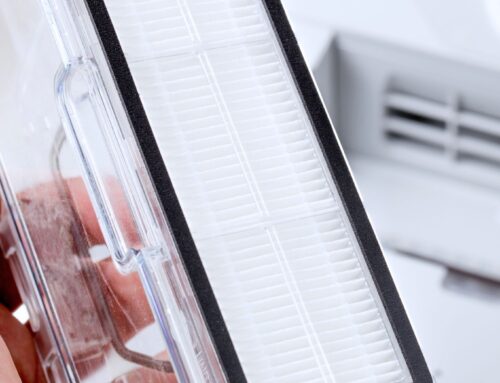
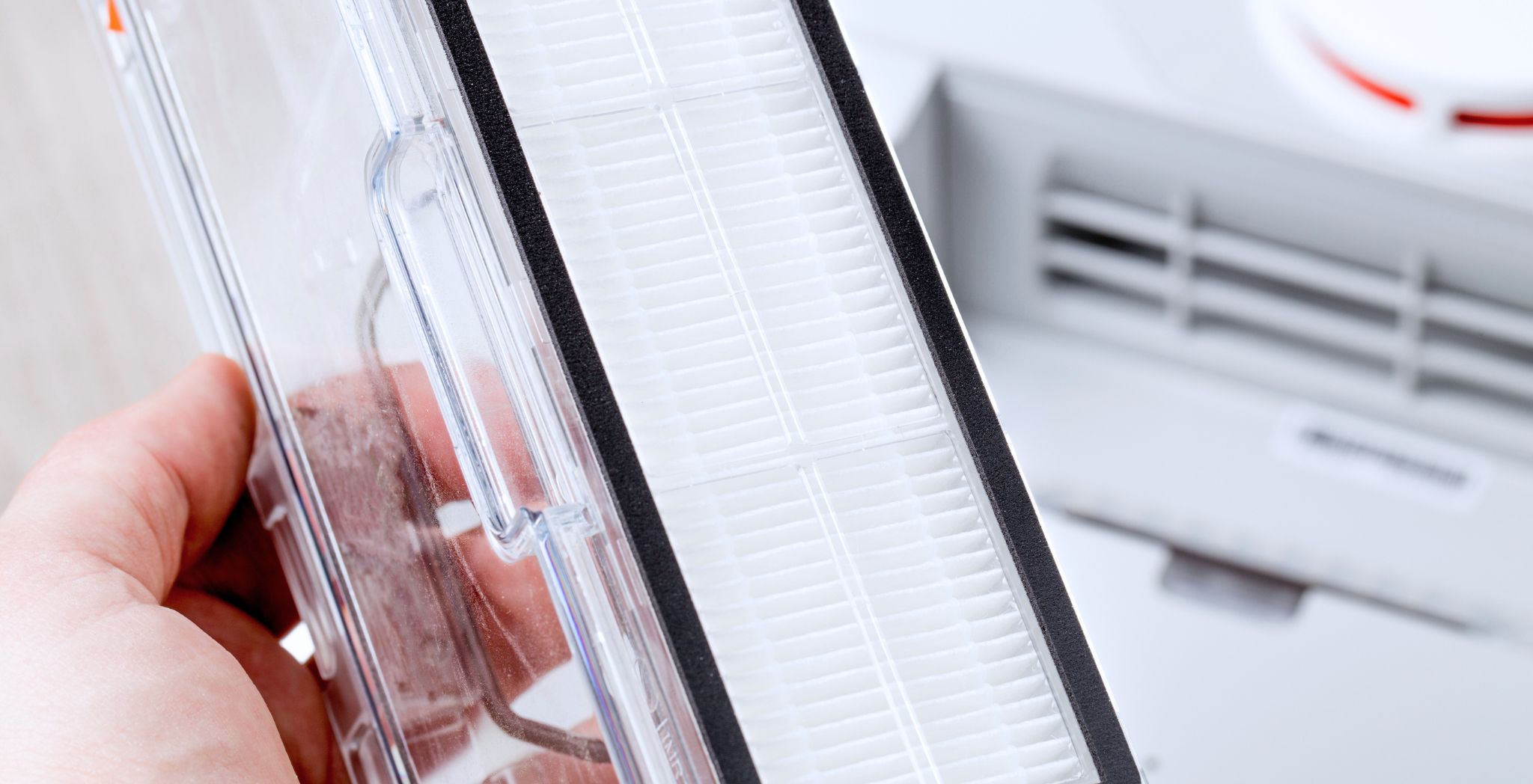
- Filters: These are vital for health. They trap dust, pollen, and pollutants from the outside air before it enters the building.
- Ductwork: A network of pipes hidden in the walls or ceilings that carries air to and from different rooms.
- Controls: Modern systems often feature sensors that can detect humidity or CO2 levels, automatically boosting the fan speed when needed.
Benefits of Heat Recovery Ventilation Systems for Indoor Air Quality
Energy Efficiency Advantages of Heat Recovery Ventilation
The main reason many homeowners and developers choose these mechanical ventilation systems is the energy savings. In a standard house, ventilation can account for up to 30% of heat loss.
By using a heat recovery ventilation system, you can recover up to 90% of the heat that would otherwise be wasted. This translates directly into lower utility bills. During the winter, the incoming air is pre-heated; in the summer (if the unit has a summer bypass), it can help keep the house cool at night. It is a sustainable way to live that reduces the carbon footprint of the building.
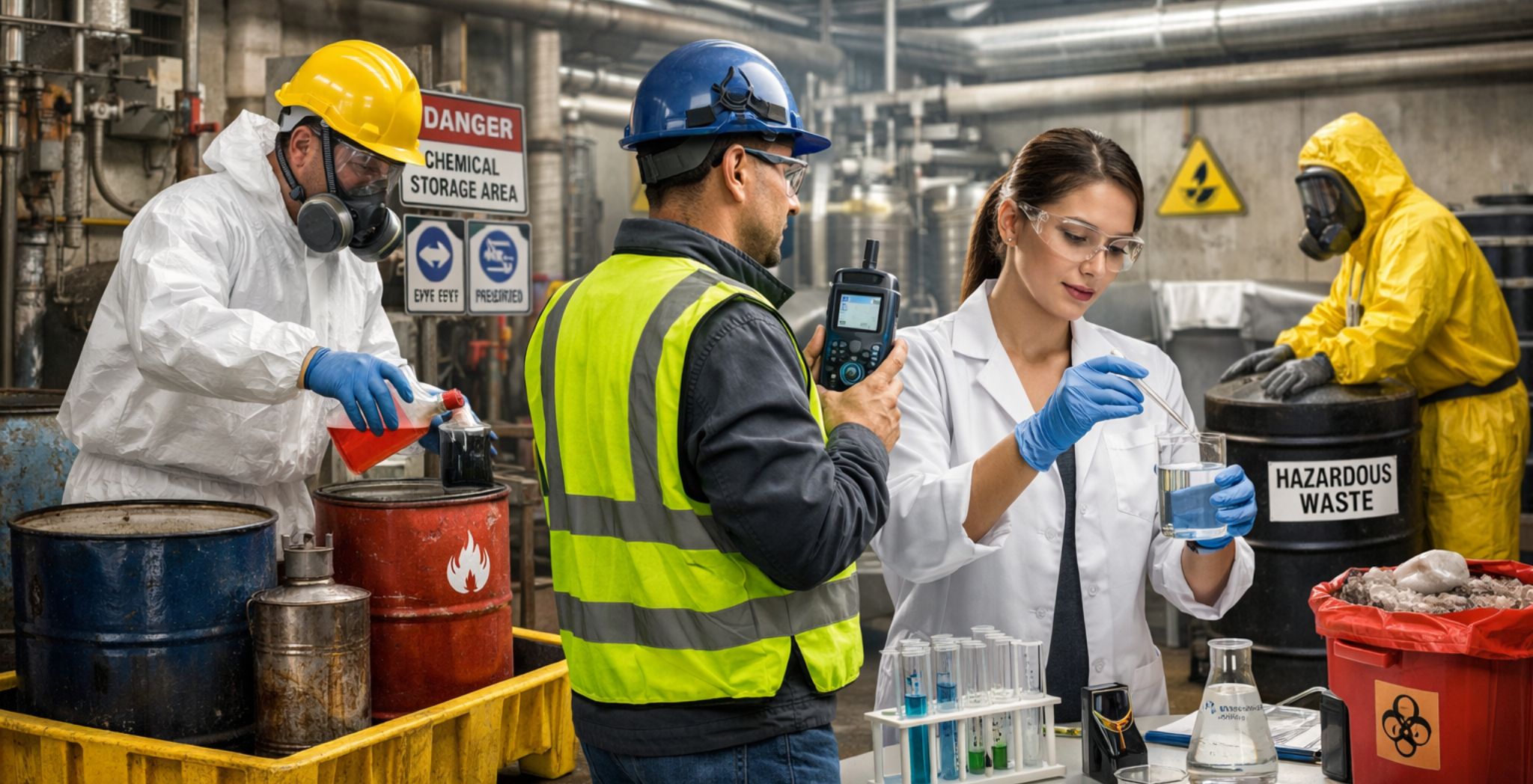
To further ensure your building’s health compliance and air safety, consider Industrial Hygiene Assessment & Exposure Monitoring services for businesses in high-traffic environments.
Heat Recovery Ventilation Systems in Commercial and Industrial Buildings
While HRVs are popular in residential settings, commercial heat recovery ventilation is a game-changer for businesses. Large offices, schools, and gyms have high occupancy levels, meaning CO2 levels can rise quickly, leading to “brain fog” and decreased productivity.
In large-scale settings, these units are often integrated into the main HVAC system. They allow businesses to meet strict building codes and “green” certifications (like LEED) while keeping operational costs low. In industrial settings, they can even recover heat from manufacturing processes to help warm the office areas of a warehouse.
For healthcare facilities, maintaining high air purity is crucial, and USP 797 & USP 800 Cleanroom Certification Services ensure compliance with the strictest air quality standards.
Heat Recovery Ventilation vs. Traditional Ventilation Systems
To appreciate the value of an energy efficient ventilation system, we must compare it to traditional methods:
- Natural Ventilation: Opening windows. It’s free, but it’s uncontrolled. You lose heat, it brings in noise, and it lets in unfiltered dust and insects.
- Exhaust-Only Ventilation: This uses simple fans (like a bathroom fan) to pull air out. This creates a vacuum, sucking cold air in through gaps in doors and windows (drafts). It doesn’t recover any heat.
- HRV Systems: These provide balanced ventilation. They control exactly how much air comes in and goes out, filter the air, and save the heat. While the initial cost is higher, the long-term health and financial benefits far outweigh the investment.
Common Applications of Heat Recovery Ventilation Systems
These air exchange systems are versatile and can be used in various environments:
- Residential Homes: Especially “Passive House” designs or highly insulated modern builds.
- Apartment Complexes: Where individual units need fresh air without the noise of the city.
- Hospitals and Clinics: Where maintaining high air purity is a matter of safety.
- Schools: To keep students alert by maintaining low CO2 levels.
- Hotels: Ensuring guests have a comfortable, fresh-smelling room without the energy waste of running AC and windows simultaneously.
Choosing the Right System for Your Building
When looking at building ventilation systems, it is important to choose a unit that is sized correctly for the space. A system that is too small will be noisy and won’t clear moisture effectively. A system that is too large will be an unnecessary expense.
You should also consider whether you need an HRV or an ERV (Energy Recovery Ventilator). While an HRV transfers heat, an ERV transfers both heat and moisture. ERVs are often better for very humid climates or very dry winters, whereas HRVs are the standard choice for most temperate climates.






Leave A Comment