
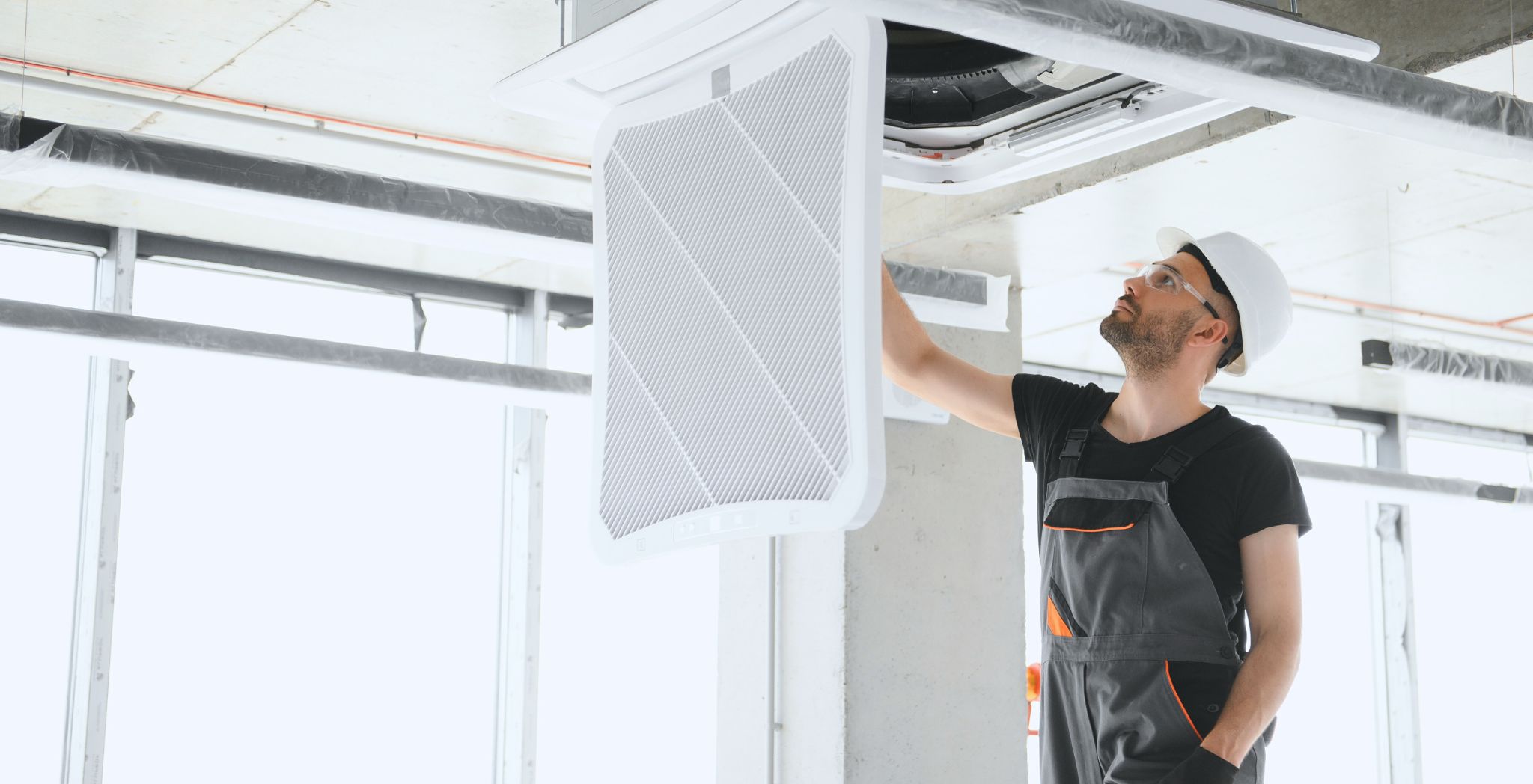
HEPA Air Filters, Air quality is one of the most significant factors influencing the health and well-being of individuals, especially in healthcare, laboratory, and industrial environments. One of the most effective ways to improve and maintain indoor air quality is through the use of HEPA air filters. HEPA (High-Efficiency Particulate Air) filters are designed to remove airborne particles, including dust, pollen, mold spores, bacteria, and even viruses, helping to create cleaner, healthier environments.
Whether you’re running a hospital, laboratory, office, or manufacturing facility, maintaining clean air is crucial for both the health of your employees and the safety of your environment. At Health System Sciences LLC, we specialize in air quality monitoring and other solutions that ensure your facility maintains optimal air standards.
What Is a HEPA Air Filter?
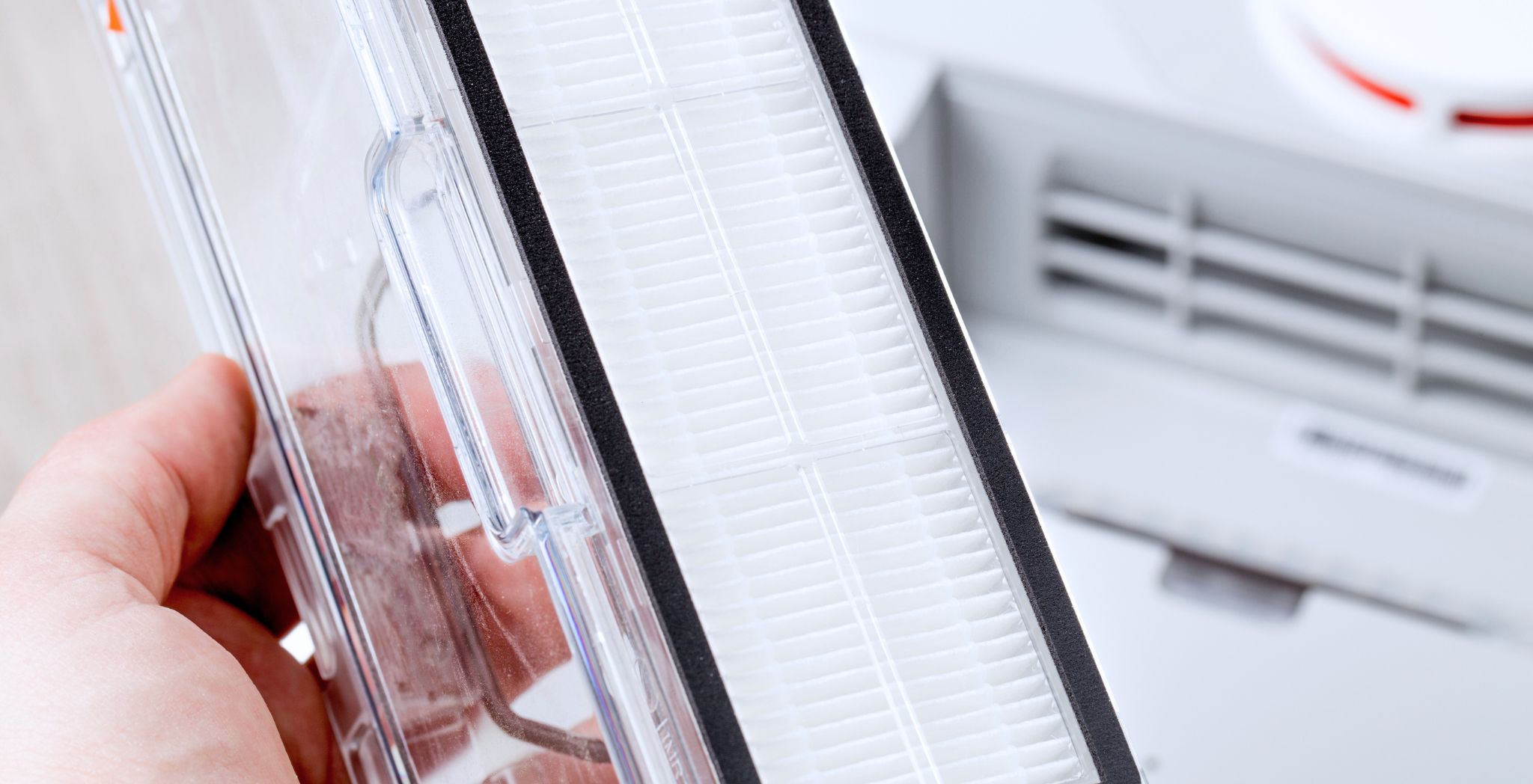
A HEPA air filter is a type of air filter that captures 99.97% of airborne particles that are 0.3 microns in diameter or larger. These filters are constructed from a mat of randomly arranged fibers that trap particles through three primary mechanisms: interception, impaction, and diffusion.
-
Interception: Particles that pass within a certain distance of the fiber adhere to the fiber.
-
Impaction: Larger particles collide with fibers and are trapped.
-
Diffusion: Small particles move in erratic paths, increasing their chances of hitting and sticking to the filter.
This combination of mechanical and diffusion-based filtration makes HEPA filters incredibly effective in improving indoor air quality.
Why Are HEPA Air Filters Important?
-
Protecting Employee Health
Indoor air quality directly impacts employee health. Poor air quality in workplaces can lead to conditions such as Sick Building Syndrome (SBS), where employees experience headaches, dizziness, and fatigue. HEPA air filters play a critical role in ensuring clean air, especially in high-risk environments such as healthcare and pharmaceutical settings. Mold Investigation & Indoor Air Quality Assessment services are often paired with HEPA air filtration to ensure contaminants like mold spores are effectively removed from the air. -
Regulatory Compliance
Many industries, particularly healthcare and pharmaceuticals, are subject to strict regulations regarding indoor air quality. Compliance with these regulations is mandatory to ensure that businesses maintain safe environments for workers and patients. Cleanroom Performance Testing & Certification ensures that air filtration systems meet the stringent requirements of cleanroom environments, where even the smallest particle can compromise research or product quality. -
Protecting Public Health
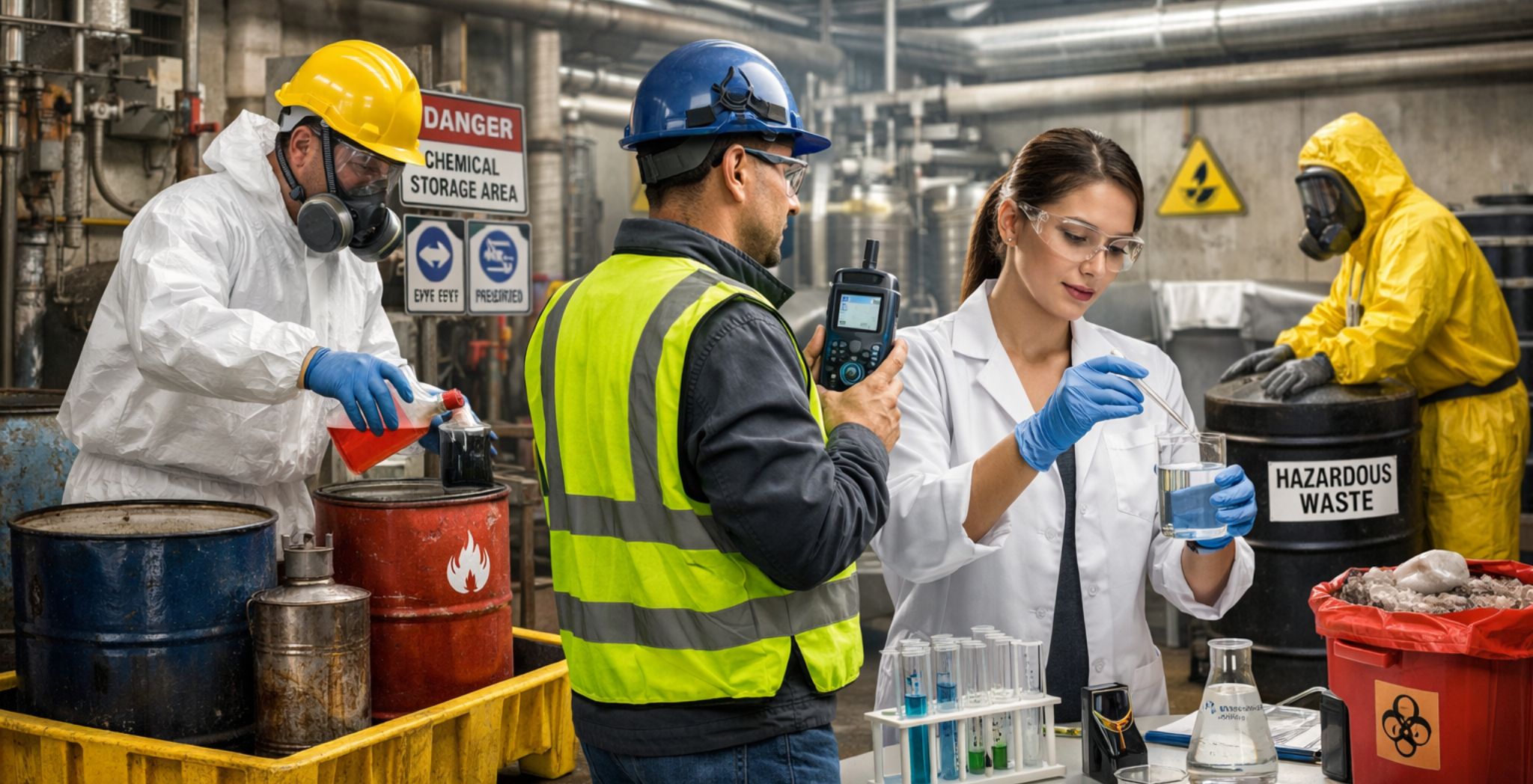
In healthcare facilities, the air you breathe is especially crucial. HEPA filters are essential in operating rooms, patient rooms, and laboratories where clean air is needed to prevent infections and ensure patient safety. In addition to medical facilities, hospitals and research labs benefit from Industrial Hygiene Assessment & Exposure Monitoring services to monitor air quality and protect employees from harmful substances. -
Energy Efficiency and Cost Savings
A properly functioning HEPA air filter helps HVAC systems work more efficiently by trapping particles that can clog ducts and vents. By keeping the system clean, you reduce the strain on the HVAC system, leading to lower energy consumption. Additionally, proper filter maintenance and replacement reduce the need for costly repairs or system replacements.
Where Are HEPA Air Filters Used?
HEPA filters are used in a wide variety of settings, from residential homes to commercial and industrial facilities. Here’s where they are most commonly utilized:
-
Healthcare Facilities
In hospitals and clinics, HEPA filters ensure that the air is free from harmful pathogens, allergens, and pollutants. This is critical in environments like operating rooms and patient recovery areas, where compromised air quality could result in infections. -
Pharmaceutical Manufacturing
Pharmaceutical companies rely on cleanrooms to produce sterile medications and vaccines. The Cleanroom Performance Testing & Certification ensures that HEPA filters maintain the required standards for cleanliness, which is vital for product safety and regulatory compliance. -
Laboratories and Research Facilities
Laboratories often deal with sensitive experiments, biological samples, and chemicals. HEPA air filters are necessary to maintain a controlled environment, preventing cross-contamination and ensuring the accuracy of research outcomes. -
Industrial Plants and Manufacturing Facilities
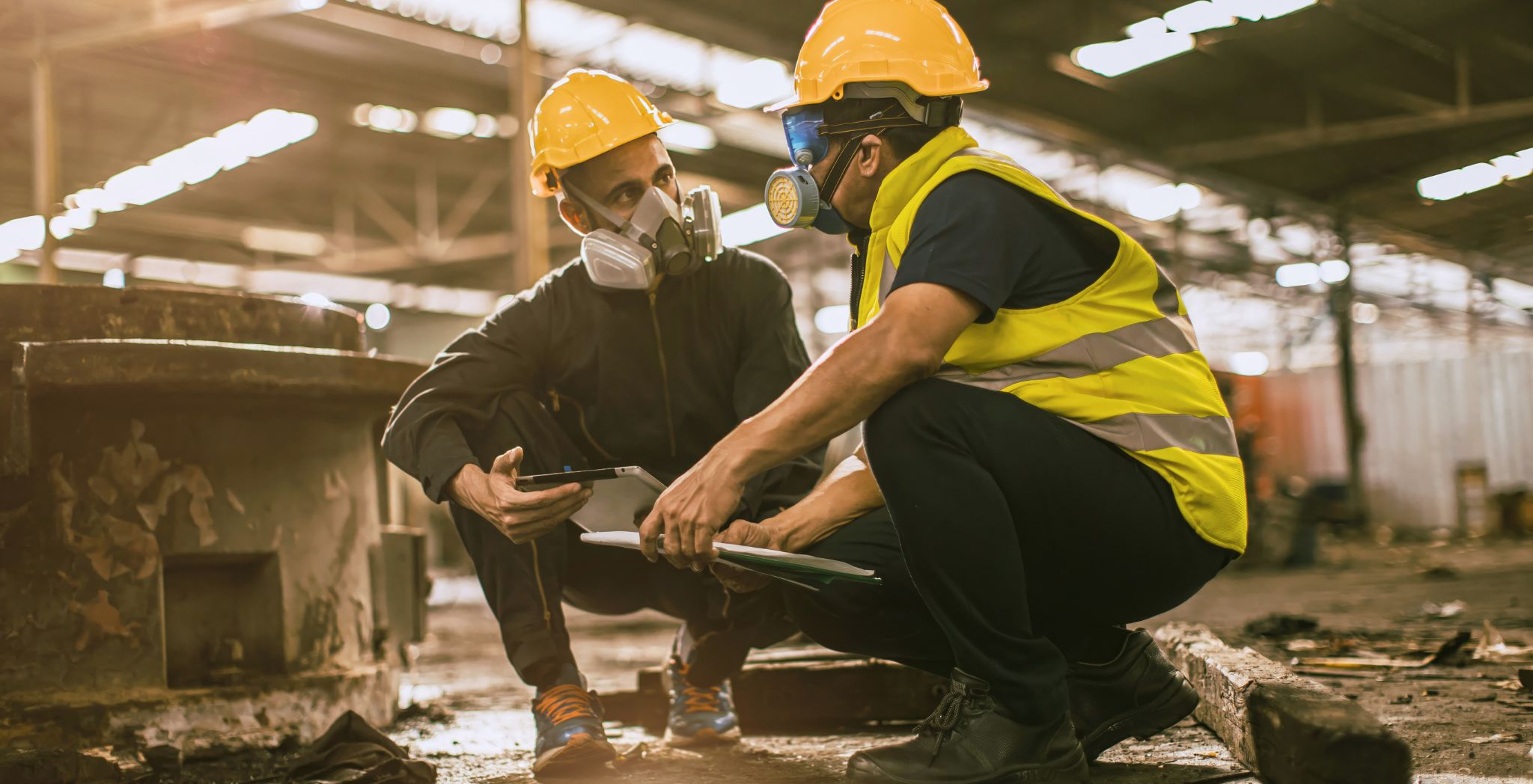
Industrial settings generate a significant amount of airborne dust, fumes, and pollutants. Exposure Monitoring can assess air quality in these environments, and HEPA filters help reduce particulate pollution to safeguard worker health and meet safety standards. -
Residential Homes
Many homeowners use HEPA filters in air purifiers or HVAC systems to improve indoor air quality, especially if anyone in the household suffers from allergies or asthma. Residential use also prevents the accumulation of dust and mold spores in homes, making the air safer to breathe.
How Often Should HEPA Air Filters Be Replaced?
The lifespan of a HEPA air filter depends on factors such as the level of use, the environment, and the amount of airborne pollutants. For most commercial systems, HEPA filters should be replaced or cleaned every 6 to 12 months. However, some factors can reduce the lifespan, such as:
-
Heavy Dust or Particle Exposure: In industrial or manufacturing settings, filters may need more frequent replacements due to higher levels of contamination.
-
High Humidity or Moisture: In damp environments, such as kitchens or bathrooms, HEPA filters may degrade more quickly.
-
Health Considerations: In healthcare or laboratory settings, it is essential to ensure filters are replaced regularly to maintain sterile environments.
The Benefits of Regular HEPA Filter Maintenance
Regular HEPA filter maintenance ensures that the filter remains effective in trapping airborne contaminants. Inadequate maintenance can lead to clogged filters, reduced airflow, and decreased efficiency in air purification. Air Quality Monitoring services can help track the effectiveness of your HEPA filters, allowing you to determine the optimal replacement schedule.
-
Preventing Airborne Contaminants
Over time, particles accumulate on the filter, reducing its ability to trap harmful substances like bacteria, viruses, and allergens. Regular maintenance ensures the filter continues to capture contaminants effectively. -
Boosting Energy Efficiency
When HEPA filters are not cleaned or replaced regularly, they create resistance to airflow. This forces HVAC systems to work harder to circulate air, leading to higher energy consumption. Routine maintenance helps maintain airflow efficiency. -
Ensuring Consistent Air Quality
By maintaining your HEPA filters, you ensure that the air remains free from dangerous particles, keeping your environment safe for workers, patients, or residents.
Conclusion
HEPA air filters are critical for maintaining healthy and safe air quality in a variety of environments, from healthcare facilities to industrial plants. Regular testing, maintenance, and replacement ensure that these filters function optimally, safeguarding employees and ensuring compliance with health and safety standards. Whether you’re in healthcare, manufacturing, or another high-risk industry, HEPA air filters are indispensable for protecting the health of your team, clients, and visitors.
For expert HEPA air filter testing, maintenance, and replacement services, Contact us today. Let Health System Sciences LLC help you ensure a cleaner, safer, and more efficient environment for your facility.




Leave A Comment