
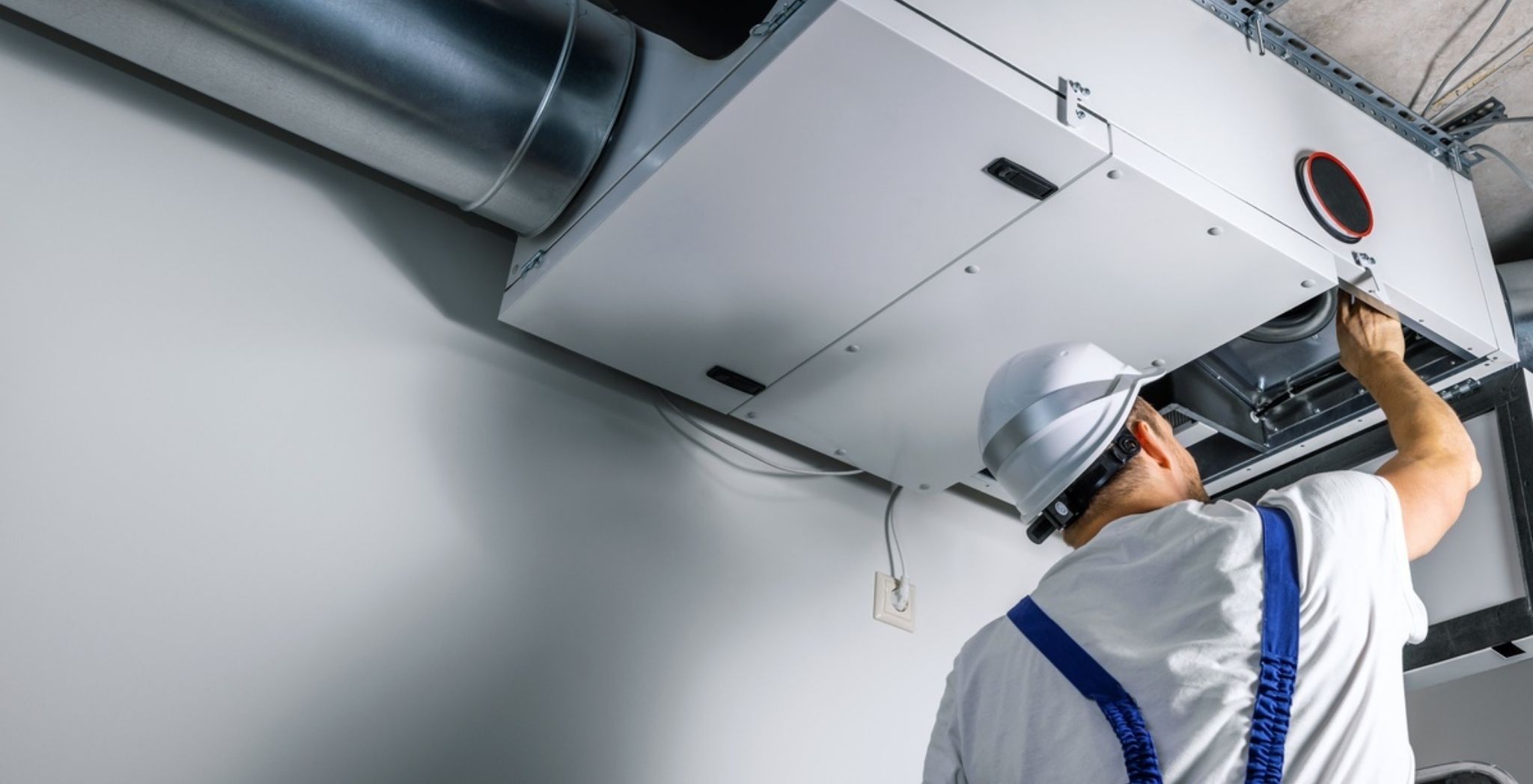
HVAC Mold Testing: We often think of our homes as our ultimate sanctuary a place where we can breathe easy and escape the pollutants of the outside world. But what if the very system designed to keep you comfortable is silently circulating something harmful?
Your HVAC (Heating, Ventilation, and Air Conditioning) system is the lungs of your home. Just like human lungs, if they become contaminated, the entire “body” of your house suffers. One of the most common and overlooked issues in modern homes is a mold infestation in HVAC systems. Because mold thrives in dark, damp, and hidden spaces, your ductwork and cooling coils are prime real estate for fungal growth.
In this guide, we’ll dive deep into why HVAC mold testing is a non-negotiable part of home maintenance, how it protects your health, and what you can do to keep your air crystal clear.
What is HVAC Mold Testing?
At its core, HVAC mold testing is a professional diagnostic process used to identify the presence, type, and concentration of mold spores within your heating and cooling system. Unlike a simple visual check, professional testing looks where the naked eye cannot reach.
Mold is a type of fungus that spreads through microscopic spores. In an HVAC system, these spores can settle on evaporator coils, drain pans, and inside air ducts. Mold testing for HVAC systems typically involves:
- Air Sampling: Capturing air from supply vents to see what is being pushed into your living spaces.
- Surface Sampling: Taking swabs or tape lifts from suspicious spots inside the unit or ductwork.
- Physical Inspection: Using specialized cameras and moisture meters to find the source of the dampness fueling the growth.
Understanding the “why” and “how” of your air quality is the first step toward a healthier home. If you suspect your system is compromised, scheduling a professional inspection is the most reliable way to get answers.
Why HVAC Mold Testing is Critical for Your Health
You might wonder, “If I don’t see mold on my walls, why should I care about the HVAC?” The answer lies in the way HVAC systems function.
Your HVAC system works by recirculating the air in your home multiple times a day. If there is mold in the ducts, the system acts as a delivery mechanism, blasting spores into every room. This leads to a constant cycle of exposure. HVAC air quality testing is critical because:
- Invisible Threats: Many toxic molds, like Stachybotrys chartarum (black mold), can hide behind insulation or inside components where you’ll never see them.
- Continuous Exposure: Unlike a moldy piece of drywall in a basement you rarely visit, HVAC mold affects the air you breathe while you sleep, eat, and relax.
- System Efficiency: Mold growth can restrict airflow and insulate cooling coils, forcing your system to work harder and increasing your energy bills.
By investing in mold detection in HVAC units, you aren’t just cleaning a machine; you are filtering the very environment that sustains your family.
Common Signs of Mold in HVAC Systems
How do you know it’s time to call in the pros? Mold is sneaky, but it usually leaves a few breadcrumbs.
1. That “Musty” Smell
The most common indicator is a pungent, earthy, or “dirty sock” smell that intensifies whenever the AC or heater kicks on. This is caused by Microbial Volatile Organic Compounds (mVOCs) released by mold.
2. Visible Growth Around Vents
If you see black, green, or fuzzy white spots on the metal grates of your air vents, there is a high probability that the infestation goes much deeper into the ducts.
3. Frequent Allergic Reactions
Do you find yourself sneezing or having itchy eyes only when you’re at home? If your symptoms improve when you leave the house for work or errands, your HVAC system may be the culprit.
4. Excessive Moisture and Condensation
If you notice standing water in your drain pan or “sweating” around your vents, you have the perfect conditions for a mold infestation in HVAC systems. Mold needs water to survive; if your system is damp, mold is likely moving in.
The Health Risks of Mold in HVAC Systems
The stakes of ignoring mold are higher than just a bad smell. Health risks of mold in HVAC systems can range from mild irritation to chronic respiratory issues.
When mold spores are inhaled, they can trigger an immune response. For individuals with asthma or allergies, this can lead to:
- Persistent coughing and wheezing.
- Sinus congestion and “brain fog.”
- Skin rashes and eye irritation.
- In severe cases, long-term exposure to certain mycotoxins can lead to neurological issues or localized infections in the lungs.
Mold and allergen testing is especially vital for households with infants, the elderly, or immunocompromised individuals. Protecting these vulnerable family members starts with ensuring the air they breathe is pure.
The HVAC Mold Testing Process
If you decide to move forward with professional HVAC mold inspection, here is what you can expect from a high-quality service like H&S Sciences.
Step 1: Initial Consultation and Visual Assessment
A technician will walk through your property, checking the age of the system, looking for water damage, and identifying “hot spots” where mold is likely to grow.
Step 2: Sampling
We use calibrated equipment to take air samples. We compare the “indoor” air from your vents to the “outdoor” air. If the mold count inside is significantly higher than the natural levels outside, you have an internal growth problem.
Step 3: Laboratory Analysis
Samples are sent to a certified lab. This is crucial because it identifies the species of mold. Some molds are common allergens, while others are toxigenic and require more aggressive remediation.
Step 4: Detailed Reporting
You receive a comprehensive report detailing the findings. We don’t just tell you “there’s mold”; we tell you where it is, why it’s there, and exactly how to fix it.
How to Prevent Mold Growth in HVAC Systems
Once your system is clean, you want to keep it that way. HVAC system maintenance and mold prevention are about controlling two things: dust and moisture.
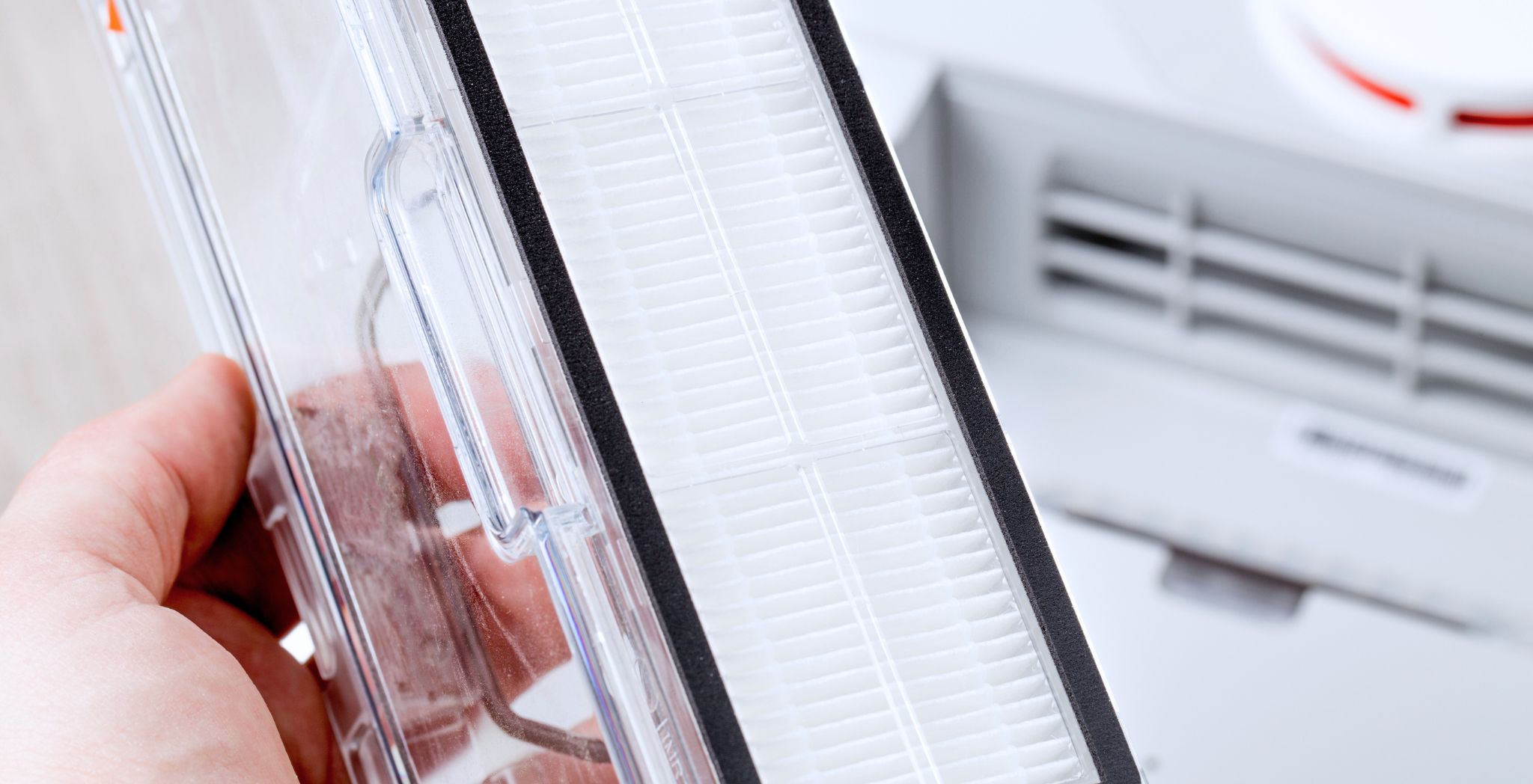
- Change Filters Regularly: Use high-efficiency HEPA filters. These trap spores before they can enter the system. Change them every 60–90 days.
- Control Humidity: Keep your home’s humidity levels between 30% and 50%. Use a dehumidifier if you live in a swampy climate.
- Clear the Condensate Line: Make sure the line that drains water away from your AC isn’t clogged. Standing water is an open invitation for mold.
- Invest in UV Lights: Installing UV-C lamps inside your HVAC handler can kill mold spores and bacteria on the coils before they ever have a chance to grow.
- Regular Air Duct Cleaning and Testing: Periodic cleaning removes the “food” (dust and skin cells) that mold feeds on.
Benefits of Regular HVAC Mold Testing
Think of HVAC mold testing as a wellness checkup for your home. The benefits extend far beyond just avoiding illness:
- Peace of Mind: Knowing for a fact that your air is safe allows you to rest easier.
- Lower Costs: Detecting a small moisture leak during a mold test can save you thousands in major HVAC repairs or mold remediation later.
- Improved Airflow: A clean system runs more efficiently, lowering your monthly utility bills.
- Preserved Property Value: A home with a documented history of clean air quality and professional maintenance is much more attractive to future buyers.
Conclusion
Your HVAC system is the heart of your home’s environment. Don’t let a hidden mold problem compromise your comfort or your health. By understanding the signs and investing in HVAC mold testing, you take a proactive step toward a cleaner, safer, and more efficient lifestyle.
At Health System Sciences , we specialize in identifying hidden environmental hazards. Our team uses state-of-the-art technology to ensure that the air you breathe is as pure as possible. Don’t wait for symptoms to worsen take control of your indoor air quality today.
Schedule your HVAC mold testing today with H&S Sciences and ensure the health and efficiency of your HVAC system! Our expert technicians are ready to provide you with the clarity and solutions you need.
Still have questions? Contact us to learn more about our HVAC mold testing and remediation services. We are here to help you breathe easier.







Leave A Comment