
Mold Detection Services, When you think of a healthy home or workspace, you probably think of clean floors, fresh paint, and organized desks. However, some of the biggest threats to your health and the structural integrity of your building are the ones you cannot see.
Mold is a silent invader that thrives in damp, dark, and poorly ventilated spaces. By the time you actually see a fuzzy black patch on a wall, the problem may have already spread deep into your infrastructure.
This is where mold detection services come into play. Professional detection goes beyond a simple visual check; it involves science, specialized technology, and expert analysis to identify hidden threats. In this blog, we will explore why these services are essential, how they work, and how they protect both your respiratory health and your property value.
What Are Mold Detection Services?
At its core, mold detection is a comprehensive process used to identify the presence of mold growth and determine the extent of a fungal infestation within a building. Unlike a general home inspection, professional mold detection focuses specifically on fungal ecology. Experts look for active growth, dormant spores, and the moisture sources that allow mold to flourish.
These services involve a combination of physical inspections, moisture mapping, and laboratory analysis. Because mold spores are microscopic, you can have a significant indoor air quality issue even if your walls look perfectly clean. Detection services bridge the gap between “looking fine” and “being safe.”
Why Mold Detection Is Critical for Indoor Health
We spend nearly 90% of our lives indoors. If the air we breathe is concentrated with fungal spores, our bodies pay the price. Mold releases allergens, irritants, and, in some cases, toxic substances known as mycotoxins. For individuals with asthma, allergies, or weakened immune systems, exposure can lead to severe respiratory distress.
Indoor mold detection is critical because it identifies the specific types of mold present. Not all molds are created equal; while some just cause a runny nose, others can lead to chronic lung infections or neurological symptoms. By identifying the problem early, you can take steps to purify your environment before minor symptoms turn into long-term health complications.
For businesses concerned about workplace air quality and the health impacts of mold exposure, Industrial Hygiene Assessment & Exposure Monitoring services help identify and mitigate environmental health risks related to mold and other contaminants.
Common Signs That Indicate the Need for Mold Detection Services
How do you know when it’s time to call in the experts? Sometimes the signs are subtle. Here are the most common red flags:
-
The Musty Odor: That “old basement” smell is often the off-gassing of mold (called microbial volatile organic compounds). If a room smells earthy or pungent despite being cleaned, mold is likely hiding nearby.
-
Water History: If your building has a history of flooding, pipe leaks, or roof leaks, a hidden mold inspection is highly recommended. Water often seeps behind drywall or under floorboards where it can’t evaporate, creating a perfect mold nursery.
-
Physical Symptoms: If you feel better when you leave the house and worse when you return—experiencing itchy eyes, sneezing, or headaches—the building itself may be the trigger.
-
Visible Staining: Discoloration on walls, even if it’s just a small yellowish or dark stain, often indicates moisture issues that support mold growth.
If you notice any of these signs, it’s important to call in the experts. Mold Investigation & Indoor Air Quality Assessment services can help identify hidden moisture and fungal strains that could be compromising your indoor air quality and health.
Types of Mold Commonly Found in Commercial and Residential Buildings
Understanding what professionals are looking for can help you realize the scope of the problem. While there are thousands of species, detection services frequently encounter these “usual suspects”:
- Aspergillus: Commonly found in dust and building materials, this mold can cause respiratory infections.
- Cladosporium: This mold is unique because it can grow in both cool and warm conditions. It is frequently found on fabrics and wood surfaces.
- Stachybotrys Chartarum (Black Mold): This is the most infamous type. It is greenish-black and thrives on high-cellulose materials like drywall and fiberboard that have been wet for several days.
- Penicillium: Known for its blue or green color, it spreads easily through the air and can cause strong allergic reactions.
How Professional Mold Detection Services Work
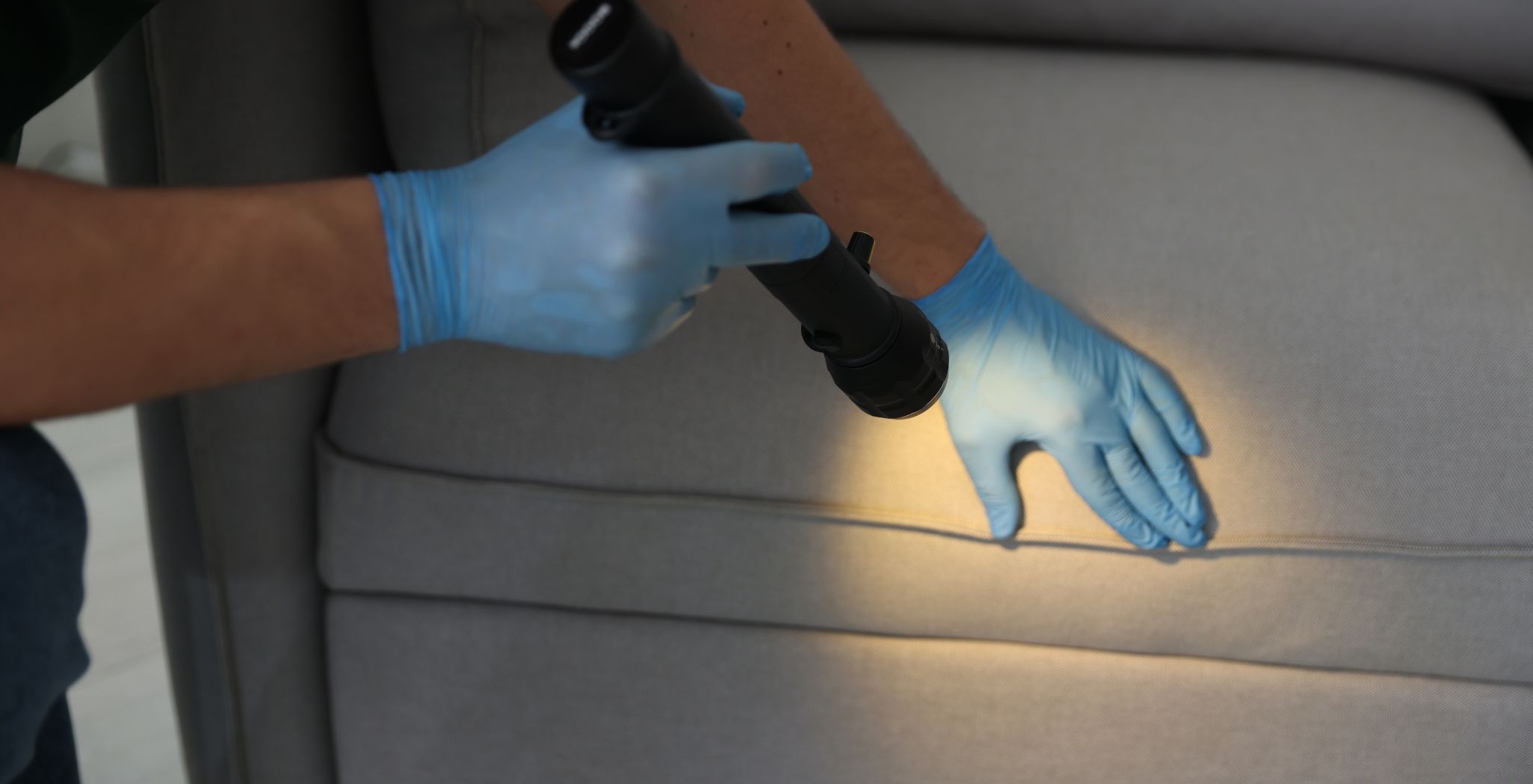
When you hire a professional, they don’t just walk around with a flashlight. They follow a systematic protocol to ensure no corner is left unchecked.
First, the technician conducts a “walk-through” to identify areas of concern. They look for “conducive conditions,” such as high humidity or poor ventilation. Next, they use non-invasive tools to check for moisture behind walls. If they find a suspicious area, they may perform environmental mold testing, which involves taking physical swabs or tape lifts from surfaces to see exactly what species are present.
The final step is documentation. You receive a detailed report that outlines where the mold is, why it grew, and a “remediation plan” to get rid of it safely.
Tools and Methods Used in Mold Detection
Modern technology has made it much easier to find mold without tearing down walls. Professionals use a variety of high-tech tools:
-
Infrared (Thermal) Cameras: These cameras detect temperature differences in walls. Since moisture is usually cooler than dry materials, thermal imaging can “see” damp spots where mold is likely to grow.
-
Moisture Meters: These devices measure the moisture content of wood, brick, or drywall, helping inspectors pinpoint the exact source of a leak.
-
Air Sampling Pumps: These machines pull a specific volume of air through a filter, which is then analyzed under a microscope to count the concentration of spores.
To ensure proper moisture levels are monitored and help prevent mold growth, consider Water Testing and Compliance services, which are essential for maintaining a healthy indoor environment.
Mold Detection in HVAC Systems and Indoor Air
One of the most dangerous places for mold to hide is inside your heating and cooling system. Because HVAC systems move air throughout the entire building, a small colony of mold in the ductwork can contaminate every single room.
Mold detection in HVAC systems is a specialized part of the process. Inspectors check the condensation pans, cooling coils, and the interior of ducts. If mold is found here, it is often a sign of high humidity within the system. Without detection, your AC could be “raining” spores down on your family or employees every time it turns on.
Furthermore, airborne mold testing is used to compare the spore levels inside the building to the levels outside. If the indoor count is significantly higher than the outdoor count, it proves that there is an active mold source inside the building that needs to be addressed.
Health and Structural Risks of Undetected Mold
Ignoring the need for mold testing services can lead to a dual disaster: a health crisis and a financial one.
From a structural standpoint, mold eats organic material. It feeds on the paper backing of your drywall and the wood of your floor joists. Over time, this can weaken the very bones of your building. In a business setting, a commercial mold inspection is vital for liability reasons. If employees or customers become ill due to poor air quality, the legal and financial repercussions can be devastating.
From a health perspective, long-term exposure can lead to “Sick Building Syndrome.” This is a condition where occupants experience acute health effects that seem linked to time spent in a building, but no specific illness can be identified. Indoor air quality mold testing is often the key to solving these mysterious health puzzles.
For healthcare and laboratory settings where air quality and mold control are crucial, USP 797 & USP 800 Cleanroom Certification Services help ensure that the environment remains compliant and safe, protecting both building integrity and occupant health.






Leave A Comment