
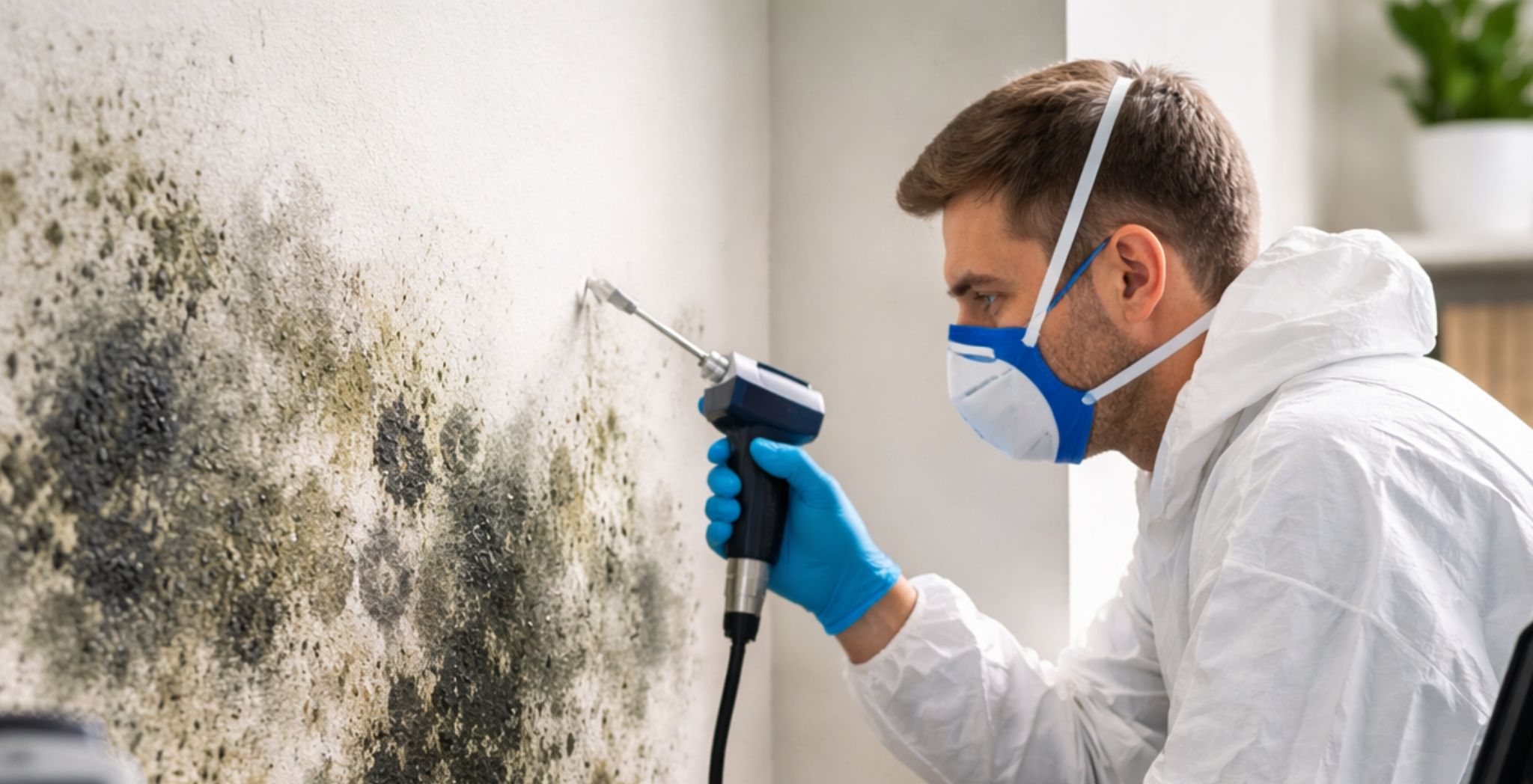
We spend the vast majority of our lives indoors—whether at home, in the office, or at school. Because we are indoors so much, the quality of the air we breathe is vital to our long-term health. However, there is a hidden intruder that often goes unnoticed until it becomes a significant problem: mold.
Mold is more than just an unsightly stain in a damp corner; it is a biological organism that releases microscopic spores into the air. When these spores are inhaled or touch the skin, they can cause a range of health issues and structural damage to property. This is where a mold exposure test becomes essential.
In this blog, we will break down what mold testing involves, why it matters, and how professional assessments can help you reclaim a healthy living environment.
What Is a Mold Exposure Test?
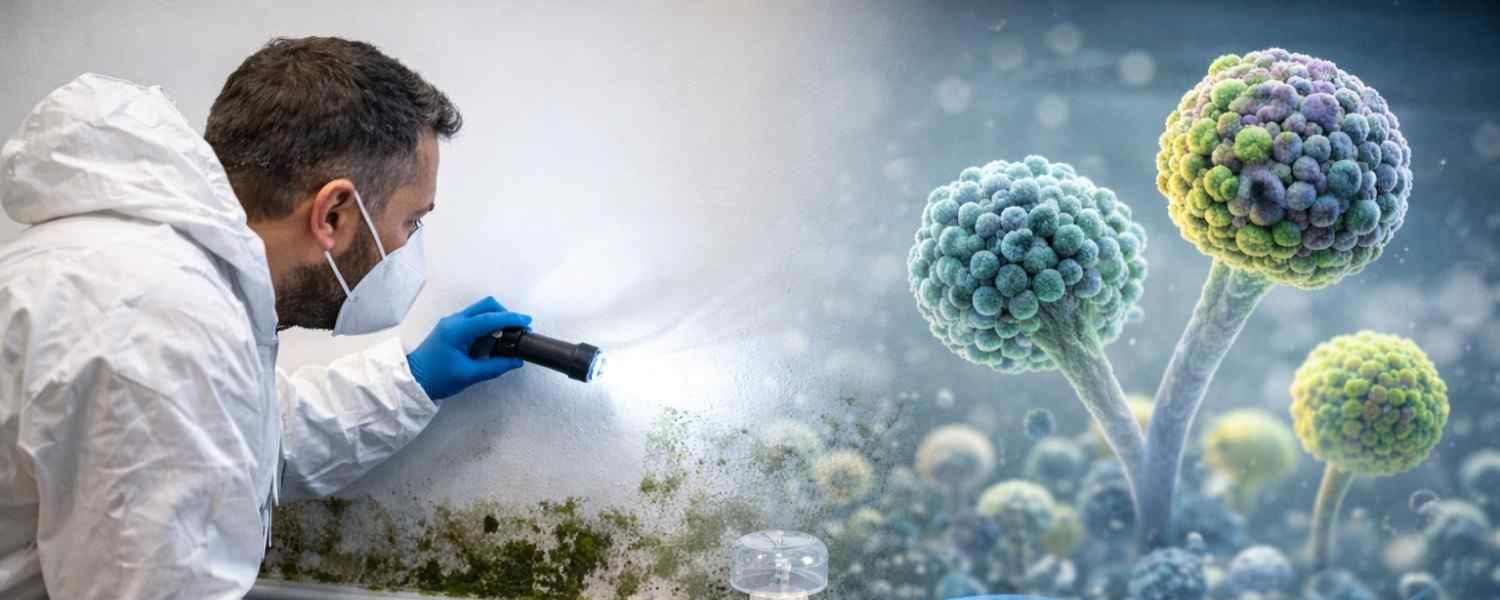
At its core, a mold exposure test is a diagnostic process used to identify the presence, type, and concentration of mold in an indoor environment. Unlike a simple visual inspection, testing aims to uncover what the naked eye cannot see. It focuses on discovering the “invisible” threat: airborne spores and hidden colonies tucked behind walls or inside ventilation systems.
The primary goal of a mold exposure test is threefold:
- Identify Presence: Confirming if mold is actually growing in the building.
- Determine Levels: Measuring the concentration of spores to see if they exceed “normal” background levels.
- Assess Impact: Understanding how these spores might be affecting the Indoor Air Quality (IAQ) and the health of the occupants.
When professionals conduct a Mold Investigation & Indoor Air Quality Assessment, they aren’t just looking for mold; they are looking at the entire ecosystem of the building. They evaluate humidity levels, temperature, and airflow to understand why the mold is there in the first place and how much of it you are breathing in daily.
Signs You Should Consider a Mold Exposure Test
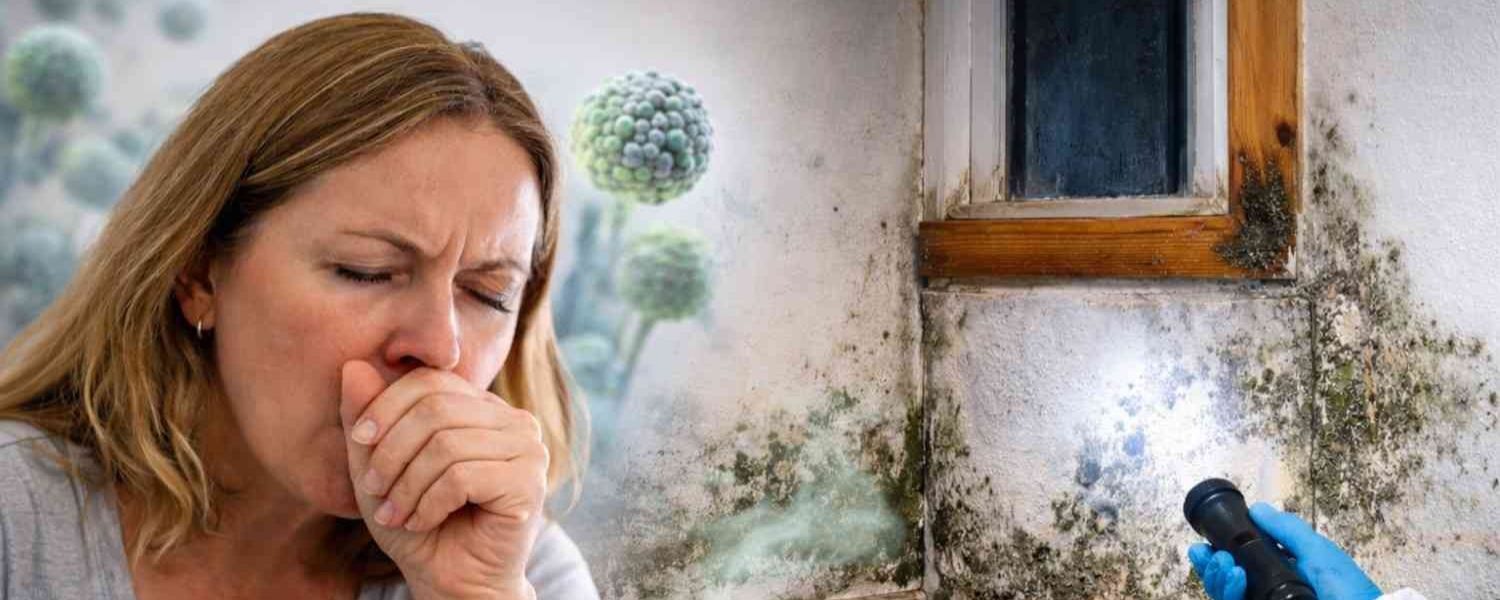
How do you know if you need a test? Sometimes the signs are obvious, but often they are subtle. If you find yourself nodding along to any of the following points, it may be time to call in the experts.
1. Physical Symptoms and Health Red Flags
For many people, the first sign of mold isn’t a spot on the wall—it’s a persistent cough. Mold exposure often mimics seasonal allergies or the common cold. Common symptoms include:
- Persistent sneezing and nasal congestion.
- Red, itchy, or watery eyes.
- Skin rashes or irritation.
- Shortness of breath or wheezing (especially in individuals with asthma).
- Unexplained fatigue or “brain fog.”
If your symptoms improve when you leave the building for a few days and return when you go back inside, your environment is likely the culprit.
2. Environmental Warning Signs
If the building itself is showing symptoms, you have a problem. Look for:
- Musty Odors: That “old basement” smell is actually the scent of microbial volatile organic compounds (mVOCs) released by mold.
- Past Water Damage: If you’ve had a pipe leak, a roof leak, or a flood, mold is almost guaranteed to follow unless the area was professionally dried within 24–48 hours.
- Visible Growth: Even a small patch of black, green, or white “fuzz” can be the tip of the iceberg.
Types of Mold Exposure Tests
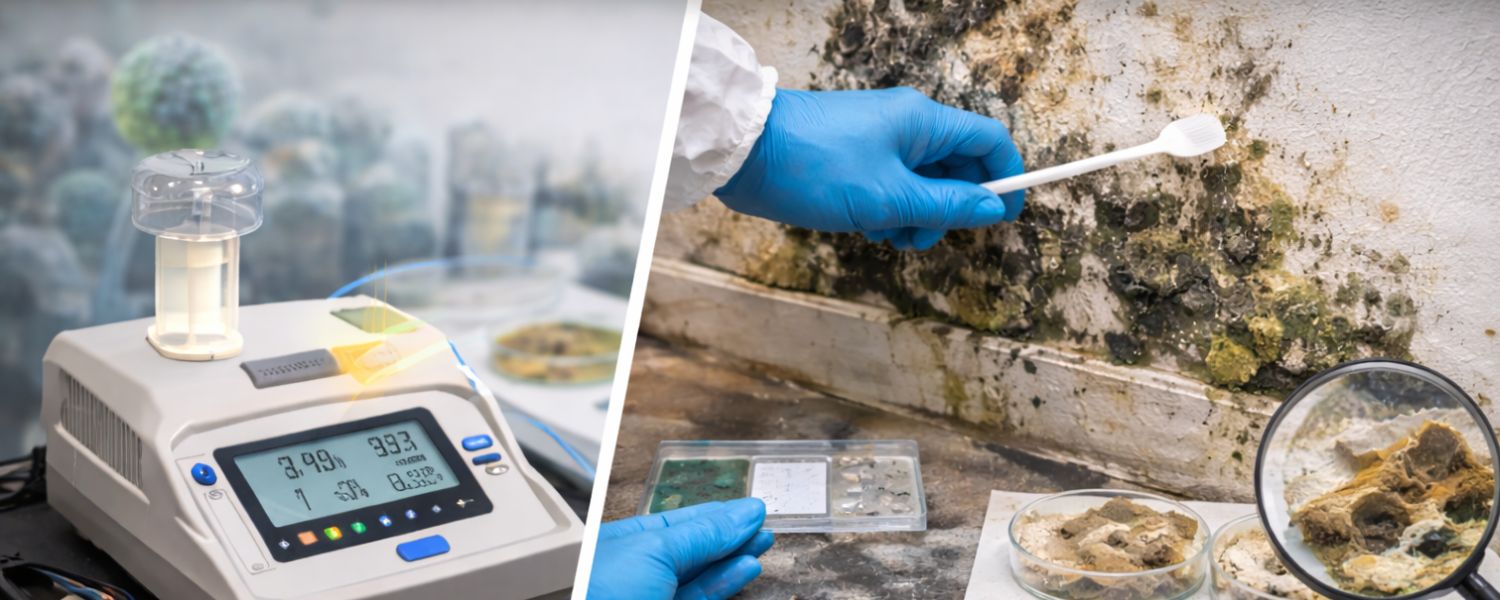
Not all mold tests are created equal. Depending on the situation, a professional may use one or a combination of the following methods to get a clear picture of the Indoor Air Quality Assessment.
Air Sampling
This is the most common form of testing. A professional uses a calibrated air pump to pull a specific volume of air through a collection cartridge. This captures airborne spores that are then analyzed under a microscope. By comparing indoor air samples to an outdoor “control” sample, experts can determine if there is an active mold source inside the building.
Surface Testing
If you see something suspicious, surface testing identifies exactly what it is. This is usually done via:
- Tape Lifts: A piece of specialized adhesive tape is pressed against the mold and then placed on a glass slide.
- Swab Samples: A sterile swab is used to collect biological material from a surface.
Bulk and Tape Lifts
Sometimes, a piece of the actual building material (like a chunk of drywall or a sliver of carpet) is taken to the lab. This is known as bulk sampling. It helps professionals understand how deeply the mold has “rooted” into the material, which is crucial for deciding whether the material can be cleaned or must be replaced.
Professional Testing vs. DIY Kits: Which Is Better?
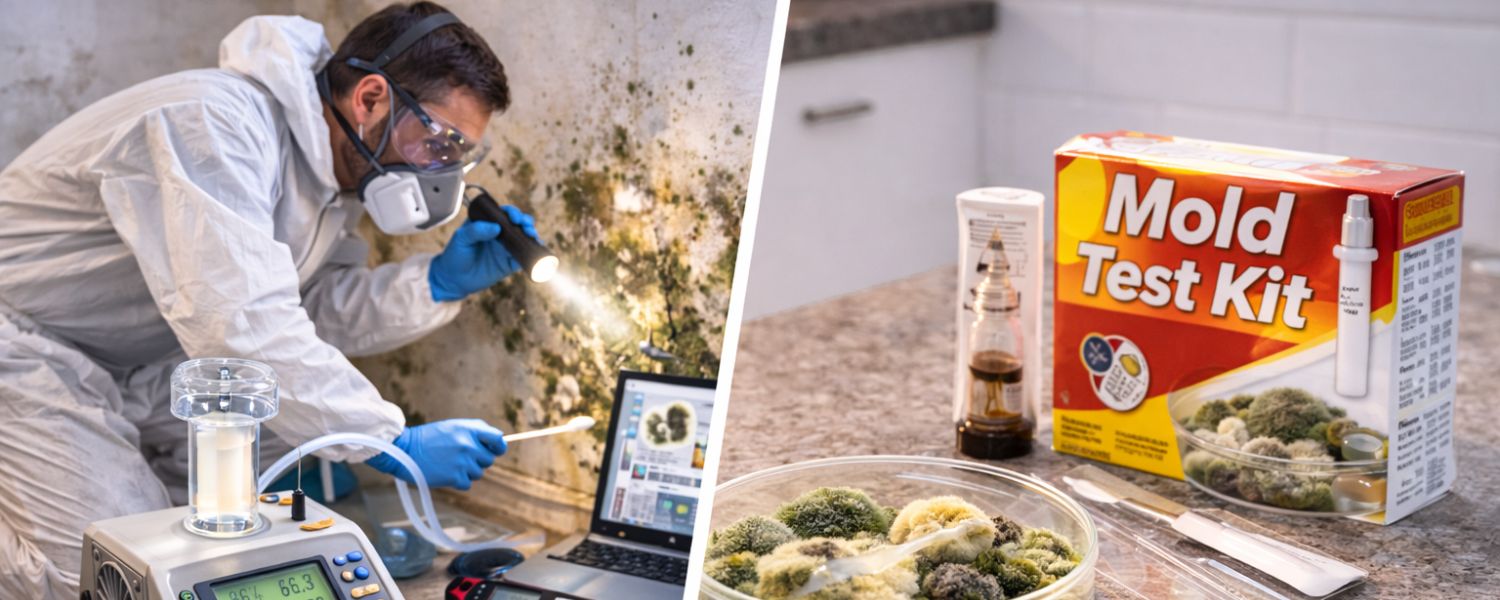
It is tempting to grab a $20 mold test kit from a hardware store. However, these kits are often misleading. Most DIY kits simply involve a “petri dish” that you leave out in the room. Because mold spores exist naturally in almost every environment (even healthy ones), the dish will almost always grow mold. This doesn’t tell you if you have a problem; it just tells you that mold exists in the world.
The Professional Advantage
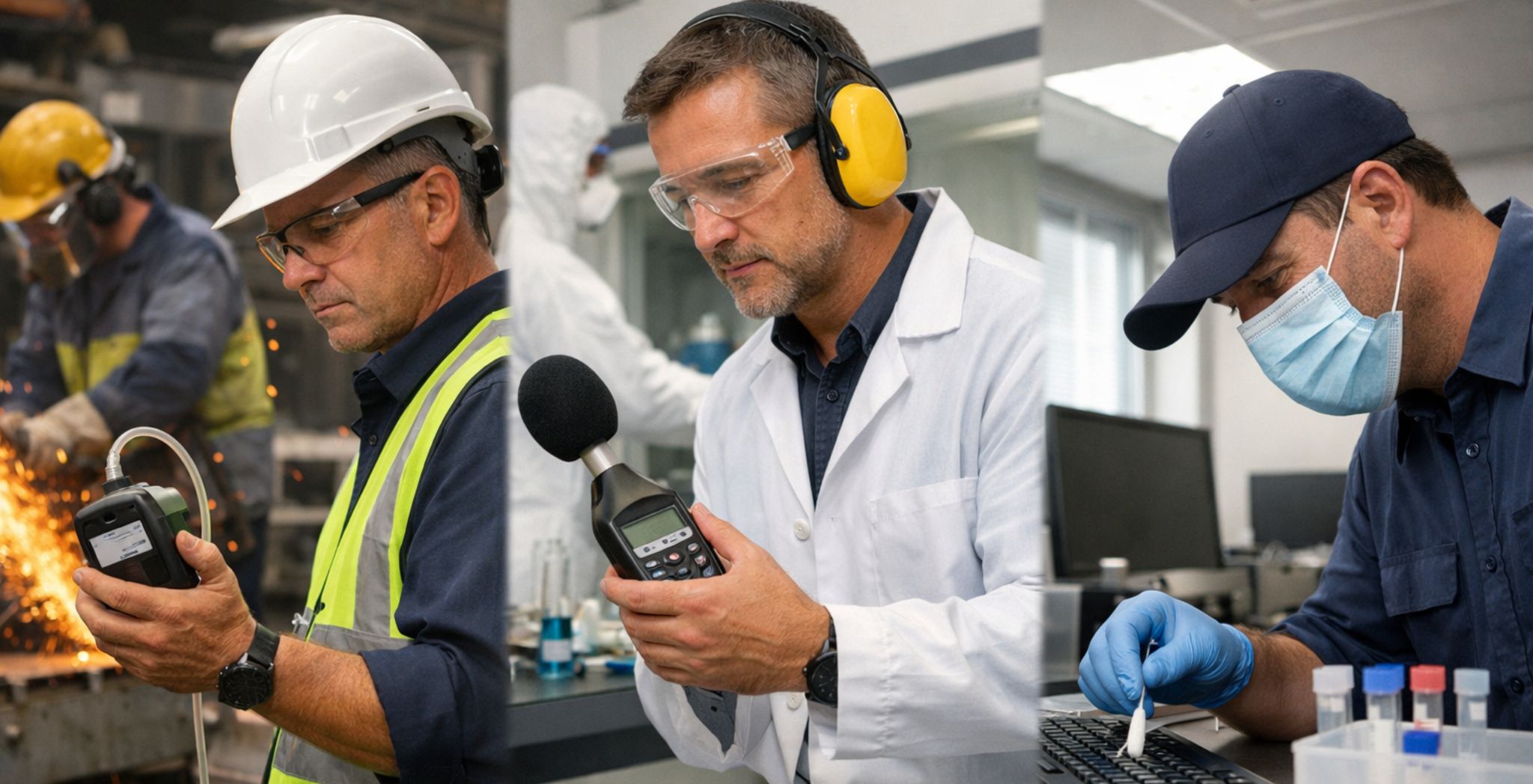
When you opt for an Industrial Hygiene Assessment & Exposure Monitoring service, you are paying for accuracy and expertise. Professionals use:
- Calibrated Equipment: To ensure the volume of air tested is precise.
- Laboratory Analysis: Samples are sent to accredited labs where mycologists identify specific mold species (such as Stachybotrys, often called “black mold”).
- Interpretation: A professional doesn’t just give you a “yes/no” answer. They provide a detailed report explaining what the levels mean and how to fix the root cause.
How Professionals Conduct Mold Exposure Testing
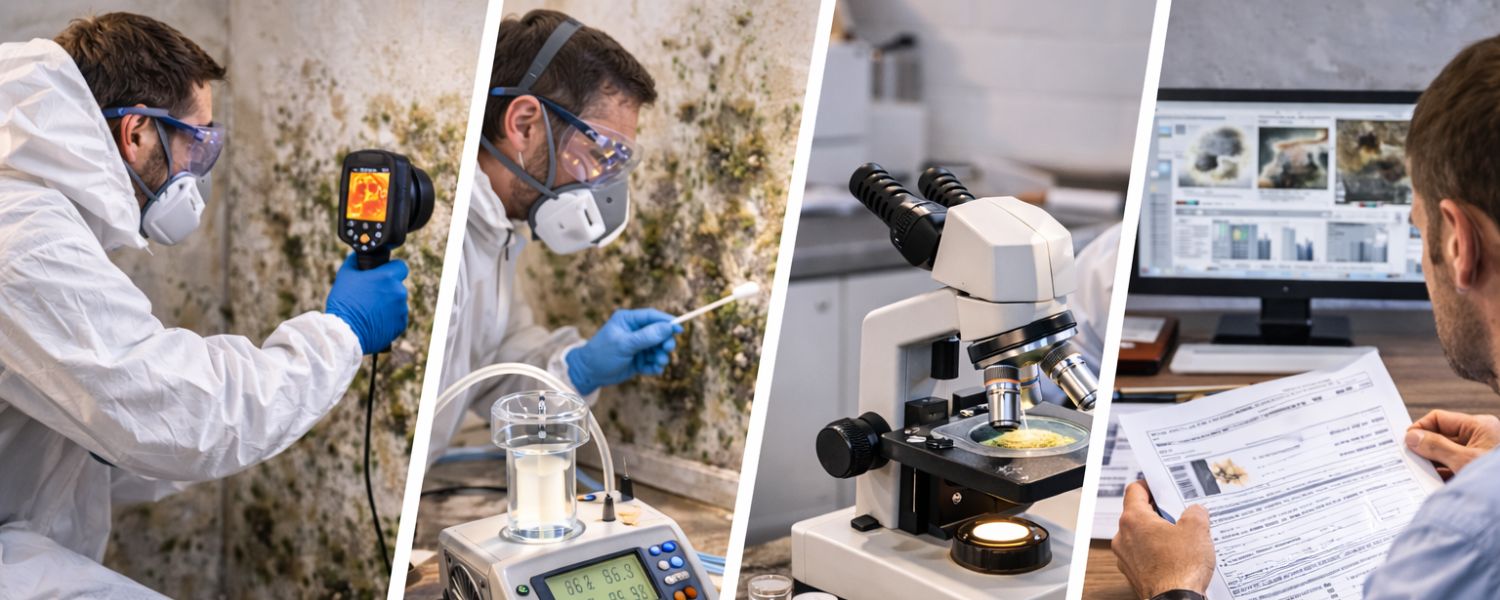
If you hire a team for a mold exposure test, here is what you can expect from the process:
- On-Site Assessment: The technician begins with a walkthrough, using moisture meters and thermal imaging cameras to find damp spots behind walls or under floors.
- Hypothesis Formulation: Based on the visual inspection, they decide where the highest risk areas are.
- Sample Collection: They collect air and surface samples using standardized, scientific protocols.
- Laboratory Analysis: The samples are analyzed in a controlled lab environment.
- Data Interpretation: The industrial hygienist reviews the lab results alongside their on-site findings to provide a comprehensive conclusion.
The Link Between Mold, HVAC, and Water Systems
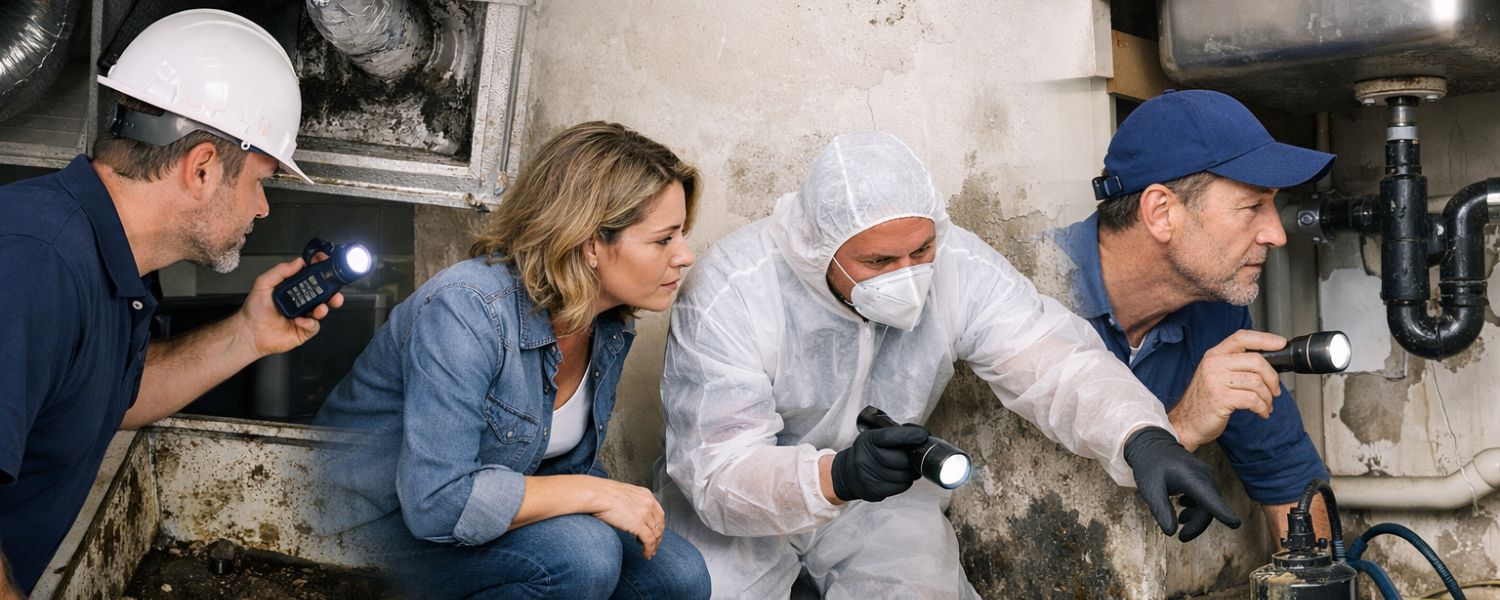
Mold doesn’t happen in a vacuum; it requires moisture and a way to travel. This is why mold testing often overlaps with other building systems.
HVAC Systems and Spore Spread
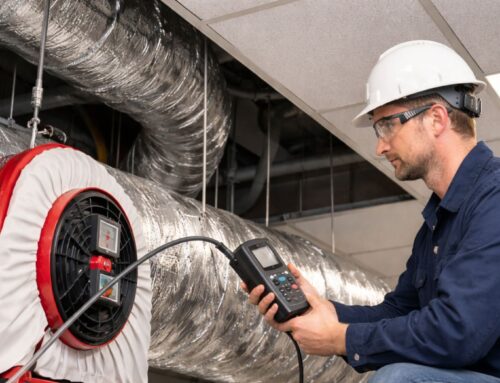
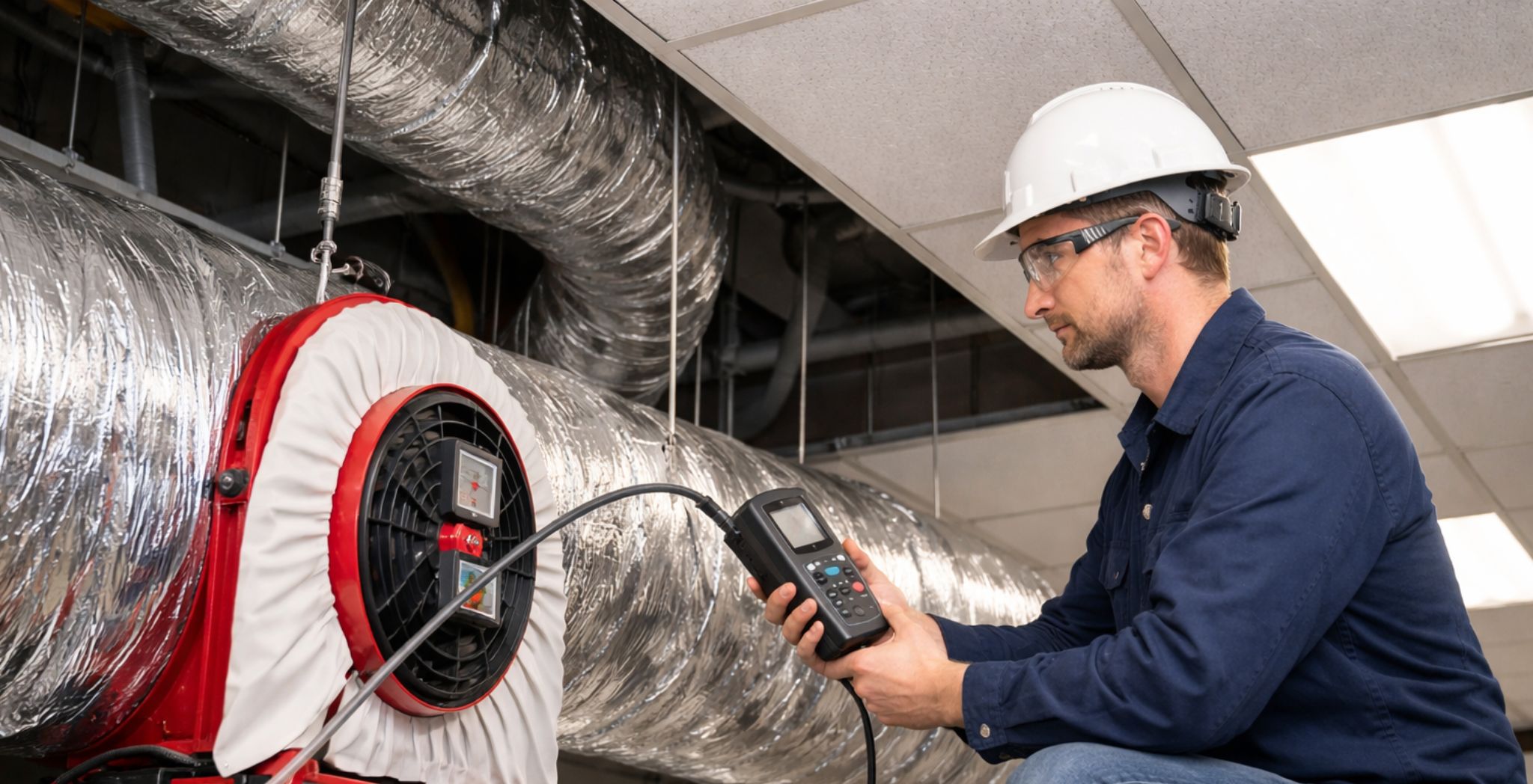
Your Heating, Ventilation, and Air Conditioning (HVAC) system is the “lungs” of your building. If mold is growing in the drain pan or inside the ductwork, the system will blast spores into every room every time the fan turns on. HVAC Testing, Adjusting & Balancing is a critical supportive service. By ensuring your ventilation is balanced and the air circulation is correct, you can prevent the stagnant, humid conditions that mold loves.
Water Damage and Compliance
Mold is a symptom of a water problem. Whether it’s a slow leak in a plumbing line or high humidity from a basement sump pump, water is the fuel. Water Testing & Compliance ensures that your water systems are not only safe for consumption but also contained. If you have recurring mold, the source is often a hidden water issue that requires professional detection.
What to Do After a Mold Exposure Test
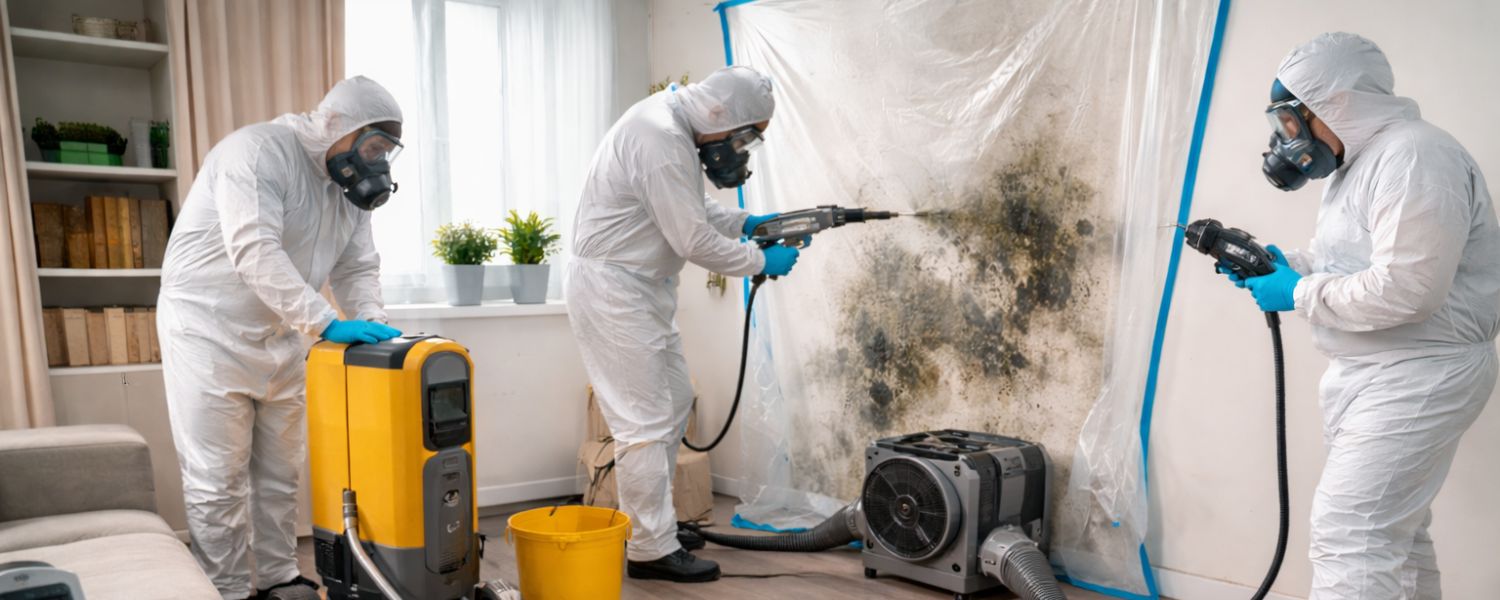
Once the results are in, you will receive a report. If the results show elevated levels of mold, don’t panic. Here is the typical roadmap:
- Step 1: Address the Moisture. You must fix the leak or the humidity issue first. If you remove the mold but leave the water, the mold will return.
- Step 2: Professional Remediation. For large areas (usually larger than 10 square feet), you should hire a professional remediation company. They will use HEPA filtration and “negative air” pressure to ensure that cleaning the mold doesn’t accidentally spread spores to the rest of the house.
- Step 3: Post-Remediation Testing. After the cleanup, a second round of testing should be done to ensure the air is now safe.
Conclusion: Protecting Your Health and Property
A mold exposure test is about more than just finding spots on a wall—it is about peace of mind. Mold can be a silent threat, affecting your respiratory health, energy levels, and the structural integrity of your property. By investing in a professional Mold Investigation & Indoor Air Quality Assessment, you are taking a proactive step toward a safer environment.
Whether you are dealing with the aftermath of a flood, experiencing strange health symptoms, or simply want to ensure your office air is clean, professional testing provides the data you need to make informed decisions.
Don’t leave your health to chance. If you suspect mold in your home or business, contact our team today. We provide expert Industrial Hygiene Assessment & Exposure Monitoring and comprehensive testing services to help you breathe easy again. From checking your HVAC balance to ensuring water compliance, we are here to provide the total solution for your indoor environment.





Leave A Comment