

When it comes to preparing sterile medications, there is absolutely no room for error. Even the tiniest contamination can put a patient’s life at risk. That is why USP 797 exists — and why healthcare facilities across the country take it so seriously.
USP 797 is a set of standards published by the United States Pharmacopeia (USP) that governs how sterile medications must be compounded. It applies to pharmacies, hospitals, clinics, and any other healthcare environment where sterile preparations are made. These standards cover everything from the physical design of the cleanroom to how staff members dress, behave, and clean their workspace.
Compliance with USP 797 is not optional. Regulatory bodies, state boards of pharmacy, and accreditation organizations all expect healthcare facilities to follow these guidelines. Failure to comply can lead to contaminated medications, patient harm, regulatory fines, and serious legal consequences.
In this blog, we will break down what USP 797 actually requires, why compliance matters so much, what proper cleaning procedures look like, and how Health System Sciences LLC can help facilities in New Mexico achieve full USP 797 cleanroom certification with confidence.
What is USP 797?
USP 797 is a chapter within the United States Pharmacopeia that sets the minimum quality standards for compounding sterile preparations (CSPs). In simpler terms, it is the rulebook for anyone who prepares injectable medications, eye drops, and other sterile drugs outside of a traditional manufacturing plant.
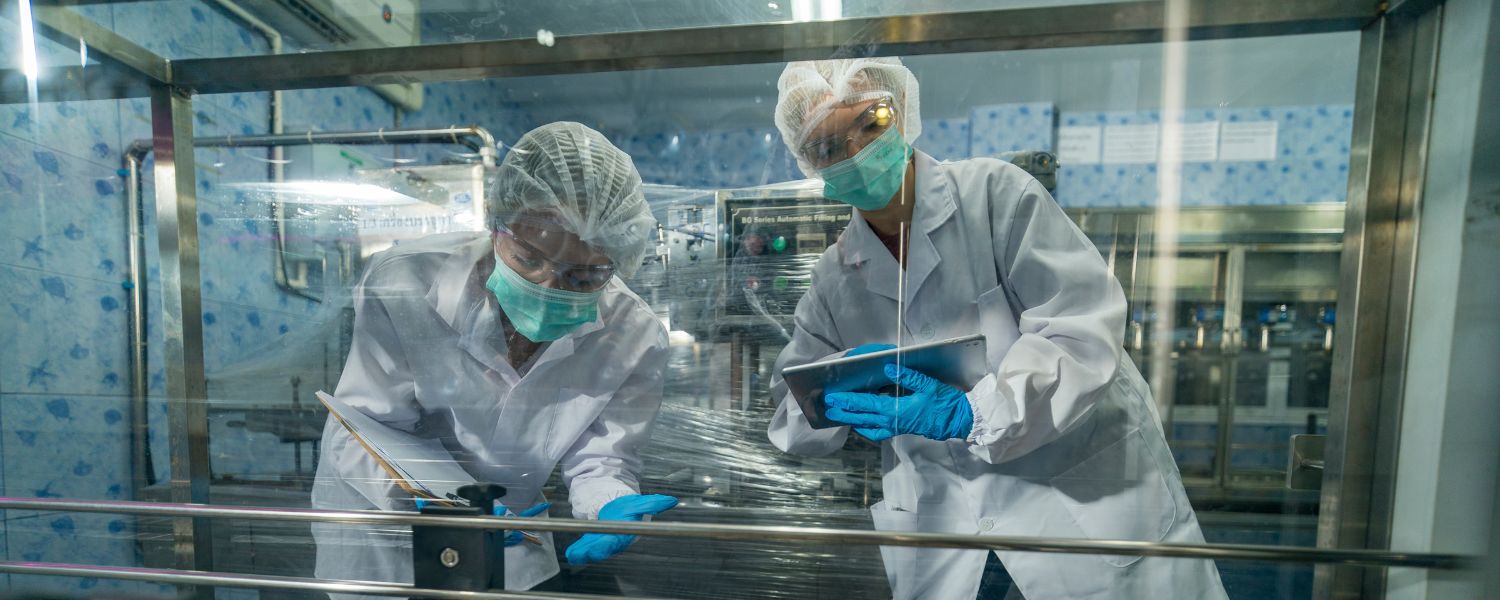
The chapter was first introduced in 2004 and has gone through significant revisions over the years. The most recent version, which became official in 2023, includes updated requirements around facility design, environmental monitoring, personnel training, and beyond-use dating (BUD) which refers to how long a compounded medication can safely be used after preparation.
The goal of USP 797 is straightforward: prevent contamination. Sterile medications that are contaminated with bacteria, fungi, or other harmful substances can cause life-threatening infections in patients, especially those who are already vulnerable think patients receiving IV medications, chemotherapy, or eye treatments.
A USP 797 cleanroom is the physical space where sterile compounding takes place. This room must meet very specific design and operational requirements to keep the environment free of airborne and surface contaminants. The cleanroom is not just a clean room in the everyday sense — it is an engineered space with controlled air quality, pressure differentials, and filtration systems designed to meet strict regulatory thresholds.
Without a properly certified cleanroom, no facility can legally or safely engage in sterile compounding. This is why USP 797 certification is such an important step for any pharmacy or healthcare facility involved in this work.
Key USP 797 Requirements
USP 797 requirements cover several interconnected areas. Meeting all of them is essential for maintaining a compliant sterile compounding environment.
Cleanroom Design and Engineering Controls
The physical setup of the cleanroom must meet specific air cleanliness classifications. USP 797 requires the use of ISO-classified cleanrooms — typically ISO 5, ISO 7, and ISO 8 — depending on the area’s function. The primary engineering control (PEC), such as a laminar airflow workbench or biological safety cabinet, must maintain ISO 5 conditions at the point of compounding.
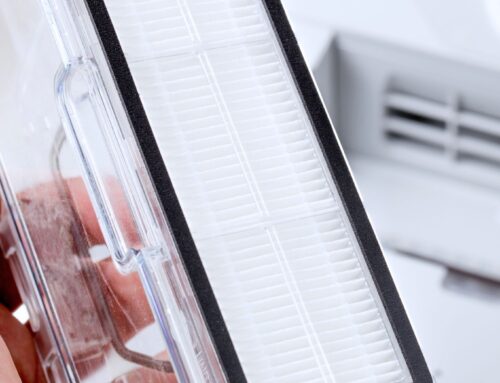
The cleanroom must also maintain positive or negative air pressure relative to surrounding areas, depending on the type of compounding taking place. Proper HEPA filtration systems must be in place to remove particulates from the air. Air changes per hour (ACPH) must meet minimum thresholds to keep contamination risk low.
Personnel Hygiene and Garbing
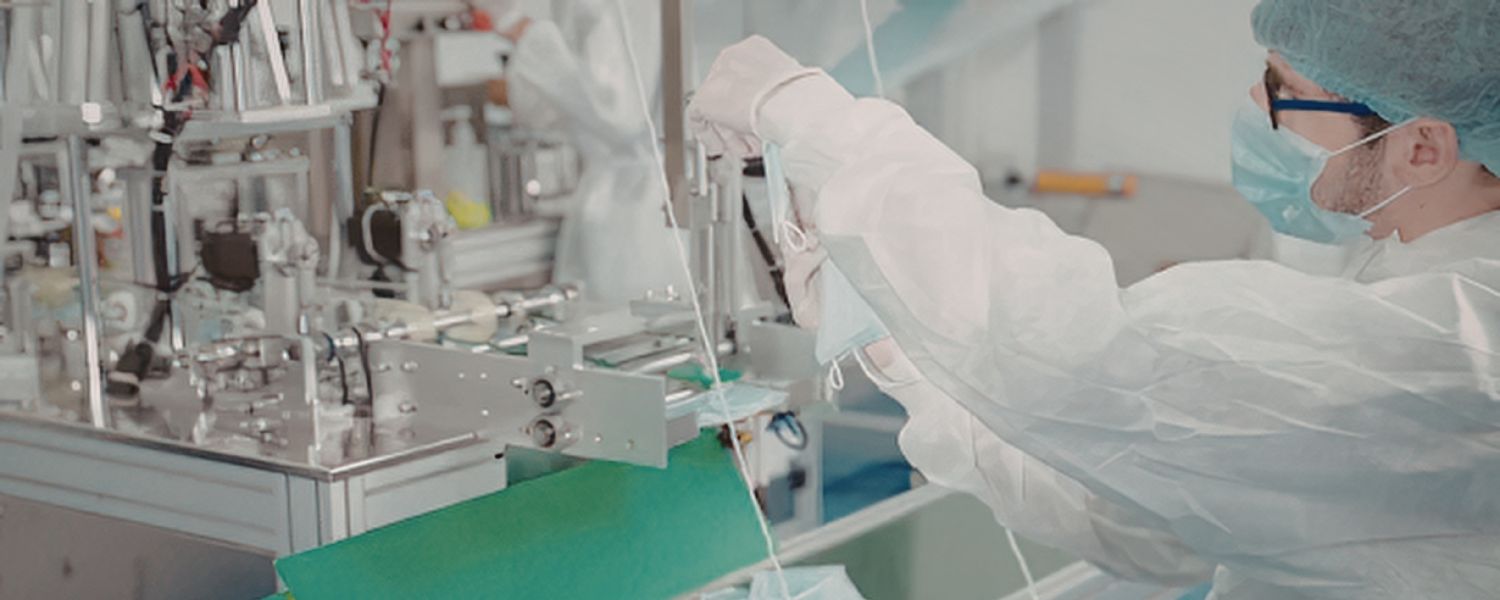
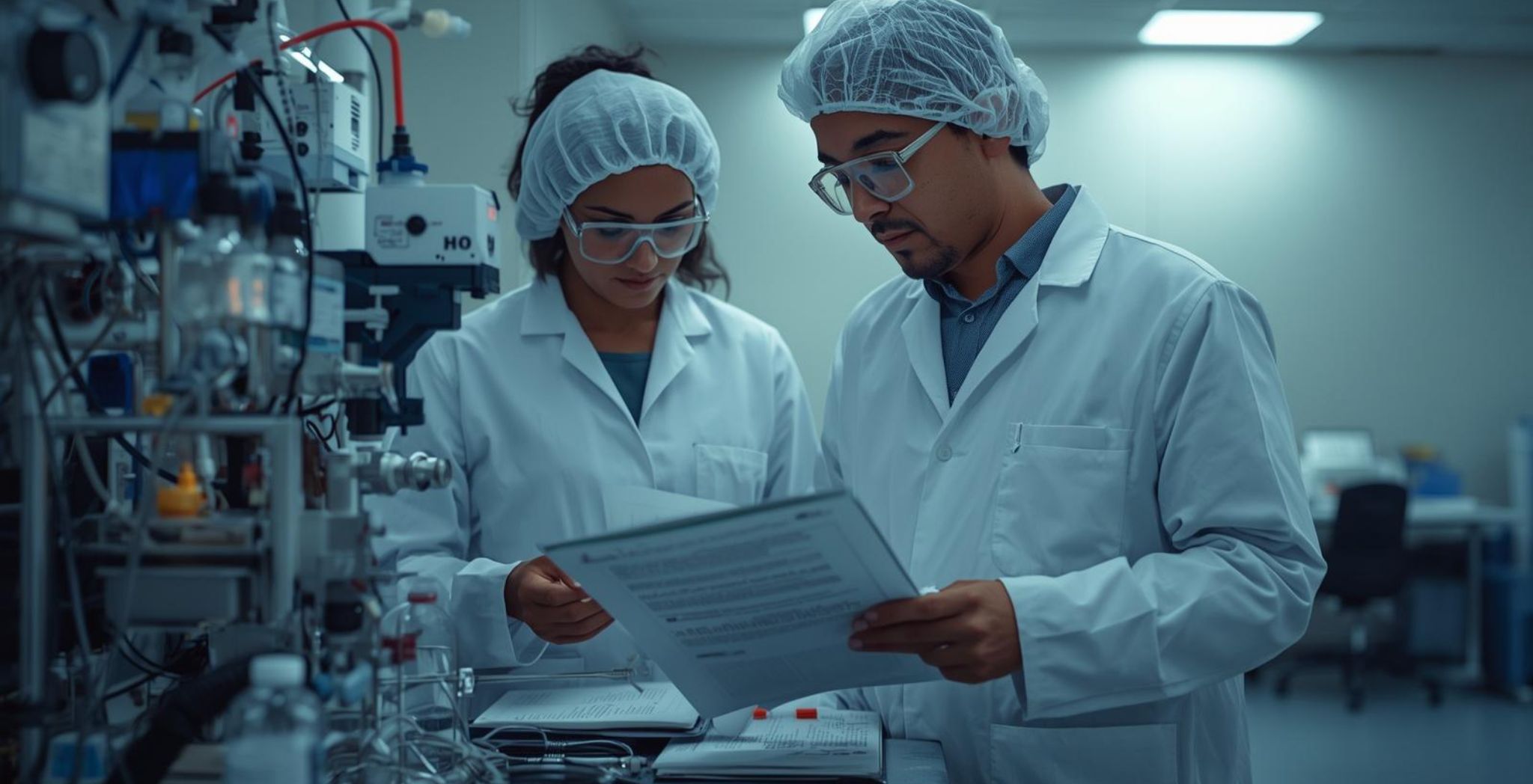
Staff working in a sterile compounding environment must follow strict personal hygiene protocols. This includes thorough hand washing before entering the cleanroom, as well as wearing appropriate personal protective equipment (PPE). Garbing requirements typically include sterile gloves, gowns, hair covers, shoe covers, face masks, and in some cases, eye protection. Staff must be trained on proper donning and doffing procedures to avoid contaminating themselves or the environment.
Environmental Monitoring
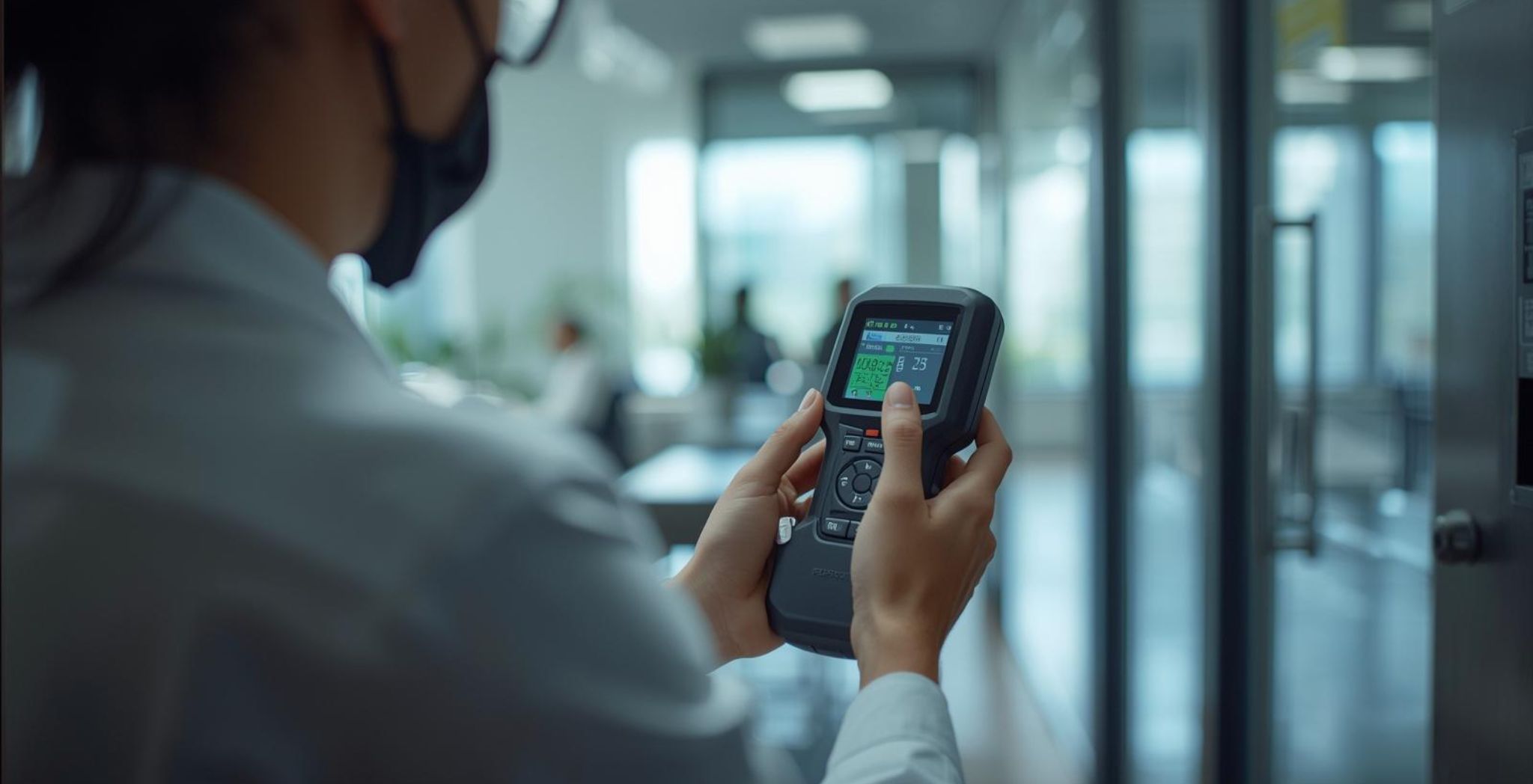
Ongoing environmental monitoring is a core part of USP 797 requirements. This includes regular air sampling using viable air samplers and settle plates to detect microbial contamination, as well as surface sampling using contact plates and swabs. Particle counts must also be recorded to verify that ISO classifications are being maintained.
Equipment and Supplies
All equipment used in sterile compounding must be appropriate for the task and properly maintained. This includes laminar flow hoods, biological safety cabinets, autoclaves, and any other tools that come into contact with the preparation or the compounding environment. Equipment must be regularly cleaned, calibrated, and inspected.
Compounding Area Cleanliness
The cleanroom and all surfaces within it must be cleaned and disinfected on a regular schedule using agents that are effective against a broad range of microorganisms. Documentation of all cleaning activities is required to demonstrate ongoing compliance.
Why USP 797 Compliance is Essential for Cleanrooms
The stakes in sterile compounding are incredibly high. Patients who receive contaminated medications can develop serious infections, sepsis, or other life-threatening complications. History has shown what can happen when compounding standards are not followed. Nationwide outbreaks linked to contaminated compounded drugs have resulted in deaths and permanent injuries.
USP 797 compliance is not just about following the rules. It is about genuinely protecting the people who depend on these medications every day.
From a regulatory standpoint, non-compliance can have severe consequences. State boards of pharmacy conduct inspections and can shut down operations, issue fines, or revoke licenses. Accreditation bodies like The Joint Commission also review compounding practices during facility evaluations. A failed inspection can damage a facility’s reputation for years.
Beyond regulatory concerns, there is also the matter of liability. If a patient is harmed due to a contamination event in a non-compliant compounding environment, the legal and financial consequences can be devastating.
A USP 797 cleanroom that meets all certification requirements is the best protection a facility has both for its patients and for itself. This is where Health System Sciences LLC comes in. Their team of experts understands exactly what inspectors look for and can guide facilities through every step of achieving and maintaining compliance.
Cleaning Procedures for USP 797 Compliance
Proper cleaning is one of the most critical ongoing responsibilities in any sterile compounding environment. USP 797 cleaning procedures are detailed and non-negotiable.
Cleaning must be performed on a documented schedule. Daily cleaning typically includes disinfecting all surfaces in the cleanroom and the primary engineering control using an appropriate disinfectant. Weekly cleaning involves a more thorough decontamination of floors, walls, and ceilings. Some facilities also perform monthly deep cleans that address harder-to-reach surfaces and equipment.
The cleaning agents used must be appropriate for the environment and effective against a broad spectrum of bacteria, fungi, and spores. Sporicidal agents are required periodically to address the risk of spore-forming organisms. Cleaning tools like mops, wipes, and gloves — must be sterile and lint-free to avoid introducing new contaminants.
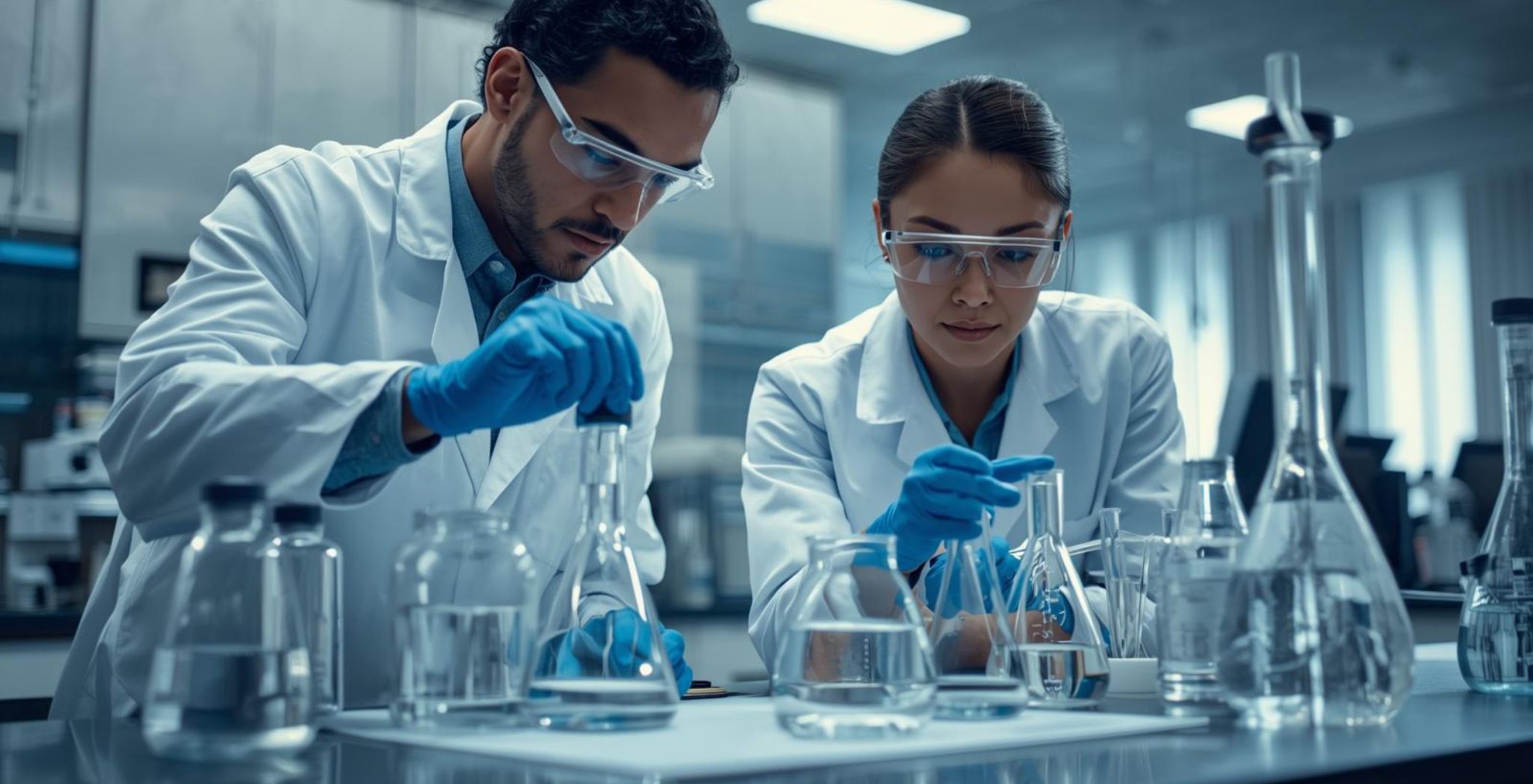
After cleaning, surface sampling is performed to verify that the disinfection was effective. These samples are sent to a certified laboratory for analysis. Results must fall within acceptable limits to confirm that the environment remains in compliance.
Staff must be thoroughly trained on correct cleaning procedures, including how to apply disinfectants correctly, how long they need to remain in contact with surfaces, and how to document each cleaning session. Training is not a one-time event it must be refreshed regularly to ensure ongoing competency.
How to Get USP 797 Cleanroom Certification in New Mexico
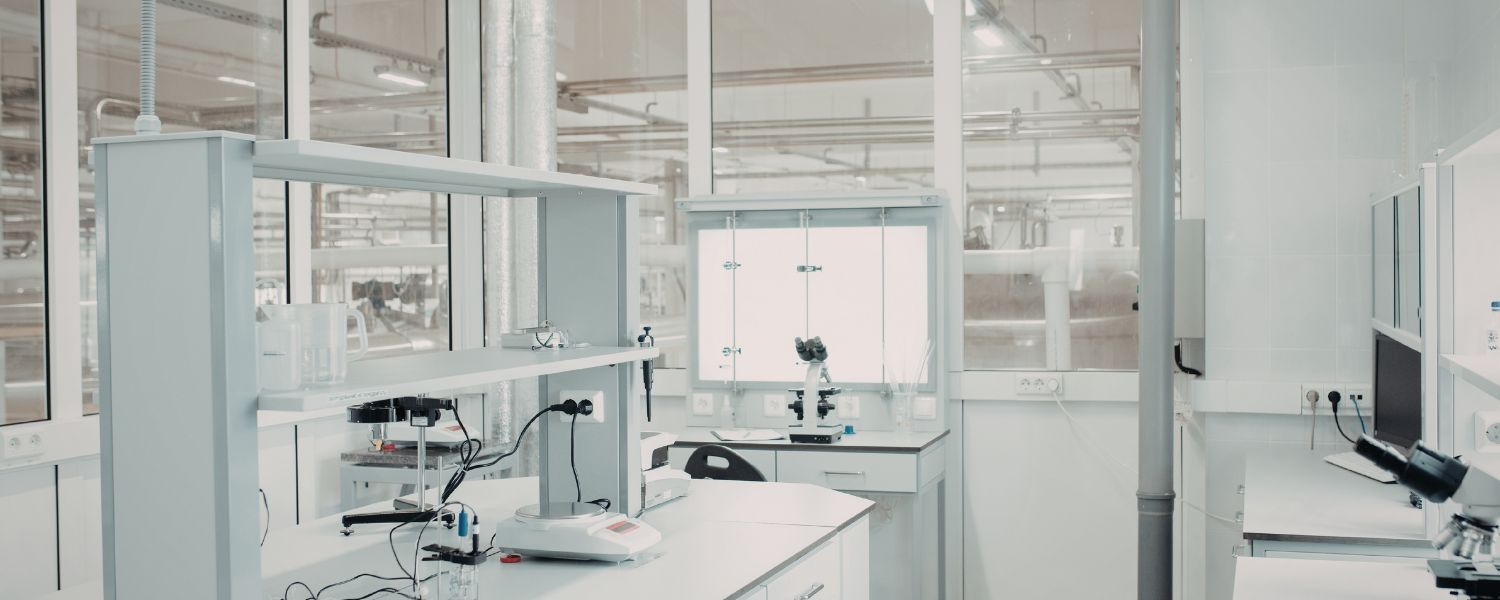
If your facility in New Mexico is involved in sterile compounding — or planning to be — obtaining USP 797 cleanroom certification is a necessary and important step.
Health System Sciences LLC is a trusted provider of environmental compliance and cleanroom certification services in New Mexico. Their team brings deep expertise in USP 797 standards and understands the full scope of what certification involves.
The process typically begins with a comprehensive assessment of your current facility. This evaluation identifies any gaps between your existing setup and what USP 797 requires. From there, Health System Sciences LLC works with your team to address those gaps, whether that involves facility modifications, updated cleaning protocols, staff training, or environmental monitoring programs.
Once corrective actions are in place, the team validates your cleanroom to confirm it meets all required standards. This includes particle count testing, air pressure verification, and environmental sampling. Documentation is compiled and organized to support regulatory review.
Whether you are starting from scratch or updating an existing cleanroom to meet the 2023 USP 797 revisions, Health System Sciences LLC has the knowledge and experience to guide you through the process from start to finish.
Contact Health System Sciences LLC today to schedule your initial consultation and take the first step toward full USP 797 compliance.
Achieve Full USP 797 Compliance with Expert Certification Services
Ensure your cleanroom meets the latest standards and maintain a safe, compliant environment for sterile compounding. Health System Sciences LLC is here to guide you through every step of the certification process.
Our expert team in New Mexico specializes in USP 797 cleanroom certification. Don’t risk patient safety or face regulatory issues—take action today to ensure compliance and safety.
Frequently Asked Questions (FAQ)
Q. What is the difference between USP 797 and USP 800?
USP 797 governs the compounding of sterile preparations, meaning medications that must be free of contaminants and microorganisms. USP 800 focuses specifically on the safe handling of hazardous drugs, such as chemotherapy agents, to protect both patients and healthcare workers from exposure. A facility may need to comply with both, depending on the types of medications it handles.
Q. Is USP 797 sterile or non-sterile?
USP 797 applies specifically to sterile compounding. It covers preparations that are administered in ways that bypass the body’s natural defenses, such as injections and eye drops. Non-sterile compounding like creams, capsules, and oral liquids, falls under USP 795.
Q. What is USP 795, 797, and 800 compliance?
These three chapters each address a different category of compounding. USP 795 sets standards for non-sterile compounding. USP 797 covers sterile compounding. USP 800 deals with the safe handling and preparation of hazardous drugs. Many facilities must comply with more than one of these chapters depending on their scope of services.
Q. What are the cleaning procedures for USP 797?
Cleaning under USP 797 involves daily surface disinfection, periodic sporicidal treatments, air and surface sampling, and thorough documentation of all activities. All cleaning agents and tools must be appropriate for a sterile environment and used according to validated procedures.
Q. Where can I get USP 797 cleanroom certification services in New Mexico?
Health System Sciences LLC provides expert USP 797 cleanroom certification services in New Mexico. Their experienced team handles everything from facility assessments to final validation and documentation support.
Conclusion
USP 797 exists for one fundamental reason: to make sure that patients receive sterile medications that are safe, effective, and free from contamination. For any healthcare facility involved in sterile compounding, meeting these standards is not just a regulatory requirement — it is a commitment to the people they serve.
From cleanroom design and personnel training to environmental monitoring and cleaning procedures, USP 797 covers every aspect of the compounding process. Staying compliant requires ongoing attention, proper systems, and the right expertise.
Health System Sciences LLC is here to help. As a trusted provider of cleanroom certification and environmental compliance services in New Mexico, their team will work alongside your facility to ensure every requirement is met and every standard is maintained.
Contact Us today to get your USP 797 cleanroom certification and ensure compliance with regulatory standards. Your patients depend on it.


Leave A Comment