
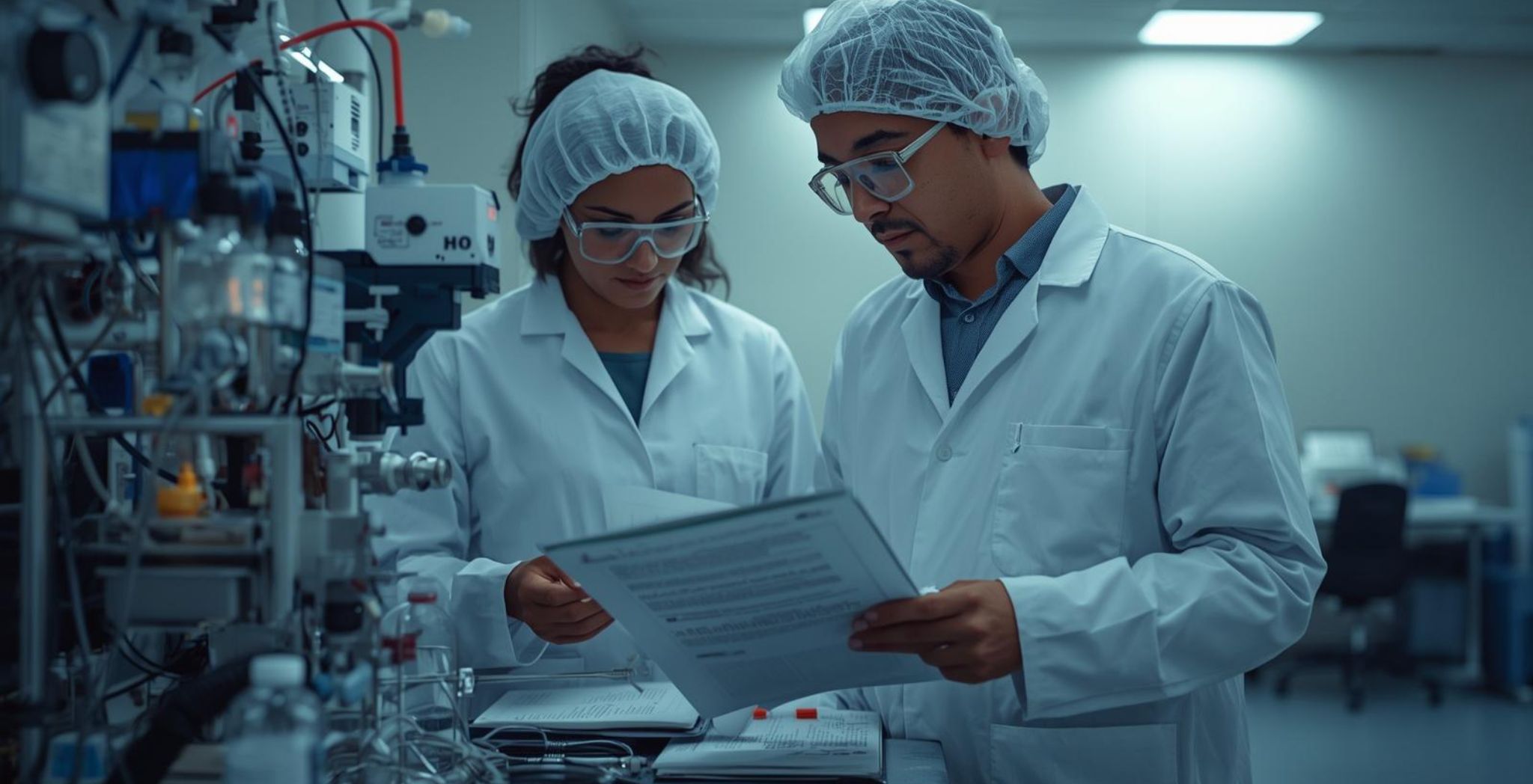
Cleanroom Certification, In the world of high-stakes manufacturing and healthcare, “clean” is a relative term. What looks spotless to the naked eye can be teeming with microscopic particles that threaten the integrity of a life-saving drug or the functionality of a semiconductor.
This is where cleanroom certification becomes the backbone of operational safety. It is not merely a badge of honor; it is a rigorous, data-driven validation process that ensures a controlled environment meets specific standards for air cleanliness, pressure, and microbial contamination.
Whether you are operating a sterile compounding pharmacy or a high-tech laboratory, maintaining a certified environment is essential for regulatory compliance and, more importantly, patient and product safety.
Industries such as pharmaceuticals, biotechnology, and medical device manufacturing rely on these controlled spaces to prevent catastrophic contamination.
This guide will walk you through the complexities of certification requirements, the nuances of USP 797and USP 800 cleanroom certification services standards, and the critical role of ISO classifications.
Achieving and maintaining these standards requires precision, which is why facilities nationwide turn to Health System Sciences LLC for expert cleanroom certification services.
Understanding Cleanroom Certification
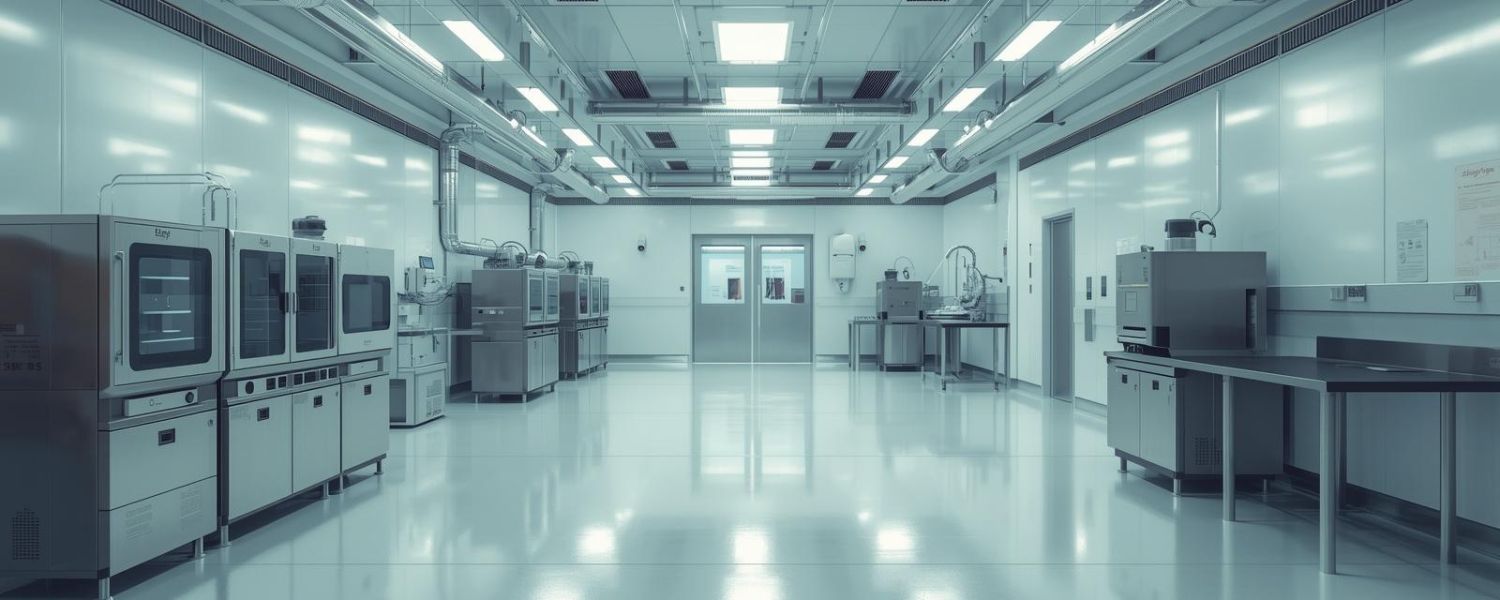
At its core, cleanroom certification is a formal process that verifies a room’s performance against established international and federal standards. It isn’t enough to build a room with HEPA filter services; you must prove, through documented testing, that the room actually performs as intended under specific conditions—whether “as-built,” “at-rest,” or “operational.”
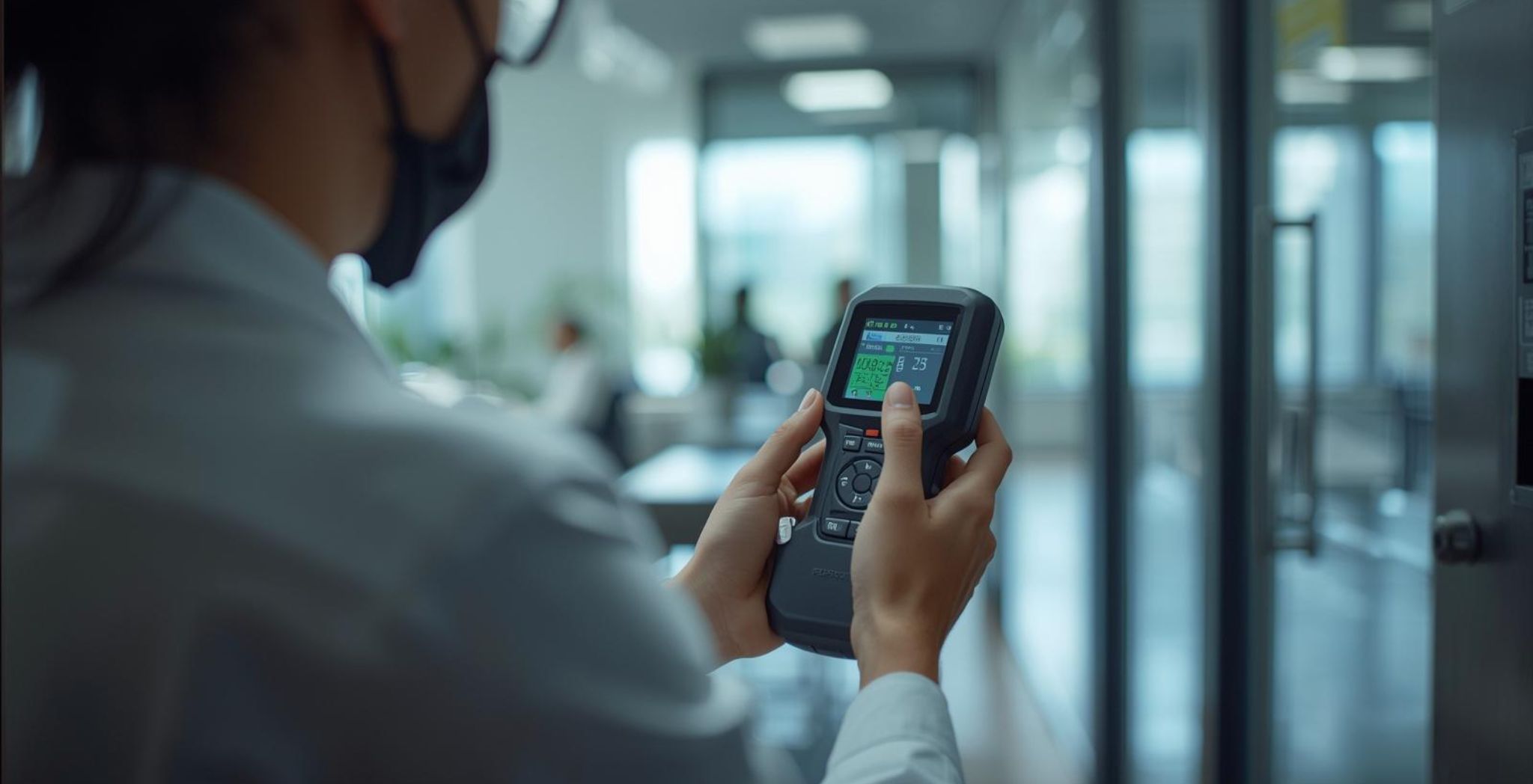
The certification process involves a battery of tests designed to measure environmental parameters. These include particle counts, airflow velocity, room pressure differentials, and filter integrity leaks. By validating these factors, a facility ensures that its contamination control strategies are working effectively.
Why Certification Requirements Matter
The cleanroom certification requirements vary significantly depending on the industry. For example, a semiconductor plant focuses heavily on sub-micron particle counts to protect silicon wafers, while a pharmacy cleanroom certification prioritizes viable (living) contamination like bacteria and fungi.
While ISO cleanroom certification provides a global framework for air cleanliness, healthcare-specific regulations like those from the USP add layers of safety for drug preparation. Without regular certification, a facility risks regulatory fines, product recalls, and—in the case of sterile compounding—serious harm to patients. Professional cleanroom certification services provide the third-party objectivity needed to guarantee that your facility remains a safe harbor for sensitive work.
USP 797 and USP 800 Cleanroom Certification Requirements
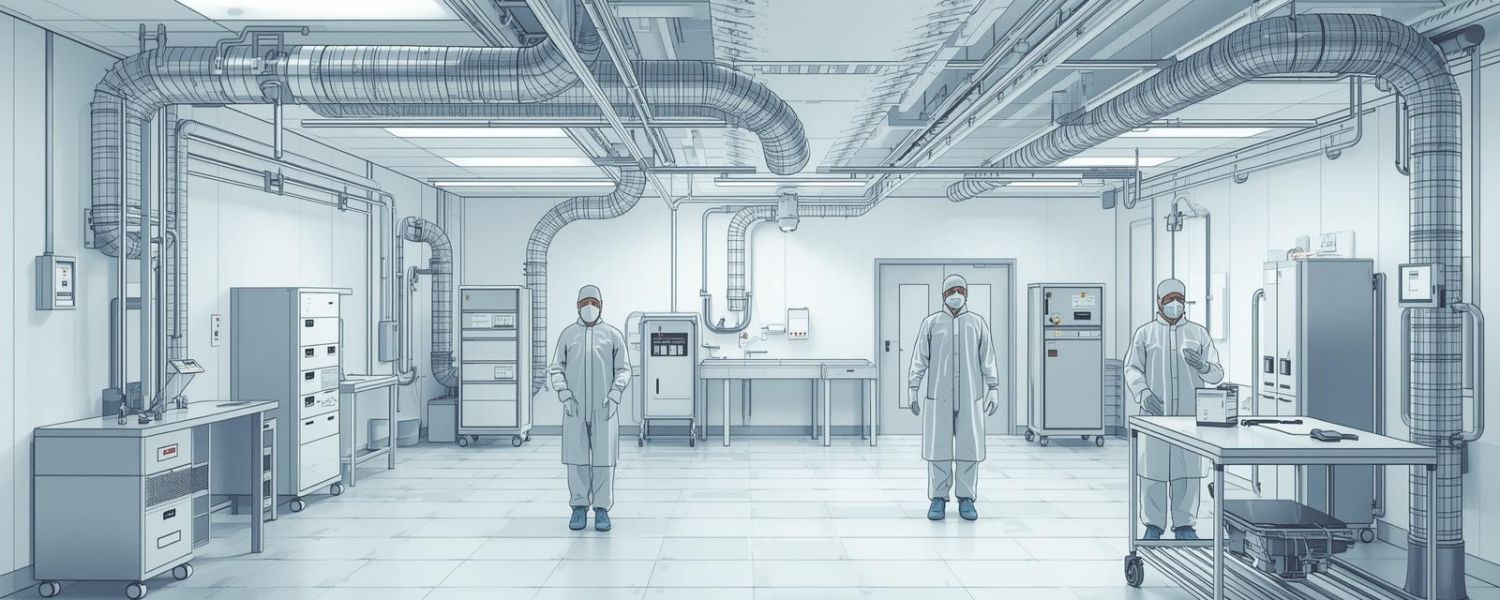
For healthcare facilities and compounding pharmacies, the United States Pharmacopeia (USP) sets the gold standard. Compliance is not optional; it is a legal requirement in most jurisdictions to ensure that medications are prepared in an environment that prevents harm.
USP 797: Sterile Compounding
The USP 797 cleanroom standards focus on the procedures and environmental requirements for the pre-administration transition of sterile drugs. To achieve certification under USP 797, a pharmacy must demonstrate strict control over air quality, typically requiring an ISO Class 5 primary engineering control (PEC) situated within an ISO Class 7 buffer room. Certification involves semi-annual testing of:
- Air pressure differentials.
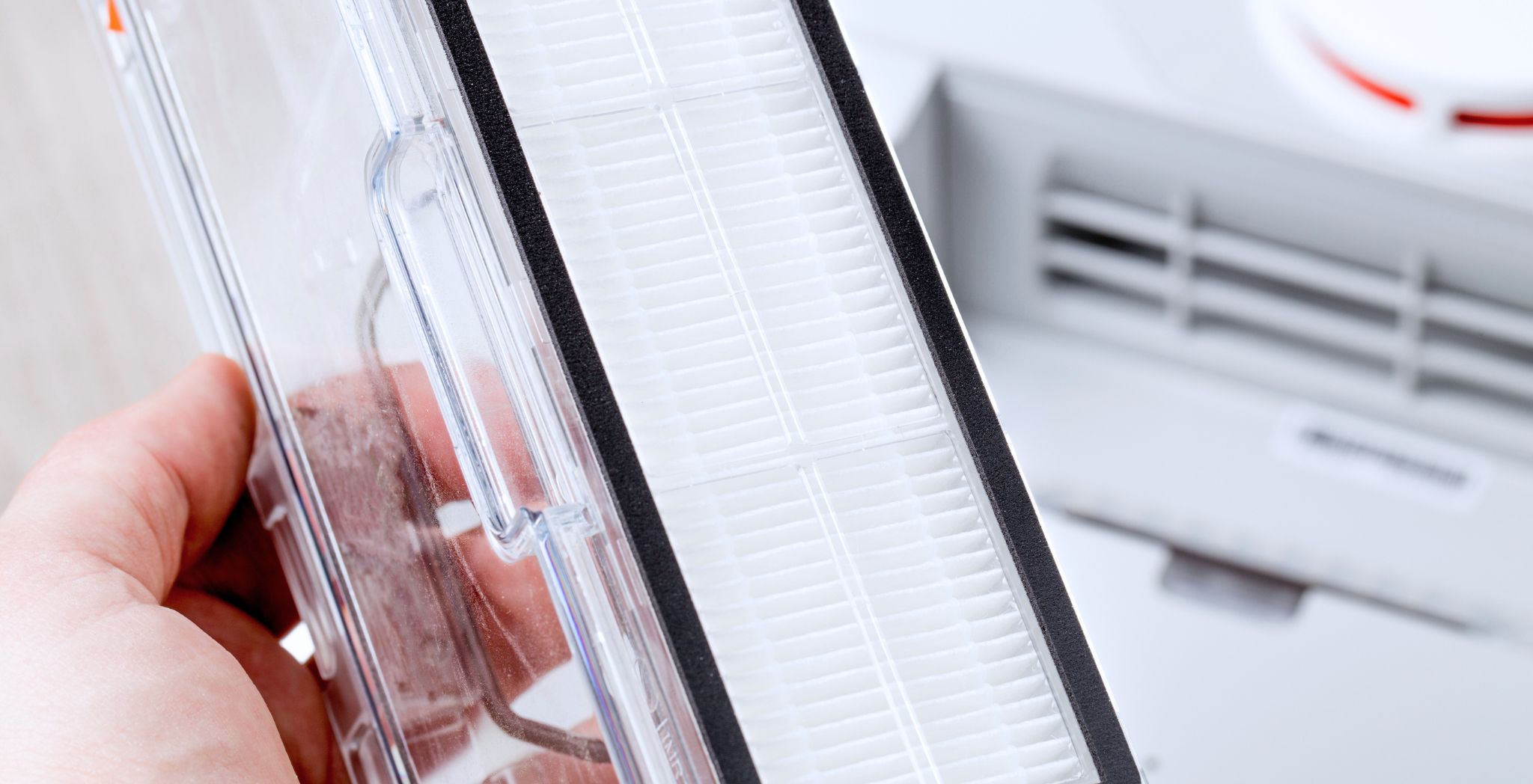
- HEPA filter integrity.
- Dynamic airflow smoke patterns to visualize “first air” protection.
USP 800: Hazardous Drug Safety
While USP 797 focuses on the product, USP 800 cleanroom requirements focus on the person. This standard addresses the handling of hazardous drugs (HDs) to protect healthcare workers and the environment. A usp 800 cleanroom must be physically separated from other preparation areas and must maintain negative pressure.
The usp 800 cleanroom standards require specific venting to the outside and a minimum number of air changes per hour (ACPH). Because these rooms are designed to keep contaminants inside the controlled space (to protect the staff outside), the certification process is uniquely rigorous. Combining the requirements of a usp 800 cleanroom with sterile requirements (USP 797) creates a complex environment that demands expert validation to ensure that neither the product nor the provider is at risk.
ISO Cleanroom Certification – What You Need to Know
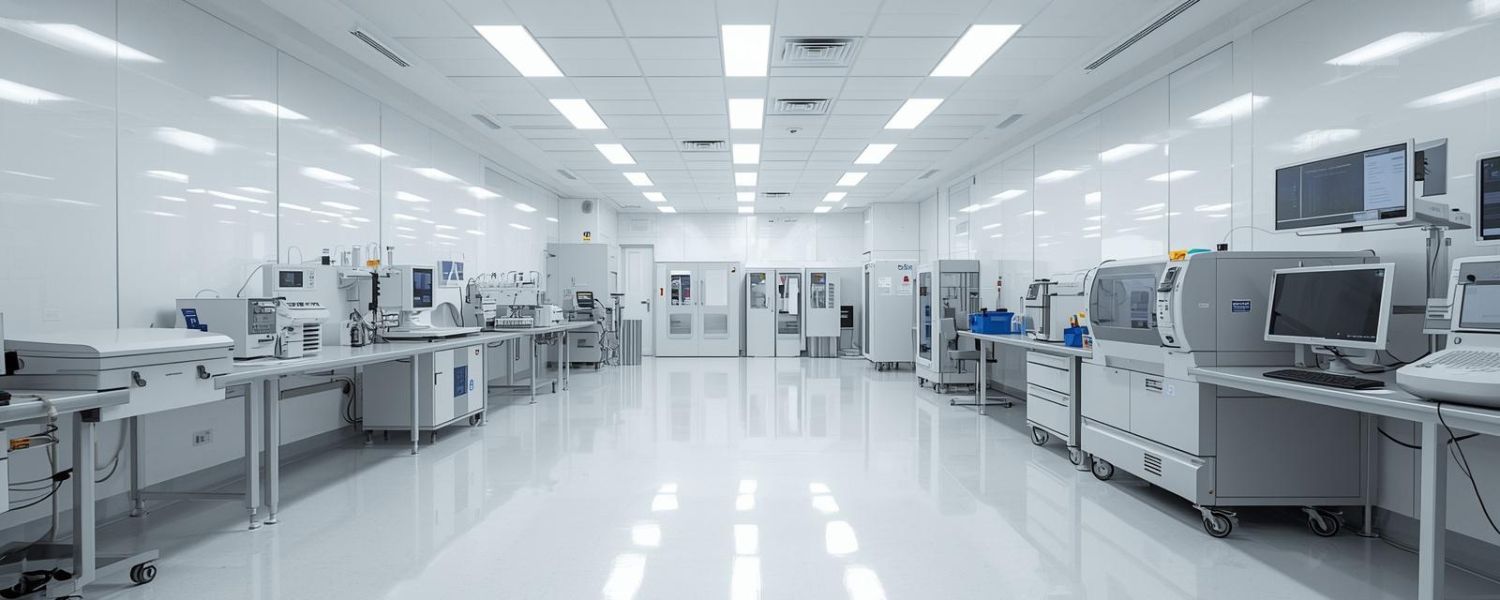
While USP standards are specific to pharmacy, ISO cleanroom certification (specifically ISO 14644-1) is the universal language of cleanrooms across all sectors. ISO standards classify a cleanroom based on the number of particles found per cubic meter of air.
The Classification Hierarchy
Cleanrooms are ranked from ISO 1 to ISO 9. In most pharmaceutical and healthcare settings, you will encounter:
- ISO 5: Typically used for the actual compounding area (hoods/PECs).
- ISO 7: The standard for buffer rooms where sterile compounding occurs.
- ISO 8: Commonly used for ante-rooms (the transition space where staff garbs up).
The role of ISO certification is to provide a standardized benchmark. When a facility receives iso cleanroom certification, it proves to auditors and clients that the air quality meets a globally recognized threshold of safety. These standards are not static; they require regular recalibration and testing to ensure that wear and tear on HVAC systems or HEPA filters hasn’t compromised the environment.
Cleanroom Certification Services – Why You Need an Expert
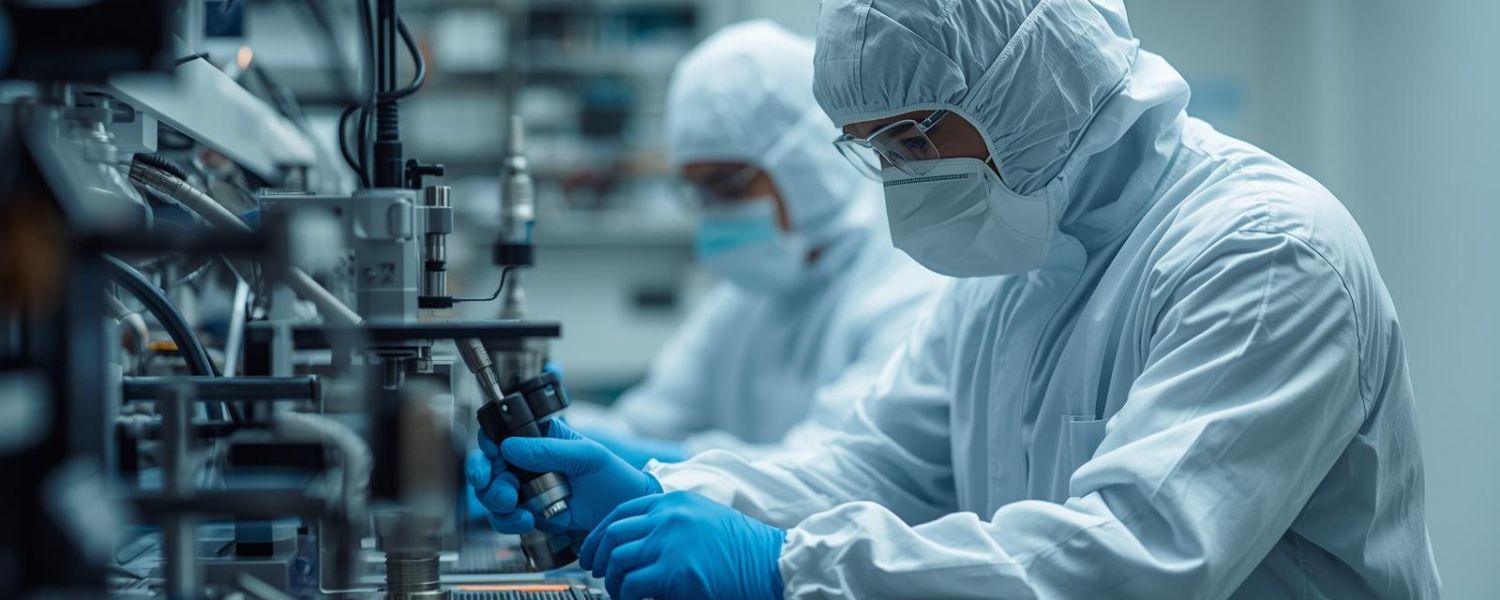
Attempting to self-certify a cleanroom is a recipe for regulatory disaster. The equipment required—such as calibrated particle counters, anemometers, and aerosol generators—is expensive and requires specialized training to operate correctly.
This is why professional cleanroom certification services are indispensable. Experts like those at Health System Sciences LLC bring a level of precision and objective documentation that internal teams simply cannot match. A professional service provider offers:
- Validation and Testing: Comprehensive checks of airflow, leaks, and microbial levels.
- Air Quality Assessments: Ensuring that your ISO and USP targets are met consistently.
- Regulatory Documentation: Providing the “paper trail” required by the FDA, state boards of pharmacy, or The Joint Commission.
By partnering with a specialist, you shift the burden of technical compliance to a team that stays updated on the ever-evolving cleanroom certification requirements.
Common Cleanroom Certification Issues and How to Avoid Them
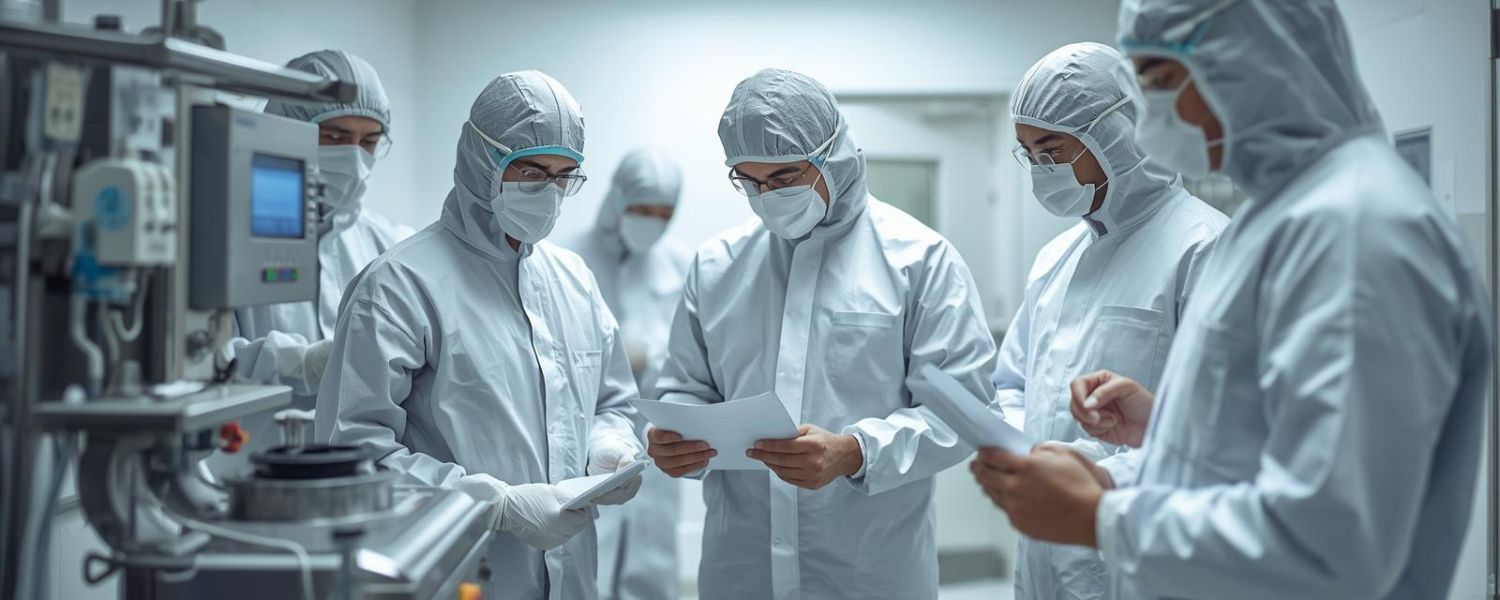
Even the best-designed cleanrooms can fail certification. Understanding the common pitfalls can help you prepare for a successful audit.
Airflow and Sealing Failures
One of the most frequent issues is improper airflow velocity. If the air moves too slowly, it won’t sweep contaminants away; if it moves too fast, it creates turbulence that can trap particles. Additionally, inadequate sealing around HEPA filters or door frames can lead to “leaks” that allow unconditioned air into the sterile zone.
Incorrect Testing Procedures
Sometimes the room is fine, but the testing is flawed. Using uncalibrated equipment or failing to test under “operational” conditions (with staff present and equipment running) can lead to inaccurate results.
How to Stay Compliant
- Routine Maintenance: Don’t wait for certification day to check your filters.
- Staff Training: Human behavior is the https://www.google.com/search?q=%231 source of contamination. Ensure your team understands proper garbing and movement within the space.
- Professional Audits: Engage in regular mock-audits with your certification partner to catch issues early.
Working with experienced professionals for your cleanroom certification services ensures that these technical nuances are addressed before they become a compliance headache.
Get Certified with Health System Sciences LLC
Don’t leave your compliance to chance. Whether you need expert cleanroom performance testing or a standard ISO cleanroom certification, we are your trusted partner.
Our professional services ensure your facility meets all regulatory standards with precision.
Ready to ensure your cleanroom meets the highest safety and performance standards? Let us help you stay compliant and avoid costly mistakes.
Frequently Asked Questions
What is cleanroom certification?
Cleanroom certification is a formal validation process where a controlled environment is tested to ensure it meets specific regulatory standards (like ISO or USP). It confirms that the room effectively controls air particles, pressure, temperature, and humidity to protect products and personnel.
How do you certify a cleanroom?
The process involves a series of technical tests, including particle counting to determine air cleanliness, HEPA filter leak testing, airflow velocity measurements, and room pressure verification. These results are then compared against the required standards (e.g., ISO Class 7) and documented in a formal report.
Is ISO 7 equivalent to Grade C?
Generally, yes. In the context of pharmaceutical manufacturing (specifically EU GMP standards), an ISO 7 environment at rest is considered equivalent to Grade C. Both standards focus on similar particle count limits for the air.
What is the difference between ISO 14644 and ISO 13485?
- ISO 14644 focuses on the physical environment, specifically cleanroom standards and air quality.
- ISO 13485 is a quality management system (QMS) standard specifically for the design and manufacture of medical devices. One governs the room, the other governs the process.
Where should I get cleanroom certification?
You should seek cleanroom certification from accredited environmental compliance experts. Health System Sciences LLC is a trusted provider that offers the technical expertise and regulatory support necessary to ensure your facility remains compliant and safe.
Conclusion – Achieve Compliance with Professional Cleanroom Certification
The importance of cleanroom certification cannot be overstated. In industries where the margin for error is zero, the environment in which you work is your first line of defense. From meeting usp 797 cleanroom requirements for sterile compounding to ensuring your usp 800 cleanroom standards protect your staff from hazardous drugs, certification is the key to operational integrity.
Maintaining these standards is an ongoing journey, not a one-time event. It requires a commitment to quality control, regular maintenance, and a partnership with experts who understand the science of clean air. By partnering with Health System Sciences LLC, you ensure that your facility isn’t just “clean” on paper, but truly safe in practice.






Leave A Comment