

What is Environmental Monitoring? Think about the air you breathe at work. The water running through your facility. The soil surrounding your building. Most people never give these things a second thought until something goes wrong.
Environmental monitoring is the process of keeping a close eye on these factors before problems arise. It is one of the most practical and important tools businesses, laboratories, and industries use today to protect their workers, communities, and operations.
Whether you run a chemical plant, a hospital laboratory, a manufacturing unit, or a construction site, environmental monitoring plays a direct role in keeping your environment safe and your operations legally compliant. It involves tracking air quality, water conditions, soil health, and noise levels all four of which fall under the broad category of environmental monitoring.
In this article, we will walk you through what environmental monitoring actually means, the four main types, why it matters more than most businesses realize, and what kinds of systems and services are available to help. We will also show you how Health System Sciences LLC supports organizations across industries with professional, reliable, and fully customized environmental monitoring solutions.
If you have been wondering where to start or how to improve your current setup, you are in the right place.
What is Environmental Monitoring?

Environmental monitoring is the ongoing process of collecting, analyzing, and interpreting data from the surrounding environment. In simple terms, it means regularly checking the quality of air, water, soil, and other physical conditions in and around a specific location to make sure everything stays within safe and legal limits.
This practice has been around for decades, but it has grown significantly in importance as industries expand, regulations tighten, and public awareness of environmental health increases. Today, environmental monitoring is not just a good idea in many industries, it is a legal requirement.
At its core, environmental monitoring answers a few basic questions: Is the air quality in this workspace safe for employees? Is the water being used or discharged meeting regulatory standards? Are there soil contaminants that could affect human health or nearby agriculture? Is the noise level within acceptable workplace limits?
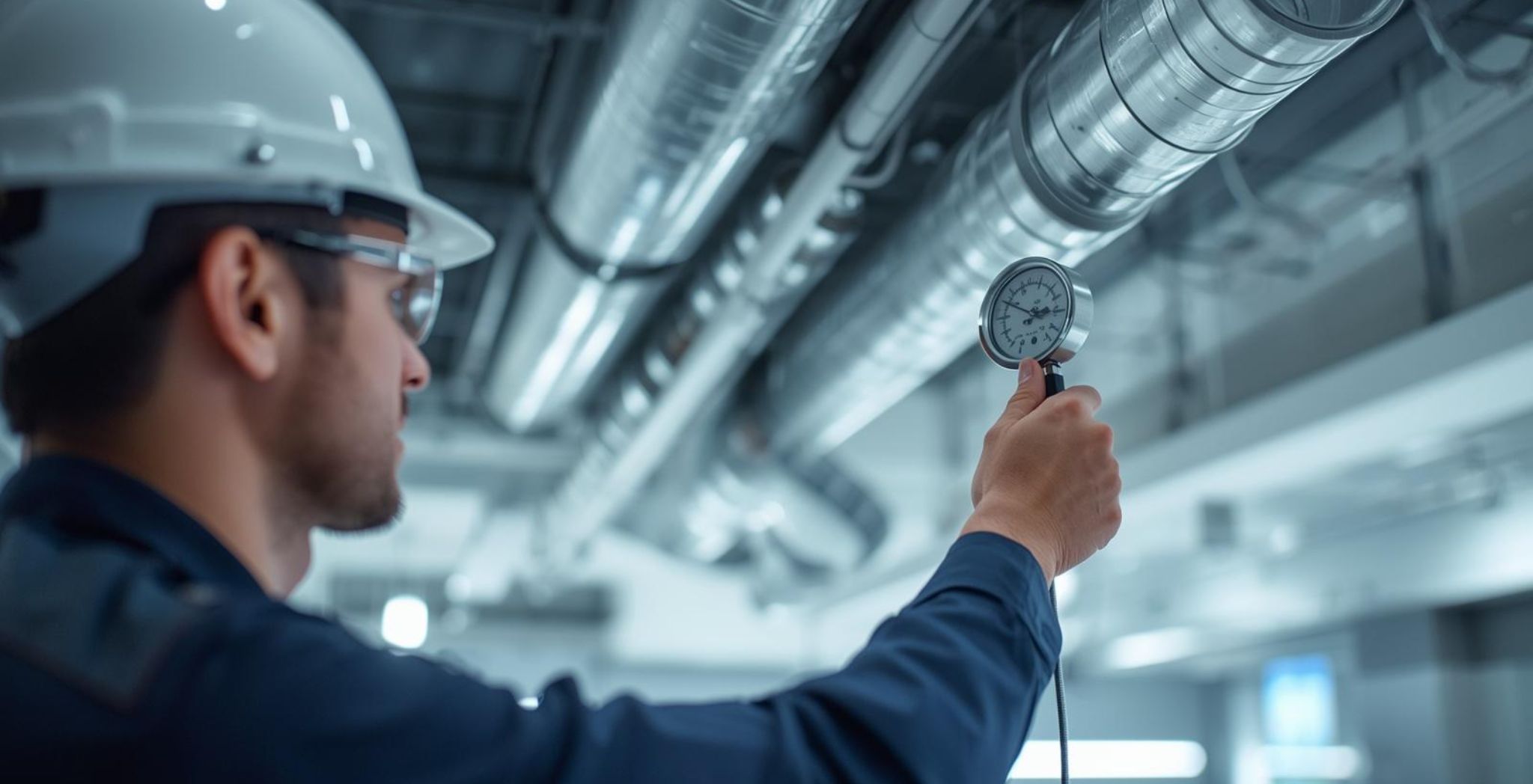
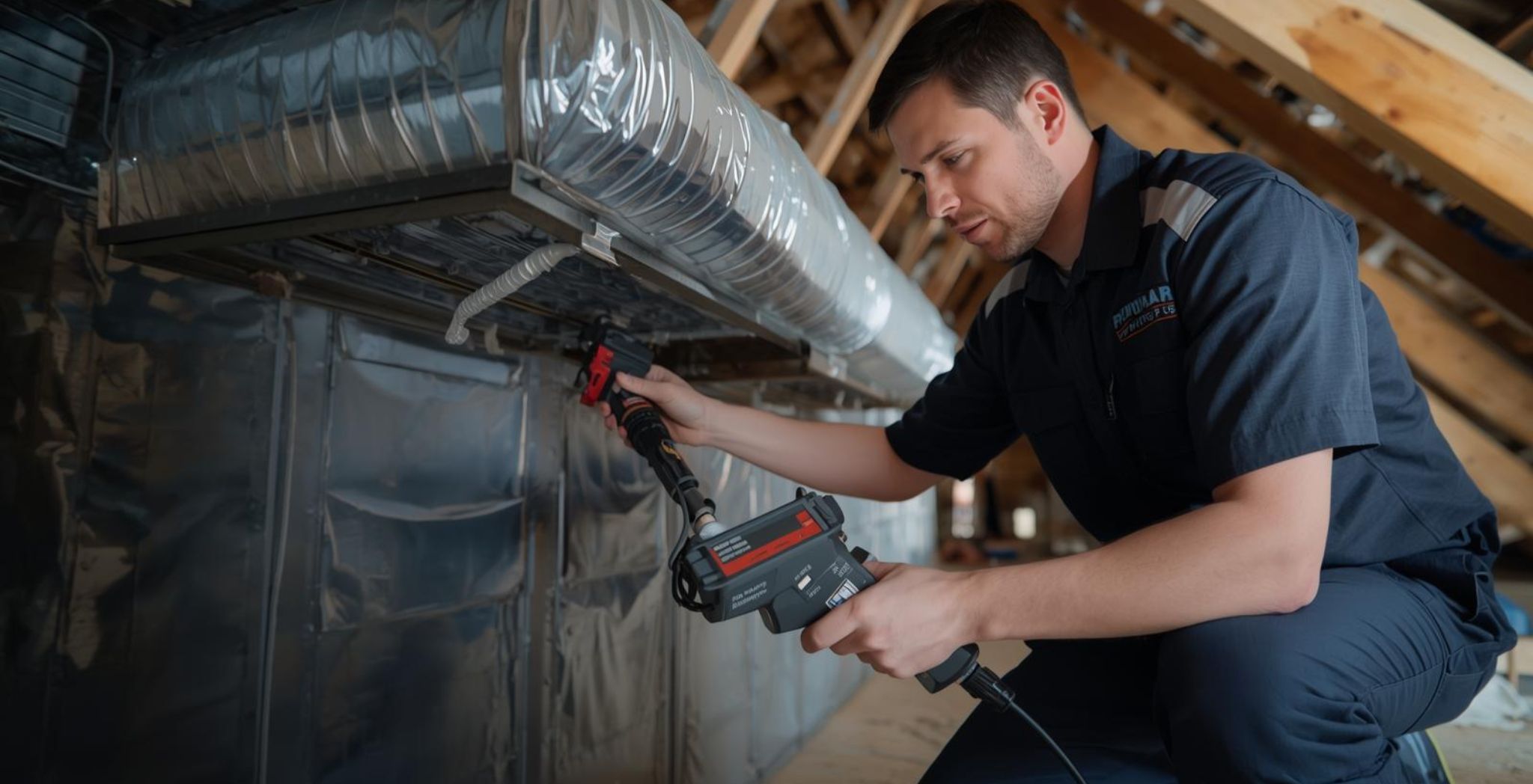
To answer these questions accurately, organizations rely on environmental monitoring systems — a combination of sensors, data loggers, software platforms, and field instruments that collect readings in real time or at scheduled intervals. These systems can be simple handheld devices used by a technician on-site, or they can be highly sophisticated automated networks that send data to central dashboards around the clock.
The goal is always the same: catch problems early, document conditions accurately, and take corrective action when readings fall outside acceptable ranges.
Environmental monitoring solutions are not one-size-fits-all. Different industries have different risks, different regulations, and different environments. That is why professional services like those offered by Health System Sciences LLC are so valuable — they bring the expertise needed to design and implement a monitoring approach that actually fits your situation.
Types of Environmental Monitoring

Environmental monitoring covers several distinct areas, each focused on a different part of the natural and built environment. Here are the four main types that most organizations need to understand.
Air Quality Monitoring
Air quality monitoring tracks the presence and concentration of pollutants in the air. This includes particulate matter (tiny particles that can be inhaled), volatile organic compounds (VOCs), carbon monoxide, nitrogen dioxide, and other gases that can be harmful at elevated levels. In industrial settings, poor air quality is one of the leading causes of occupational illness. Air monitoring helps identify sources of contamination, track trends over time, and verify that ventilation systems are working properly. It is especially critical in laboratories, manufacturing plants, and construction environments where chemical exposure is a constant risk.
Water Quality Monitoring
Water quality monitoring ensures that both incoming and outgoing water meets safety standards. This includes checking for pH levels, heavy metals, biological contaminants, dissolved oxygen, turbidity, and chemical pollutants. For industries that discharge water into the environment, monitoring is not optional, it is mandated by law under regulations like the Clean Water Act. For facilities that use water in production or cleaning processes, regular monitoring protects both employees and end products. An environmental monitoring technician typically conducts regular sampling and testing to keep these readings current and accurate.
Soil Monitoring
Soil monitoring measures the presence of contaminants such as heavy metals, pesticides, petroleum products, and other chemicals that can accumulate in the ground over time. Contaminated soil is a serious issue for agriculture, construction, and any industry that operates on or near land that may have been previously used for industrial purposes. Regular soil testing helps businesses stay ahead of potential liability and supports land remediation efforts when contamination is discovered.
Noise Monitoring
Noise pollution is often overlooked, but it is a recognized occupational health hazard. Prolonged exposure to high noise levels can cause permanent hearing loss, increased stress, and reduced productivity. Noise monitoring uses specialized environmental monitoring equipment to measure sound levels in decibels across different areas of a facility. Results are compared against OSHA limits and local regulations to determine if protective measures such as hearing protection, equipment upgrades, or acoustic barriers are needed.
Why Is Environmental Monitoring Important?
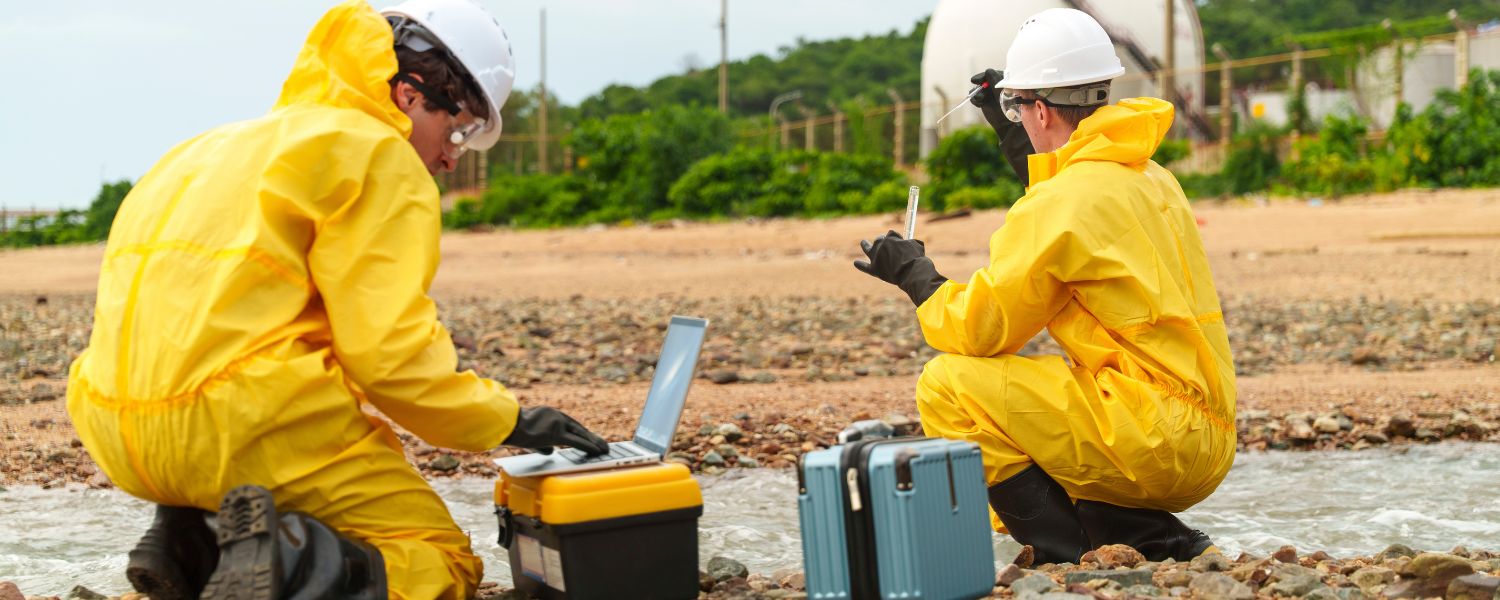
Many businesses treat environmental monitoring as a checkbox item something they do to satisfy regulators and move on. But the organizations that take it seriously understand that effective monitoring is actually one of the smartest investments they can make.
Here is why it matters.
First and most obviously, it protects people. Workers who are exposed to polluted air, contaminated water, or dangerously loud environments face real health risks. These risks do not always show up immediately. Many occupational illnesses develop slowly over months or years of exposure. A solid environmental monitoring program helps catch unsafe conditions before they turn into serious health problems.
Second, it keeps businesses legally protected. OSHA, the EPA, and dozens of other regulatory bodies have strict requirements about workplace and environmental conditions. Failing to monitor or failing to act on monitoring results can lead to fines, operational shutdowns, and legal liability. Documentation from a proper monitoring program also serves as proof of compliance during inspections and audits.
Third, it protects your reputation. A company known for environmental responsibility builds trust with clients, partners, and the public. One that ignores monitoring until something goes wrong faces a much harder road to recovery.
And finally, it saves money. Identifying a small air quality issue early is far less expensive than dealing with a worker’s compensation claim, a regulatory fine, or a full-scale environmental remediation project.
Environmental Monitoring Solutions and Services

Knowing why monitoring matters is one thing. Having the right team and tools to actually do it well is another.
Health System Sciences LLC provides comprehensive environmental monitoring services designed to meet the unique needs of different industries. Whether you are running a healthcare facility, a laboratory, a manufacturing plant, or an industrial site, their team brings the technical expertise and regulatory knowledge needed to build a monitoring program that actually works.
Their services include on-site assessments to identify monitoring gaps, installation and calibration of monitoring equipment, regular data collection and reporting, compliance documentation, and recommendations for corrective action when issues are detected.
What sets Health System Sciences LLC apart is their use of advanced monitoring technologies including smart sensors, real-time data dashboards, and cloud-based storage systems that allow clients to access their environmental data from anywhere at any time. This level of visibility is especially important for organizations managing multiple sites or those that need to respond quickly to regulatory inquiries.
If you are not sure where to start, Health System Sciences LLC offers a free consultation to help you assess your current monitoring situation and identify the best path forward. Reaching out early is always better than waiting until a problem forces your hand.
How to Choose the Right Environmental Monitoring Solutions
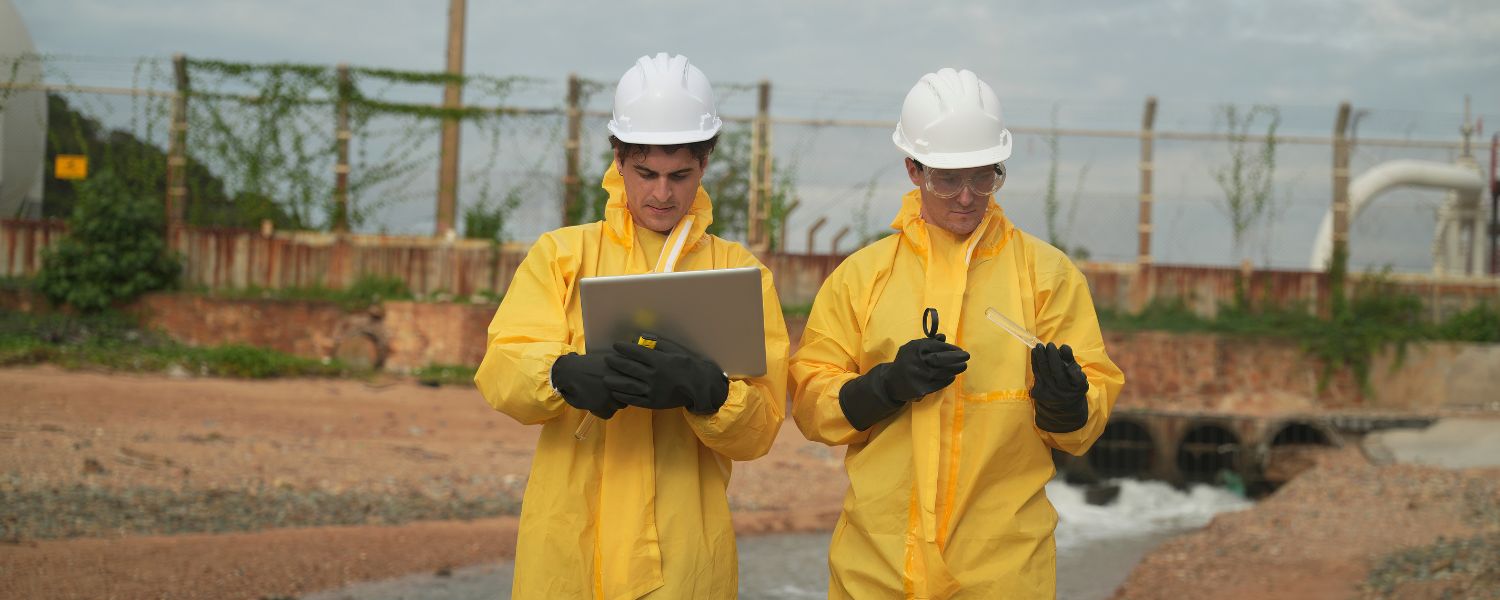
Choosing the right monitoring solution requires thinking carefully about your specific environment, industry requirements, and long-term goals.
Start with accuracy. Monitoring equipment that gives imprecise or inconsistent readings is worse than useless — it can give you a false sense of security. Always look for instruments that are validated, calibrated regularly, and appropriate for the specific contaminants or conditions you are measuring.
Next, consider regulatory compliance. Different industries are governed by different standards. Laboratory environmental monitoring, for example, has very specific requirements around temperature, humidity, and air quality that differ from what a construction company needs to track. Make sure your monitoring solution aligns with the exact regulations that apply to your sector.
Think about scalability. As your operations grow, your monitoring needs will grow too. Choose solutions that can expand more sensors, more data points, more locations without requiring a complete system overhaul.
Finally, look for integration. The best monitoring systems work with your existing infrastructure, not against it. Health System Sciences LLC specializes in building custom solutions that fit seamlessly into what you already have, minimizing disruption while maximizing coverage and compliance.
Protect Your Workplace & Environment Today
Environmental risks are real—and they can be costly. Don’t wait for a problem to occur. Act now to ensure a safe, compliant environment for your business and employees.
With Health System Sciences LLC, you get expert monitoring and compliance solutions tailored to your specific industry. It’s time to make your monitoring smarter, proactive, and seamless.
Frequently Asked Questions
What are the four types of environmental monitoring?
The four main types are air quality monitoring, water quality monitoring, soil monitoring, and noise monitoring. Each addresses a different aspect of environmental health and carries its own regulatory requirements.
What are the five areas of environmental monitoring?
The five key areas are pollution control, climate change tracking, health risk assessment, resource management, and waste management. Together, they provide a full picture of how human activity affects the natural environment.
What are the four types of monitoring used in industries?
Depending on the context, organizations often distinguish between environmental monitoring, process monitoring, equipment monitoring, and personnel monitoring. Each plays a role in keeping operations safe and compliant.
Why is environmental monitoring important?
It protects the health and safety of workers and the surrounding community, ensures compliance with environmental regulations, reduces legal and financial risk, and supports long-term sustainability goals.
Where should I get environmental monitoring services for my workplace?
From a trusted environmental compliance expert. Health System Sciences LLC provides comprehensive, industry-specific monitoring services with the technology, expertise, and support needed to keep your workplace safe and compliant.
Conclusion
Environmental monitoring is not a luxury, it is a fundamental part of responsible business operations. From air quality in your laboratory to water discharge at your facility to noise levels on your factory floor, the conditions in and around your workplace have real consequences for the people who work there, the community nearby, and your business itself.
Understanding what environmental monitoring is and taking the steps to do it properly puts you ahead of potential problems before they become expensive or dangerous.
Health System Sciences LLC is here to make that process simple, accurate, and fully aligned with your industry’s requirements. Whether you are starting from scratch or looking to improve an existing program, their team provides the tools, knowledge, and support you need.
Contact us today to schedule your free consultation and take the first step toward a safer, more compliant environment.







Leave A Comment