
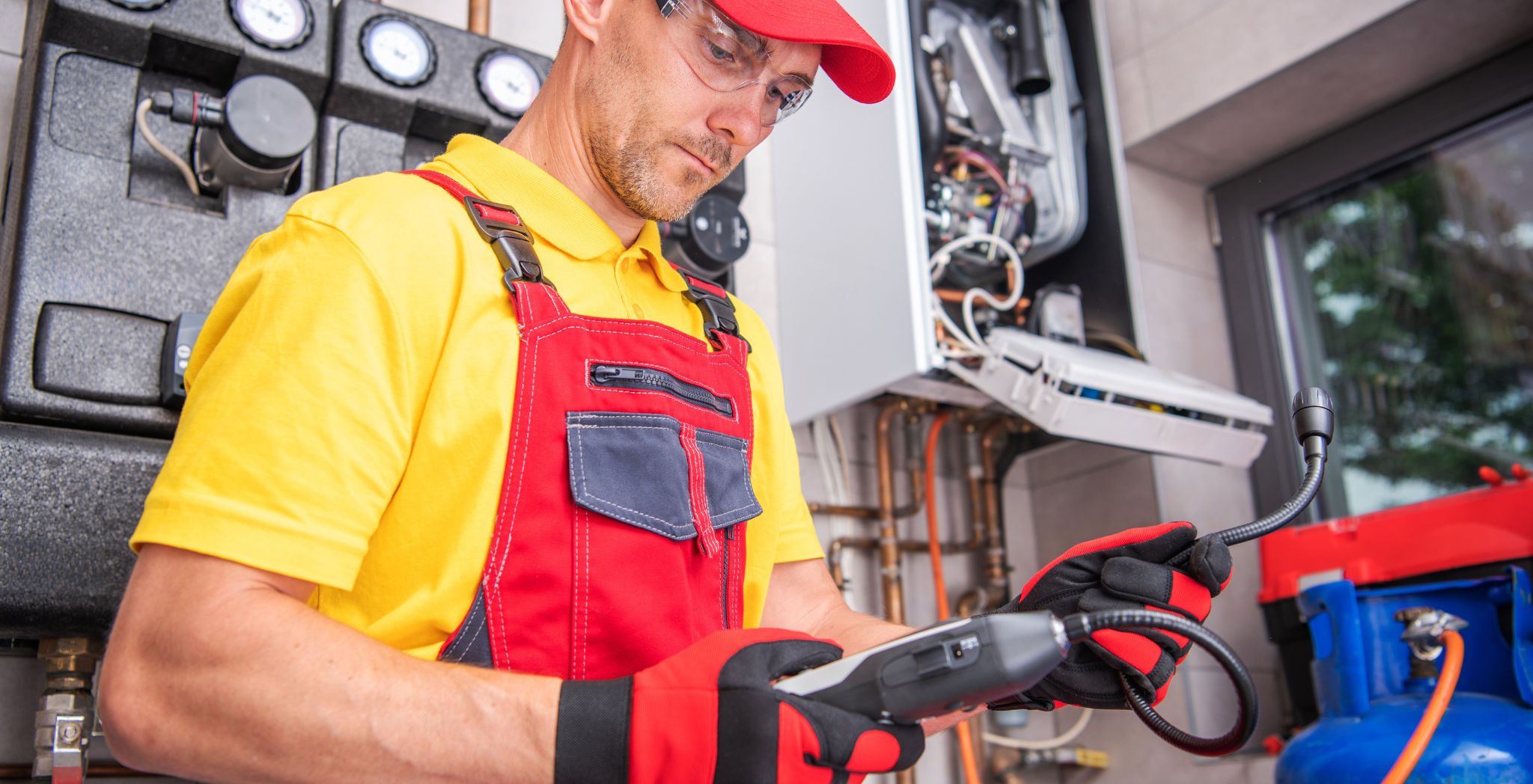
HVAC systems are integral to maintaining comfort in both residential and commercial settings. However, like any other complex system, HVAC units require regular maintenance and checks to ensure they are performing at their best. One of the most effective ways to ensure your system is running efficiently is through HVAC performance testing. In this blog, we’ll explore what HVAC performance testing is, why it’s essential for efficincy, and how it impacts energy savings and comfort.
What Is HVAC Performance Testing?
HVAC performance testing involves evaluating an HVAC system to assess its operational efficiency. This includes measuring various aspects such as airflow, temperature control, refrigerant charge, and overall system calibration. By conducting performance tests, technicians can detect inefficiencies that might otherwise go unnoticed, ensuring the system is operating at peak efficiency.
Performance testing helps identify areas of improvement in the system, such as airflow blockages, refrigerant issues, or mechanical failures, which can all contribute to poor performance. Regular testing can not only prevent system breakdowns but also increase the overall lifespan of your HVAC system.
Why HVAC Performance Testing Is Essential for Efficiency
With rising energy costs and growing environmental concerns, ensuring your HVAC system operates efficiently is more important than ever. An efficient HVAC system can provide substantial savings on energy bills and reduce your carbon footprint. However, when systems are not functioning optimally, they can consume more energy, leading to higher costs and increased wear and tear.
Benefits of HVAC Performance Testing:
- Improved Efficiency: Ensures the system operates at optimal efficiency, consuming less energy while providing consistent comfort.
- Lower Utility Bills: A well-maintained HVAC system uses less energy, resulting in reduced monthly bills.
- Extended System Life: Regular testing helps identify potential problems early, preventing costly repairs and extending the system’s lifespan.
- Improved Indoor Air Quality: Proper airflow and system functioning ensure the quality of air circulating through your space is optimal. Research from the EPA’s Indoor Air Quality (IAQ) Guidelines highlights that well-maintained HVAC systems are crucial for improving indoor air quality by ensuring proper filtration and air circulation.
Key Metrics in HVAC Performance Testing
Several key metrics are used to assess the performance of HVAC systems. These include:
1. Airflow
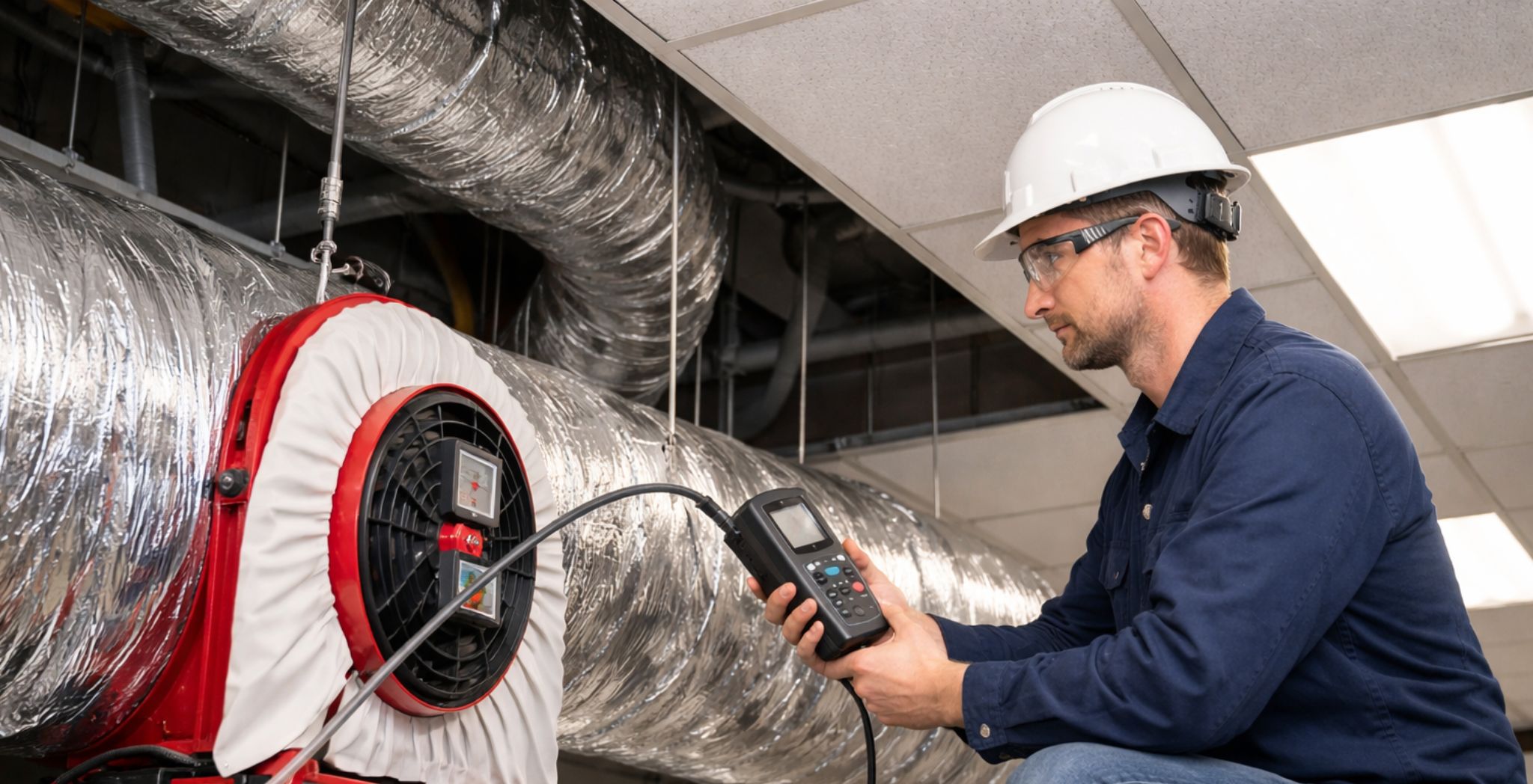
Airflow is a critical aspect of HVAC performance, ensuring that air circulates throughout the system properly. Reduced airflow can affect the system’s ability to heat or cool the space effectively, and it can also increase energy consumption. Testing airflow helps identify blockages, dirty filters, or issues with ductwork that may be affecting performance.
2. Temperature Difference
The temperature difference between the supply air and return air is an essential metric for evaluating HVAC efficiency. A significant temperature variance could indicate problems such as clogged filters, insufficient refrigerant, or malfunctioning components.
3. Refrigerant Charge
Refrigerant is vital for the cooling process, and improper refrigerant levels can severely affect the performance of your HVAC system. HVAC performance testing ensures that the refrigerant charge is at the right level, improving system efficiency and preventing further damage.
4. Pressure Testing
Measuring system pressure helps to detect potential leaks or blockages. Low pressure can reduce cooling performance and increase energy consumption, making pressure testing an essential part of the performance evaluation.
5. Energy Consumption
Testing the energy consumption of your HVAC system is crucial to ensuring that it operates as efficiently as possible. High energy usage could signal underlying issues, such as the system working harder than necessary due to inefficiencies.
Common HVAC Performance Testing Methods
Several testing methods are commonly used to evaluate HVAC systems, including:
1. Static Pressure Testing
Static pressure testing involves measuring the air pressure within the ducts. This helps identify airflow issues, leaks, or blockages that could prevent the system from functioning effectively.
2. Temperature and Humidity Readings
Technicians take temperature and humidity readings both inside and outside the building to assess the system’s ability to maintain the desired indoor environment. This can help detect imbalances or issues in the system’s performance.
3. Leak Detection
Leaks, whether in refrigerant lines or ducts, can significantly impact HVAC efficiency. Testing for leaks helps identify areas where refrigerant is escaping or where air is being lost, which can lead to increased energy usage.
4. System Diagnostics
Advanced diagnostic tools are used to test electrical connections, sensor readings, and control mechanisms within the HVAC system. These diagnostics help identify issues with the system’s internal components, allowing for precise repairs.
The Importance of System Calibration and Diagnostics
System calibration is critical for ensuring that all components of the HVAC system, including thermostats and sensors, are working correctly. Without proper calibration, the system might operate inefficiently, leading to higher energy consumption and reduced comfort. Regular diagnostics help detect any electrical or mechanical issues that could affect system performance, preventing sudden breakdowns and costly repairs.
How HVAC Testing Affects Energy Efficiency and Costs
HVAC systems that are regularly tested and properly maintained operate more efficiently, using less energy to heat or cool the space. Inefficient systems consume more energy, leading to higher utility bills and a reduced lifespan. Performance testing can uncover inefficiencies in your system, such as improper refrigerant levels, duct leaks, or malfunctioning components, all of which can increase energy usage.
Energy Efficiency Benefits Include:
- Lower Operational Costs: More efficient systems consume less power, saving on electricity bills.
- Reduced Wear and Tear: Regular maintenance and testing help identify potential issues before they cause major damage, reducing the need for costly repairs.
- Environmental Impact: More energy-efficient systems consume less energy, which contributes to reducing the overall carbon footprint of your property.
Regular Testing vs. On-Demand Testing
There are two main types of HVAC testing: regular and on-demand testing.
1. Regular Testing
Regular performance testing is proactive and is done on a scheduled basis, typically once or twice a year. This helps ensure the system is always running efficiently and prevents issues before they become serious problems.
2. On-Demand Testing
On-demand testing is conducted when a specific issue arises, such as an unusual increase in energy bills or a system malfunction. While effective for addressing immediate concerns, on-demand testing does not offer the same preventative benefits as regular testing.
Regular testing is highly recommended for ensuring long-term system efficiency and comfort, while on-demand testing can be used for troubleshooting specific problems as they arise.
Troubleshooting Common HVAC Issues Through Performance Testing
HVAC performance testing can help identify and resolve several common issues, including:
1. Reduced Airflow
This could be caused by clogged filters, blocked ducts, or faulty fans. Testing airflow can pinpoint the exact cause, enabling technicians to address the issue.
2. Poor Heating or Cooling
If the system is struggling to maintain the desired temperature, performance testing can identify refrigerant leaks, thermostat malfunctions, or other issues that may be impairing the system’s ability to heat or cool the space.
3. High Energy Bills
An inefficient HVAC system often leads to higher energy costs. Performance testing can help identify inefficiencies such as air leaks, poor refrigerant levels, or malfunctioning components that increase energy consumption.
Conclusion
Regular HVAC performance testing is essential for maintaining optimal system efficiency and comfort. By ensuring your HVAC system is running at its best, you can save on energy costs, reduce wear and tear, and improve indoor air quality indoors. Whether you own a home or manage a commercial building, investing in HVAC performance testing is a proactive approach to maximizing the lifespan of your system and maintaining a comfortable indoor environment year-round.
Call to Action
Ready to ensure your HVAC system is performing at its best? Contact us today to schedule a professional HVAC performance test. Our certified technicians will assess your system’s efficiency and ensure it’s optimized for energy savings and comfort.
Frequently Asked Questions (FAQs)
- How often should I schedule HVAC performance testing?
It’s recommended to have your HVAC system tested at least once or twice a year, depending on usage and the system’s age. - Can HVAC performance testing help lower my energy bills?
Yes, by identifying inefficiencies and improving your system’s efficiency, performance testing can help reduce energy consumption and lower utility costs. - What happens if I don’t perform HVAC testing?
Without regular testing, your HVAC system may run inefficiently, leading to higher energy bills, more frequent repairs, and a reduced lifespan for the system. - How long does HVAC performance testing take?
On average, HVAC performance testing takes about 1 to 3 hours, depending on the complexity and size of the system. - Can I perform HVAC performance testing myself?
While homeowners can perform basic checks, it’s recommended to hire a professional for comprehensive testing to ensure accurate diagnostics and safe repairs.


Leave A Comment