
We spend most of our lives indoors. Whether it’s an office, a manufacturing plant, or a hospital, the air we breathe within these walls has a profound impact on our health, comfort, and productivity. Yet, indoor air is often two to five times more polluted than outdoor air.
For facility managers and business owners, maintaining a clean environment isn’t just about aesthetics; it’s about safety and liability. This is where indoor air quality testing services come into play. By identifying invisible threats, these services provide a roadmap to a healthier, more efficient workplace.
What Is Indoor Air Quality Testing?
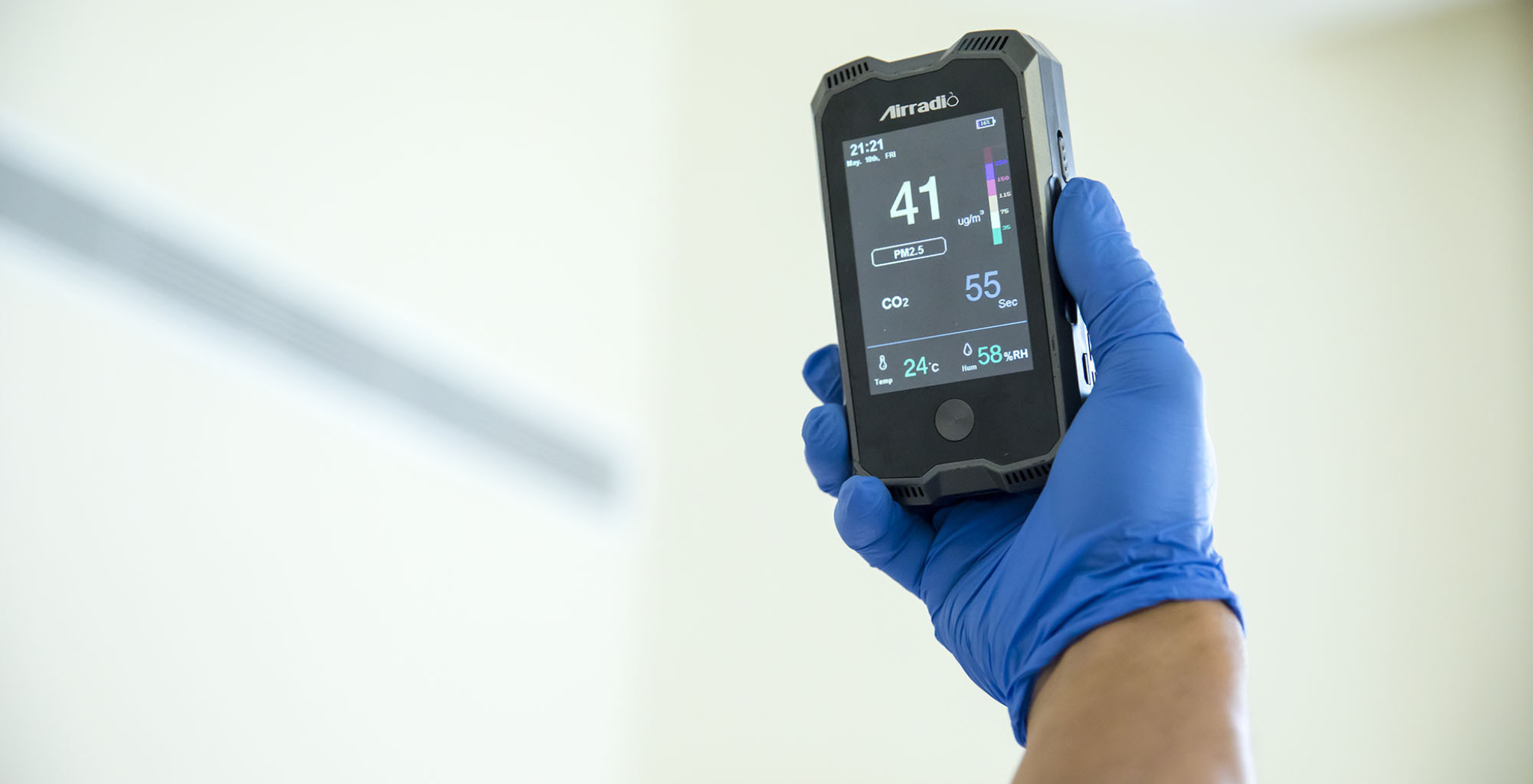
Indoor Air Quality (IAQ) testing is a professional process used to measure the levels of pollutants, allergens, and other hazardous substances in the air inside a building. It isn’t just about “smelling the air.” It involves using calibrated scientific instruments to collect samples and data over a specific period.
Professional indoor air quality monitoring looks at three main categories of contaminants:
- Biological: Mold, pollen, bacteria, and viruses.
- Chemical: Volatile Organic Compounds (VOCs), carbon monoxide, and lead.
- Physical/Combustion: Dust, particulate matter (PM2.5 and PM10), and humidity levels.
Why Indoor Air Quality Testing Is Critical for Commercial and Industrial Facilities
In a residential setting, you might notice a musty smell and open a window. In a large-scale facility, the stakes are much higher. Commercial and industrial spaces are complex ecosystems where HVAC testing, chemical processes, and high occupancy rates all intersect.
- Risk Mitigation: Undetected leaks or mold growth can lead to massive structural damage and expensive remediation if not caught early.
- Asset Protection: High humidity or corrosive airborne chemicals can damage sensitive machinery and electronic equipment.
- Peace of Mind: Knowing that the air is safe fosters trust between management and employees.
Common Indoor Air Pollutants Tested for in IAQ Services
When you hire environmental health and safety testing experts, they aren’t just looking for “bad air.” They are hunting for specific triggers that can compromise a building’s integrity.
1. Volatile Organic Compounds (VOCs)
These are gases emitted from paints, cleaning supplies, new furniture, and even office equipment like printers. Long-term exposure to VOCs can cause chronic respiratory issues.
2. Mold and Fungal Spores
Mold and air quality testing is perhaps the most requested service. Mold thrives in damp HVAC ducts or behind walls where leaks occur. Spores can trigger severe allergic reactions and asthma attacks.
3. Carbon Dioxide (CO2) and Carbon Monoxide (CO)
High CO2 levels usually indicate poor ventilation—meaning people are breathing “stale” air. Carbon monoxide, on the other hand, is a deadly, odorless gas that can leak from malfunctioning boilers or heaters.
4. Particulate Matter (PM)
Dust, smoke, and soot are categorized by size. PM2.5 (particles smaller than 2.5 micrometers) is particularly dangerous because it can travel deep into the lungs and enter the bloodstream.
5. Formaldehyde
Commonly found in pressed wood products and adhesives, this is a known carcinogen that requires specialized indoor air pollution detection tools to identify.
How Indoor Air Quality Testing Services Work: The Process
Engaging in indoor environmental testing is a structured journey. You don’t just set a sensor down and walk away. Here is how the pros do it:
Step 1: Initial Assessment and Walkthrough
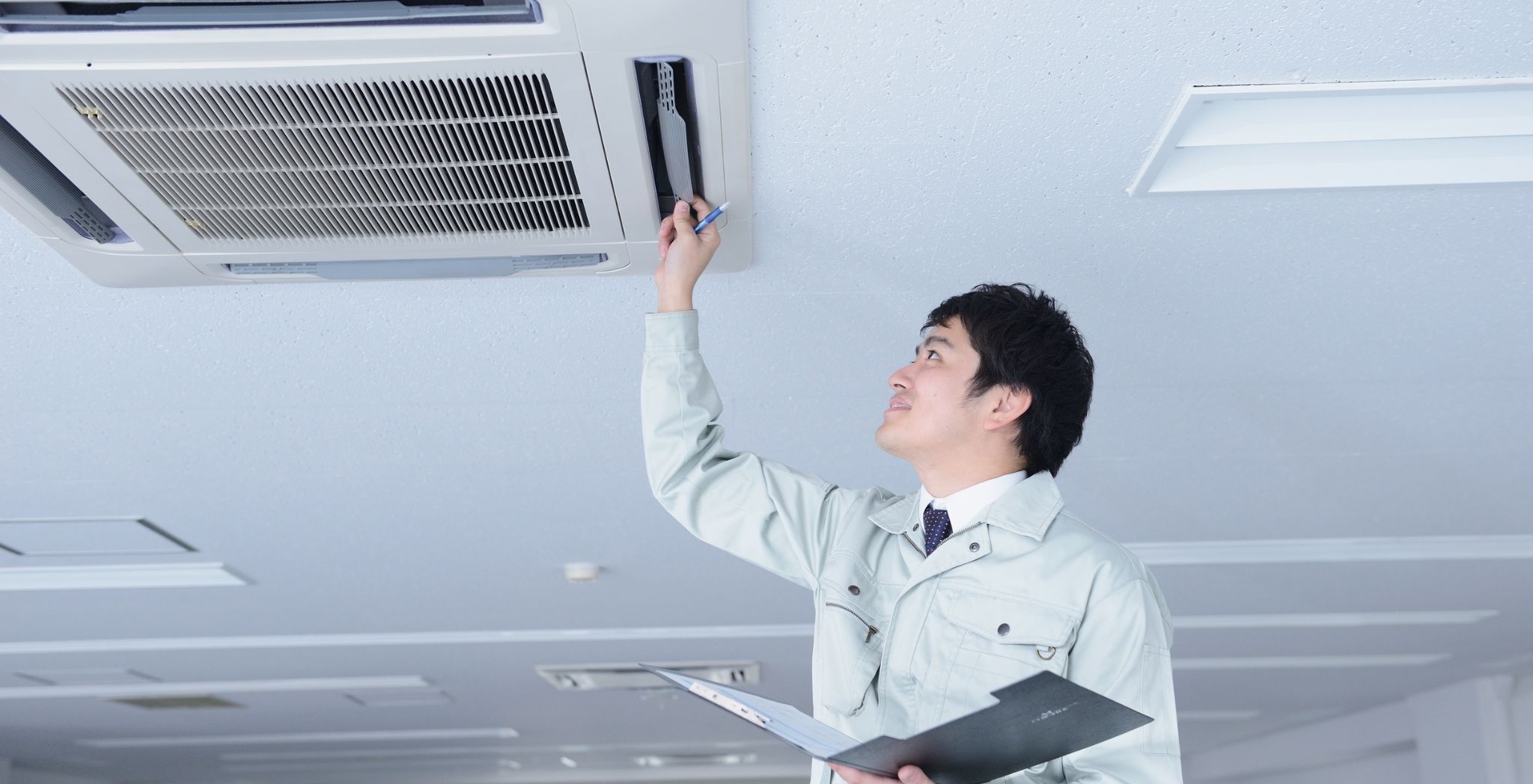
The technician identifies “problem areas.” They look for water stains, check the age of the HVAC system, and speak with occupants about any symptoms they may be experiencing.
Step 2: Sampling and Data Collection
Using specialized equipment, the team takes air and surface samples. This might include:
- Continuous Monitoring: Devices that track CO2 and humidity over 24–48 hours.
- Air Scrubbing Samples: Drawing air through a filter to catch spores or dust.
- Swab Testing: Taking samples from suspicious spots on walls or inside vents.
Step 3: Laboratory Analysis
Samples are sent to a certified lab to identify the exact concentration of pollutants. This ensures the data is legally defensible and scientifically accurate.
Step 4: Comprehensive Reporting
You receive a detailed report that compares your building’s air to standards set by organizations like ASHRAE or the EPA.
Step 5: Remediation Recommendations
A good service doesn’t just tell you the air is bad; they tell you how to fix it—whether that’s increasing fresh air intake, installing HEPA filters, or fixing a hidden leak.
How Indoor Air Quality Impacts Employee Health, Safety, and Productivity
There is a direct correlation between the air in a building and the bottom line of a business. This is often referred to in the context of Sick Building Syndrome (SBS).
| Impact Area | Effect of Poor IAQ | Benefit of Good IAQ |
| Cognitive Function | Brain fog, headaches, and fatigue. | Sharper focus and better decision-making. |
| Absenteeism | Increased sick leave due to respiratory issues. | Lower turnover and fewer sick days. |
| Safety | Dizziness or irritation can lead to workplace accidents. | Alert, safe, and aware employees. |
Why Indoor Air Quality Testing Is Important for Compliance
As a facility manager, you are bound by various regulations. Air quality testing for commercial buildings ensures you stay on the right side of the law.
OSHA Requirements: The Occupational Safety and Health Administration (OSHA) mandates that employers provide a workplace free from recognized hazards, including poor air quality.
Liability Protection: In the event of a lawsuit regarding workplace-related illness, having a history of regular IAQ testing serves as documented proof that you exercised due diligence.
Green Building Certifications: If you are pursuing LEED or WELL certifications, regular indoor air quality monitoring is often a mandatory requirement.
Indoor Air Quality Testing for Healthcare, Manufacturing, and Laboratories
While every building needs clean air, some sectors have zero margin for error.
Healthcare Facilities
IAQ testing for healthcare facilities is a matter of life and death. Hospitals must maintain “positive pressure” in certain rooms to keep contaminants out. Testing ensures that HEPA filtration systems are catching pathogens that could cause healthcare-associated infections (HAIs).
Manufacturing Plants
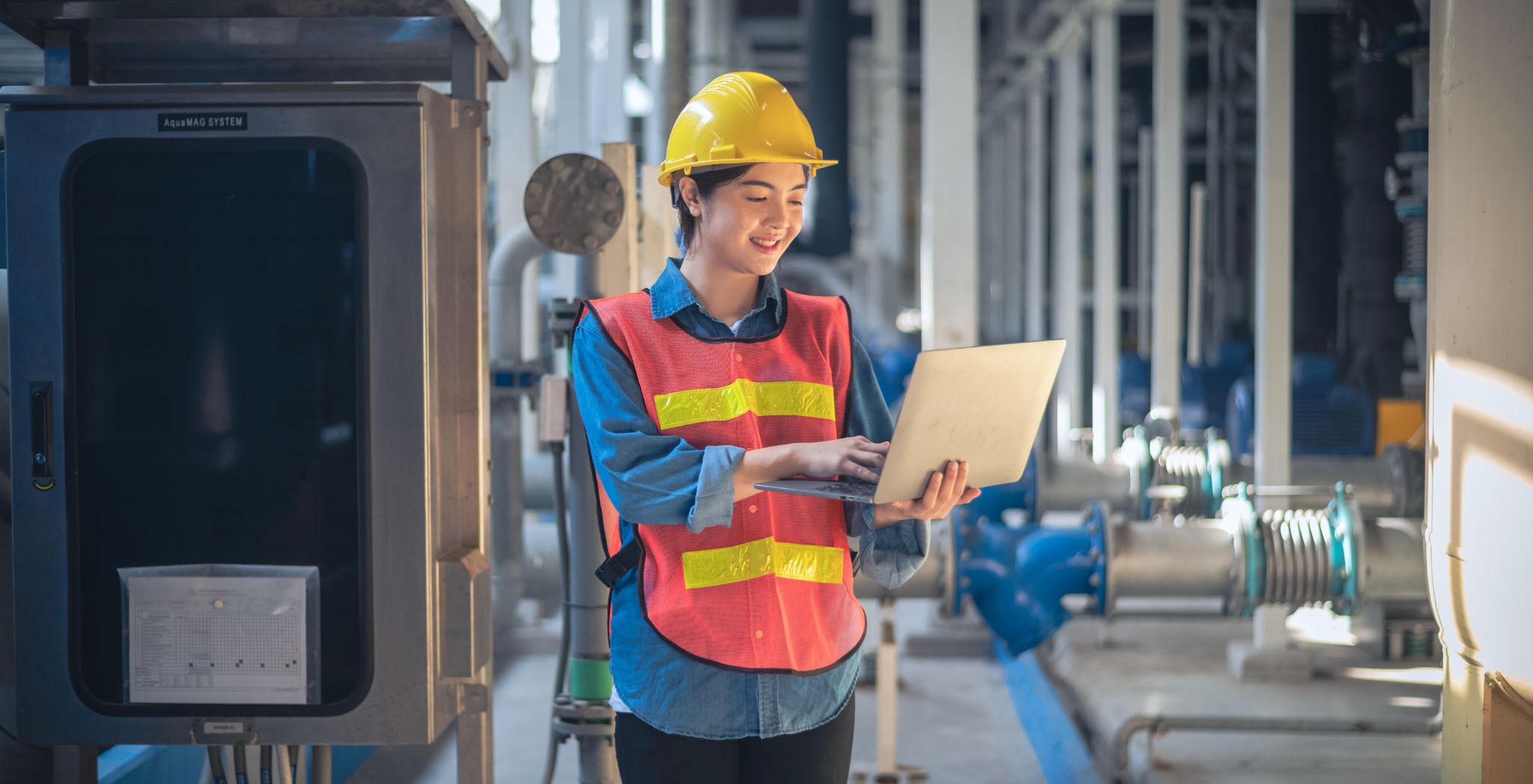
Industrial settings often involve “hot work,” chemical processing, or heavy dust generation. Airborne contaminant testing is essential here to ensure that exhaust hoods and ventilation systems are effectively protecting workers from toxic fumes.
Laboratories and Cleanrooms
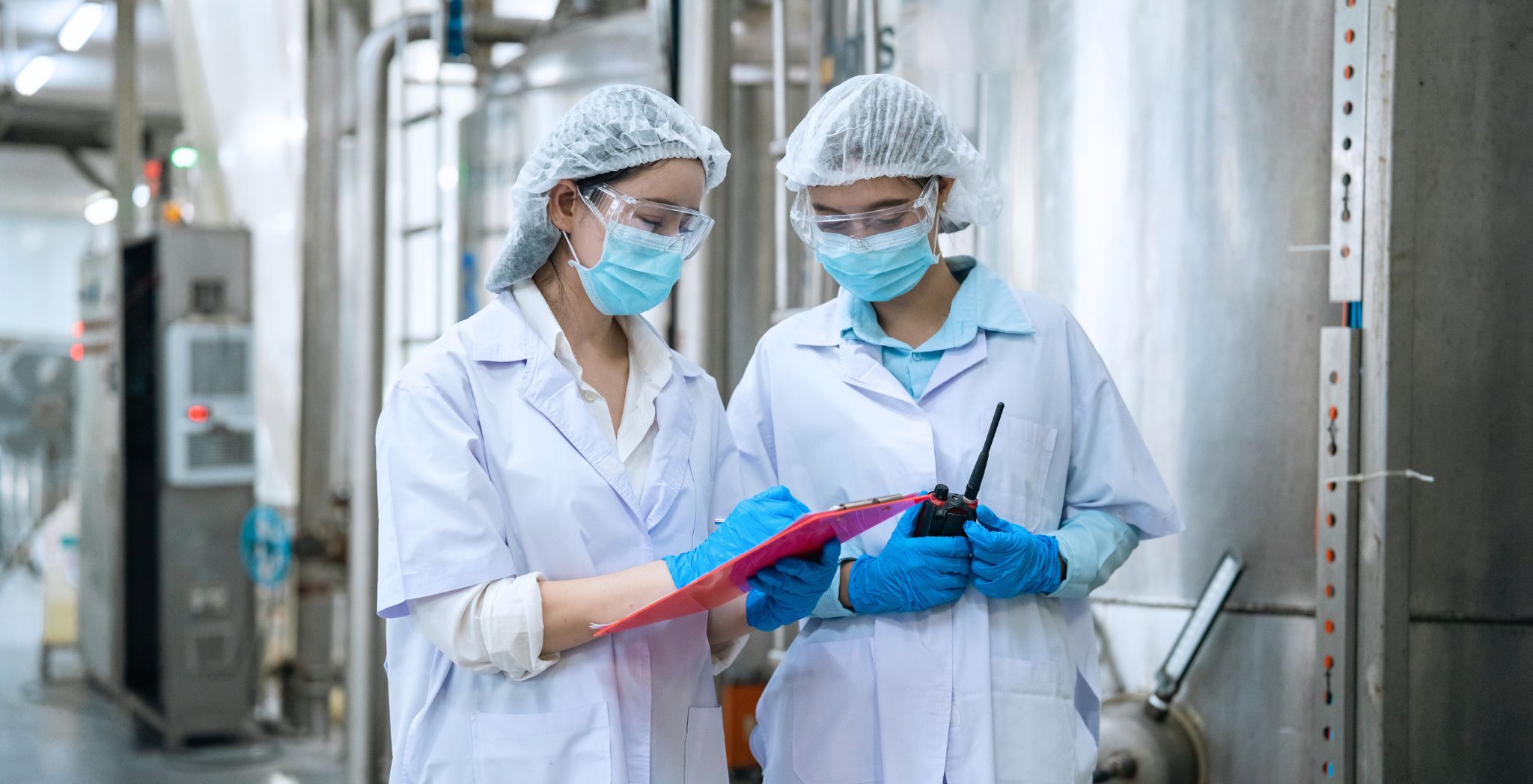
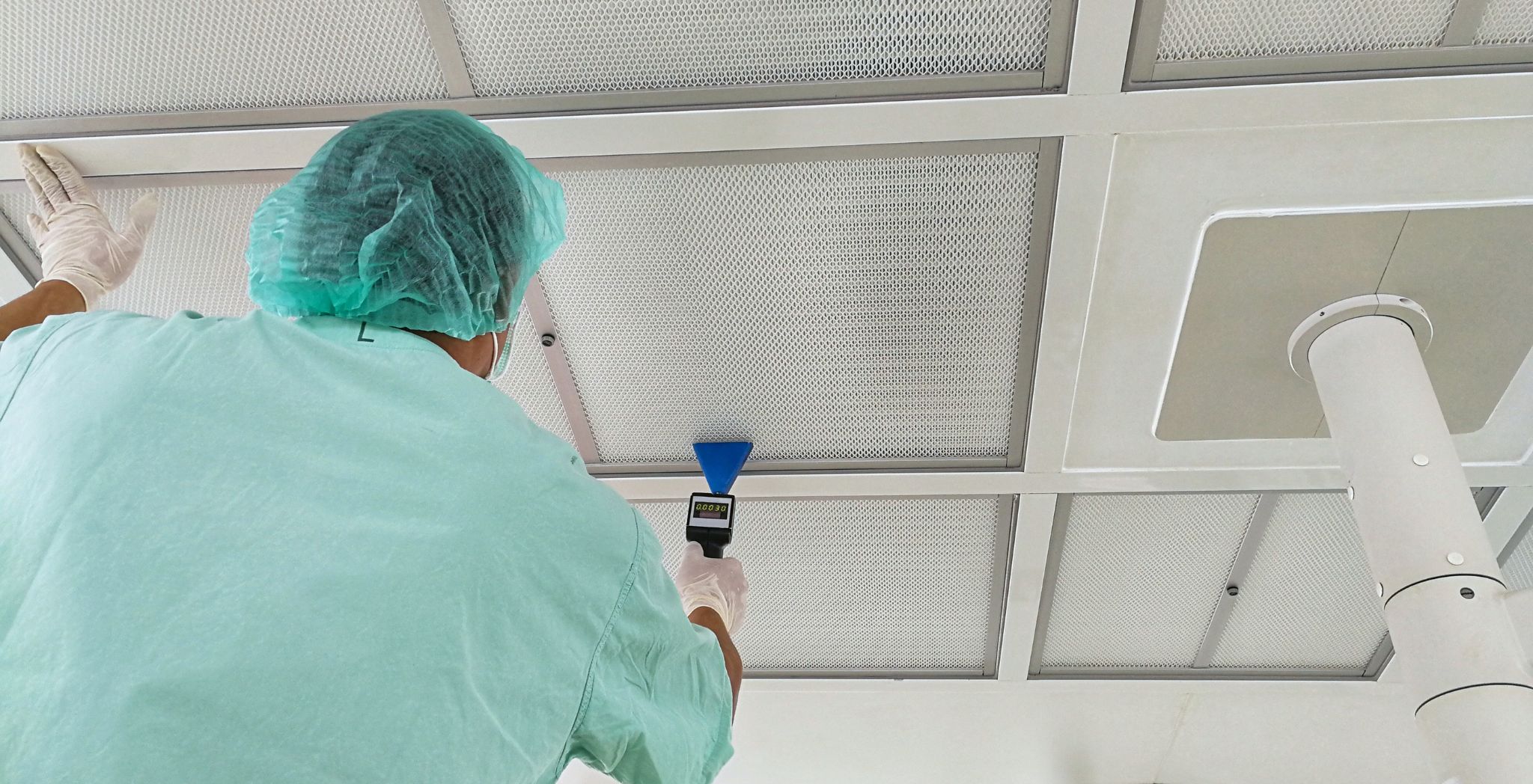
In a lab, a single stray particle can ruin a multi-million dollar experiment. Regular HVAC air quality testing ensures cleanroom performance standards are met and that sensitive chemical balances aren’t disturbed by humidity or pollutants.
How Often Should Indoor Air Quality Testing Be Done?
A common question is: “Do I really need to do this every year?” While there is no one-size-fits-all answer, here are the industry best practices:
- Annually: For standard commercial offices to ensure HVAC systems are performing as designed.
- Seasonally: In facilities sensitive to humidity or pollen changes.
- Post-Renovation: Construction creates a massive amount of dust and VOCs. Always test before re-occupying a renovated space.
- After Major Leaks: If you had a flood or a burst pipe, mold and air quality testing should be done immediately after the area is dried.
- When Symptoms Arise: If two or more employees complain of similar symptoms (headaches, itchy eyes) that improve when they leave the building, test immediately.
Conclusion
Investing in indoor air quality testing services is an investment in your organization’s most valuable asset: its people. By moving from a reactive “fix it when it breaks” mentality to a proactive monitoring approach, you create an environment where health and productivity can thrive.
Contact us today to take the first step.s.


Leave A Comment