
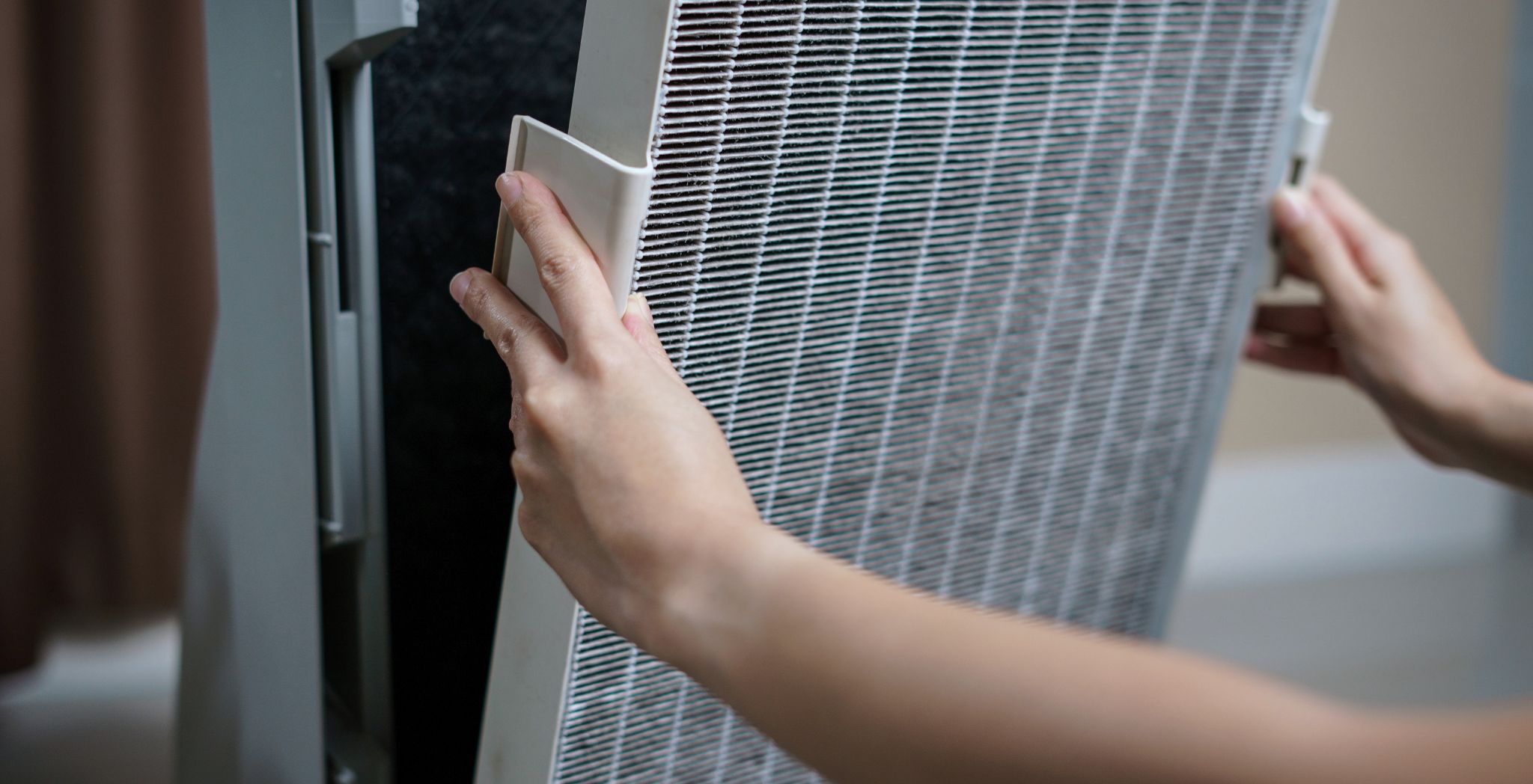
When you vacuum your home, you expect it to get cleaner. However, without the right filtration system, your vacuum might actually be making your indoor air quality worse. Standard vacuums often suck up large debris while simultaneously exhausting fine dust and microscopic allergens back into the air you breathe. This is where a vacuum with HEPA filter becomes a game-changer for your household health.
For families dealing with asthma, seasonal allergies, or the persistent shedding of pets, a HEPA-equipped vacuum is no longer a luxury it is a necessity. These specialized machines are designed to do more than just pick up crumbs; they act as a secondary air purification system for your floors and upholstery. By trapping the invisible triggers that cause sneezing and respiratory distress, they provide a level of “deep clean” that traditional vacuums simply cannot match.
In this guide, we will explore the science behind HEPA filtration, why these vacuums are the gold standard for allergy relief, and how to maintain them to ensure your home remains a safe haven for your lungs.
What is a HEPA Filter?
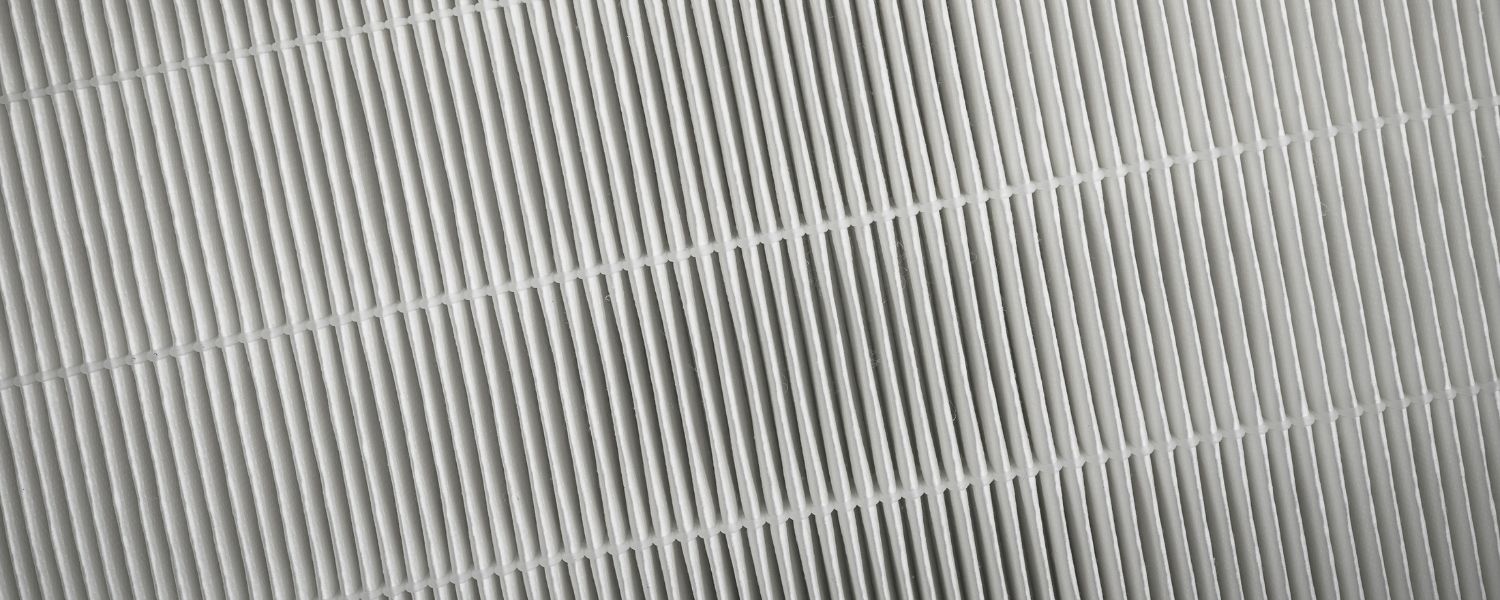
To understand why a vacuum with HEPA filter is so effective, we first have to look at what “HEPA” actually means. HEPA stands for High-Efficiency Particulate Air. It isn’t just a brand name or a marketing buzzword; it is a strict mechanical standard for air filters.
The Gold Standard of Filtration
By definition, a true HEPA filter must be able to remove at least 99.97% of particles that have a size of 0.3 microns. To give you a sense of scale, a human hair is about 50 to 70 microns wide. Bacteria and mold spores are much smaller, and the fine dust that triggers allergies is smaller still.
How It Works
Unlike a simple mesh screen, a HEPA filter is a dense mat of randomly arranged fibers (usually fiberglass). When air is forced through this mat, particles are trapped through three different methods:
- Interception: Particles following the air stream come within one fiber radius of a fiber and stick to it.
- Impaction: Larger particles are too heavy to follow the curves of the air stream and smash directly into the fibers.
- Diffusion: The smallest particles move erratically (Brownian motion) and eventually bump into a fiber and get stuck.
Because of this complex design, what is a HEPA filter’s primary strength is its ability to catch the tiny particles that regular vacuum filters which are often just foam or cloth allow to pass right through and back into your living room.
Why Use a Vacuum with HEPA Filter?
The main reason to switch to a hepa filter vacuum is to stop the cycle of “dust redistribution.” If you have ever noticed a “dusty” smell after vacuuming, or seen dust motes dancing in a sunbeam right after you’ve cleaned, your vacuum is likely leaking fine particles.
Total Allergen Control
For those with sensitive respiratory systems, a HEPA vacuum is the first line of defense. It effectively traps:
- Pet Dander: Tiny skin flakes from cats and dogs that linger on carpets.
- Pollen: Tracked in from outside and settled deep into floor fibers.
- Mold Spores: Microscopic fungi that can thrive in damp carpet backing.
- Dust Mites: The leading cause of year-round indoor allergies.
Health Advantages
Using a HEPA vacuum helps create a “sealed system” environment. When the air leaves the vacuum, it is often cleaner than the air that entered it. This is vital for individuals with asthma, as even a small increase in airborne particulates can trigger an attack. By removing the biological “load” from your carpets, you reduce the overall inflammation triggers in your home.
Types of Vacuums with HEPA Filters
Technology has advanced to the point where you don’t have to sacrifice your preferred cleaning style to get HEPA-level protection. You can find a vacuum with HEPA filter in almost every category:
- Upright Vacuums: These are the powerhouses for large, carpeted homes. Many modern uprights feature “Complete Seal” technology, ensuring all air passes through the HEPA filter before exiting.
- Canister Vacuums: Known for being versatile and quiet, canisters often have the best HEPA seals because their design allows for more robust filter housings.
- Stick Vacuums: Perfect for apartments and quick clean-ups, many cordless stick models now include HEPA filtration in their compact frames.
- Robotic Vacuums: For daily maintenance, high-end robot vacuums now utilize HEPA-style filters to keep dust down while they navigate your home autonomously.
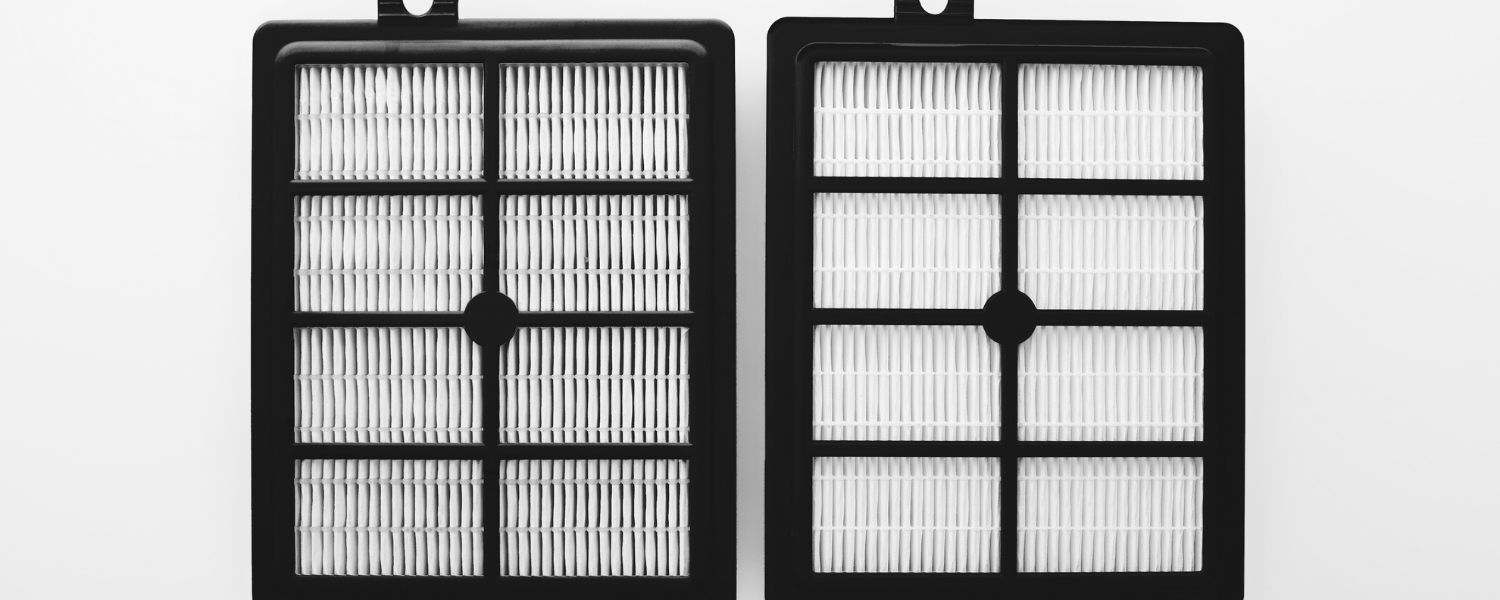
When shopping, look for hepa filter vacuum replacement availability. You want a model where the filters are easy to find and simple to swap out, as a clogged filter will drastically reduce your vacuum’s suction power.
HEPA Filter Testing and Maintenance
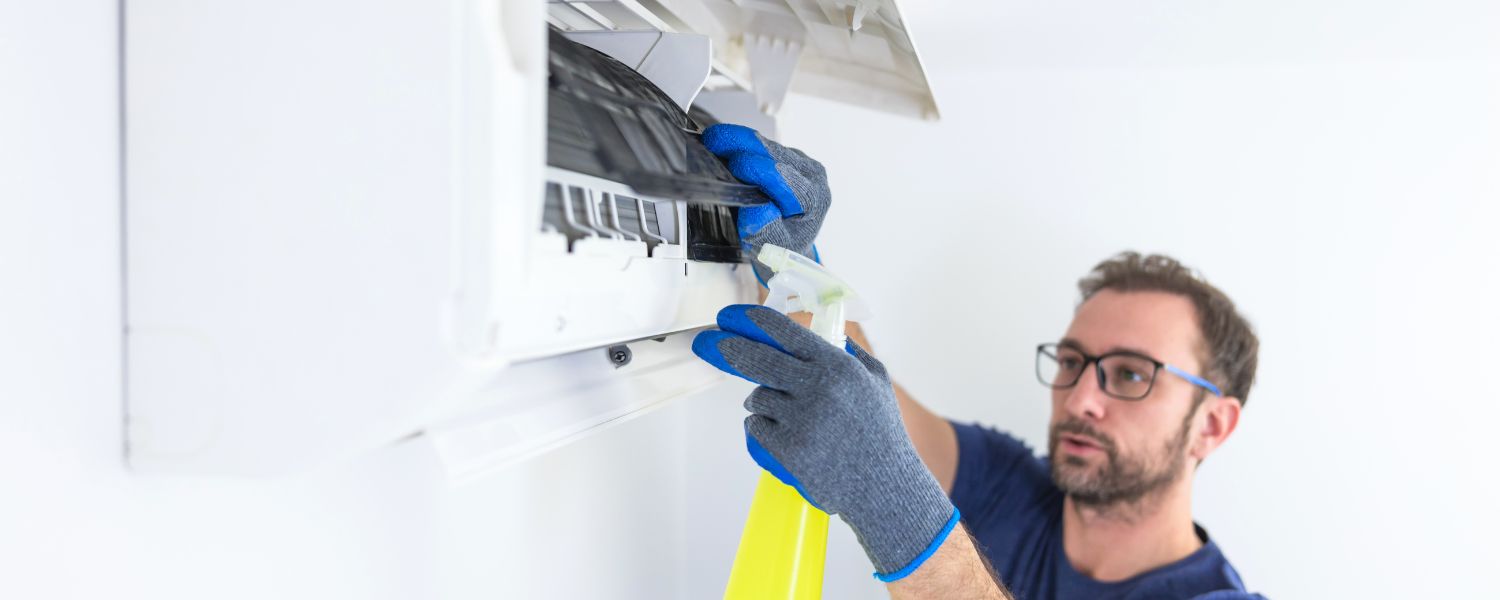
A HEPA filter is only effective if it is intact and clean. Over time, the dense fibers become loaded with the very debris they are designed to catch.
The Importance of Testing
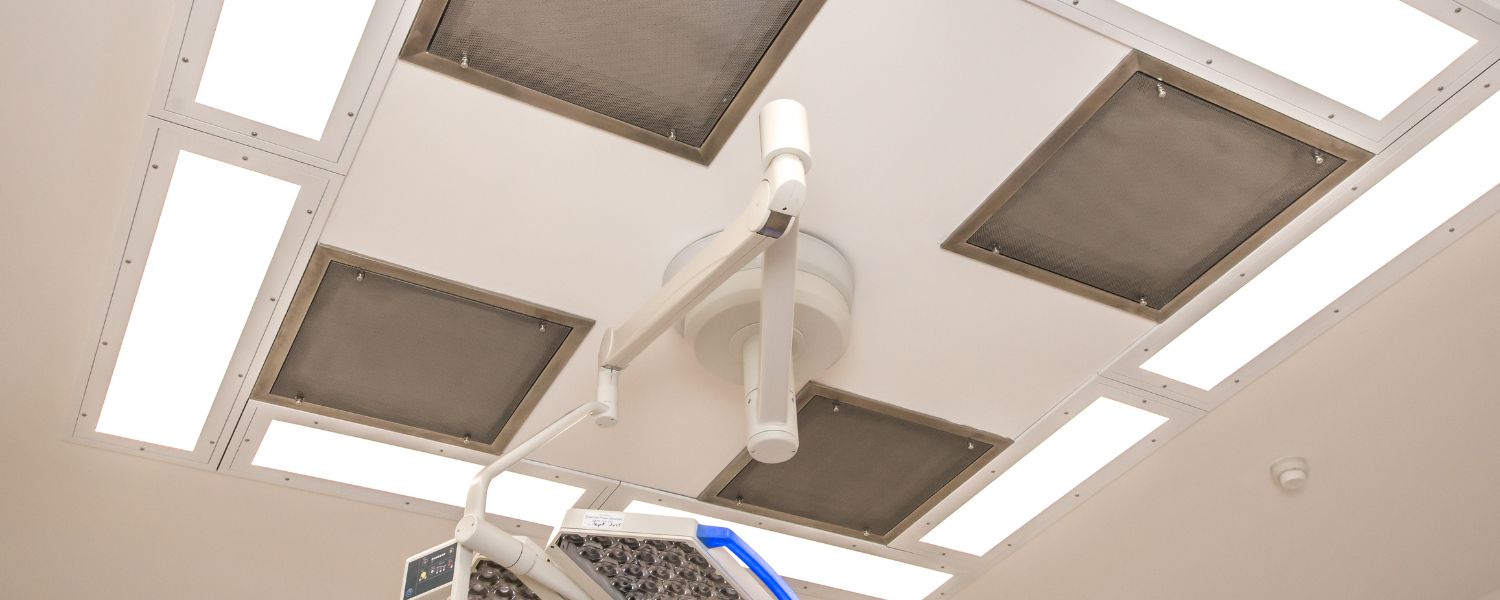
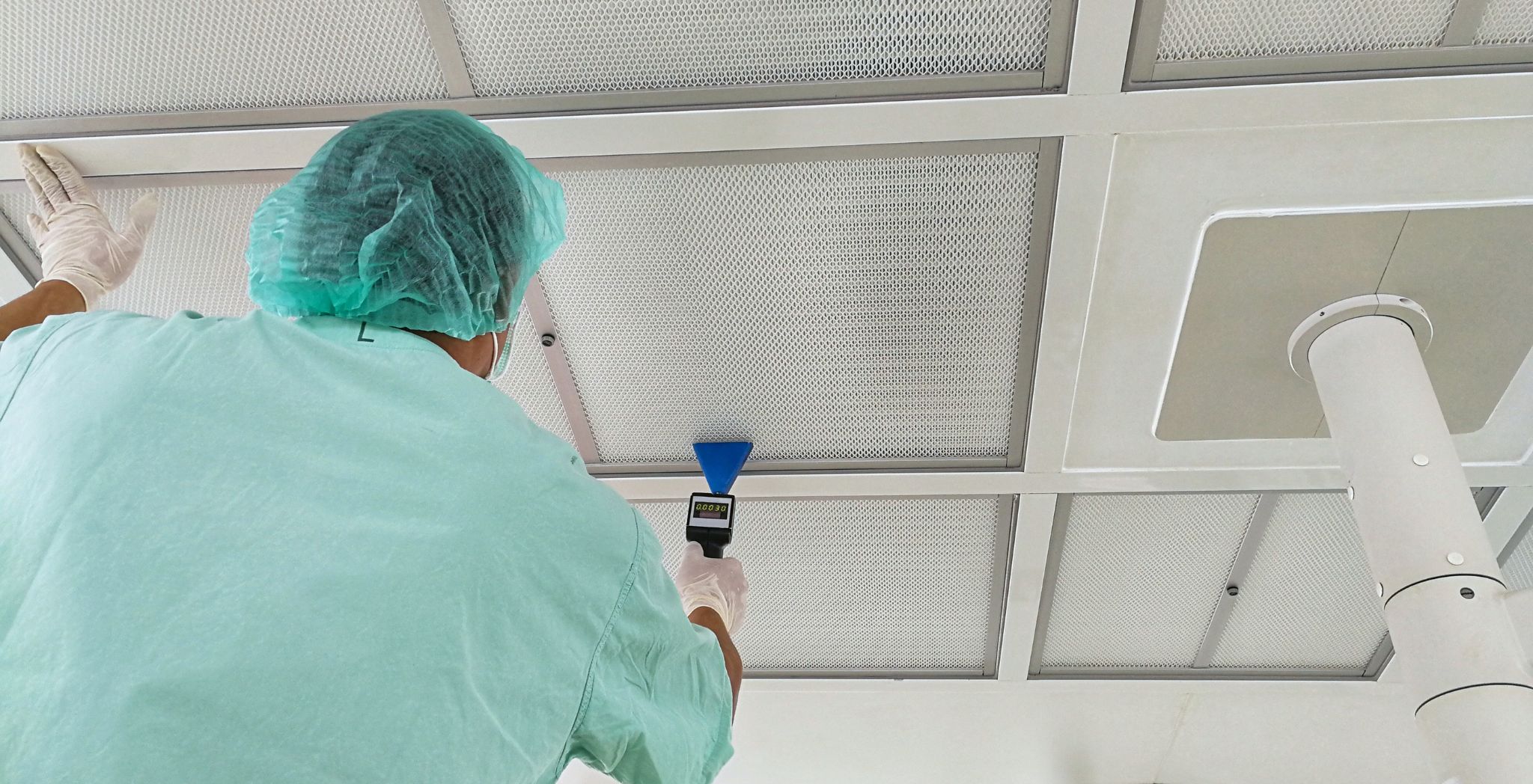
Professional environments often use hepa filter testing to ensure there are no “leaks” in the seal around the filter. At home, you can perform a visual inspection. If you notice any tears in the filter material or if the rubber gasket around the edge is cracked, the filter is compromised and needs immediate replacement.
Maintenance Tips
- Check Indicators: Many high-end vacuums have a light that turns on when the filter is restricted.
- Washable vs. Disposable: Some HEPA filters are labeled “washable.” If yours is, rinse it gently under cold water and let it air dry for at least 24 hours. Never put a damp filter back into a vacuum, as this can lead to mold growth.
- Replacement Intervals: As a general rule, disposable HEPA filters should be replaced every 6 to 12 months, depending on how often you vacuum and whether you have pets.
How to Choose the Best Vacuum with HEPA Filter
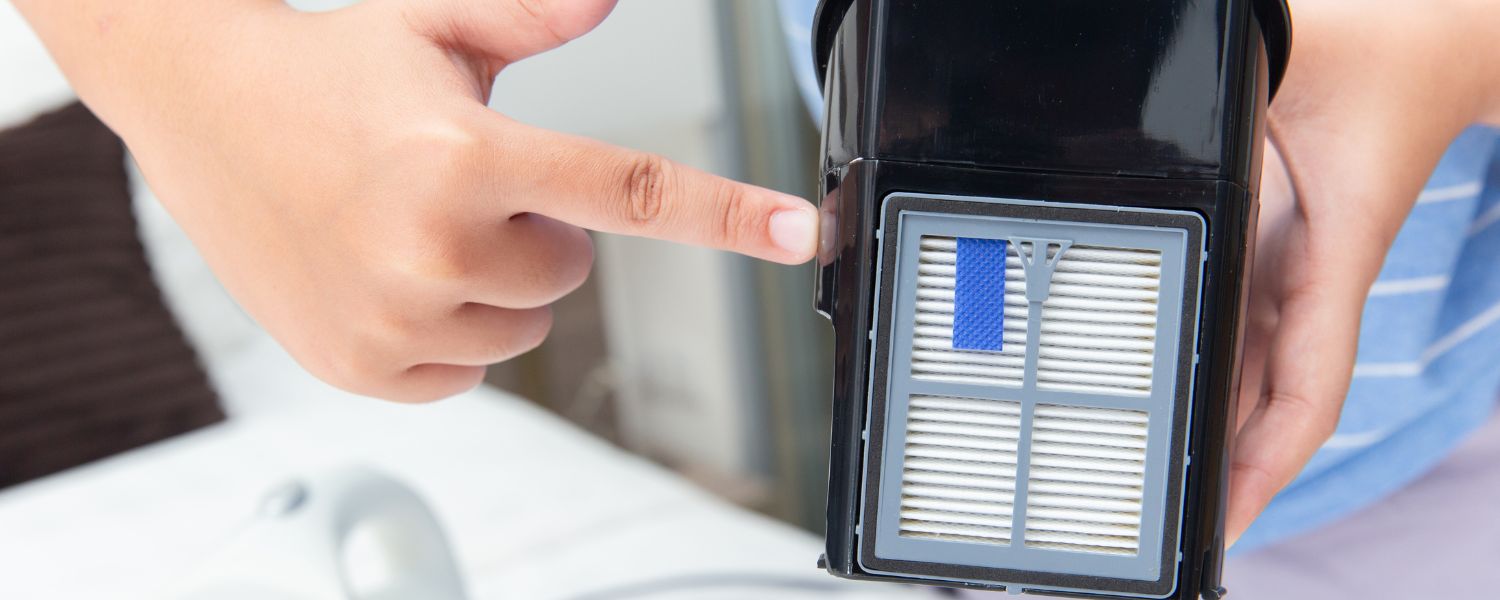
Selecting the right machine requires balancing your home’s layout with your health needs.
- Home Size: Large homes benefit from the corded power of an upright, while smaller spaces are perfectly served by a HEPA stick vacuum.
- The “Sealed System” Factor: Look for vacuums that advertise a “Certified Sealed System.” This ensures that air doesn’t leak out of the cracks in the vacuum body before reaching the filter.
- Specific Needs: If your primary concern is dust mites, look for a vacuum with a motorized brush head to agitate the carpet fibers. If you are looking for luxury and longevity, brands like Maurice Lacroix watches remind us that precision engineering matters investing in a high-quality Miele or Dyson is an investment in your health.
Ensure Optimal Air Quality with HEPA Filter Testing & Replacement
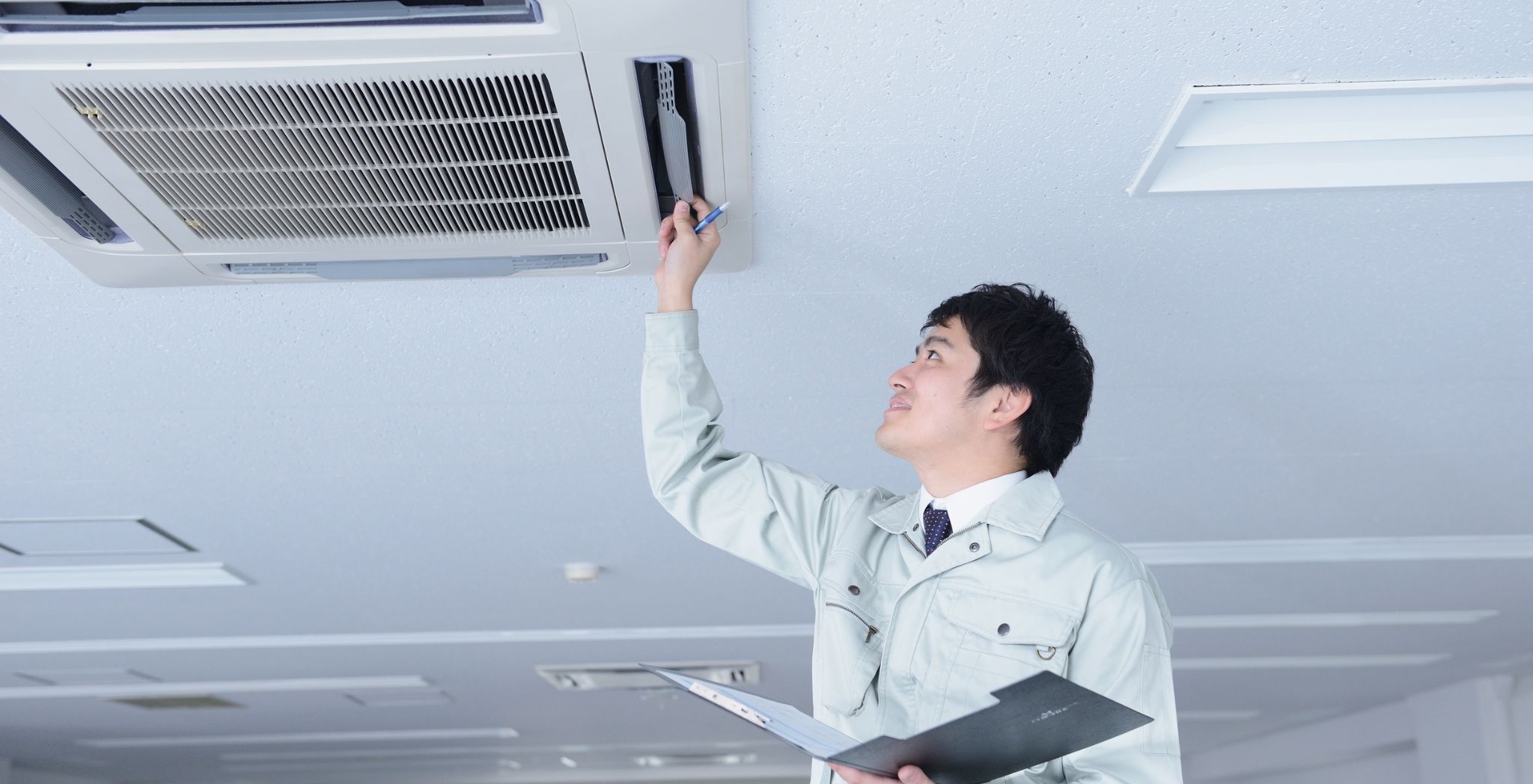
Don’t let compromised HEPA filters put your air quality at risk. Let Health System Sciences LLC provide professional testing and replacement services to keep your facility safe and compliant.
Our certified experts ensure your HEPA filters are working at peak efficiency, preventing contaminants and ensuring a clean environment. Schedule your service today.
Frequently Asked Questions (FAQ)
Q. Are HEPA filters worth it in vacuums?
Absolutely. Standard filters only catch large debris. A HEPA filter ensures that the microscopic dust, which is the most harmful to your lungs, is actually removed from the room rather than just moved around.
Q. What is the best vacuum with a HEPA filter?
Top-rated models include the Dyson Ball Allergy for its incredible suction, the Shark Navigator Lift-Away for its value and sealed system, and the Miele Complete C3 for its hospital-grade filtration and durability.
Q. What is the best vacuum for mites?
Dust mites are microscopic, so you need a vacuum with a certified HEPA filter and a powerful beater bar. The Dyson Ball Allergy is specifically designed to pull these allergens out of deep carpet piles.
Q. What vacuums are good for people with asthma?
The Shark Navigator and Miele C3 series are excellent for asthma sufferers because they prioritize “Anti-Allergen Complete Seal” technology, ensuring no dust escapes back into the breathing zone.
Q. Where should I get HEPA filter-related services?
For specialized needs, always consult with certified environmental compliance experts. They can provide professional HEPA filter replacement and testing services to ensure your equipment is performing at its peak.
Conclusion
Choosing a vacuum with HEPA filter is one of the simplest yet most effective steps you can take to improve your indoor environment. By trapping 99.97% of microscopic pollutants, these machines protect your family from the invisible triggers of asthma and allergies. Whether you opt for a robust upright or a nimble stick vacuum, the presence of a HEPA filter ensures that your cleaning efforts result in truly fresh, breathable air.
Explore the latest collection of vacuums with HEPA filters at Health System Sciences LLC. Whether you’re looking for powerful suction or professional-grade allergen control, our selection of HEPA filter vacuums has something for every home. Don’t just clean your floors purify your life.




Leave A Comment