
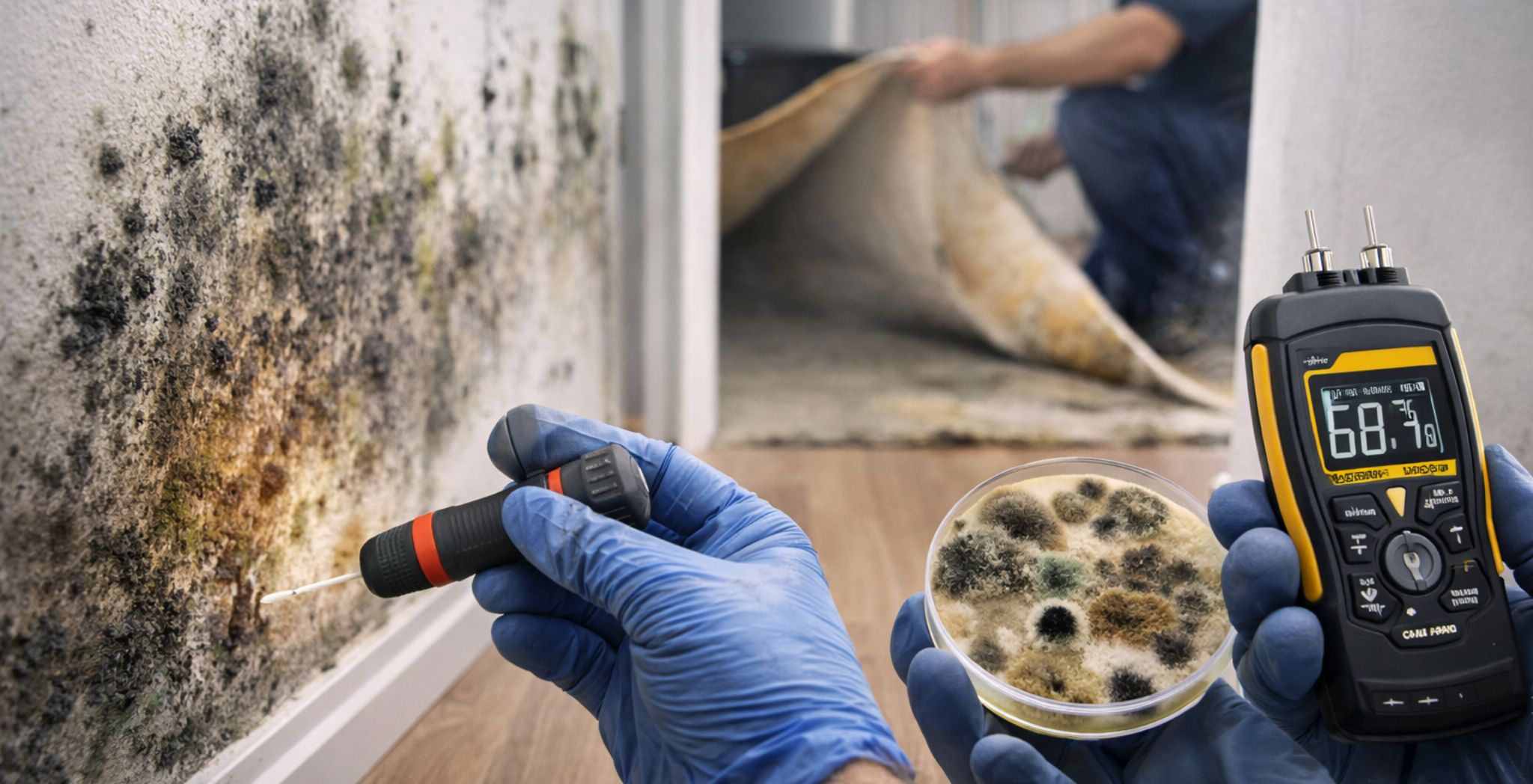
For many homeowners, the phrase “out of sight, out of mind” applies to many aspects of home maintenance. However, when it comes to mold, what you can’t see can actually hurt you.
Mold is a silent invader that thrives in the dark, damp corners of our living spaces, often establishing a foothold long before the first fuzzy patch appears on a wall.
Understanding mold testing for home is about more than just finding stains; it is about protecting your property value and, more importantly, the health of everyone living under your roof.
In this blog, we will walk through everything you need to know about identifying, assessing, and managing mold in your house.
Introduction: Why Mold Testing Matters
Mold is a type of fungus that plays a vital role in nature by breaking down organic matter. While it belongs outside, it becomes a serious problem when it moves indoors. Mold spores are microscopic and float through the air; when they land on a damp surface, they begin to grow.
The primary reason mold testing for home is critical is health. Exposure to mold can lead to respiratory issues, persistent coughs, skin irritation, and severe allergic reactions. For individuals with asthma or weakened immune systems, the impact can be even more significant.
Furthermore, mold can be present even without visible signs. It often hides behind wallpaper, inside drywall, under carpeting, or within your ventilation system. Without professional testing, you might be living with a hidden hazard that is slowly deteriorating your home’s structure and your family’s well-being.
What Is Mold Testing for Home?
Simply put, mold testing is the process of taking samples from your indoor environment to determine if mold is present, what type of mold it is, and how high the concentration of spores is compared to the outdoors.
While you might see a black spot on a baseboard and know you have a problem, mold testing goes deeper. It provides a scientific snapshot of your home’s health. A comprehensive assessment helps identify “hidden” mold that isn’t visible to the naked eye.
There is a significant difference between a simple “do-it-yourself” (DIY) kit you buy at a hardware store and a professional assessment. DIY kits often only tell you if mold exists—which is almost always true, as mold spores exist everywhere. Professional testing, however, identifies specific species and quantifies the risk, giving you a roadmap for how to fix the problem.
Signs You Should Consider Mold Testing
How do you know it’s time to call in the experts? Sometimes the signs are subtle.
- Musty Odors: That “old basement smell” is actually the off-gassing of mold colonies. If a room smells earthy or pungent even after cleaning, mold is likely present.
- Allergy Symptoms: If you find yourself sneezing, having itchy eyes, or feeling congested only when you are inside your house, your home might be making you sick.
- Visible Water Damage: Water stains on the ceiling, peeling paint, or warped floorboards are red flags. Where there is water damage, mold almost always follows.
- High Humidity: If your home feels “muggy” or you see condensation on your windows, the moisture levels are high enough to support mold growth.
In these instances, a professional Mold Investigation & Indoor Air Quality Assessment is essential. This process doesn’t just look for mold; it evaluates the entire “breathability” of your home to ensure the air you breathe is clean and safe.
Types of Mold Testing Methods
When professionals test your home, they use several scientific methods to get a full picture of the contamination.
Air Sampling
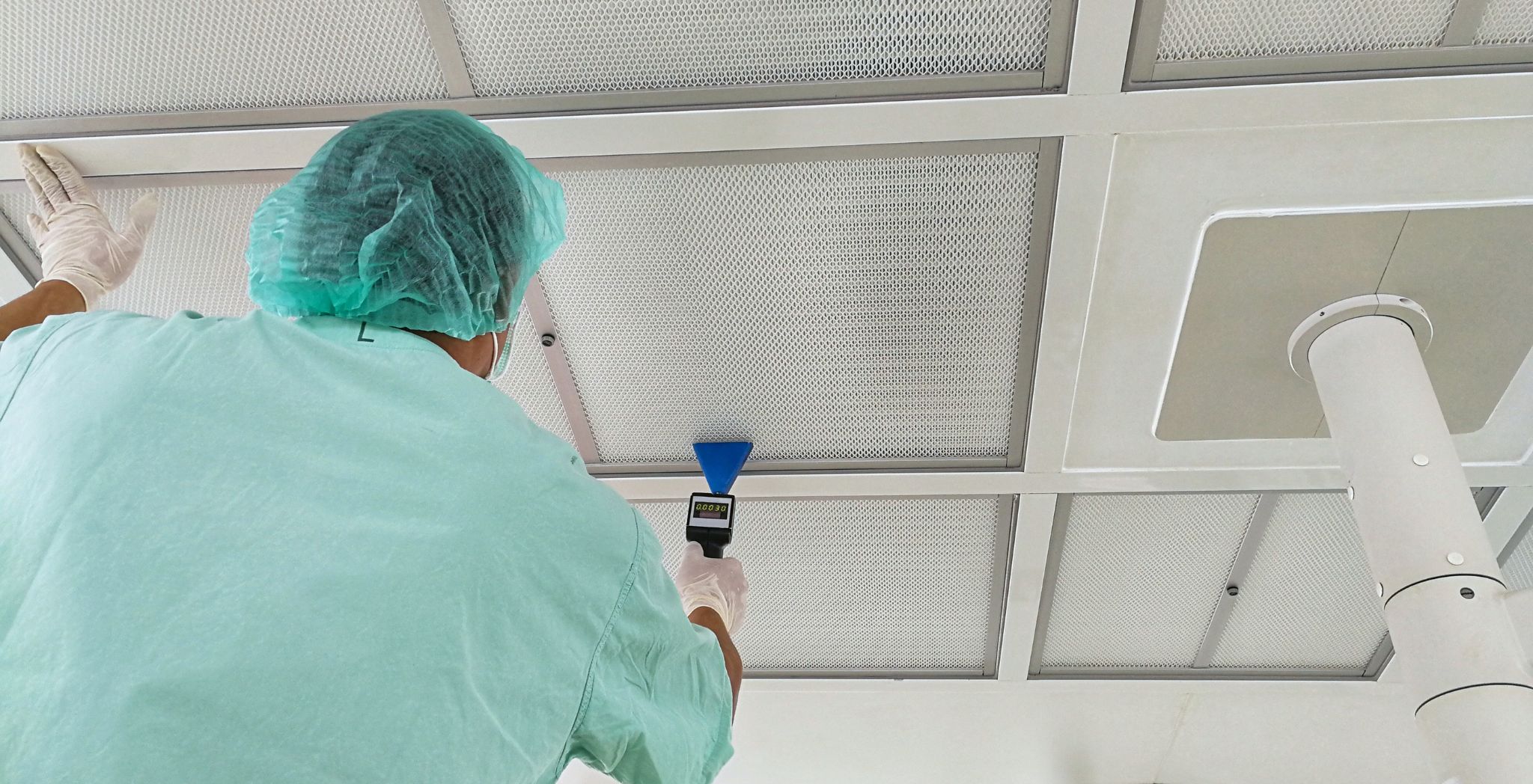
This is the most common form of testing. A device draws a specific volume of air through a collection chamber, trapping airborne spores. These samples are then analyzed under a microscope. This is crucial because even if you can’t see mold on the walls, you might be breathing in thousands of spores.
Surface Sampling
If you see a suspicious growth, a professional will use swabs or “tape lifts.” They press a sterile adhesive to the surface to collect a sample. This identifies exactly what type of mold is growing on that specific material.
Bulk and Dust Sampling
Sometimes, a piece of the actual building material (like a bit of drywall or carpet padding) needs to be removed and tested. Additionally, settled dust can be analyzed to see the history of mold spores in the home over a longer period.
DIY Mold Testing vs. Professional Testing
It is tempting to grab a $20 mold kit from the store, but these are often misleading. Most DIY kits are “settle plates”—you leave a petri dish out, and if mold grows, the kit claims you have a problem. The issue? Mold is everywhere. A DIY kit will almost always grow mold, but it won’t tell you if the levels are dangerous or where the source of the moisture is.
This is where an Industrial Hygiene Assessment & Exposure Monitoring professional provides value. Professionals use calibrated equipment and provide a detailed report that holds up in real estate transactions or insurance claims. They don’t just tell you mold is there; they tell you why it’s there and how to stop it from coming back. They monitor exposure levels to ensure your home remains within safe, habitable limits.
How Often Should You Test Your Home?
Mold testing isn’t a one-time event for the life of a house. You should consider testing in the following scenarios:
- After a Leak or Flood: If you’ve had a pipe burst or a roof leak, you should test within 48 to 72 hours, as mold can begin growing in that timeframe.
- Before Buying a Property: Never rely on a standard home inspection alone. A specific mold test can save you thousands of dollars in future remediation costs.
- After Remediation: If you’ve recently had mold removed, follow-up testing ensures the job was done correctly and the air is clear.
- During Health Changes: If a family member suddenly develops chronic respiratory issues, a baseline air quality test is a smart move.
The Role of HVAC and Water in Mold Testing
Mold cannot grow without a “food” source (like wood or paper) and a moisture source. This is why your home’s infrastructure is so important.
The HVAC System
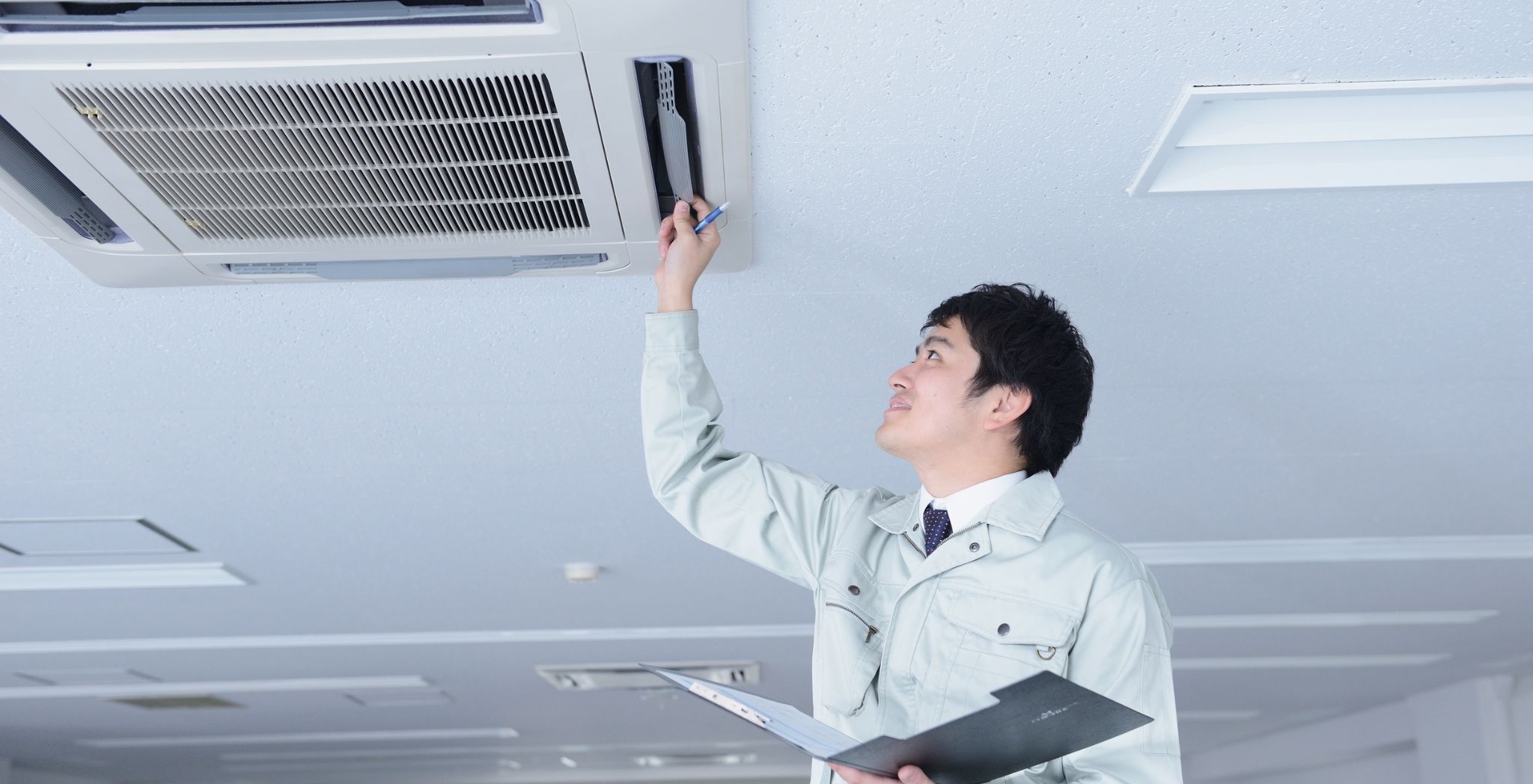
Your heating and cooling system acts as the “lungs” of your home. If mold gets into the ductwork, the system will blow spores into every room of the house. This is why HVAC Testing & Adjusting & Balancing is a vital part of air quality. A properly balanced HVAC system controls humidity and ensures adequate filtration, preventing the conditions that allow mold to thrive.
Water Quality and Leaks
Moisture is the engine of mold growth. Sometimes, the moisture doesn’t come from a leak in the roof, but from plumbing issues or high humidity caused by poor drainage. Integrating Water Testing & Compliance into your home maintenance ensures that your plumbing and water systems are not contributing to hidden dampness or contamination.
What Happens After Testing?
Once the samples are analyzed by a laboratory, you will receive a report. This report usually includes:
- Spore Counts: How many spores were found per cubic meter of air.
- Species Identification: Whether the mold is common “mildew” or more hazardous types like Stachybotrys (often called black mold).
- Comparison: A comparison of indoor air versus outdoor air. (Indoor counts should ideally be lower than outdoor counts).
If the results show elevated mold levels, the next step is Remediation. This involves fixing the water source, sealing off the contaminated area, and using HEPA filtration to scrub the air. Once the mold is removed, moisture control (using dehumidifiers or fixing leaks) is the only way to ensure it doesn’t return.
Conclusion: Your Path to a Healthier Home
Mold testing for home is not just about identifying a fungus; it is about taking control of your indoor environment. Your home should be a sanctuary, a place where the air is clean and the structure is sound. By understanding the signs of mold, the limitations of DIY kits, and the importance of professional assessments, you can protect your investment and your family’s health.
Whether you are dealing with a recent water leak, a strange smell, or you just want peace of mind before moving into a new house, professional testing is the answer. Comprehensive services—ranging from Industrial Hygiene Assessments to HVAC Testing—provide the data you need to breathe easy. For expert mold testing and a healthier home, contact us
Don’t wait for the mold to become visible. Protect your home today.




Leave A Comment