
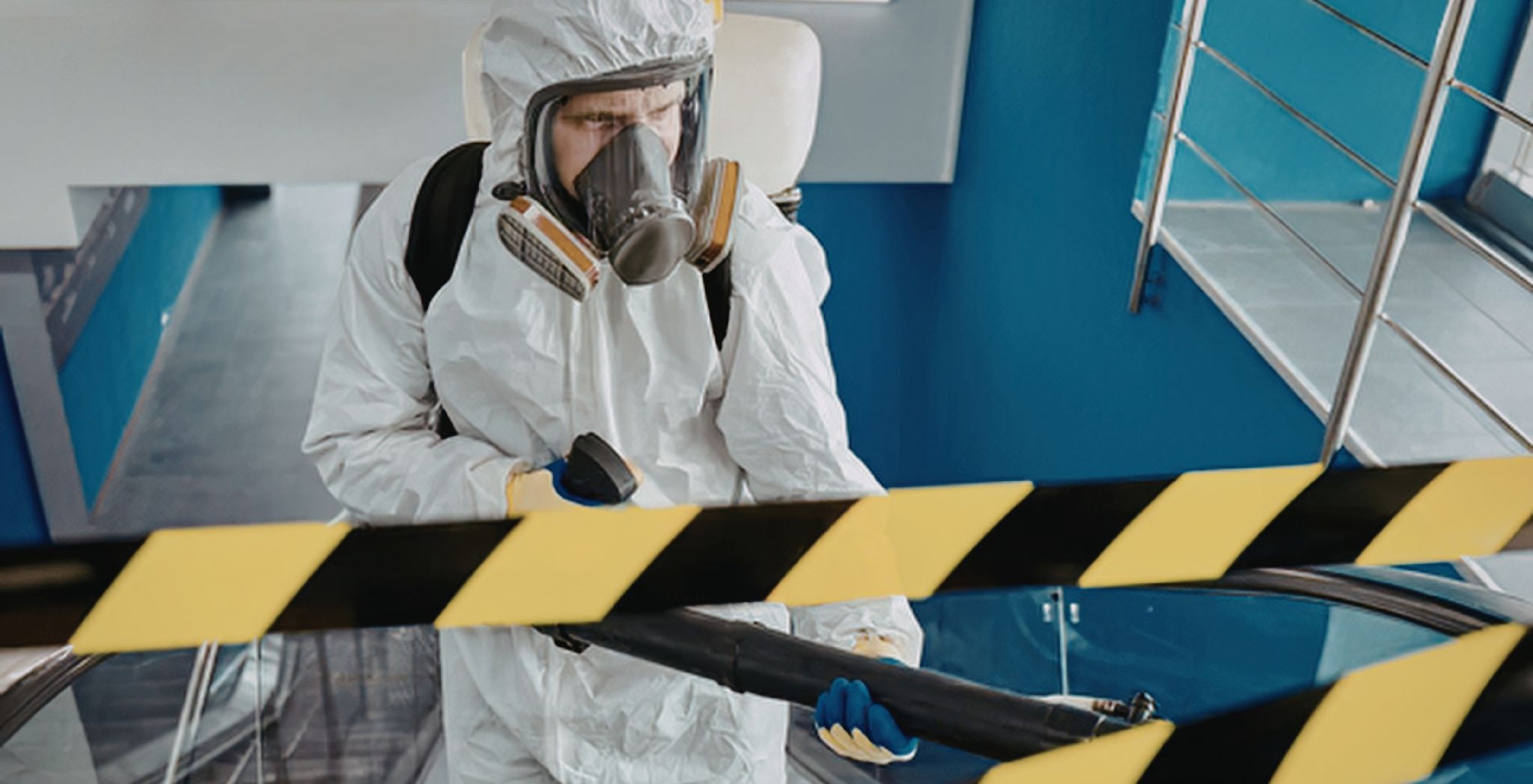
Hazardous Material Management, In any industrial, medical, or manufacturing environment, the presence of hazardous materials is often an unavoidable reality of production and operation. However, the presence of these substances does not have to equate to an inherent danger for your workforce.
The difference between a high-functioning, safe facility and a site of potential catastrophe lies entirely in hazardous material handling. Proper management is not merely a box to be checked for a regulatory audit; it is a fundamental pillar of operational excellence and ethical corporate responsibility.
When hazardous substances are mishandled, the consequences are rarely localized. They ripple outward, affecting employee health, environmental integrity, and the financial stability of the organization. From toxic fumes that cause chronic respiratory issues to chemical spills that contaminate local water tables, the stakes are incredibly high.
This is why a robust hazardous material management strategy is essential. Throughout this guide, we will explore the nuances of identifying these risks, the mechanics of a hazardous material management system, and how expert partners like Health System Sciences LLC provide the necessary oversight to keep your workplace compliant and your people protected.
What Are Hazardous Materials?
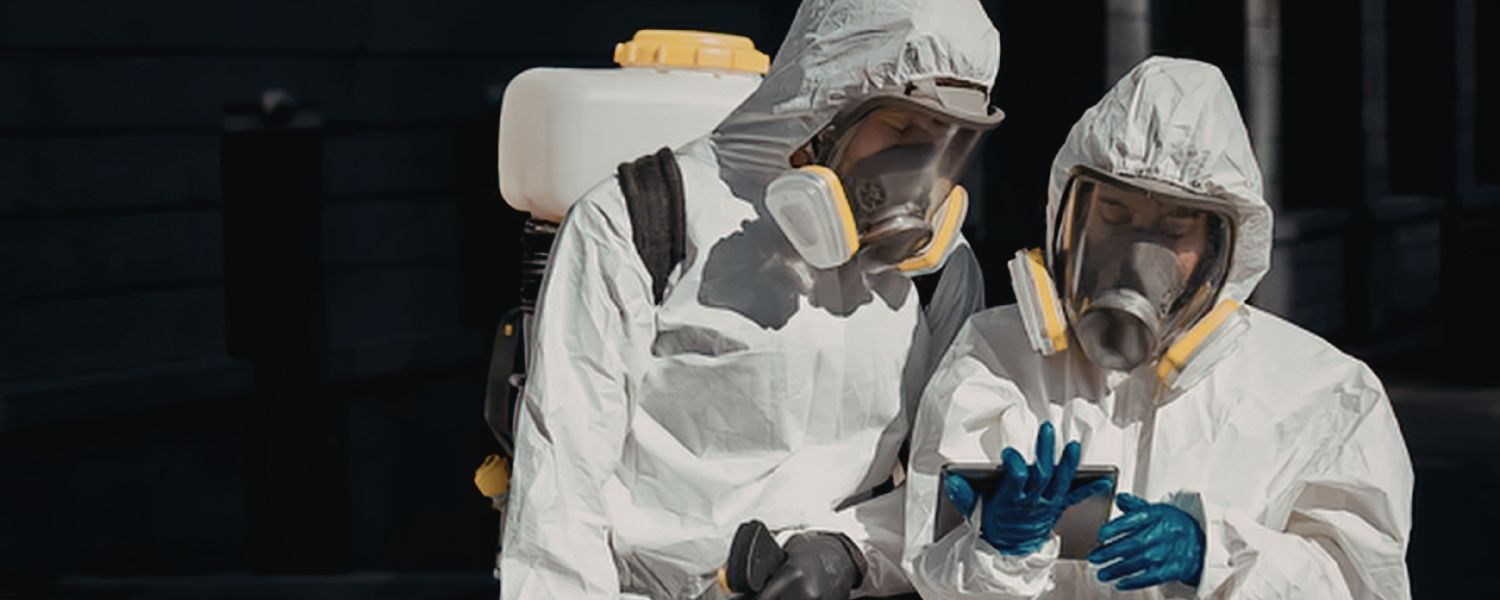
To manage a risk, one must first define it. Hazardous materials, often referred to as “hazmat,” encompass any substance like solid, liquid, or gas that has the potential to cause harm to humans, animals, or the environment. These materials are classified based on their physical and chemical properties, and they are found in more places than one might think. Even common cleaning agents or industrial lubricants can reach “hazardous” status if handled in large quantities or improper conditions.
Common Categories of Workplace Hazards
- Flammable and Combustible Substances: These include fuels, solvents, and certain cleaning chemicals that can ignite easily. Improper storage near heat sources or in poorly ventilated areas can lead to devastating fires or explosions.
- Toxic Chemicals: Substances that can cause illness or death if inhaled, ingested, or absorbed through the skin. This category includes everything from heavy metals like lead and mercury to industrial pesticides and certain laboratory reagents.
- Corrosive Materials: Strong acids and bases (like sulfuric acid or sodium hydroxide) that can eat through metal containers and cause severe chemical burns to human tissue on contact.
- Biohazards: Frequently found in healthcare and research settings, these include infectious microorganisms, viruses, and bloodborne pathogens that require specialized containment and disposal protocols.
- Radioactive Materials: Used in specific medical imaging and industrial testing equipment, these materials emit ionizing radiation that can cause long-term genetic damage or acute radiation sickness if shielding is compromised.
Ensuring hazardous material safety requires a deep understanding of these classifications. Each material demands a specific Safety Data Sheet (SDS) that outlines its properties, the personal protective equipment (PPE) required for handling, and the specific procedures for neutralizing a spill.
Why Proper Hazardous Material Handling is Critical

The “why” behind hazardous material management is three-fold: the protection of human life, the preservation of the environment, and the mitigation of legal and financial risk.
Protecting Human Health
The most immediate concern is the physical well-being of your employees. Short-term exposure to mishandled chemicals can lead to acute issues like dizziness, skin rashes, or chemical asphyxiation. However, the “silent” risks are often more dangerous. Long-term, low-level exposure to certain hazardous materials can lead to chronic conditions such as cancer, organ failure, or reproductive issues. Proper handling protocols ensure that these exposures are kept below permissible limits.
Environmental Stewardship
A single leak from an improperly sealed drum can seep into the soil, eventually reaching the groundwater. The cost of environmental remediation is astronomical, often reaching millions of dollars, not to mention the irreparable damage to local ecosystems. Proper management ensures that waste is captured, treated, and disposed of in a way that leaves no footprint.
Regulatory Compliance and OSHA
Occupational Safety and Health Administration (OSHA) regulations are not suggestions; they are federal mandates. Failure to implement hazardous material safety management can result in “Willful Violation” citations, which carry heavy financial penalties. Beyond fines, a poor safety record can lead to increased insurance premiums, loss of government contracts, and significant damage to a company’s reputation. By prioritizing safety, businesses avoid the legal entanglements that follow workplace accidents.
Implementing a Hazardous Material Management System (HMMS)
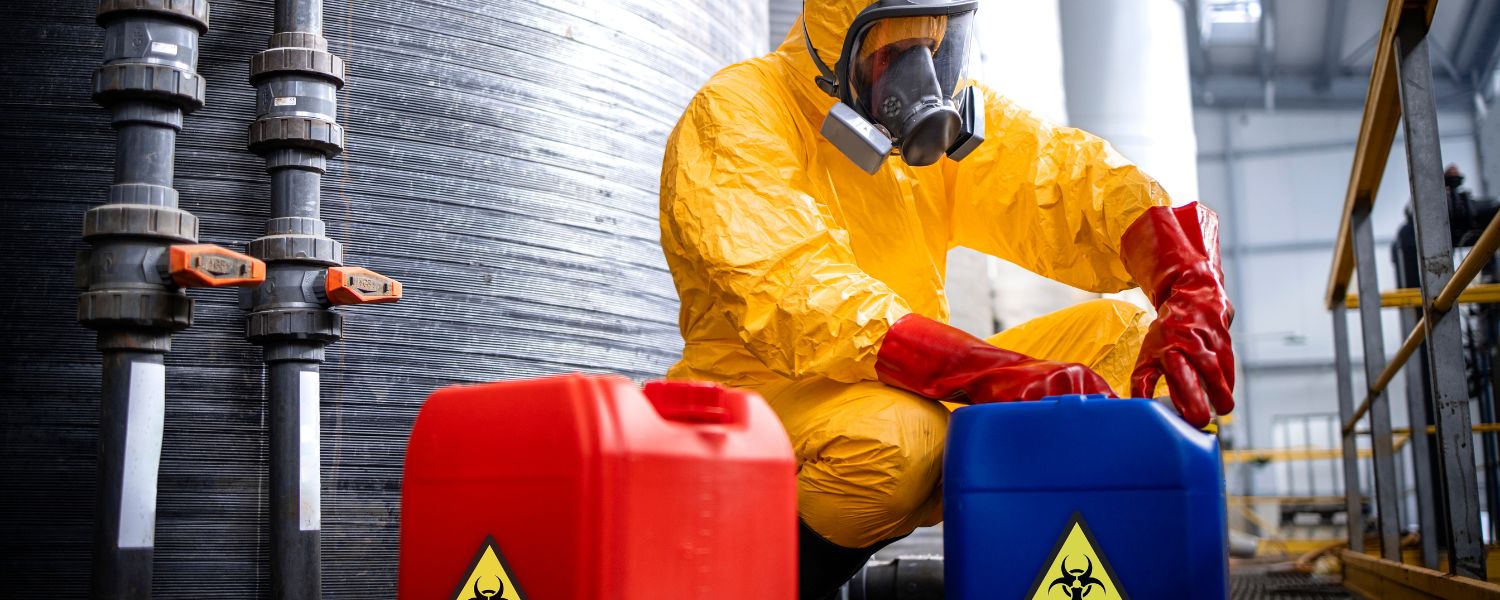
A hazardous material management system is a structured framework that oversees the entire lifecycle of a hazardous substance from the moment it is purchased and enters the facility to the moment it is used, stored, and eventually disposed of as waste.
The Components of a Strong HMMS
- Inventory Tracking: You cannot manage what you do not measure. A digital or physical ledger must track every ounce of hazardous material on-site, ensuring that incompatible chemicals (like oxidizers and flammables) are stored far apart.
- Storage Protocols: This involves using specialized cabinets, secondary containment pallets (to catch leaks), and proper climate control to prevent chemical degradation.
- Disposal Procedures: Hazardous waste must be characterized and transported by licensed professionals. An HMMS ensures that your facility is not “warehousing” dangerous waste beyond legal time limits.
- Training and Communication: A system is only as good as the people operating it. Regular training ensures that every employee knows how to read an SDS and what to do in a “Code Red” situation.
Hazardous Material Safety Management: Best Practices
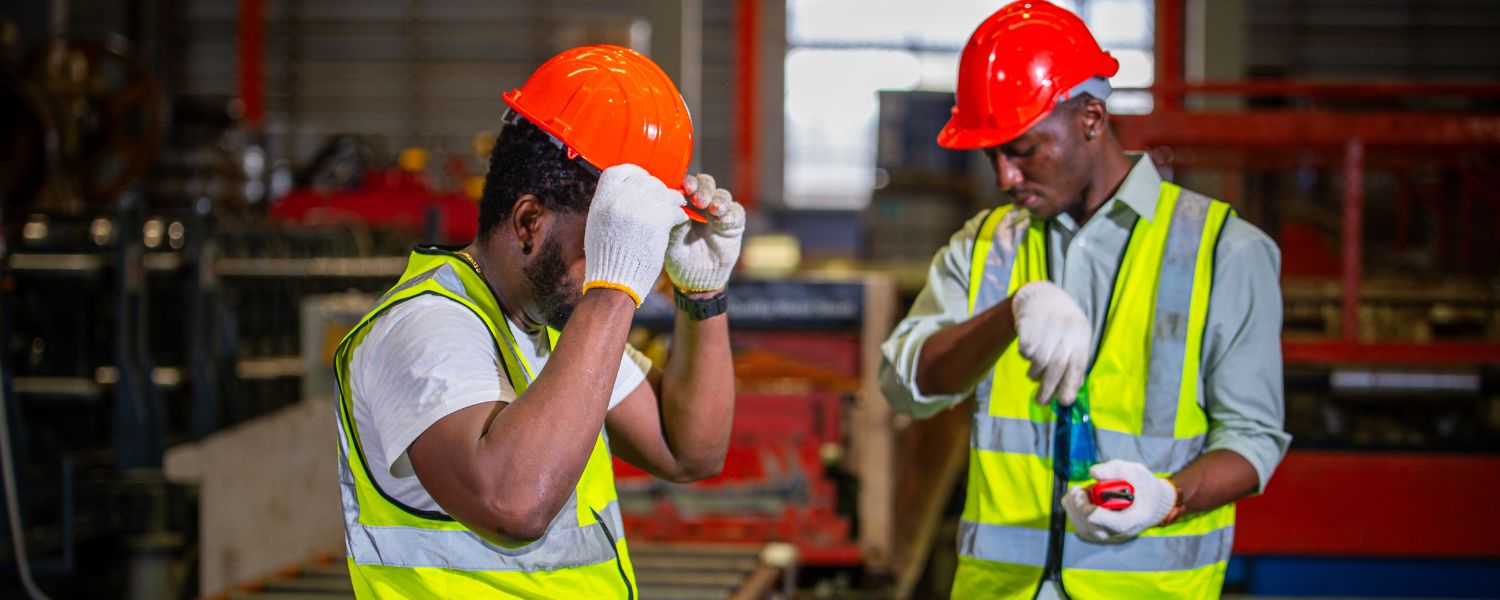
To move beyond mere compliance and toward a culture of safety, companies should adopt “Best-in-Class” industrial hygiene practices. At Health System Sciences LLC, we emphasize a proactive rather than reactive approach to safety.
1. The Hierarchy of Controls
Before relying on PPE, try to eliminate the hazard entirely. Can a non-toxic cleaner replace a caustic one? If not, can the process be enclosed to prevent fumes from escaping? This “Engineering Control” mindset is the gold standard of industrial hygiene and safety.
2. Rigorous PPE Standards
When contact with hazardous materials is unavoidable, the PPE must be exact. A standard dust mask is useless against organic vapors; a nitrile glove may dissolve when touching certain solvents. Precision in equipment selection is a life-saving necessity.
3. Emergency Response Planning
Every facility should have a “Spill Kit” tailored to the specific chemicals they house. Furthermore, employees must participate in regular drills so that their response to a leak is instinctual rather than panicked.
4. Professional Consulting
Implementing these practices is complex. Health System Sciences LLC works with organizations to audit their current practices, identify gaps in safety, and provide the technical expertise needed to build a world-class safety program.
Ensure Safe Handling with Expert Hazardous Material Management
Protect your workforce and ensure compliance with comprehensive hazardous material management services from Health System Sciences LLC.
Our expert team provides assessments, testing, and tailored safety systems to safeguard your business from hazardous material risks. Don’t wait for an accident—act now to mitigate potential hazards.
The Role of Hazardous Material Testing

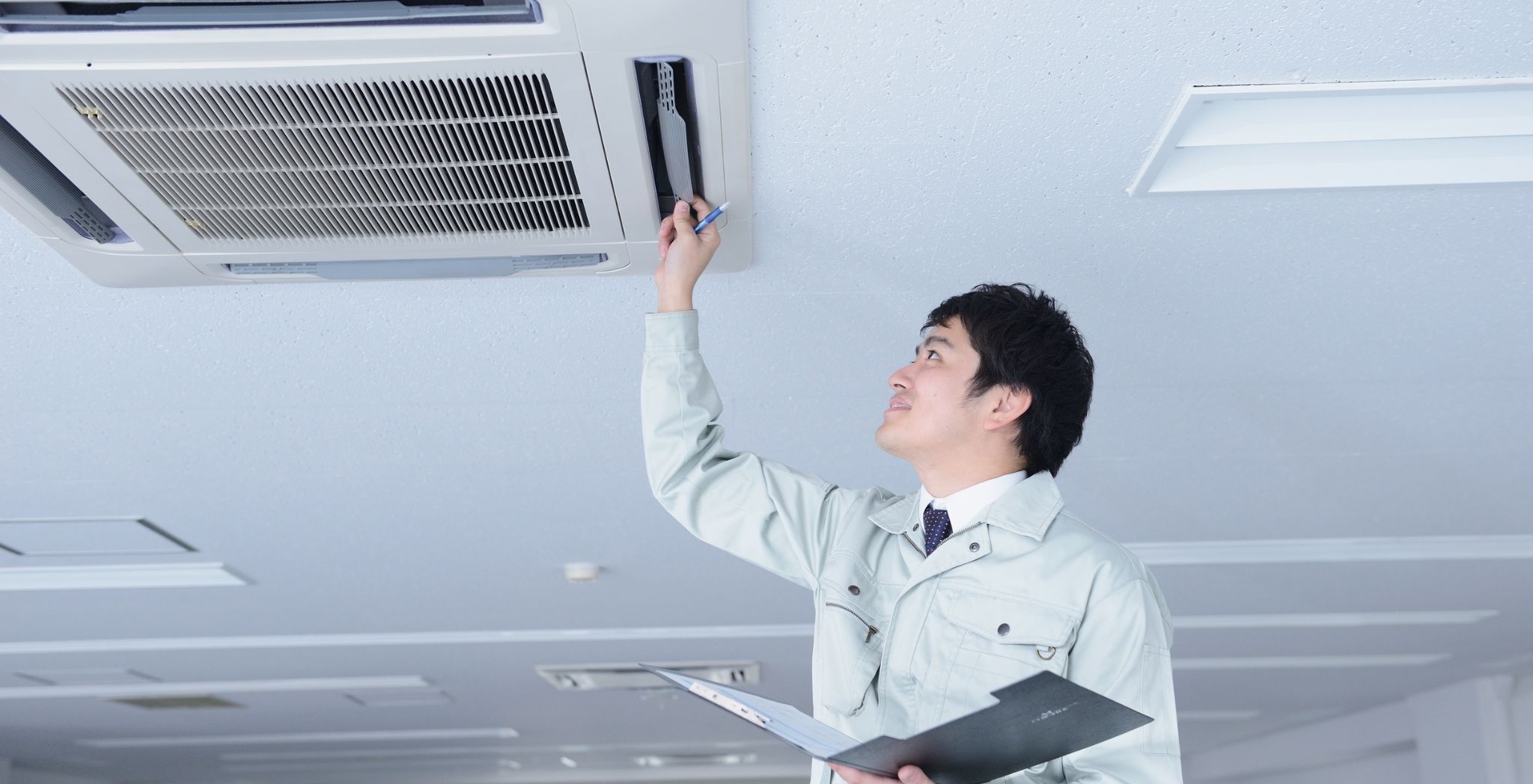
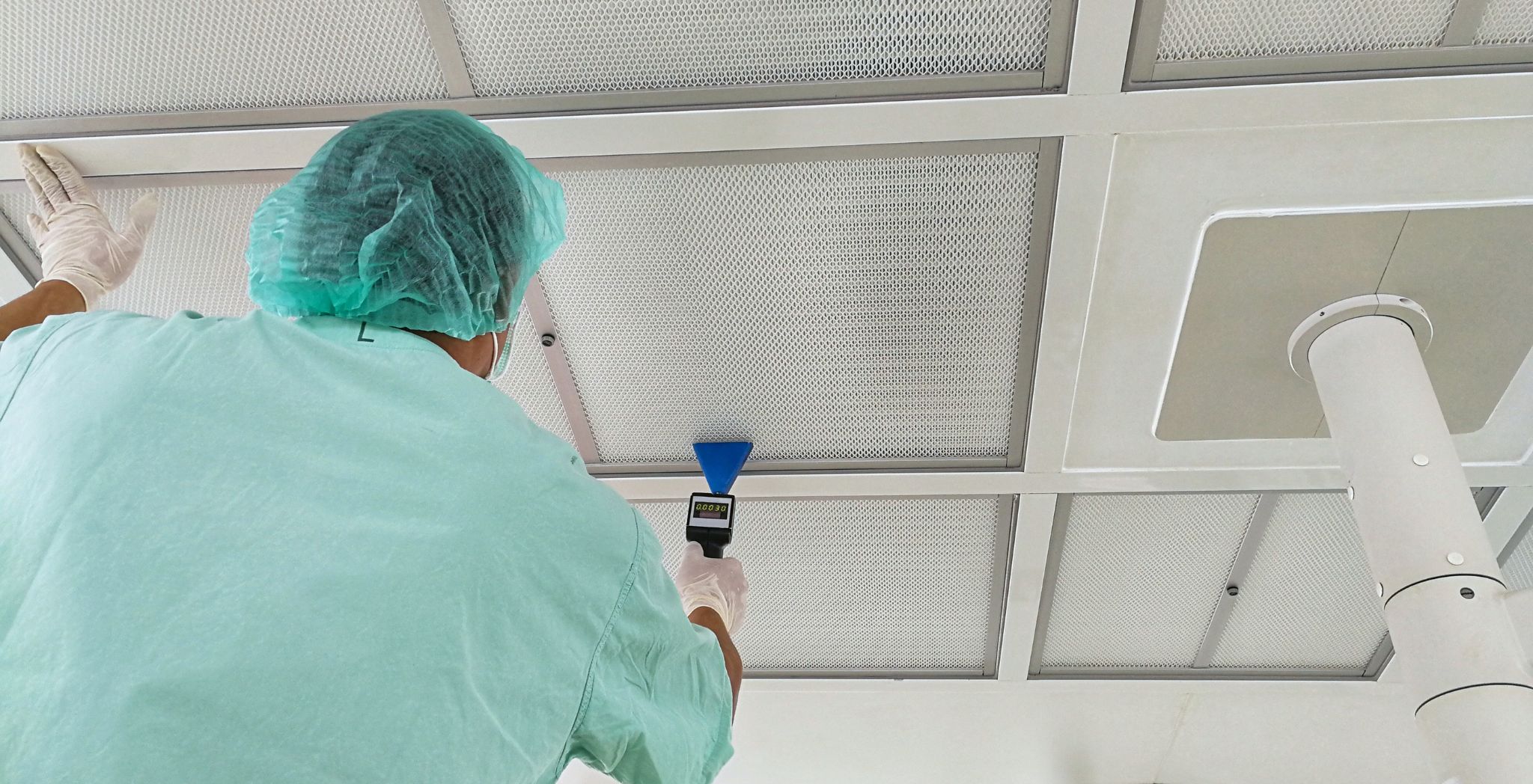
You cannot always see, smell, or taste a hazard. This is where professional testing becomes the most critical tool in your safety arsenal. Industrial hygiene testing companies use sophisticated instrumentation to sample the air, water, and surfaces of a workplace to detect invisible threats.
Why Testing is Non-Negotiable
- Air Quality Monitoring: Testing ensures that vapors, mists, or dust particles are not exceeding the Threshold Limit Values (TLVs) set by safety organizations.
- Waste Characterization: Before disposing of a drum of liquid, testing determines if it is “Hazardous Waste” under EPA guidelines, which dictates how it must be handled legally.
- Verification of Controls: Testing proves that your ventilation systems and scrubbers are actually working. It provides the data-backed “all clear” that gives management and employees peace of mind.
By partnering with experts for regular sampling and analysis, you ensure that your facility remains a healthy environment for everyone who walks through the doors.
Frequently Asked Questions (FAQ)
Q1. How do I get IHMM certified?
The Institute of Hazardous Materials Management (IHMM) offers several certifications, such as the Certified Hazardous Materials Manager (CHMM). To get certified, you typically need a relevant bachelor’s degree and several years of professional experience in the field. You must then pass a rigorous exam that covers everything from toxicology to federal regulations. It is an excellent way to prove expertise in hazardous material safety management.
Q2. Is HMIS required by OSHA?
OSHA does not explicitly require the use of the Hazardous Materials Identification System (HMIS) color-coded labels. However, OSHA does require a comprehensive Hazard Communication (HazCom) program. Many businesses use HMIS as a compliant way to meet these requirements because it provides a clear, visual shorthand for health, flammability, and physical hazards.
Q3. What is hazardous materials management?
It is the comprehensive process of regulating how dangerous substances are handled within an organization. This includes procurement, labeling, employee training, safe storage, use-monitoring, and the final legal disposal of the material. The goal is to minimize risk to people and the planet.
Q4. What are the five hazardous materials?
While there are many sub-categories, the five most commonly referenced types in general industry training are:
- Flammable Liquids (e.g., Gasoline, Alcohol)
- Toxic/Poisonous Substances (e.g., Cyanide, Lead)
- Corrosive Chemicals (e.g., Battery Acid, Bleach)
- Explosives (e.g., Dynamite, Compressed Gases)
- Radioactive Materials (e.g., Uranium, Cobalt-60)
Q5. Where should I get hazardous material management at my workplace?
For comprehensive, high-level oversight, you should consult with accredited environmental and safety experts. Health System Sciences LLC specializes in providing end-to-end hazardous material management, including specialized testing, compliance auditing, and the development of safety management systems tailored to your specific industry needs.
Conclusion: Securing Your Workplace Future
The importance of proper hazardous material handling cannot be overstated. It is the line between a productive workday and a life-altering accident. By understanding the nature of the materials you work with, implementing a structured hazardous material management system, and adhering to the highest standards of industrial hygiene and safety, you protect your most valuable asset: your people.
Safety is not a destination; it is a continuous process of evaluation and improvement. Whether you are dealing with common industrial solvents or complex biohazards, expert guidance is your best defense against the unknown.
Ensure the safety and compliance of your workplace. Do not leave your regulatory standing or your employees’ health to chance. Contact Health System Sciences LLC today for professional hazardous material management services, comprehensive testing, and expert consulting. Together, we can build a safe, compliant, and thriving workplace environment.




Leave A Comment