
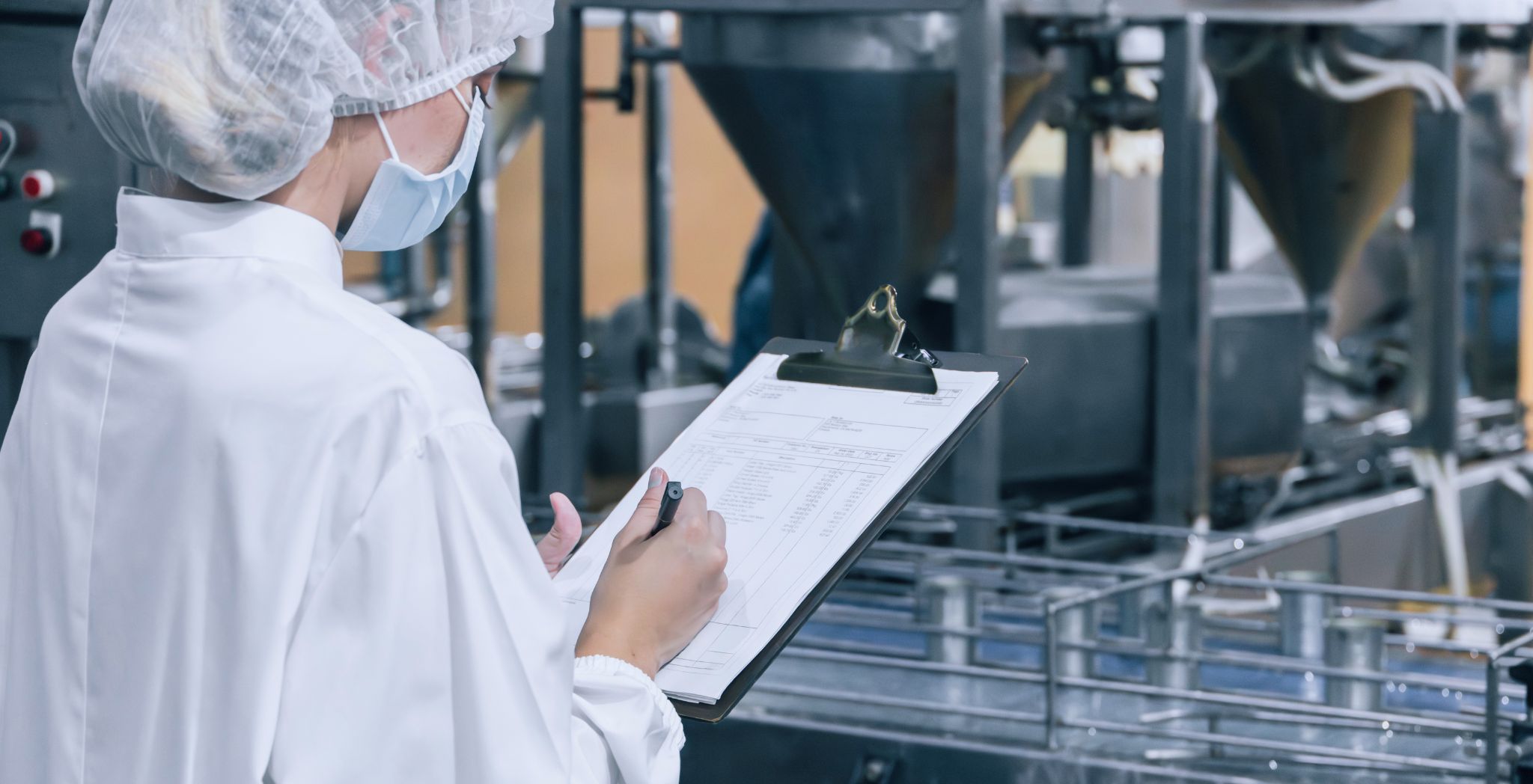
“Safety” is often synonymous with hard hats, high-visibility vests, and preventing slips or falls, in the modern corporate landscape. While these physical protections are vital, there is an invisible layer of protection that is equally if not more critical to the long-term health of a workforce: Industrial Hygiene.
Industrial hygiene is the dedicated science of protecting workers by identifying, evaluating, and controlling environmental stressors in the workplace. These stressors range from toxic chemical vapors and hazardous dust to excessive noise and biological pathogens. Without a robust industrial hygiene program, these “silent” hazards can lead to chronic illnesses, permanent disabilities, and significant legal liabilities for business owners.
At Health System Sciences LLC (HSSCIENCES), we believe that a safe workplace is a productive one. Our goal is to bridge the gap between complex regulatory requirements and practical, on-the-ground safety solutions.
In this comprehensive guide, we will explore why industrial hygiene is the backbone of workplace safety, the essential services involved, and how your organization can achieve total compliance and peace of mind.
What is Industrial Hygiene?
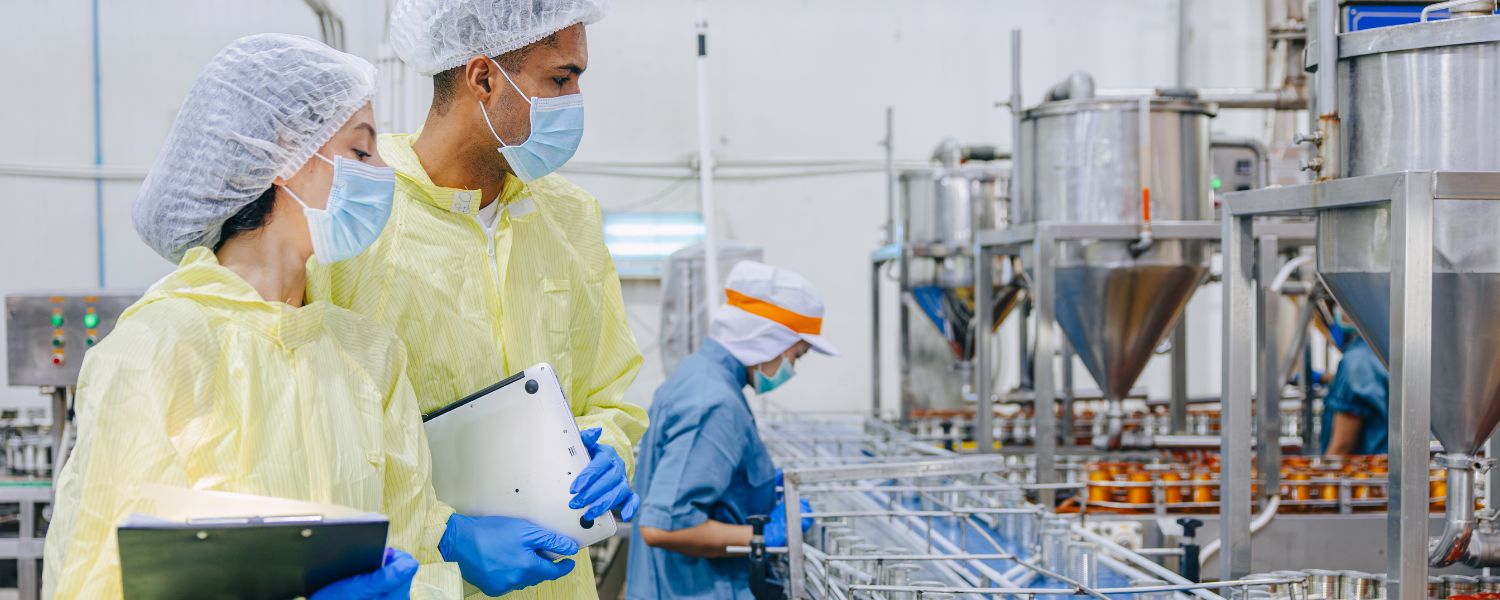
To truly appreciate the value of a safe workplace, we must first answer a fundamental question: What is industrial hygiene?
Often referred to as Occupational Hygiene outside the United States, industrial hygiene is the science and art devoted to the anticipation, recognition, evaluation, and control of those environmental factors or stresses arising in or from the workplace. These factors may cause sickness, impaired health and well-being, or significant discomfort among workers or among the citizens of the community.
Why is Industrial Hygiene Necessary?
Industrial hygiene is not merely a “best practice” it is a necessity driven by three primary factors:
- Regulatory Compliance: Agencies like the Occupational Safety and Health Administration (OSHA) and the Environmental Protection Agency (EPA) have strict mandates regarding permissible exposure limits (PELs) for various substances. Failure to meet these standards can result in massive fines and operational shutdowns.
- Risk Mitigation: Identifying hazards before they cause an incident is far more cost-effective than managing a workers’ compensation claim or a lawsuit.
- Employee Well-being: At its core, industrial hygiene is about people. Ensuring that an employee returns home in the same health they arrived in is the ultimate ethical responsibility of any employer.
The Core Goals of the Practice
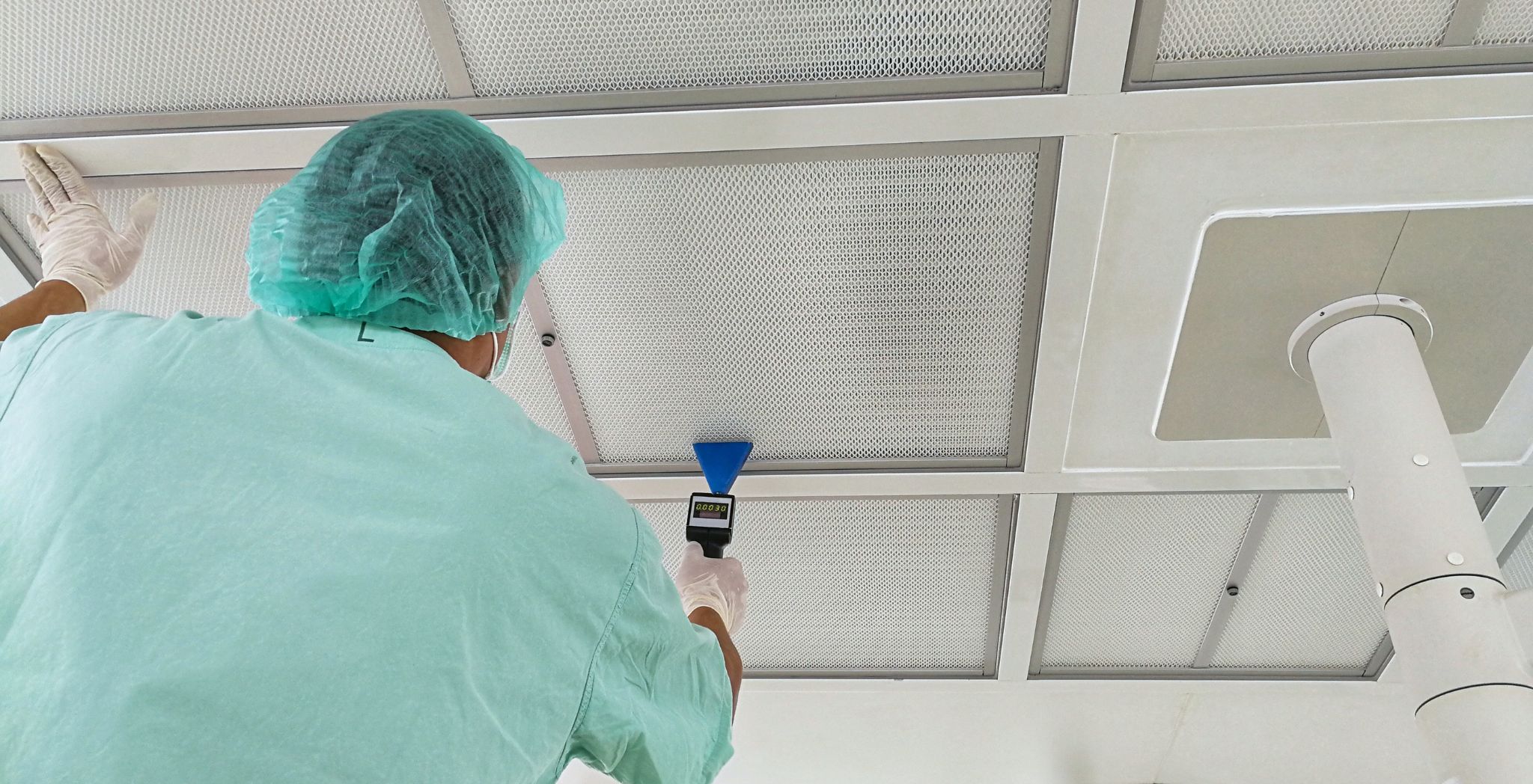
The practice of industrial hygiene is built on a systematic approach to risk. Industrial hygienists use rigorous scientific methods to perform risk identification and control. This involves not just looking for obvious dangers, but using advanced technology to perform monitoring and measuring of workplace hazards that the human senses cannot detect, such as odorless gases or high-frequency vibrations.
By understanding the “why” behind these practices, companies can move from a reactive safety culture to a proactive one, where health risks are neutralized before they ever reach the worker.
Industrial Hygiene Services
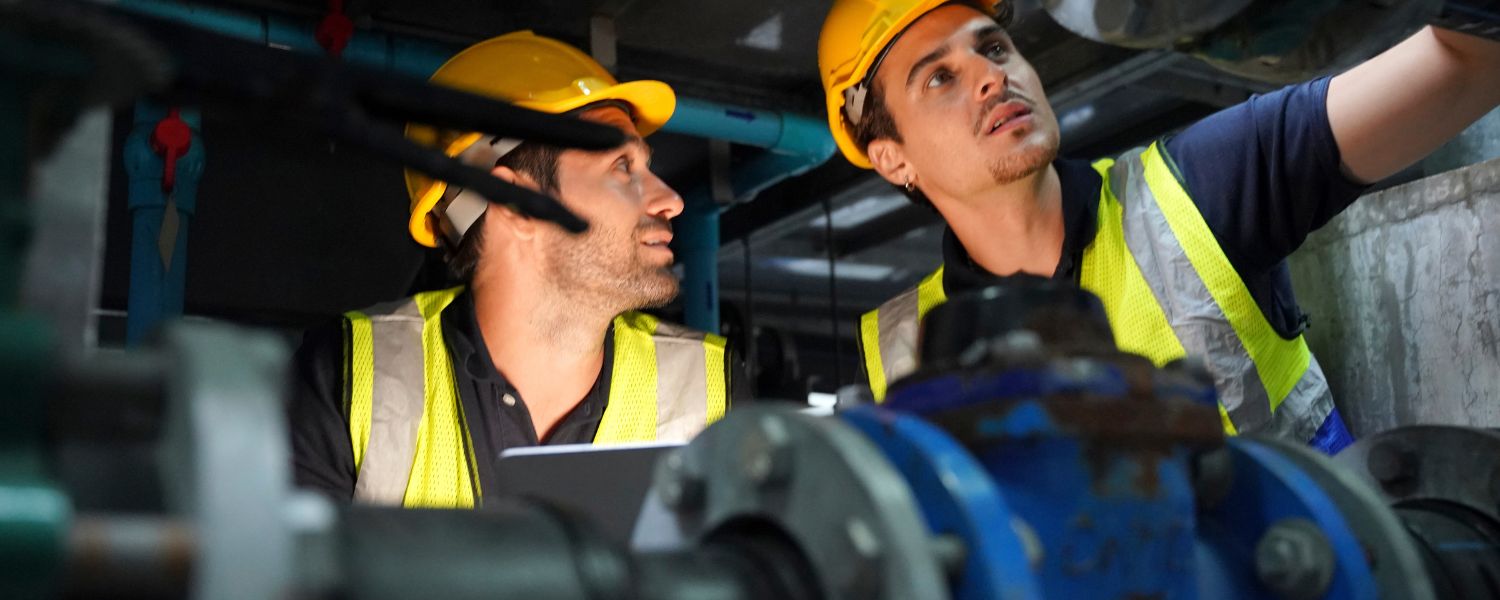
Maintaining a safe facility requires more than a one-size-fits-all checklist. It requires specialized industrial hygiene services tailored to the unique environment of your industry—whether you operate a chemical processing plant, a construction site, or a high-tech laboratory.
Health System Sciences LLC provides a suite of professional services designed to cover every angle of occupational health:
Workplace Hazard Assessments
This is the foundational step. Our experts conduct a thorough walkthrough of your facility to identify physical hazards (like radiation or extreme temperatures), chemical hazards (vapors, lead, asbestos), and biological hazards (mold, bacteria, viruses). We evaluate how these hazards interact with your specific workflows.
Air Quality Monitoring and Sampling
The air your employees breathe is often the most significant source of health risks. We utilize high-precision instruments to conduct indoor air quality (IAQ) testing. This includes monitoring for volatile organic compounds (VOCs), carbon monoxide, and particulate matter that can cause respiratory distress or long-term lung disease.
Industrial Hygiene Testing for Chemical Exposure
In industrial settings, exposure to chemicals is often unavoidable. However, it must be managed. We conduct personal and area sampling to determine if chemical concentrations exceed safe limits. This industrial hygiene testing provides the data necessary to implement engineering controls, such as improved ventilation or “scrubbers.”
PPE Assessments and Recommendations
Personal Protective Equipment (PPE) is the last line of defense. We don’t just tell you to wear a mask; we perform “Fit Testing” and evaluate whether your current PPE is actually rated for the specific hazards present in your facility.
Ensuring Compliance
By partnering with HSSCIENCES, you aren’t just getting a report; you are getting a roadmap to compliance. We help you navigate the complex web of OSHA and EPA regulations, ensuring that your documentation is audit-ready and your employees are protected.
The Role of Industrial Hygiene in Workplace Safety
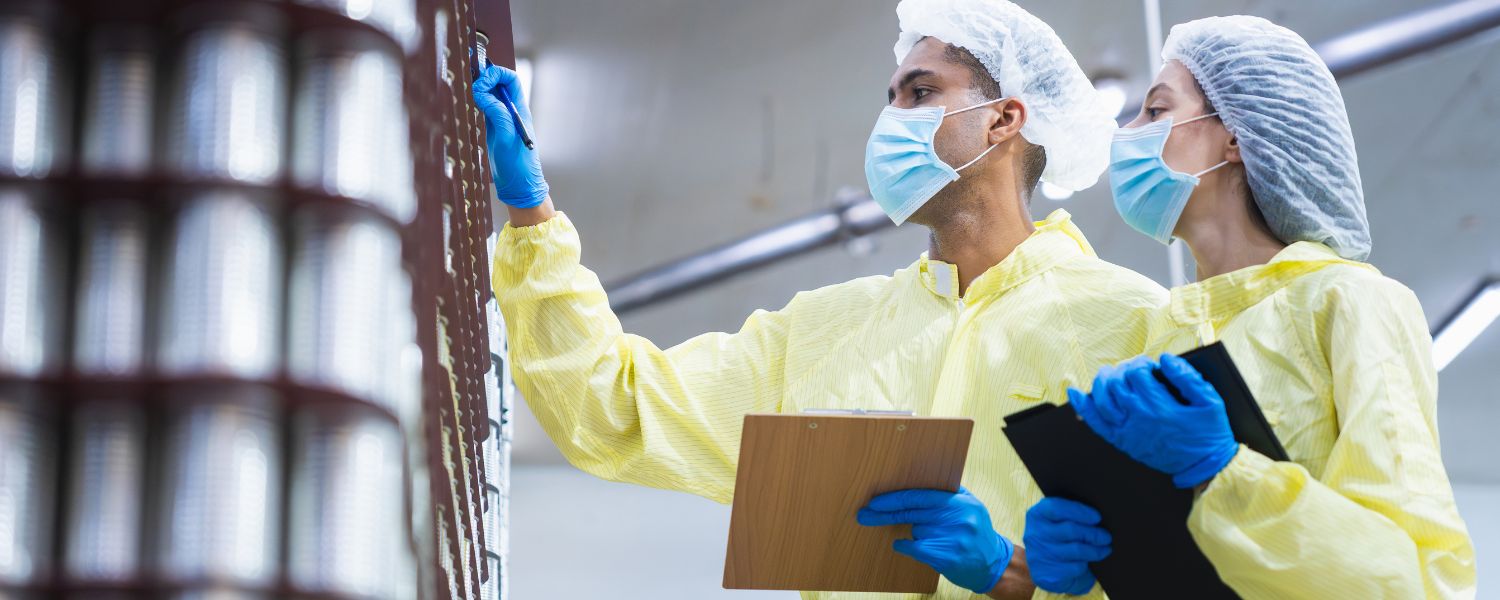
The relationship between industrial hygiene and safety is symbiotic. While “safety” usually deals with acute accidents (like a fire or a fall), “industrial hygiene” deals with health hazards that often have a latency period. For example, a worker might not feel the effects of silica dust today, but without proper hygiene controls, they may develop silicosis ten years from now.
Reducing Health Risks
An effective industrial hygiene program targets the root causes of occupational disease. By managing chemical exposure, respiratory issues, and noise-induced hearing loss, companies drastically reduce their long-term liability. Environmental monitoring ensures that the “background” of the workplace is clean, quiet, and stable.
Hazard Control Hierarchy
Industrial hygienists follow a “Hierarchy of Controls” to ensure safety:
- Elimination: Removing the hazard entirely.
- Substitution: Replacing a toxic chemical with a safer one.
- Engineering Controls: Redesigning the workspace or adding ventilation.
- Administrative Controls: Changing how people work (e.g., rotating shifts to reduce exposure time).
- PPE: Providing gear to the individual.
By applying these principles, industrial hygiene management supports a sustainable safety culture. It helps companies avoid the astronomical costs associated with legal battles and medical expenses, fostering an environment where employees feel valued and protected.
The Process of Industrial Hygiene Testing
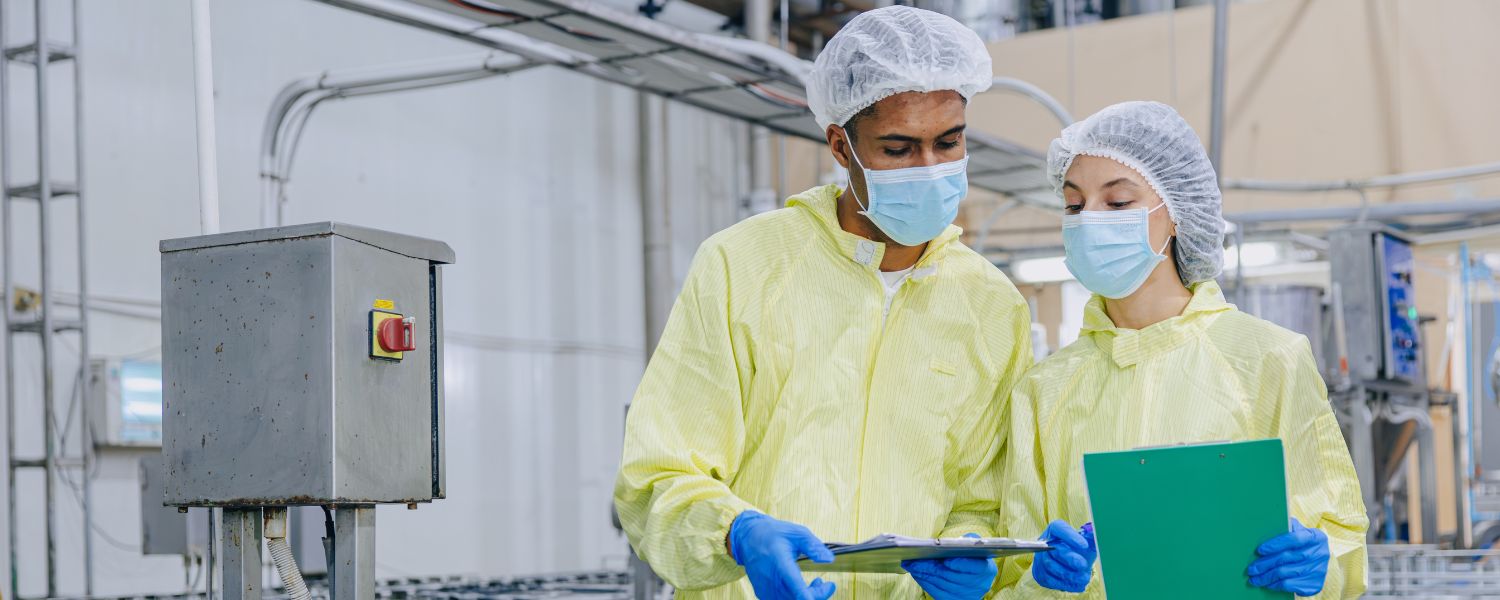
Understanding the “how” of industrial hygiene testing can help demystify the process for facility managers and business owners. At Health System Sciences LLC, we follow a rigorous four-step scientific method to ensure accuracy.
1. Hazard Identification
The process begins with a “Qualitative Exposure Assessment.” We look at your Safety Data Sheets (SDS), observe work processes, and interview employees to recognize potential risks that may have been overlooked.
2. Monitoring and Measurement
Once hazards are identified, we use calibrated equipment to quantify the risk. This might involve placing personal sampling pumps on employees to measure what they breathe during an 8-hour shift, or using sound level meters to map out “hearing protection required” zones.
3. Sampling and Laboratory Analysis
Collected samples (air filters, swabs, or charcoal tubes) are sent to accredited laboratories. This step is crucial because it provides the legal and scientific proof of exposure levels. We test for everything from heavy metals to microscopic mold spores.
4. Analysis and Reporting
The final step is the most important for the client. We provide a detailed report that doesn’t just list numbers, but interprets them. We offer actionable recommendations for risk control, such as suggesting specific ventilation upgrades or changes in chemical storage protocols.
Regular testing is the only way to ensure that as your business grows and your processes change, your safety standards don’t lag behind.
Industrial Hygiene Certification
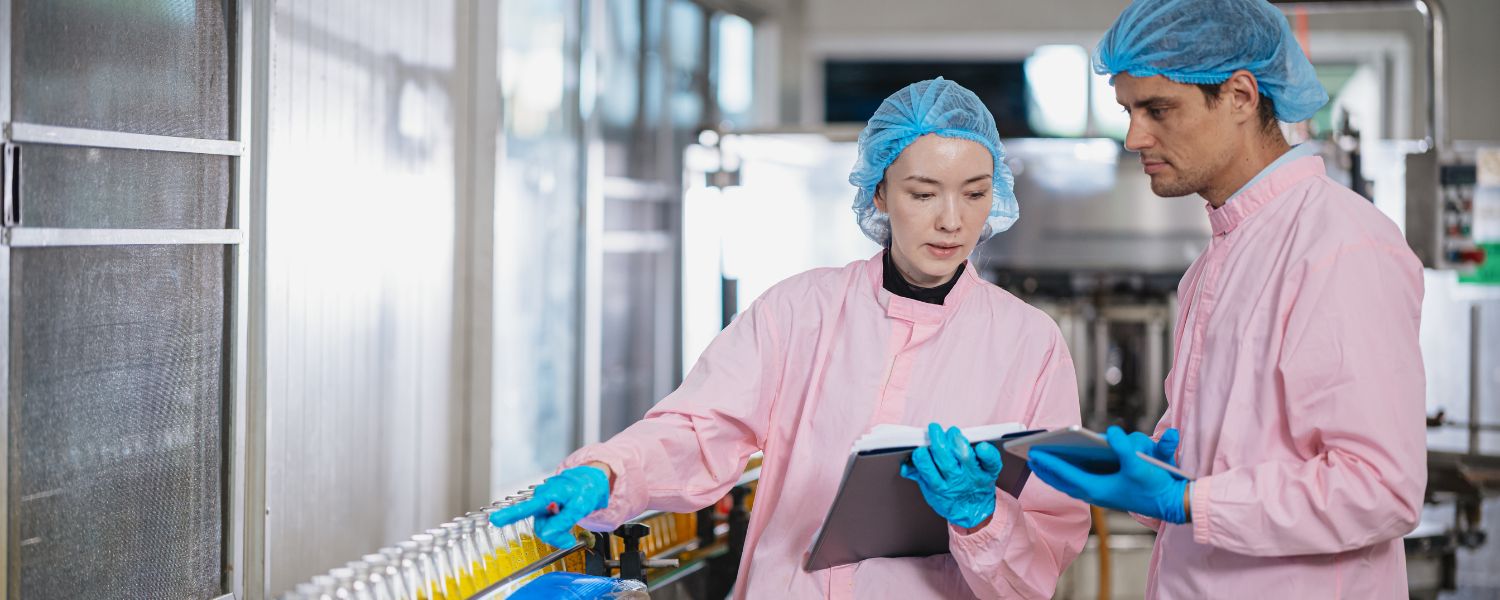
In a competitive market, proving your commitment to safety is a significant advantage. This is where industrial hygiene certification and professional oversight come into play.
Why Certification Matters
When a business achieves high standards in industrial hygiene, it signals to employees, stakeholders, and insurers that the company is fully compliant with national and international health and safety standards. Certification—often pursued through organizational audits or by employing Certified Industrial Hygienists (CIHs)—ensures that your safety programs are not just “on paper” but are functioning effectively in the real world.
Protect Your Workforce with Expert Industrial Hygiene Assessments
Ensure your workplace is free from hidden health hazards. Health System Sciences LLC provides comprehensive industrial hygiene assessments to help you stay compliant and safeguard your employees’ well-being.
Our expert assessments identify potential risks, recommend effective controls, and help you meet regulatory standards. Don’t wait for a health incident—get proactive about your workplace safety.
The Path to Compliance
Achieving a certified level of safety involves:
- Rigorous documentation of all hazard assessments.
- Evidence of ongoing employee training.
- Proof of regular environmental monitoring and equipment calibration.
Health System Sciences LLC acts as your guide through this complex landscape. We help companies navigate the certification process by providing the expert testing and documentation required by regulatory bodies. Whether you are aiming for ISO standards or simply want to ensure you are exceeding OSHA requirements, our team provides the technical expertise to get you there.
Frequently Asked Questions (FAQ)
1. What do you mean by industrial hygiene?
Industrial hygiene is the science and practice of protecting the health and well-being of workers by controlling workplace hazards. It involves a systematic approach to managing chemicals, noise, biological agents, and ergonomic stressors to prevent illness and injury.
2. What are the 4 principles of industrial hygiene?
The four core principles are:
- Anticipation: Forecasting potential hazards before a new process begins.
- Recognition: Identifying existing hazards in the current work environment.
- Evaluation: Using scientific testing to measure the extent of the hazard.
- Control: Implementing solutions (like ventilation or PPE) to reduce or eliminate the risk.
3. What are examples of industrial hygiene?
Common examples include:
- Air quality monitoring to detect toxic fumes or dust.
- Noise testing and mapping to prevent permanent hearing loss.
- Ergonomic assessments to prevent repetitive strain injuries.
- Radiation monitoring in medical or technical facilities.
- Biological sampling to ensure a workplace is free from mold or harmful bacteria.
4. What is industrial hygiene and safety?
Industrial hygiene and safety is a multidisciplinary field focused on protecting workers from health hazards through monitoring, risk control, and regulatory compliance. While safety often focuses on immediate physical accidents, industrial hygiene focuses on the health impacts of the environment.
5. Where should I get the Industrial Hygiene Assessment?
For a reliable and legally defensible assessment, you should consult certified and accredited environmental compliance experts. Health System Sciences LLC offers comprehensive testing, monitoring, and workplace safety assessments tailored to your specific industry needs.
Conclusion
Industrial hygiene is the “silent guardian” of the modern workplace. It goes beyond simple compliance; it is an investment in the longevity of your business and the health of your most valuable asset your people. By prioritizing industrial hygiene, you reduce health risks, ensure absolute regulatory compliance, and build a culture of trust and safety.
Don’t wait for an illness or an OSHA audit to reveal the gaps in your safety program. Proactive management is the only way to stay ahead of workplace hazards.
Ensure your workplace is safe and compliant. Contact Health System Sciences LLC today for expert industrial hygiene services, including professional testing, environmental monitoring, and certification support. Protect your business and your employees with our trusted environmental compliance expertise.



Leave A Comment