

Mold Testing, Most facilities fail compliance audits not because of obvious, visible issues but because of what they cannot see. In high-stakes environments like pharmaceutical labs, cleanrooms, and surgical suites, the margin for error is non-existent. You can have the most advanced machinery and the most rigorous cleaning protocols, yet still face a shutdown due to microscopic spores floating in the air or hiding behind a bulkhead.
Mold testing is often treated as a reactive measure something done only when a musty odor appears or a wall discolors. However, in the world of GMP (Good Manufacturing Practice) and ISO standards, mold testing is a proactive pillar of environmental monitoring. It is a critical, yet frequently overlooked, requirement that ensures product integrity and patient safety.
Whether you are preparing for an ISO 14644-1 certification or maintaining a sterile healthcare environment, understanding the nuances of mold is the difference between a seamless operation and a legal, financial, and reputational nightmare.
This guide explores why professional mold testing is the backbone of modern industrial compliance.
What Mold Testing Really Means (Beyond the Basics)
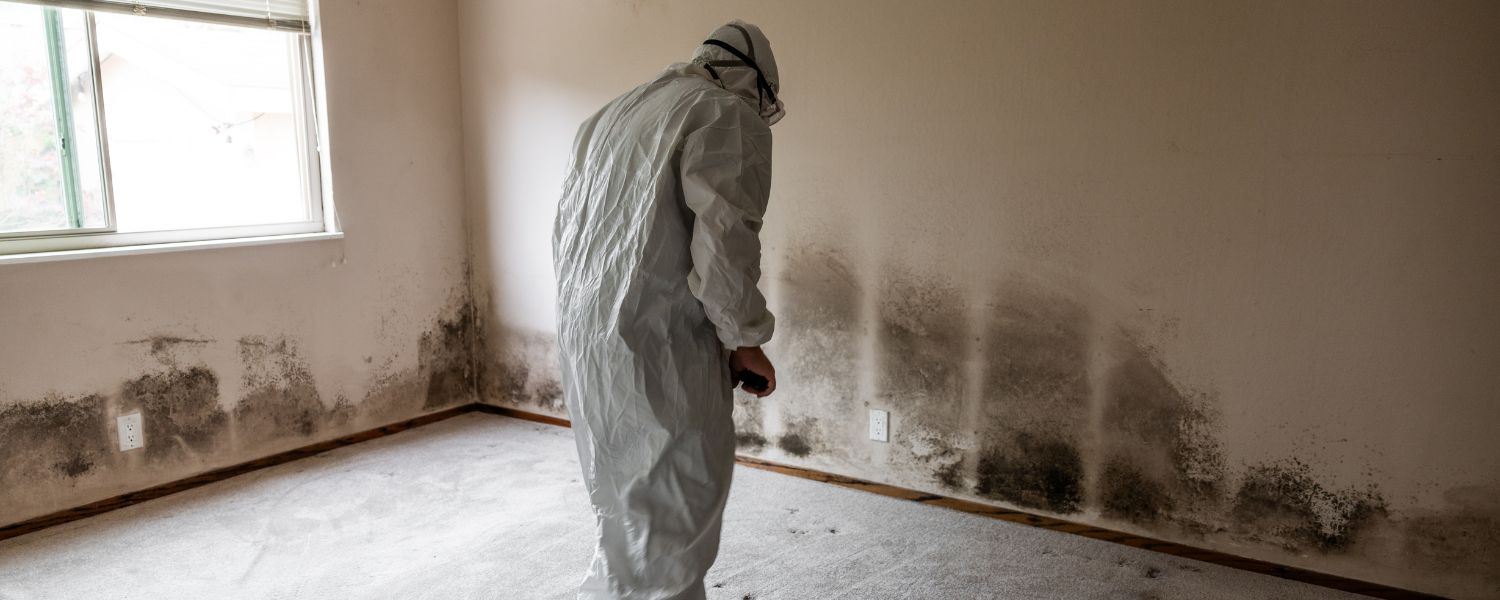
To the average person, a mold test might involve a simple DIY kit from a hardware store. For a compliance-driven facility, it is a sophisticated scientific process designed to quantify and qualify the presence of fungal contaminants.
Mold testing involves the systematic detection of both airborne and surface-level mold spores. Unlike dust or inorganic debris, mold is biological; it is alive, it reproduces, and it migrates. Even if a room looks clean, invisible spores can be present in concentrations that violate sterility protocols.
Why Does It Grow?
Mold thrives with moisture, a food source (cellulose, dust), and stagnant air. Minor HVAC issues or leaks can create ideal conditions. Regular HVAC testing, balancing, and adjustments can help prevent mold growth in your workplace.
Testing vs. Inspection
It is important to distinguish between the two. An inspection is a visual and physical assessment of a space. A test is a laboratory-backed analysis that provides hard data. For GMP and ISO compliance, visual inspections are never enough; you need the empirical evidence that only a formal test provides.
Why Mold is a Silent Threat in GMP & ISO Environments
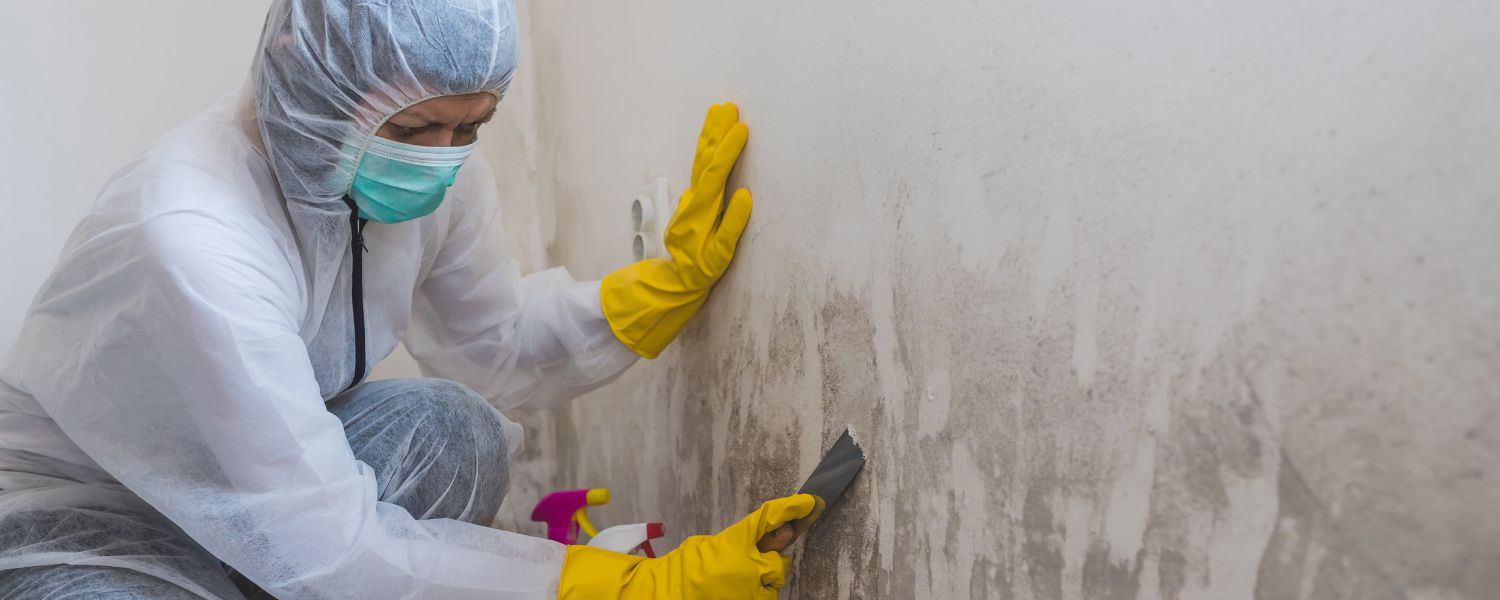
Compliance frameworks like GMP and ISO are built on the principle of controlled environments. Mold is the ultimate disruptor of that control.
Impact on GMP Compliance
Current Good Manufacturing Practices (cGMP) mandate that manufacturers prevent contamination, mix-ups, and errors. Mold introduces biological variability. If a batch of pharmaceuticals is exposed to Aspergillus or Penicillium spores during the filling process, the entire lot must be scrapped. Failing to detect this before distribution can lead to catastrophic product recalls.
ISO Standards and Environmental Stability
ISO 14644 standards regulate air cleanliness in cleanrooms. While these standards often focus on particles, the biological component of those particles is what keeps quality assurance managers awake at night. Mold spores are particularly troublesome because they can survive in harsh conditions and resist standard sanitization methods if they are allowed to establish a biofilm.
Industries most at risk include:
- Pharmaceuticals: Where sterility is a legal mandate.
- Biotechnology Labs: Where mold can outcompete sensitive cell cultures.
- Medical Device Manufacturing: Where spores can be trapped in packaging, only to cause infections later during clinical use.
The Real Cost of Ignoring Mold in Healthcare Facilities
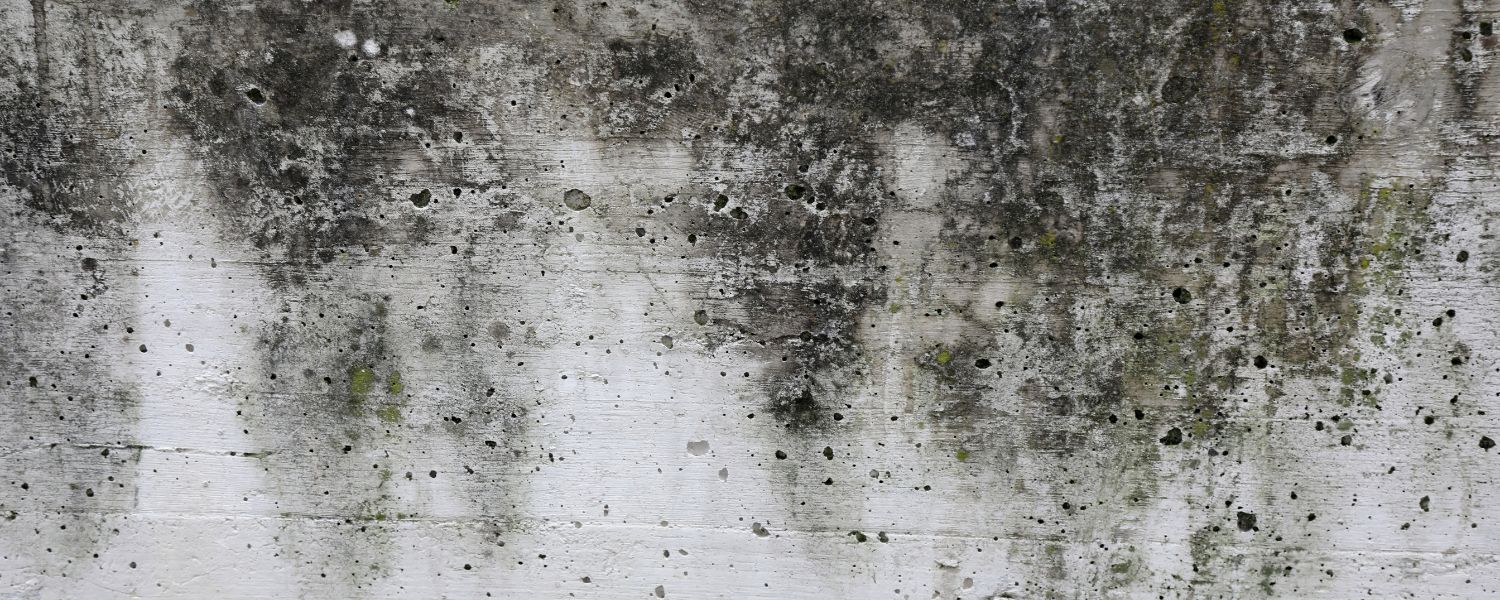
In healthcare, the stakes move from financial loss to human life. Hospitals and clinics are high-traffic areas where vulnerable populations the immunocompromised, the elderly, and surgical patients are concentrated.
Health and Safety Risks
Fungal pathogens can cause Sick Building Syndrome (SBS) and serious nosocomial (hospital-acquired) infections. If a healthcare facility ignores a mold investigation after a minor leak, they are essentially inviting respiratory distress and systemic infections into their patient wards.
The Financial and Legal Fallout
The cost of remediation is always higher than the cost of prevention. If mold is discovered by an external auditor rather than your internal team, the penalties include:
- Immediate Shutdowns: Halting surgeries or production lines.
- Legal Liabilities: Lawsuits from employees or patients exposed to toxins.
- Loss of Accreditation: Losing ISO or Joint Commission certification can effectively end a facility’s ability to operate.
Mold Testing vs. Mold Inspection – What’s the Difference?
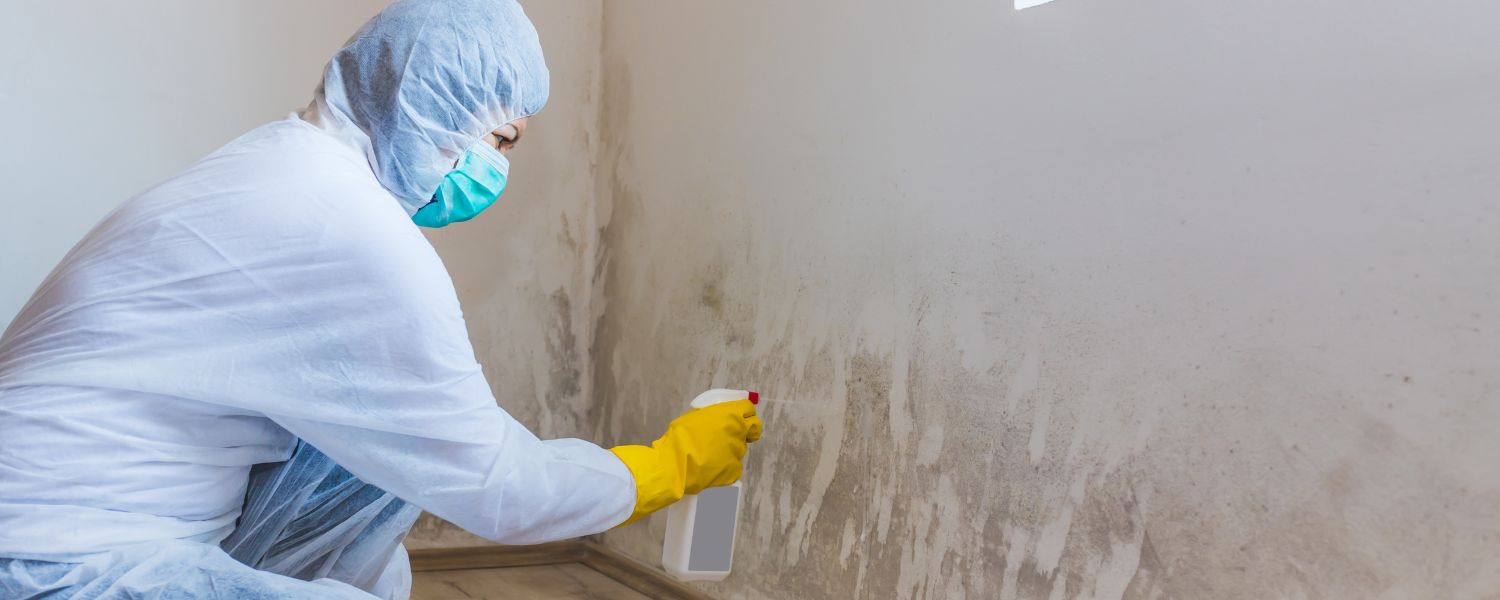
While the terms are often used interchangeably, they serve two different masters in a compliance strategy.
Mold Inspection (The What and Where)
An inspection is a detective mission. A specialist looks for water stains, checks humidity levels with moisture meters, and uses infrared cameras to find hidden dampness behind walls. It identifies the source of a problem.
Mold Testing (The How Much and What Kind)
A mold inspection and testing protocol combines the visual search with scientific validation. Testing involves:
- Species Identification: Knowing if you are dealing with common nuisance mold or toxic black mold (Stachybotrys).
- Quantification: Determining the spore count per cubic meter of air.
- Documentation: Providing a defensible paper trail for auditors.
For ISO and GMP environments, testing is the only way to prove to a regulator that your air quality meets the required Grade A or ISO Class 5 standards.
How Professional Mold Testing Actually Works (Step-by-Step)
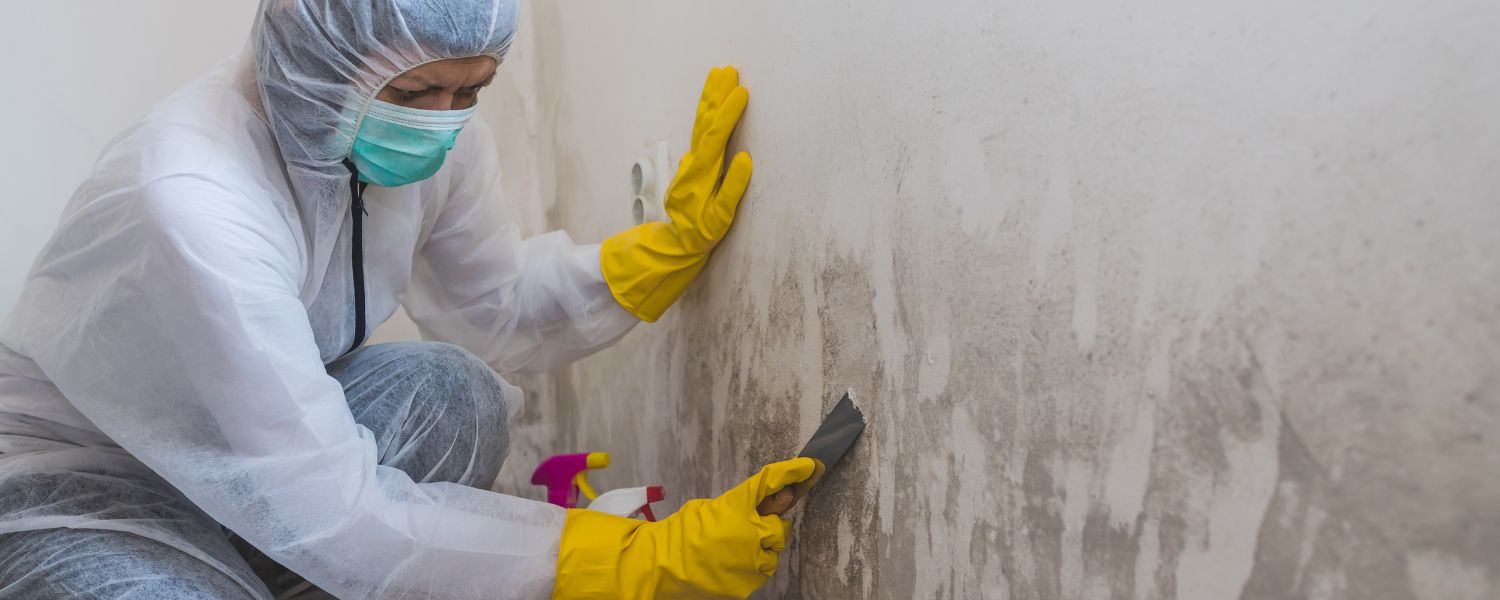
When you hire mold testing services, the process follows a strict scientific methodology to ensure the results are admissible for compliance audits.
Step 1: Air Sampling (Non-Viable and Viable)
Technicians use specialized pumps to pull a specific volume of air through a collection media.
- Non-viable samples identify the total number of spores.
- Viable samples involve growing out the spores in a petri dish to see if they are active and capable of reproduction.
Step 2: Surface Sampling
Swab or tape-lift samples are taken from high-risk areas HVAC vents, gaskets, work surfaces, and corners. This identifies if mold has moved from the air to colonize the physical structure of the facility.
Step 3: Laboratory Analysis
The samples are sent to an accredited microbiology lab. Here, mycologists use high-powered microscopy to identify the specific genera of mold present.
Step 4: Actionable Reporting
The final step is a comprehensive report. This isn’t just a yes/no document. It includes data comparisons between indoor and outdoor air, species breakdowns, and recommendations for remediation or atmospheric adjustments to prevent future growth.
What Makes a Mold Testing Company Reliable?

In a regulated industry, you cannot hire a generalist to do a specialist’s job. To maintain Authority and Trust , your mold test company must understand the specific rigors of healthcare and industrial compliance.
Certifications to Look For:
- CETA (Controlled Environment Testing Association): Essential for those working in cleanrooms and pharmacies.
- NSF International: A mark of excellence in public health and safety standards.
- NCEES: Professional engineering licensure that ensures the technical integrity of the investigation.
Beyond certificates, experience in high-care environments is vital. A reliable company knows how to enter a cleanroom without compromising its integrity and understands how to speak the language of an ISO auditor.
When Should You Conduct Mold Testing? (The Triggers)
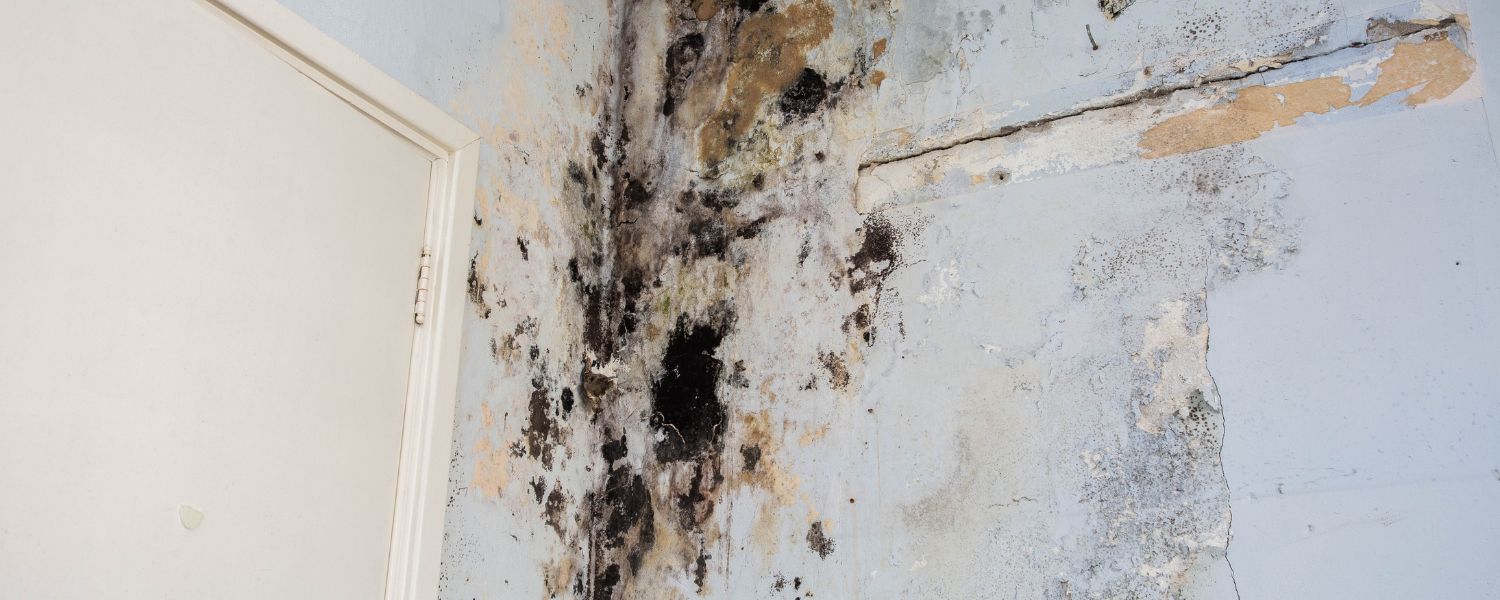
Proactive facilities don’t wait for a crisis. You should trigger a professional mold investigation in the following scenarios:
- Pre-Audit Preparation: Ensure there are no surprises before an official GMP or ISO inspection.
- Following Water Events: Even a small pipe leak or roof drip can spark mold growth within 24 to 48 hours.
- HVAC Maintenance or Failure: If the heart of your building’s air filtration skips a beat, the lungs (the rooms) are at risk.
- Unexplained Health Complaints: If staff report headaches, respiratory issues, or heavy air, testing is the first line of defense.
- Routine Environmental Monitoring: As part of a quarterly or bi-annual compliance schedule to maintain a state of control.
Ensure Your Facility is Mold-Free with Professional Mold Investigation Assessments
Mold can silently undermine your facility’s safety and compliance. Health System Sciences LLC offers thorough mold investigation assessments to identify and address hidden mold hazards before they disrupt your operations.
Whether preparing for audits, post-water events, or routine monitoring, our certified experts provide actionable results that ensure your environment meets GMP, ISO, and healthcare standards.
Frequently Asked Questions (FAQ)
1. Can mold toxicity cause high CRP?
Yes. Exposure to mold toxins (mycotoxins) can trigger a significant inflammatory response in the human body. This often manifests as elevated C-reactive protein (CRP) levels in blood tests, which is a key marker for systemic inflammation. In workplace environments, this can lead to decreased productivity and increased medical leave.
2. Can Hashimoto’s cause mold exposure?
No, Hashimoto’s (an autoimmune thyroid condition) does not cause mold exposure. However, there is a strong clinical link regarding sensitivity. Individuals with Hashimoto’s or other autoimmune disorders often have a heightened sensitivity to environmental toxins. Mold exposure can exacerbate their symptoms, making rigorous workplace mold testing even more important for employee health.
3. What tests are done to check for mold?
Professional environmental assessments typically include:
- Air Sampling: To measure airborne spore density.
- Surface Swabs/Tape Lifts: To identify localized colonies.
- Bulk Testing: Analyzing physical pieces of building material.
- ERMI (Environmental Relative Moldiness Index): A DNA-based analysis of dust to look for long-term mold history.
4. Where should I get my workplace mold investigated?
For high-compliance environments, you must consult authorized environmental compliance experts. Health System Sciences LLC is a premier choice for these investigations. They are certified and accredited by organizations like CETA, NSF, and NCEES, ensuring that your testing is not just a check-box exercise, but a robust shield for your facility’s compliance and safety.
Conclusion – Compliance Isn’t Just About Passing… It’s About Prevention
At the end of the day, mold testing shouldn’t be viewed as a hurdle to clear for an auditor. It is a fundamental component of business continuity and safety. Whether you are manufacturing life-saving drugs or performing complex surgeries, the purity of your environment dictates the quality of your outcome.
Ignoring the microscopic world of fungi can lead to failed audits, massive financial losses, and compromised health. By shifting from a reactive mindset to a proactive, science-based approach, you ensure that your facility remains a leader in its field.
Ensure your facility meets GMP, ISO, and healthcare compliance standards with accurate and professional mold testing. Partner with certified experts like Health System Sciences LLC to maintain a safe, compliant, and audit-ready environment.




Leave A Comment