
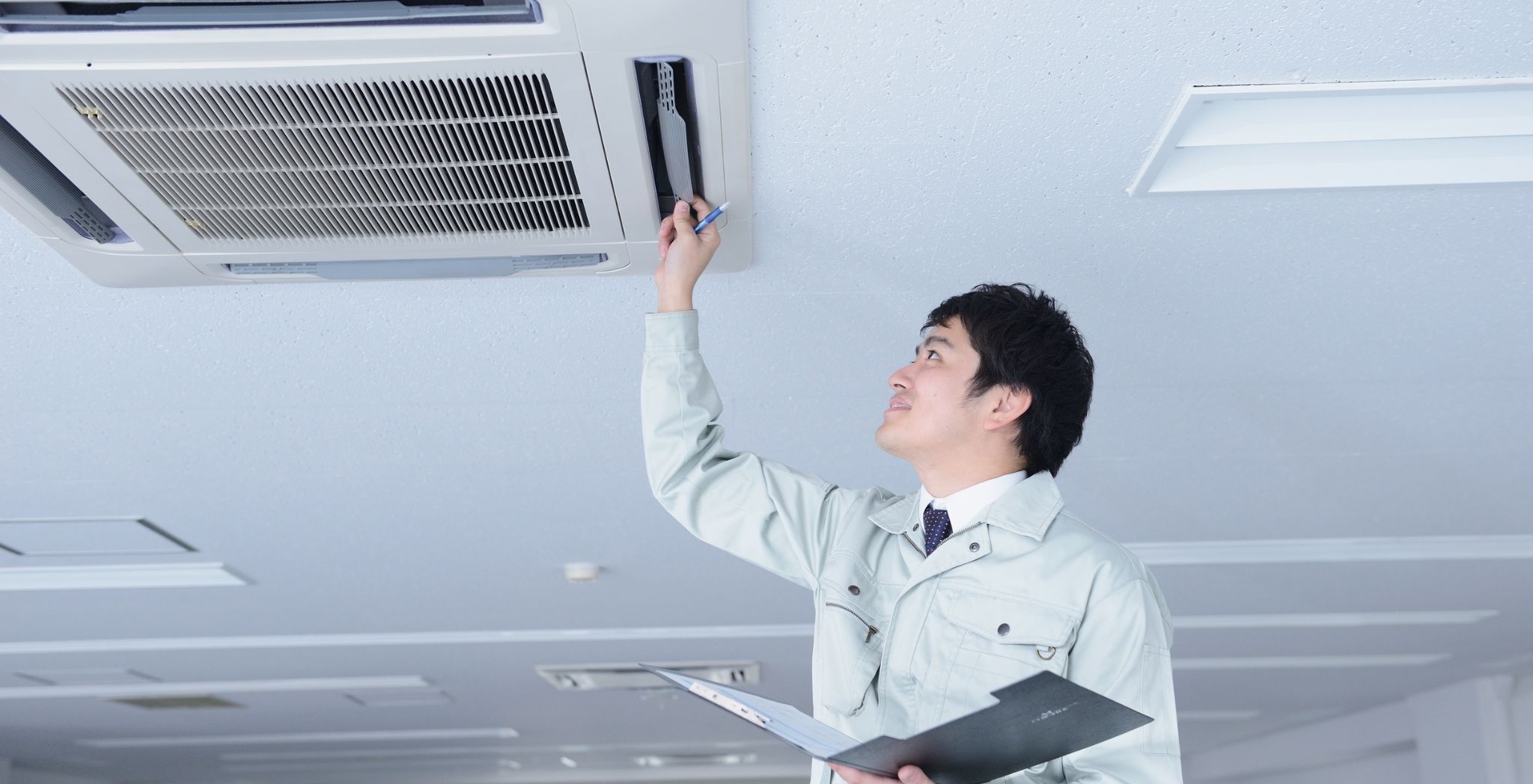
Hepa Air Filter Testing, Most workplace hazards are invisible and airborne. While safety managers often focus on visible risks like wet floors or heavy machinery, the most persistent threats to employee health and operational integrity are microscopic.
In high-stakes environments like laboratories, hospitals, and pharmaceutical manufacturing plants, the air itself can become a carrier for contaminants that compromise product batches and human health alike.
This is where the HEPA filter steps in. It is not just a “fine mesh” or a standard furnace filter; it is a critical piece of infrastructure designed to create a sterile or near-sterile environment.
But what does a HEPA filter do, exactly? Beyond just “cleaning the air,” it serves as a primary line of defense for regulatory compliance, liability protection, and operational continuity.
In this blog, we will break down the mechanics of HEPA filtration, why it’s a non-negotiable asset for modern businesses, and how to ensure your system is actually doing its job.
What Does a HEPA Filter Actually Do? (Beyond the Basics)
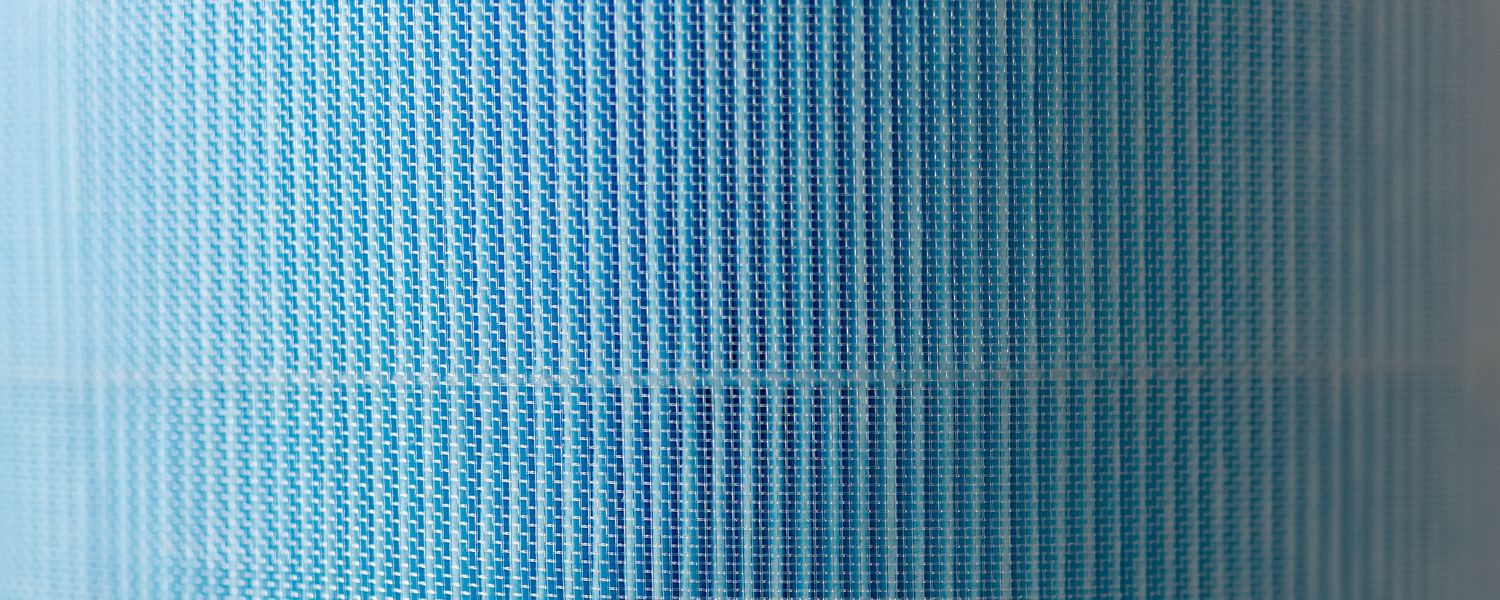
To understand what is a hepa filter, we have to look at the name. HEPA stands for High-Efficiency Particulate Air. By definition, a true HEPA filter must remove at least 99.97% of dust, pollen, mold, bacteria, and any airborne particles with a size of 0.3 microns (μm).
Why 0.3 microns? In the world of physics, this is known as the “Most Penetrating Particle Size” (MPPS). Particles larger than this are easy to catch, and particles smaller than this move so erratically that they eventually get stuck. The 0.3-micron size is the hardest to trap, and that is where HEPA filters prove their worth.
The Three-Stage Filtration Mechanism
HEPA filters don’t work like a simple sieve where small things fall through the holes. They use three sophisticated physical methods to trap contaminants:
- Interception: As particles follow the airstream, they come within one particle radius of a filter fiber and stick to it.
- Impaction: Larger, heavier particles travel in a straight line while the air curves around the fibers. The particles’ inertia carries them straight into the fiber, where they are trapped.
- Diffusion: This affects the tiniest particles (0.1 microns and smaller). They collide with gas molecules and move in a zigzag pattern (Brownian motion), making them highly likely to eventually hit and stick to a fiber.
Why HEPA Filters Are Non-Negotiable in Workplace Air Quality
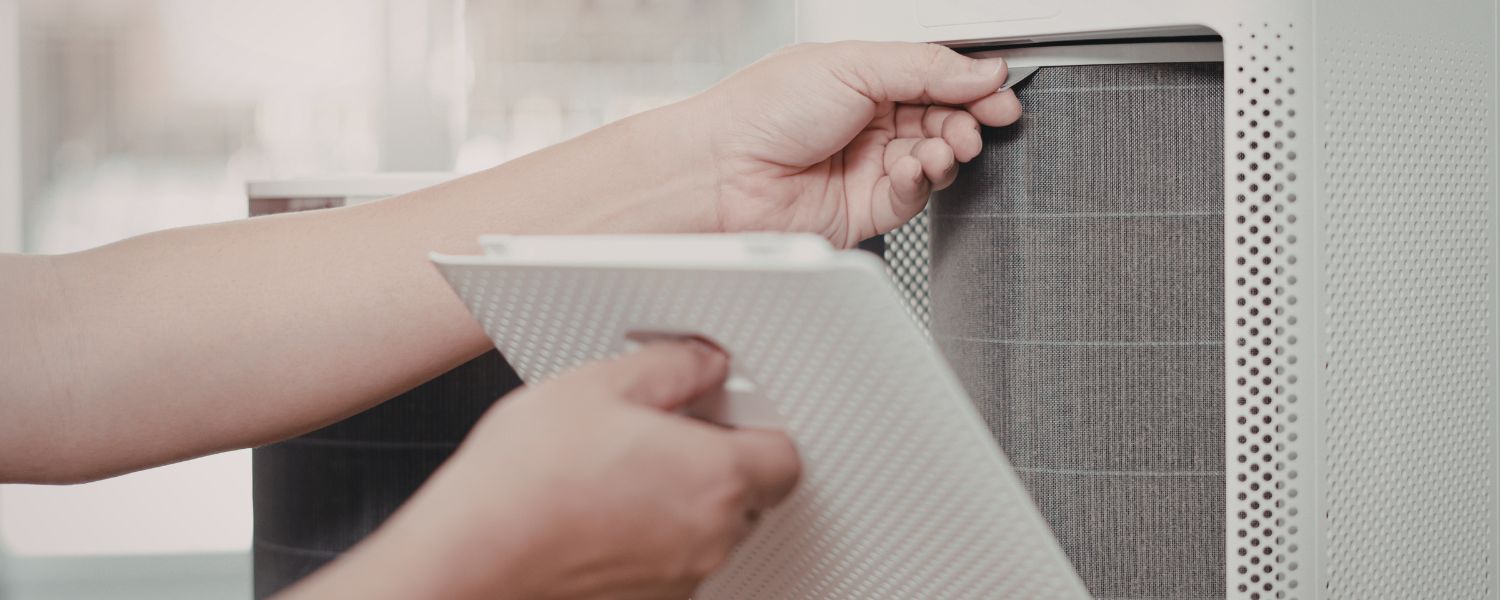
In a residential setting, a hepa air filter is a luxury for allergy sufferers. In a workplace, it is often a legal and operational necessity. Workplace safety and regulatory compliance (governed by bodies like OSHA or the FDA) dictate that certain environments must remain free of specific contaminants.
Essential Industry Applications:
- Healthcare & Hospitals: Preventing the spread of airborne pathogens in isolation rooms and surgical suites.
- Pharmaceuticals: Ensuring that drug formulations aren’t contaminated by skin cells, dust, or microbes.
- Microelectronics: Protecting sensitive silicon wafers from microscopic dust that could ruin a multi-million dollar production run.
- Laboratories: Maintaining the integrity of samples and protecting researchers from hazardous biological agents.
Without these filters, the risk of airborne contamination isn’t just a “possibility” it is a mathematical certainty.
The Hidden Threat: What Happens Without Proper Filtration?

When air quality is neglected, the consequences manifest in three ways: health, product, and legal.
- Respiratory Illnesses & The “Sick Building Syndrome” Poor filtration leads to a buildup of Volatile Organic Compounds (VOCs), mold spores, and fine particulate matter (PM2.5). This results in increased employee absenteeism, chronic respiratory issues, and decreased cognitive performance.
- Cross-Contamination & Product Failure In manufacturing, one rogue mold spore can ruin a batch of vaccines or a shipment of sterile medical devices. The cost of a “failed batch” often dwarfs the cost of a decade’s worth of HEPA maintenance.
- Compliance Risks Using standard hepa filter air purifiers is not enough if they aren’t integrated into a compliant system. Failed audits or OSHA violations can lead to heavy fines, work stop orders, and permanent damage to a company’s reputation.
HEPA Filters in Action: Where They Are Used
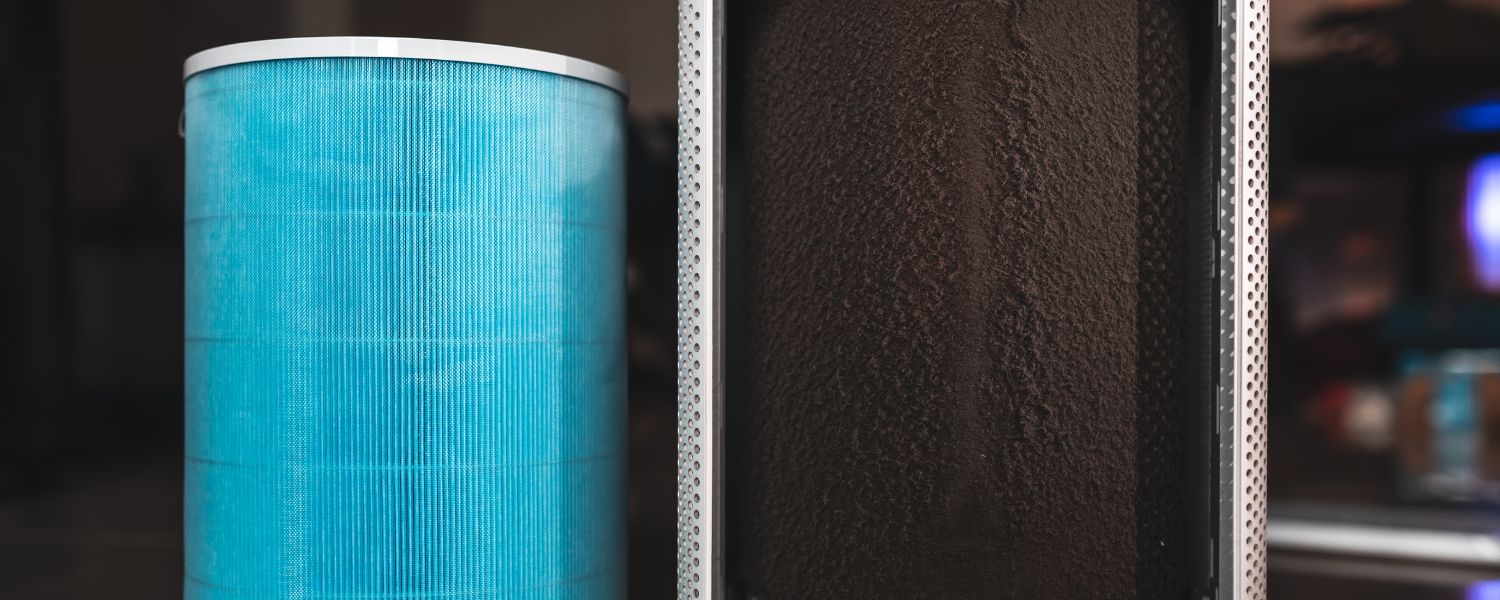
HEPA technology is versatile. You will find it integrated into various hardware depending on the needs of the facility:
- HVAC Systems: Large-scale building ventilation often uses HEPA banks to scrub air before it circulates through an office or lab.
- Cleanrooms: These environments use ceiling-mounted HEPA modules to create “laminar flow,” where air moves in straight, clean lines to push contaminants away from work surfaces.
- Air Purifiers: Portable units used in offices or dental clinics to provide localized filtration.
- Industrial Vacuums: A vacuum cleaner with hepa filter is required for lead paint abatement, asbestos removal, or silica dust cleanup to prevent the vacuum from blowing fine toxins back into the room.
HEPA Filter vs. Standard Filters – What’s the Real Difference?
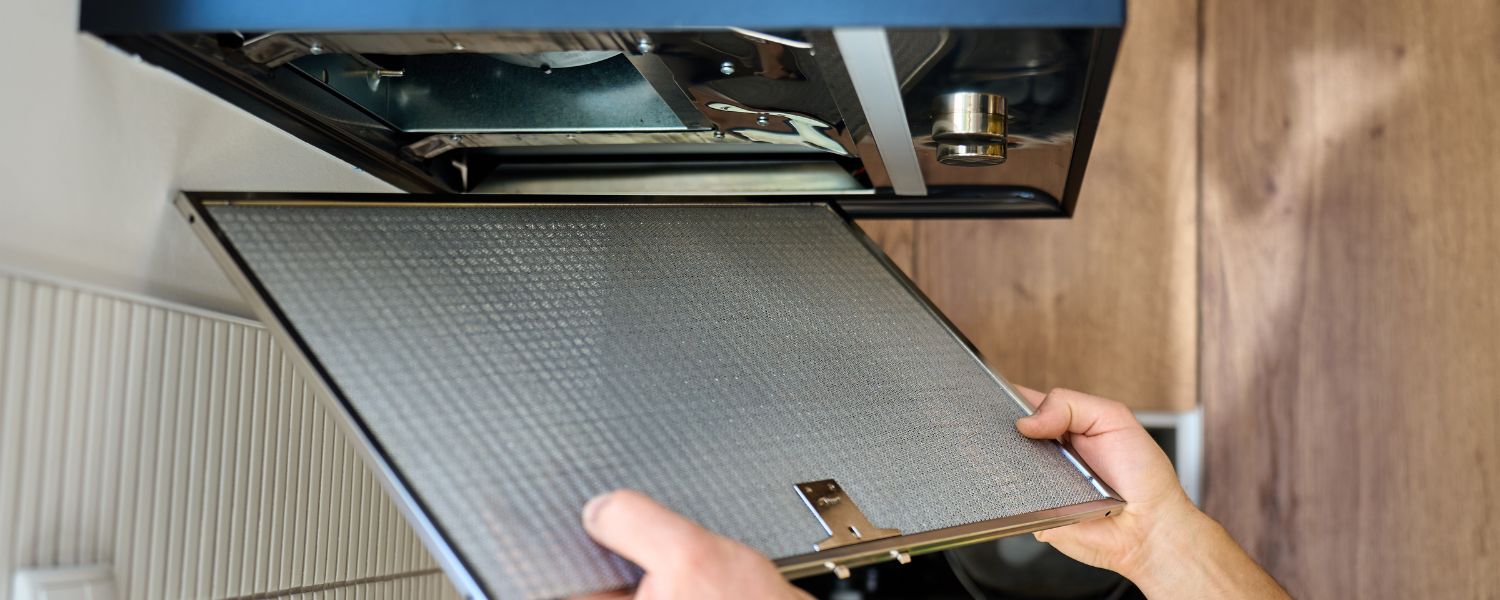
Many facility managers confuse HEPA filters with high-MERV (Minimum Efficiency Reporting Value) filters.
| Feature | Standard (MERV 8-13) | HEPA Filter |
| Efficiency (0.3 micron) | 20% to 75% | 99.97% |
| Primary Use | Residential HVAC / Dust | Medical / Industrial / Sterile |
| Airflow Resistance | Low | High (Requires stronger fans) |
| Particle Size | Large dust, lint | Bacteria, viruses, smoke |
An air purifier hepa filter is significantly denser. Because of this density, it requires more powerful motors to “push” air through the media. If you put a HEPA filter in a system designed for a standard filter, you risk burning out the motor or starving the building of air.
HEPA Filter Testing – Why Installation Isn’t Enough
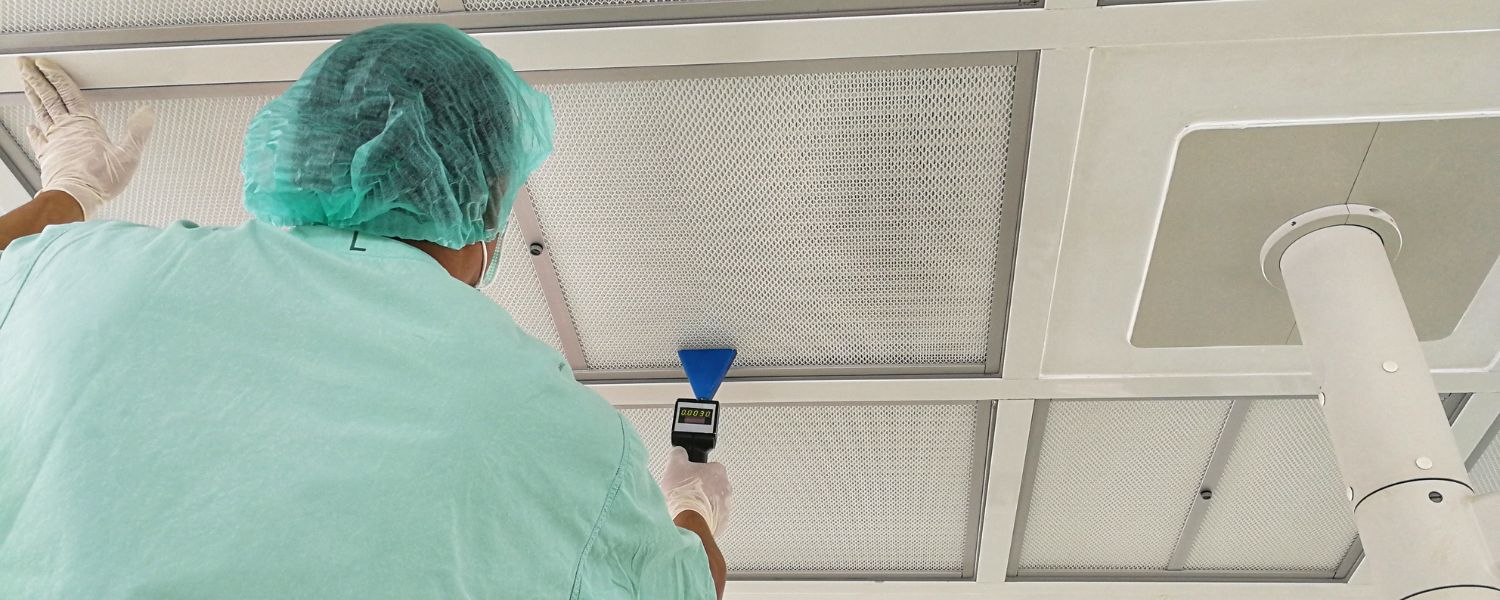
You cannot simply “install and forget” a HEPA filter. Because they are used in high-stakes environments, hepa filter testing is a mandatory part of facility management.
Over time, filters can develop “pinhole leaks” due to vibration, shipping damage, or improper seating in the frame. Even a tiny gap less than a millimeter can allow millions of unfiltered particles to bypass the system, rendering the 99.97% efficiency rating useless. Professional testing ensures that the air coming out of the vent is as clean as the filter promises.
How HEPA Filter Leak Testing Protects Your Environment
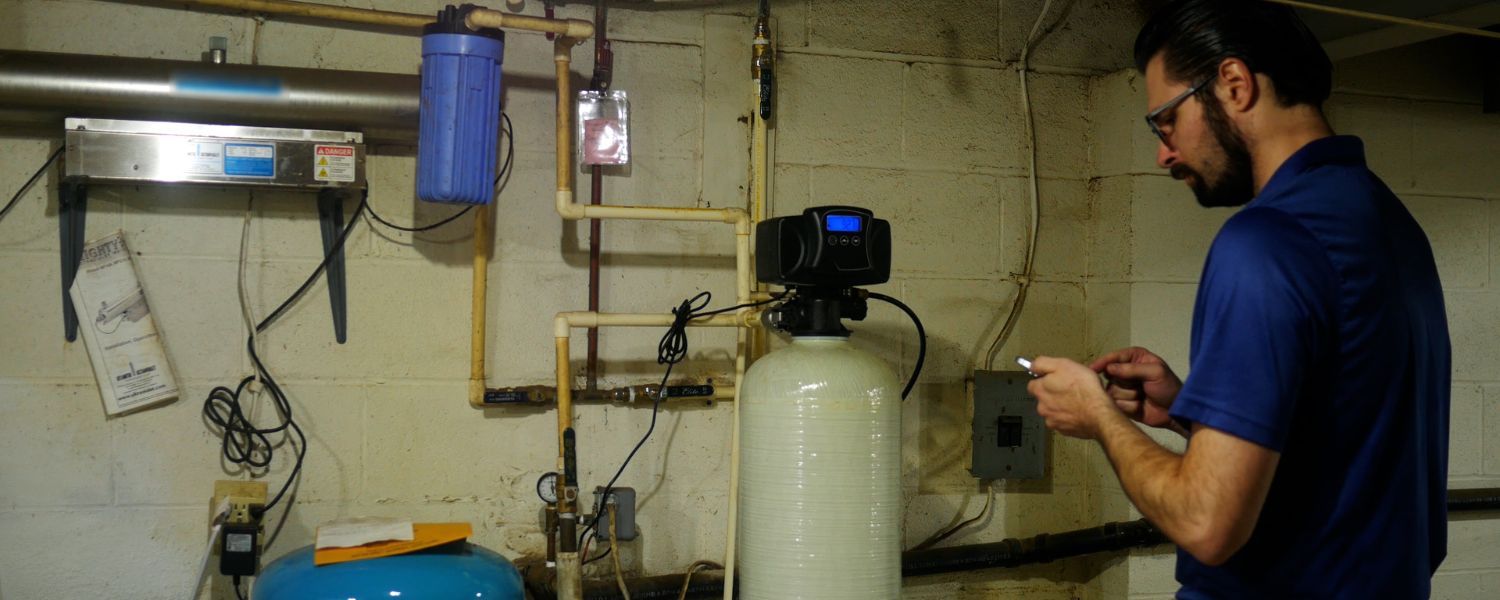
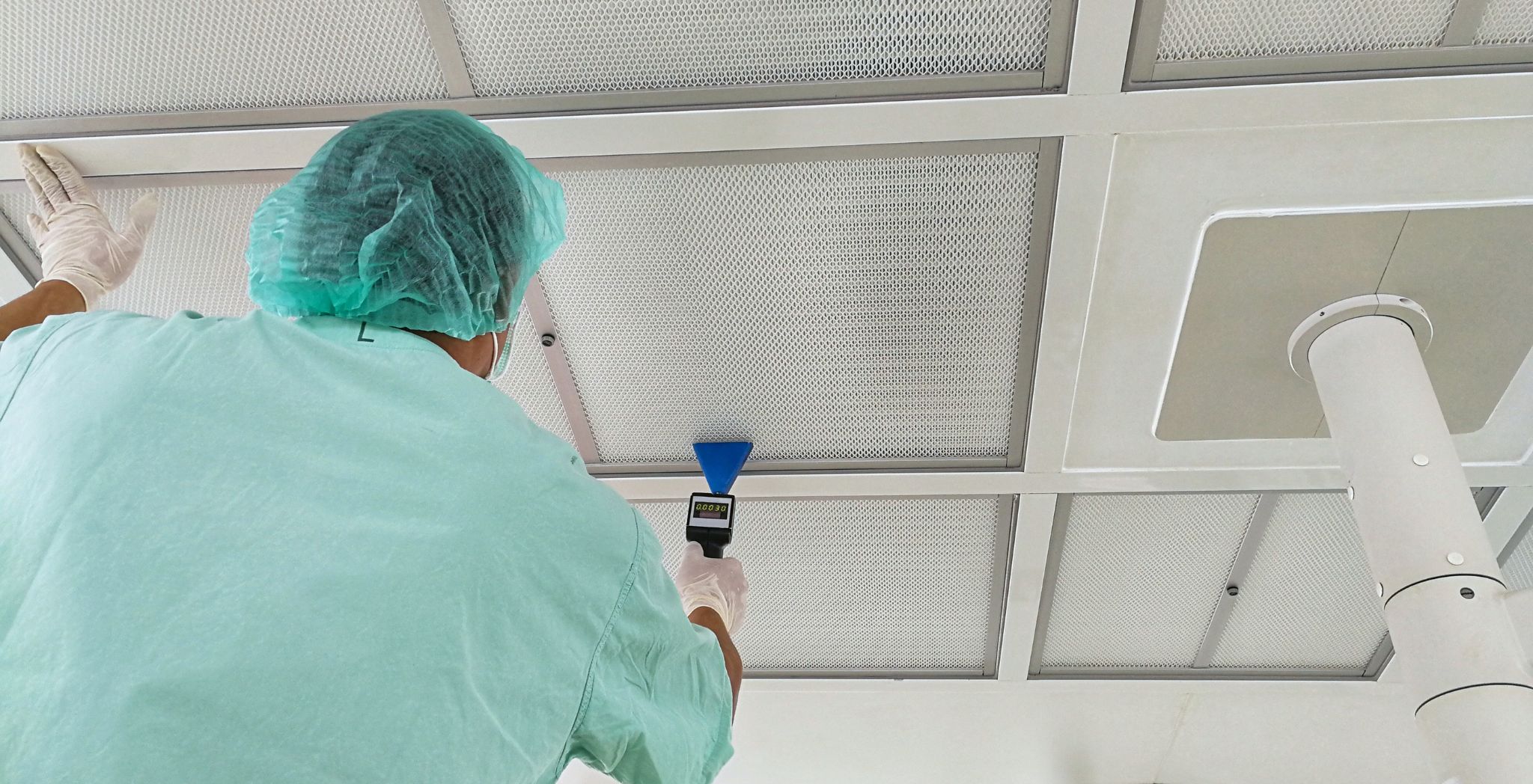
The most common failure in a clean air system isn’t the filter media itself, but the seal. Hepa filter leak testing (often using aerosolized PAO or smoke) identifies “bypass airflow.”
In a lab or cleanroom, we use a photometer to “scan” the face of the filter. If a leak is detected, it means unfiltered air is entering your sterile zone. Regularly scheduled testing is the only way to prove to auditors (and yourself) that your environment remains compliant with ISO or USP standards.
Replacement Matters: When HEPA Filters Stop Doing Their Job
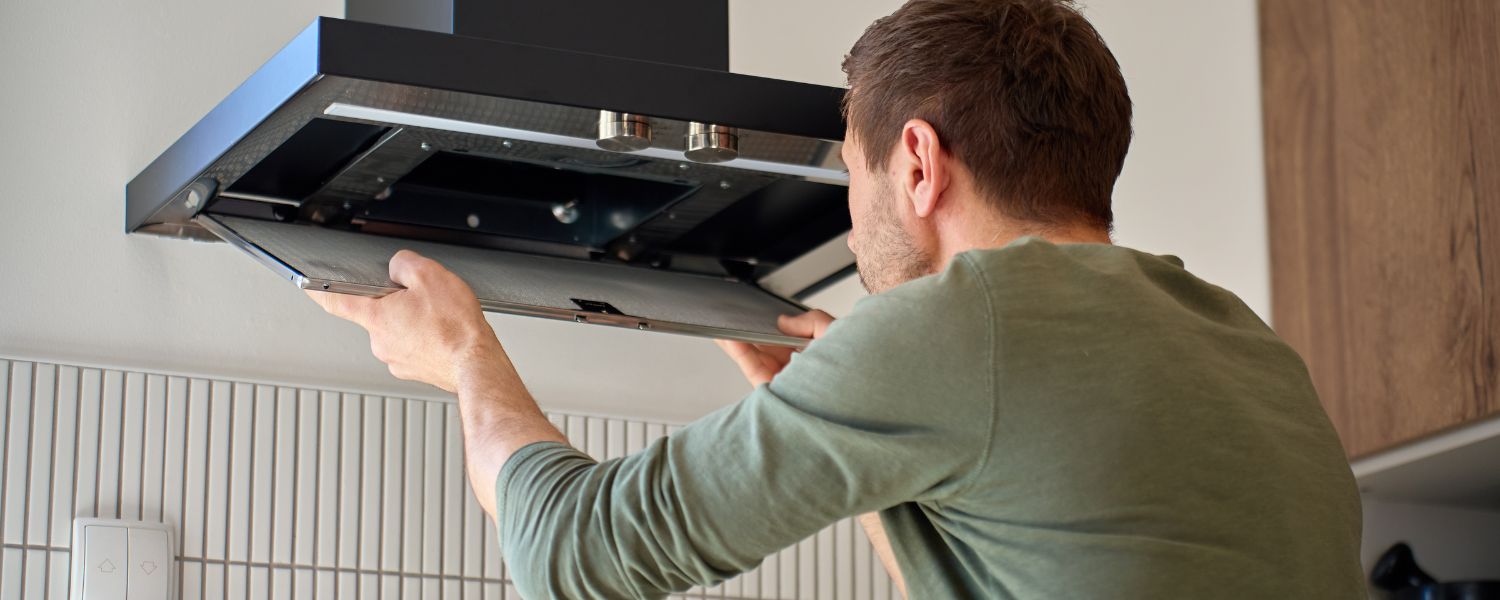
A HEPA filter is like a sponge; eventually, it gets full. When a hepa filter replacement is overdue, you will notice:
- Reduced Airflow: The filter is so clogged that the HVAC system can’t push air through it.
- Pressure Drop: The “static pressure” across the filter increases significantly.
- Odor/Contamination: Mold or bacteria can eventually colonize a neglected filter if moisture is present.
Typically, in a clean environment with proper “pre-filters” (which catch the big dust), a HEPA filter can last 3 to 5 years. However, in heavy industrial settings, this may be much shorter.
When Should You Take Action?
If you are a facility manager or business owner, certain “triggers” should prompt an immediate review of your air quality systems:
- Upcoming Audits: If you have an ISO or FDA inspection coming up.
- Health Complaints: If staff are reporting unusual headaches, allergies, or respiratory distress.
- Renovations: Construction dust is the enemy of HEPA filters. If there has been work nearby, your filters are likely blinded.
- System Inefficiency: If your energy bills are spiking because fans are working harder to push air through old filters.
Ensure Clean Air and Compliance with Professional HEPA Filter Testing
Don’t leave air quality to chance. Health System Sciences LLC offers expert HEPA filter testing and replacement services to keep your facility compliant and safe. Regular testing ensures your HEPA filters are effectively protecting your employees and meeting regulatory standards.
Whether you’re preparing for an audit, dealing with health complaints, or maintaining system efficiency, our certified services guarantee your filters are working at optimal performance.
FAQ (Frequently Asked Questions)
Q1. What are the two disadvantages of HEPA filters?
The main disadvantages include:
- Higher Cost: HEPA filters and the specialized housing they require are more expensive than standard filters.
- Maintenance Requirements: To stay compliant, they require regular professional testing and higher energy consumption due to airflow resistance.
Q2. Do air purifiers dry indoor air?
No, air purifiers do not remove moisture from the air. They only filter airborne particles, so they do not cause dryness. To manage humidity, you would need a humidifier or dehumidifier.
Q3. Do you leave the air purifier on all day?
Yes. In professional and high-risk workplaces, it is recommended to run the system continuously. Once the system is turned off, contaminants begin to settle and accumulate immediately.
Q4. Would an air purifier help my COPD?
Yes, air purifiers with HEPA filters can help reduce airborne irritants like dust, smoke, and allergens. For those with COPD, removing these triggers can significantly reduce flare-ups and improve daily breathing.
Q5. From where can I get HEPA filter services?
You should always choose trusted and authorized environmental compliance experts for HEPA filter services. Health System Sciences LLC is a premier provider, certified and accredited by organizations like CETA, NSF, and NCEES. They ensure that your testing is not just a “check-the-box” activity, but a rigorous validation of your facility’s safety and compliance.
Conclusion – Clean Air Isn’t a Luxury… It’s a Compliance Requirement
In the modern workplace, “good enough” air quality is a liability. Understanding what a HEPA filter does is the first step toward moving from a reactive safety posture to a proactive one. These filters are the silent workhorses that allow our hospitals to remain sterile, our medications to remain pure, and our employees to remain healthy.
However, the hardware is only as good as the maintenance behind it. Without regular leak testing, pressure monitoring, and certified replacement, a HEPA filter is just a piece of paper in a metal box.
To ensure your workplace meets air quality standards and compliance requirements, it’s essential to rely on certified professionals. Partner with experts like Health System Sciences LLC for accurate HEPA filter testing, maintenance, and environmental compliance solutions.


Leave A Comment