
What is HVAC Balancing? Have you ever noticed that one room in your home feels like an ice box while another feels like a sauna? Or perhaps you’ve cranked up the thermostat, only to find that the living room is boiling but the master bedroom remains stubbornly chilly. Most people assume their air conditioner or furnace is failing when this happens, but the culprit is often much simpler: your system is “out of balance.”
HVAC balancing is the technical process of fine-tuning your heating, ventilation, and air conditioning system to ensure that air is distributed evenly throughout your entire property. It is the difference between a system that simply “runs” and a system that performs with precision. By adjusting airflow, pressure, and temperature, balancing ensures that every square foot of your home or office receives the exact amount of conditioned air it needs.
In this guide, we will dive deep into the mechanics of HVAC balancing. We’ll explore how the process works, why it is vital for your energy bills, and how to know when it’s time to call in the professionals to optimize your indoor comfort.
What is HVAC Balancing?
To understand what is HVAC balancing, think of your ductwork as a series of highways. If every car (or cubic foot of air) tries to take the same exit at once, you get a traffic jam in one area and empty roads in another. HVAC balancing is the “traffic cop” that directs the right amount of air to the right places.
Technically speaking, it is the process of adjusting your HVAC system to ensure proper airflow and equal distribution of heating or cooling across the entire space. It moves beyond just turning the unit on; it looks at the physics of how air moves through your specific floor plan.
The Three Pillars of Balancing
- Airflow Adjustment: This involves measuring the “Cubic Feet per Minute” (CFM) of air coming out of each vent. If a room is too far from the main blower, it might receive less air. Balancing redirects air from “high-flow” areas to “low-flow” areas.
- Temperature Control: The goal of balancing is “thermal equilibrium.” You want the temperature at the thermostat to accurately reflect the temperature in the furthest corner of the building.
- System Pressure: Your HVAC system relies on “static pressure.” If the pressure is too high, it strains the motor; if it’s too low, the air won’t reach its destination. Balancing ensures the ductwork maintains the perfect pressure for peak efficiency.
By addressing these three factors, you aren’t just making the house more comfortable—you are reducing the workload on your equipment. A balanced system doesn’t have to run as long or as hard to reach the desired temperature, which directly translates to lower monthly energy bills and a longer lifespan for your expensive HVAC hardware.
How is HVAC Balancing Done?

You might wonder, how is HVAC balancing done? It is a meticulous, data-driven process that requires a mix of mechanical adjustments and specialized diagnostic tools. It isn’t as simple as opening or closing the registers on your floor; in fact, closing floor registers can often cause more harm than good by increasing back-pressure on the system.
Step 1: The Initial Inspection
A technician begins by inspecting the entire ductwork layout. They look for “low-hanging fruit” like disconnected ducts, sharp bends that restrict airflow, or leaks that allow conditioned air to escape into the attic or crawlspace.
Step 2: Taking Measurements
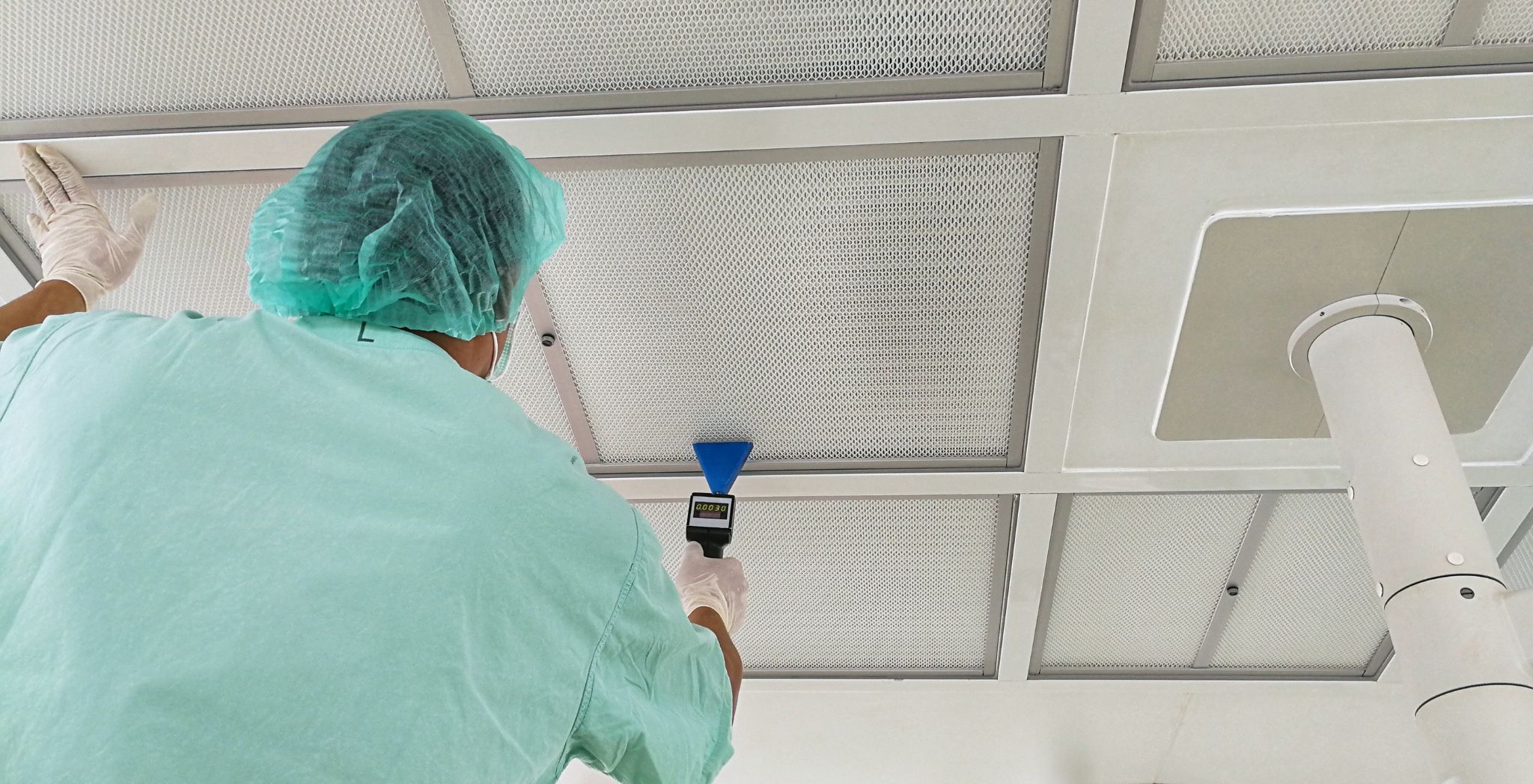
Using a balometer (an airflow capture hood) or an anemometer, the pro measures the exact volume of air exiting every single supply and return vent. They also use manometers to check the static pressure inside the ducts and digital thermometers to track temperature drops across the coils.
Step 3: Adjusting the Dampers
Most modern HVAC systems have “volume dampers” located inside the ductwork, usually near the main trunk. These are metal plates that can be turned to restrict or open the path for air. The technician will slowly adjust these dampers to “choke” the air going to rooms that are too cold/hot and force it toward the rooms that are struggling.
Step 4: Fine-Tuning and Testing
After the dampers are set, the technician re-measures every vent. This is an iterative process. Changing a damper in the basement might affect the airflow on the second floor, so the pro must balance the entire “ecosystem” until the numbers match the design specifications of the home.
How Long Does HVAC Balancing Take?

Efficiency is key, but precision takes time. So, how long does HVAC balancing take? On average, for a standard residential home, you should expect the process to take between 2 to 4 hours.
However, several factors can influence this timeline:
- The Size of the Property: A 1,200-square-foot ranch will be balanced much faster than a 4,000-square-foot multi-story home with two separate HVAC zones.
- System Complexity: Systems with complicated duct runs, multiple returns, or advanced “zoning” boards require more testing phases.
- Condition of the System: If the technician discovers a crushed duct or a significant leak during the inspection, these repairs must be addressed before the balancing can even begin.
- Commercial vs. Residential: For commercial buildings or large office spaces, balancing can take a full day or even multiple days depending on the tonnage of the units and the number of terminal boxes.
While it requires a small window of your afternoon, the results are immediate. Once the technician leaves, the “hot spots” in your home should vanish instantly.
The $5000 Rule for HVAC

When dealing with older systems, homeowners often face a dilemma: should I keep fixing this, or is it time to start over? This is where what is the $5000 rule for HVAC? comes into play.
The $5,000 rule is an industry guideline used to determine the cost-effectiveness of a repair versus a replacement. Here is the formula:
(Age of the Unit) x (Cost of Repair) = Total Result
If the result is greater than $5,000, it is usually wiser to replace the unit. If it is less than $5,000, a repair or a balancing service is likely a sound investment.
Applying the Rule to Balancing
HVAC balancing is an “optimization” service. If your system is 15 years old and has a cracked heat exchanger or a failing compressor, spending money on balancing is like putting premium silk tires on a car with a broken engine. In that case, the $5,000 rule suggests that your money is better spent on a new, high-efficiency unit that comes factory-balanced and under warranty.
However, if your system is relatively young (under 10 years) but simply performing poorly, balancing is the most cost-effective way to get “new system” performance without the “new system” price tag.
By Whom Should I Get the HVAC Balancing?

Because this process involves measuring invisible gasses and managing delicate pressure balances, you might ask, by whom should I get the HVAC balancing?
This is not a DIY project. While a homeowner can change a filter or vacuum a vent, they generally lack the calibrated tools—like manometers and flow hoods—needed to see what is actually happening inside the ducts. DIY “balancing” by closing registers often leads to frozen evaporator coils or a burnt-out blower motor because the air has nowhere to go.
Why Hire a Certified Professional?
- Accuracy: Professionals use NIST-certified tools to ensure measurements are correct to the decimal point.
- Safety: Technicians check for carbon monoxide leaks and electrical issues that might be exacerbated by changing airflow patterns.
- Holistic Solutions: A pro won’t just move air; they can identify if your real problem is poor insulation or a mismatched blower fan.
Companies like Health System Sciences LLC specialize in this type of environmental precision. They don’t just “check the air”; they ensure the entire “health” of your building’s atmosphere is optimized for both comfort and compliance.
Optimize Your HVAC System with Professional Balancing Services
Is your HVAC system delivering consistent comfort? Don’t let imbalanced airflow drive up your energy costs and compromise indoor comfort.
Health System Sciences LLC offers expert HVAC balancing services to ensure efficient airflow, temperature control, and system longevity. Act now to optimize your indoor environment and reduce energy waste.
Frequently Asked Questions (FAQ)
1. Are HEPA filters worth it in vacuums?
Yes, HEPA (High-Efficiency Particulate Air) filters are highly worth it. Standard vacuum filters often exhaust fine dust back into the air you breathe. A HEPA filter traps 99.97% of particles as small as 0.3 microns, making it essential for anyone with allergies or asthma.
2. What is the best vacuum with a HEPA filter?
The “best” depends on your flooring, but top-tier choices include:
- Dyson Ball Allergy: Excellent for deep carpet cleaning and suction.
- Shark Navigator Lift-Away: A versatile, budget-friendly option with a completely sealed system.
- Miele Complete C3: The gold standard for bagged vacuums and longevity.
3. What is the best vacuum for mites?
Dust mites are microscopic, so you need a vacuum with a certified HEPA filter and a “sealed system” (meaning air doesn’t leak out of the cracks of the vacuum). The Dyson Ball Allergy and Miele C3 are particularly effective at capturing mite allergens.
4. What vacuums are good for people with asthma?
Asthma sufferers should look for vacuums with the AAFA (Asthma and Allergy Foundation of America) certification. The Shark Navigator Lift-Away and Miele Complete C3 are highly recommended because they ensure the dust stays inside the machine and off your lungs.
5. Where should I get HVAC balancing services?
You should seek out experts who understand the intersection of mechanical engineering and indoor air quality. Health System Sciences LLC provides professional, data-backed HVAC balancing services for both residential and commercial properties, ensuring your environment is safe and efficient.
Conclusion
HVAC balancing is more than just a luxury—it is a necessity for anyone looking to maximize their home’s comfort and minimize their energy footprint. By ensuring that every room receives its fair share of conditioned air, you reduce wear and tear on your system and create a more livable space for your family.
Remember, if your system is struggling, don’t just turn the thermostat down; check the balance. Whether your system is brand new or you are weighing the $5,000 rule, professional intervention is the key to success.
Ensure your HVAC system is running efficiently and effectively. Contact Health System Sciences LLC today for expert HVAC balancing services.








Leave A Comment