
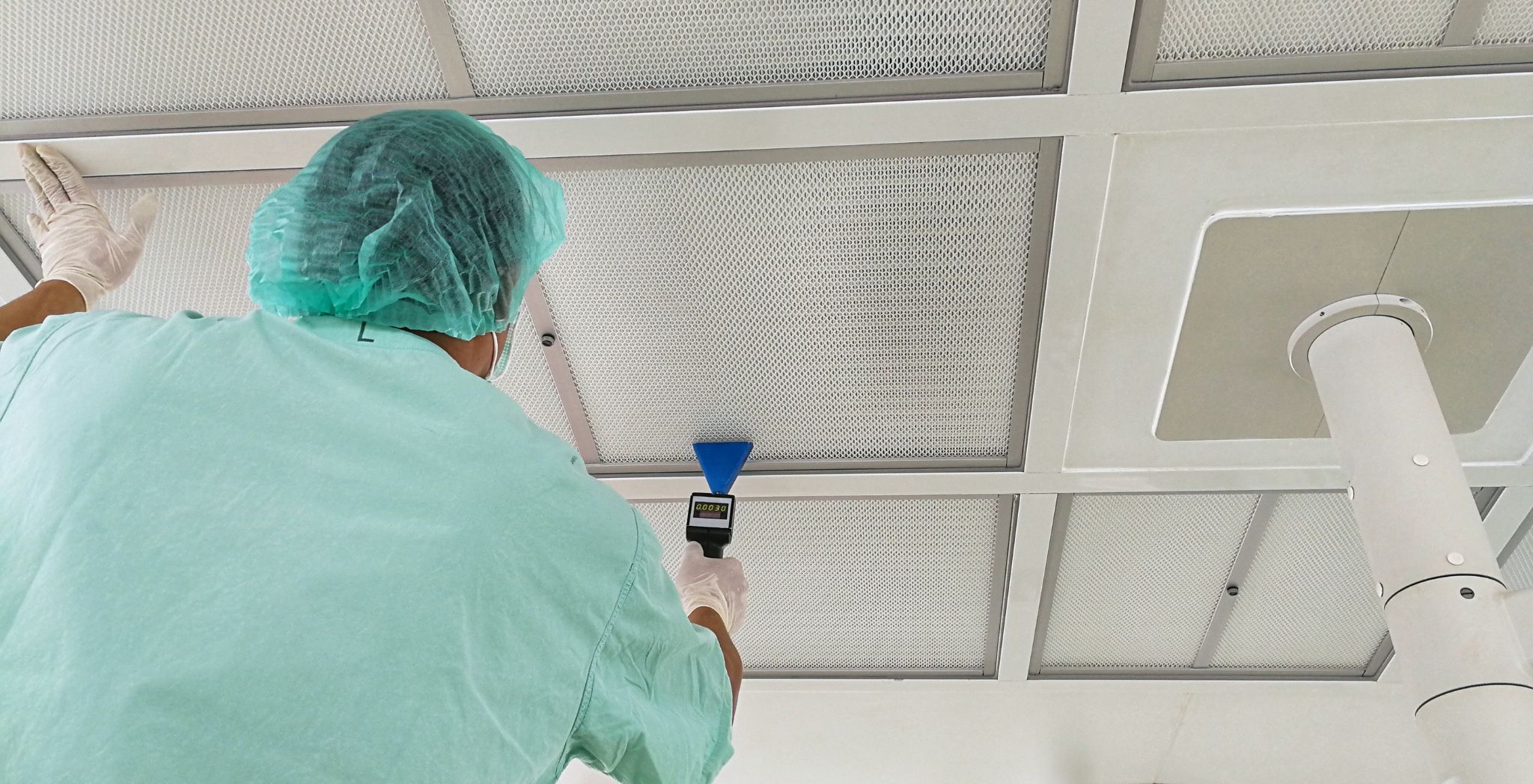
In the world of sterile compounding, pharmaceutical manufacturing, and high-stakes laboratory research, the margin for error is zero. Contamination isn’t just a technical setback; it is a direct threat to patient safety and product integrity. This is why cleanroom certification requirements exist. They serve as the gold standard for verifying that a controlled environment is actually doing its job: keeping pollutants, microbes, and particles at bay.
For pharmacies and healthcare facilities, the landscape of compliance is largely defined by the United States Pharmacopeia (USP). Specifically, USP 797 cleanroom requirements for sterile compounding and USP 800 cleanroom standards for hazardous drug handling have become the mandatory benchmarks for operational excellence. Achieving certification is not a “one-and-done” task; it is a rigorous, evidence-based process that proves your facility maintains the specific air quality, pressure, and microbial limits required by law.
Understanding these standards can be daunting, but it is essential for regulatory compliance and, more importantly, for protecting the lives of patients and healthcare workers. This guide will break down the essential requirements for certification, the differences between various USP standards, and how professional testing ensures your facility remains a safe, sterile environment. At Health System Sciences LLC, we specialize in navigating these complexities to keep your facility compliant and your staff informed.
What Are Cleanroom Certification Requirements?
At its core, cleanroom certification is a formal verification process. It involves a series of technical tests performed by qualified professionals to ensure a room meets the “ISO Class” specifications it was designed for. While many industries use cleanrooms, the requirements are most stringent in environments like pharmaceutical labs and hospital pharmacies, where the prevention of contamination is a matter of life and death.
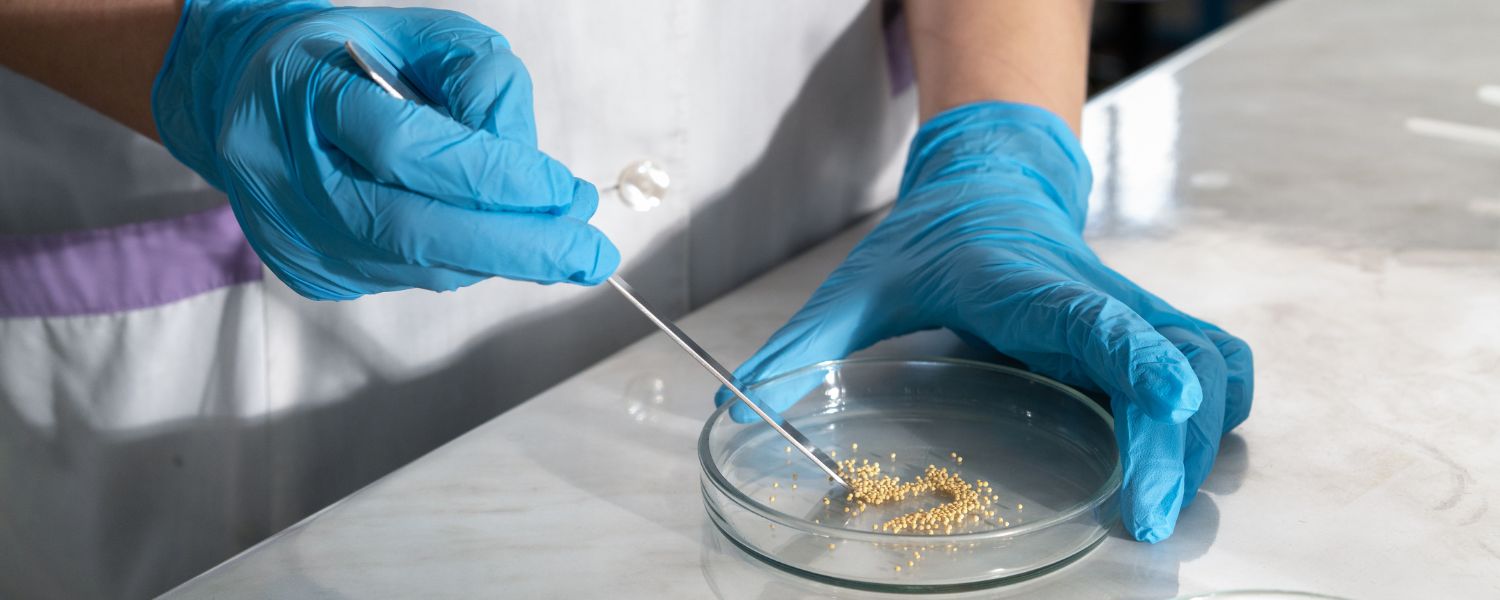
The primary goal of cleanroom certification requirements is to validate the Primary Engineering Controls (PECs) and Secondary Engineering Controls (SECs). This means testing everything from the HEPA filters that scrub the air to the physical structure of the room itself. In the United States, regulatory bodies like the FDA and state boards of pharmacy look to USP chapters to define these requirements.
- USP 797: Focuses on the preparation of sterile medications to prevent harm to patients from unintended contaminants or pathogens.
- USP 800: Focuses on protecting healthcare personnel and the environment from the risks associated with handling hazardous drugs (HDs).
Certification serves as documented proof that your facility is in compliance with these regulations. Without a valid certification report, a facility risks heavy fines, legal liability, and, most critically, the closure of their sterile compounding operations. By adhering to these requirements, organizations demonstrate a commitment to quality and safety that goes beyond simple “housekeeping.”
USP 797 Cleanroom Requirements
USP 797 is the “rulebook” for sterile compounding. Its primary focus is ensuring that the medications being prepared for patients are free from microorganisms and physical particles. To meet usp 797 cleanroom standards, a facility must manage a complex balance of environmental controls and human behavior.
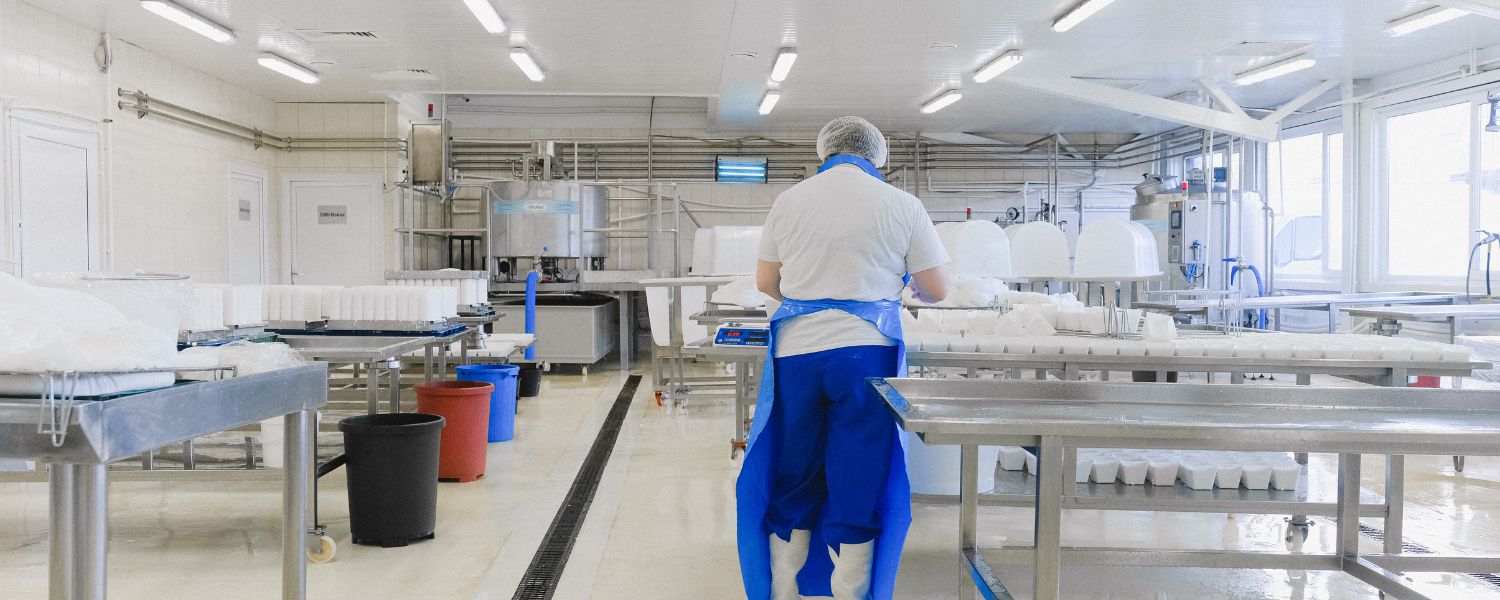
Environmental Controls
The backbone of a USP 797-compliant room is the Heating, Ventilation, and Air Conditioning (HVAC) system. The requirements specify:
- Airflow: High-efficiency particulate air (HEPA) filtration must provide a specific number of air changes per hour (ACPH). For an ISO Class 7 buffer room, this is typically at least 30 ACPH.
- Pressure Gradients: The air must flow from “cleaner” areas to “less clean” areas. This is achieved through positive pressure, which “pushes” air out of the sterile room to prevent contaminants from drifting in.
- Temperature and Humidity: These must be strictly monitored to prevent microbial growth and ensure the comfort of personnel (which reduces sweating and skin shedding).
Monitoring and Testing
Certification requires physical proof of performance. This includes “Total Particle Counts” (measuring the number of particles in the air) and “Viable Air and Surface Sampling” (testing for actual bacteria or fungi). Under USP 797, these tests must be conducted under “dynamic conditions,” meaning the tests are performed while people are actually working in the room to see how the environment handles real-world stress.
Personnel Practices
Even the best filter can’t stop a poorly trained human from introducing contamination. Compliance includes strict garbing (PPE), hand hygiene, and aseptic technique training. During the certification process, the airflow is often visualized using smoke studies to ensure that the movements of staff do not disrupt the sterile “first air” coming from the filters.
USP 800 Cleanroom Requirements
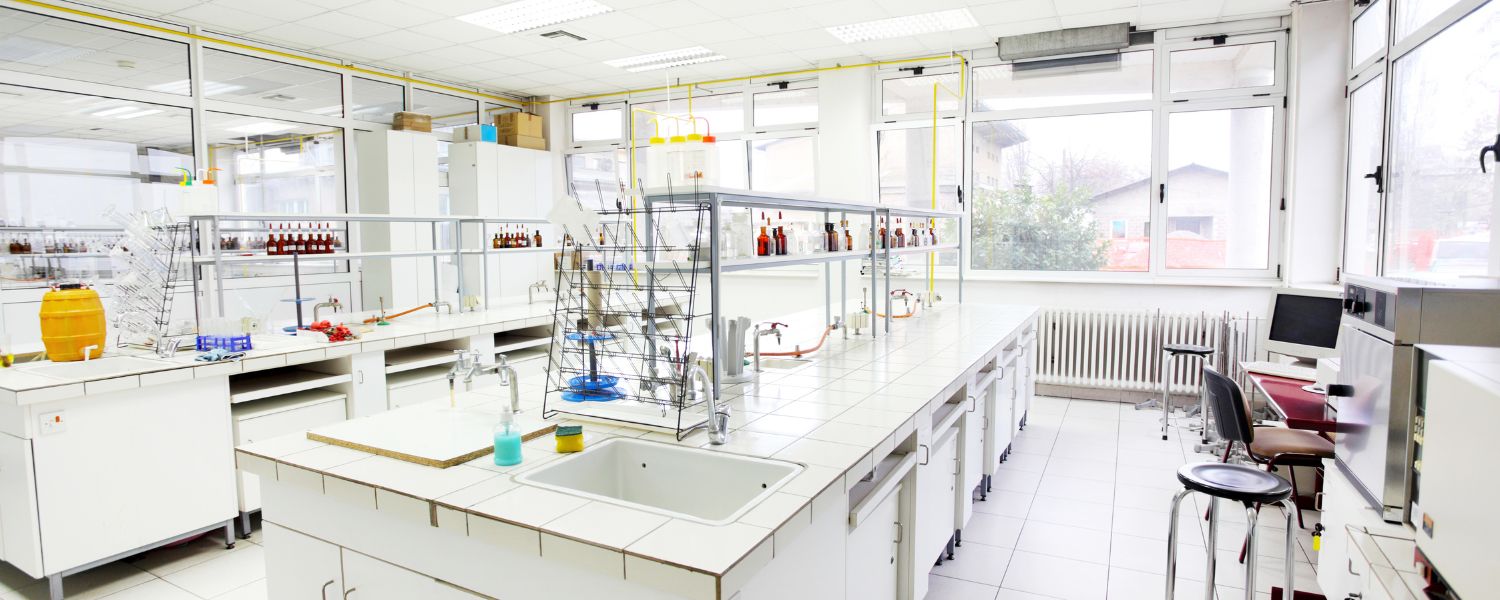
While USP 797 protects the patient, USP 800 is designed to protect the worker. It addresses the handling of hazardous drugs substances that could cause cancer, birth defects, or organ damage to the pharmacists and nurses handling them. Consequently, usp 800 cleanroom requirements are focused on containment.
Ventilation and Negative Pressure
Unlike the positive pressure used in sterile-only rooms, a USP 800 environment must maintain negative pressure. This creates a vacuum effect: if there is a leak or a spill, the air is pulled into the room and exhausted through a specialized filtration system rather than escaping into the rest of the hospital.
- External Venting: Air from hazardous drug rooms must be vented to the outside; it cannot be recirculated into the building.
- C-PECs: Hazardous drugs must be handled inside Containment Primary Engineering Controls, such as biological safety cabinets or compounding aseptic containment isolators.
Containment Strategies
The certification process for USP 800 checks that these containment systems are functioning perfectly. This includes checking pressure monitors and ensuring that the room is physically sealed from surrounding non-hazardous areas.
Workplace Controls and PPE
USP 800 cleanroom requirements also mandate specific decontamination, cleaning, and neutralization protocols. Because hazardous drug residue cannot simply be “cleaned” like normal dirt, specific chemicals must be used to deactivate the drugs. Certification experts like those at Health System Sciences LLC review these processes to ensure that the facility is not just “clean” in a microbial sense, but “safe” in a chemical sense.
How Often Are Cleanrooms Certified?
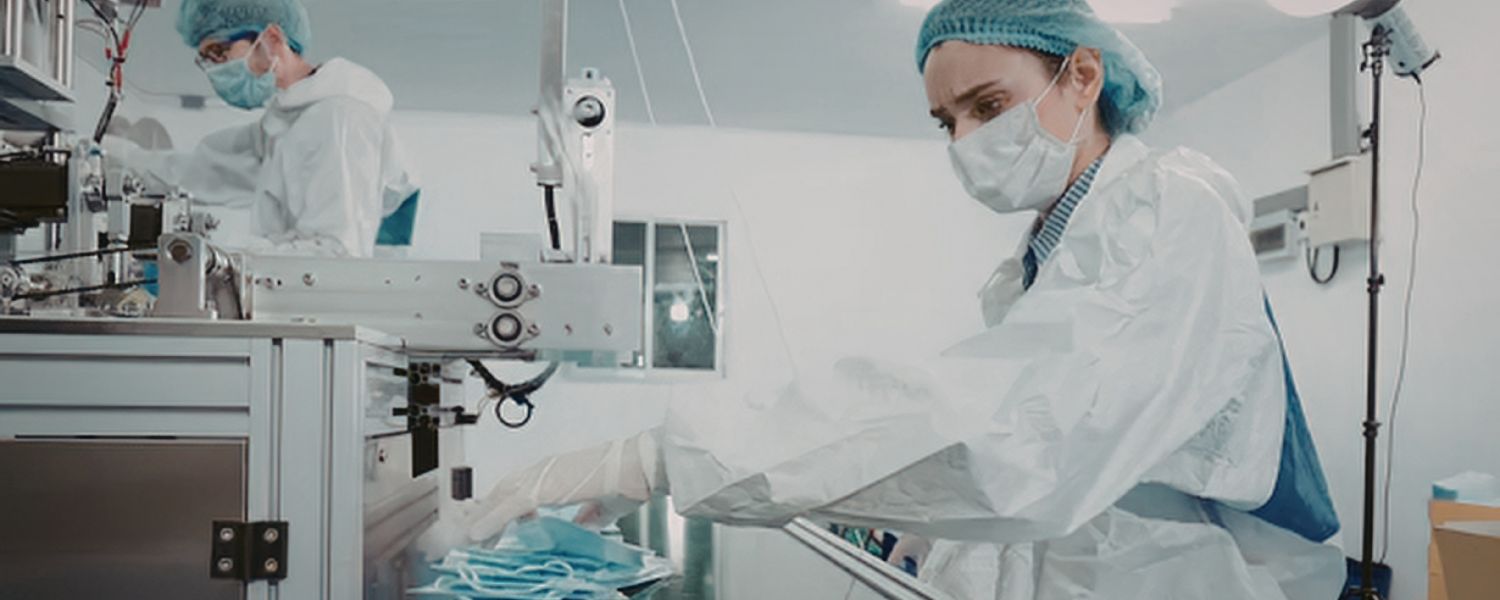
A common question for facility managers is: “Is certification a one-time event?” The answer is a definitive no. Because filters degrade, gaskets leak, and HVAC systems lose efficiency over time, cleanroom testing and certification must be performed on a recurring schedule.
Standard Intervals
According to USP standards, cleanrooms must be recertified at least every six months. This biannual schedule ensures that any drift in environmental quality is caught before it can impact safety.
Trigger Events
Beyond the standard six-month interval, certain events require immediate recertification:
- Major Repairs: If the HVAC system is repaired or a HEPA filter is replaced.
- Structural Changes: If the room is modified, or new heavy equipment is installed that could change airflow patterns.
- Operational Shifts: If the volume of compounding increases significantly, putting more stress on the environment.
- Failed Results: If routine internal monitoring shows a spike in microbial growth or particle counts, a full recertification is often required to identify the root cause.
Regular intervals are the only way to maintain the “state of control” required by the FDA and state pharmacy boards.
Key Requirements for Cleanroom Certification
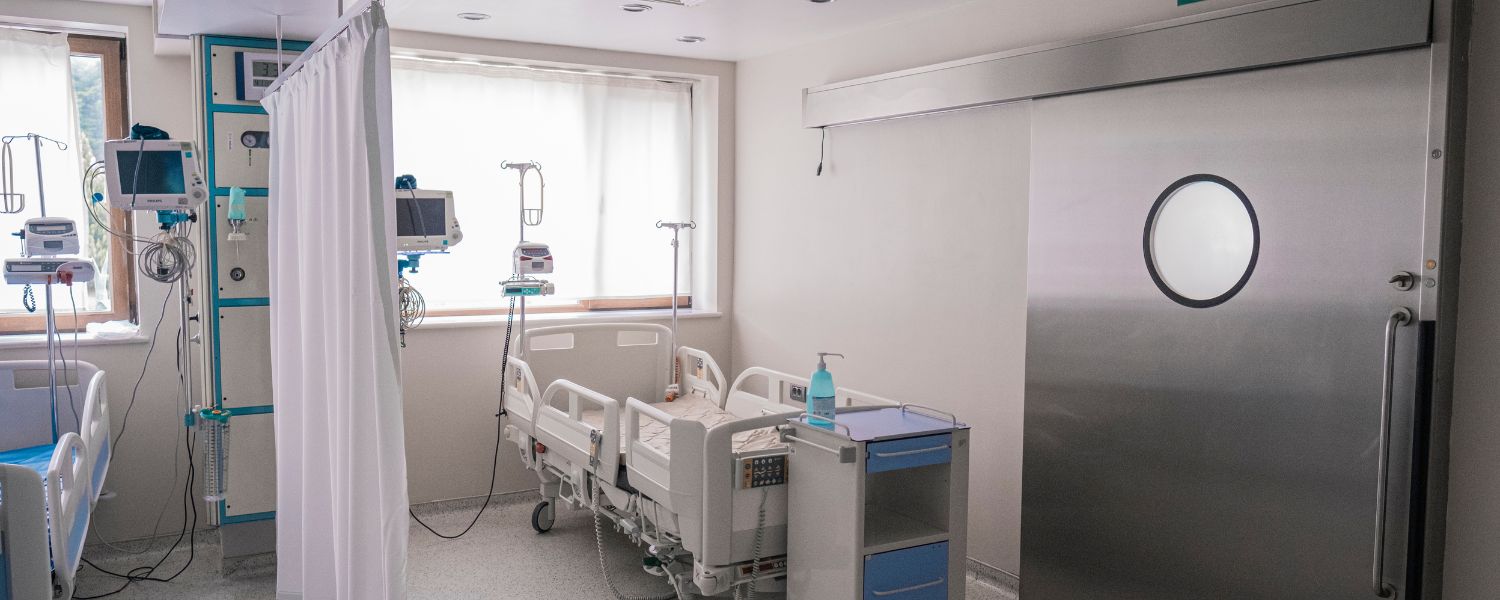
To successfully pass a certification audit, your facility must address several pillars of environmental health. Meeting usp 800 cleanroom standards and USP 797 guidelines requires a holistic approach:
1. Environmental Monitoring
This is the “data” portion of the exam. It includes:
- Non-Viable Particle Counting: Ensuring the air meets ISO 5, 7, or 8 standards.
- HEPA Filter Leak Testing: Ensuring there are no “holes” in your filtration ceiling.
- Pressure Differential Testing: Verifying the room is correctly pressurized (positive or negative).
2. Personnel Qualifications
Certification often involves reviewing the competency of the staff. This includes “media fill tests” (where staff perform compounding using a growth medium to see if anything grows) and “gloved fingertip sampling.” If the staff cannot maintain sterility, the room’s hardware matters very little.
3. Cleaning and Decontamination
You must provide documented evidence of your cleaning logs. The certification professional will look for the use of “sporicidal” agents and verify that the cleaning frequency matches the risk level of the compounding being performed.
4. Equipment Calibration
Every sensor in your room from the pressure gauges to the thermometers must be calibrated to a known standard (usually NIST). If your sensors are wrong, your data is useless.
Ensure Your Facility Meets Cleanroom Certification Standards
Don’t risk your patient’s safety or your business’s compliance. Achieve USP 797 and USP 800 certification with expert testing and monitoring.
Health System Sciences LLC provides the expertise, equipment, and comprehensive testing necessary to keep your facility compliant and your environment safe.
Frequently Asked Questions (FAQ)
Q. Do cleanrooms need to be certified?
Yes. Certification is a regulatory requirement for healthcare and pharmaceutical industries. It provides the legal and scientific proof that the environment is safe for its intended use. Without it, you cannot legally perform sterile compounding.
Q. Is ISO 7 equivalent to Grade C?
In general terms, yes. Under the international standards often used in Europe (EU GMP), Grade C is the equivalent of an ISO 7 cleanroom in “at-rest” conditions. Both designate a room where the particle count is strictly limited, though the specific measurement methods can vary slightly.
Q. How often are cleanrooms certified?
Typically, every six months. While some lower-risk industrial cleanrooms might only require annual checks, USP 797 and USP 800 mandate biannual certification to ensure patient and staff safety.
Q. What are the requirements for a cleanroom?
The core requirements include HEPA-filtered air, specific air change rates, controlled temperature and humidity, pressure gradients (positive or negative), and surfaces that are smooth, non-porous, and easy to disinfect.
Q. Where should I get cleanroom certification services?
You should only take the cleanroom certification services with accredited environmental compliance experts. Firms like Health System Sciences LLC provide the deep technical expertise, calibrated equipment, and comprehensive reporting necessary to satisfy inspectors and ensure facility safety.
Conclusion
Navigating the world of cleanroom certification requirements is more than a checklist—it is a comprehensive commitment to safety, precision, and compliance. Whether you are managing a USP 797 cleanroom for sterile IVs or a USP 800 cleanroom for oncology medications, the integrity of your environment is the foundation of your practice.
Failure to meet these standards doesn’t just result in failed inspections; it results in compromised medication and dangerous work environments. By partnering with experts who understand the nuances of airflow, filtration, and microbial control, you can focus on what you do best: caring for patients.
Health System Sciences LLC is dedicated to providing the highest level of cleanroom testing and certification. Our team ensures that your facility not only meets the current standards but stays ahead of evolving regulatory demands.
Contact Health System Sciences LLC today for expert cleanroom testing and certification services. Ensure your facility meets USP 797 and USP 800 standards with our reliable certification services.


Leave A Comment