
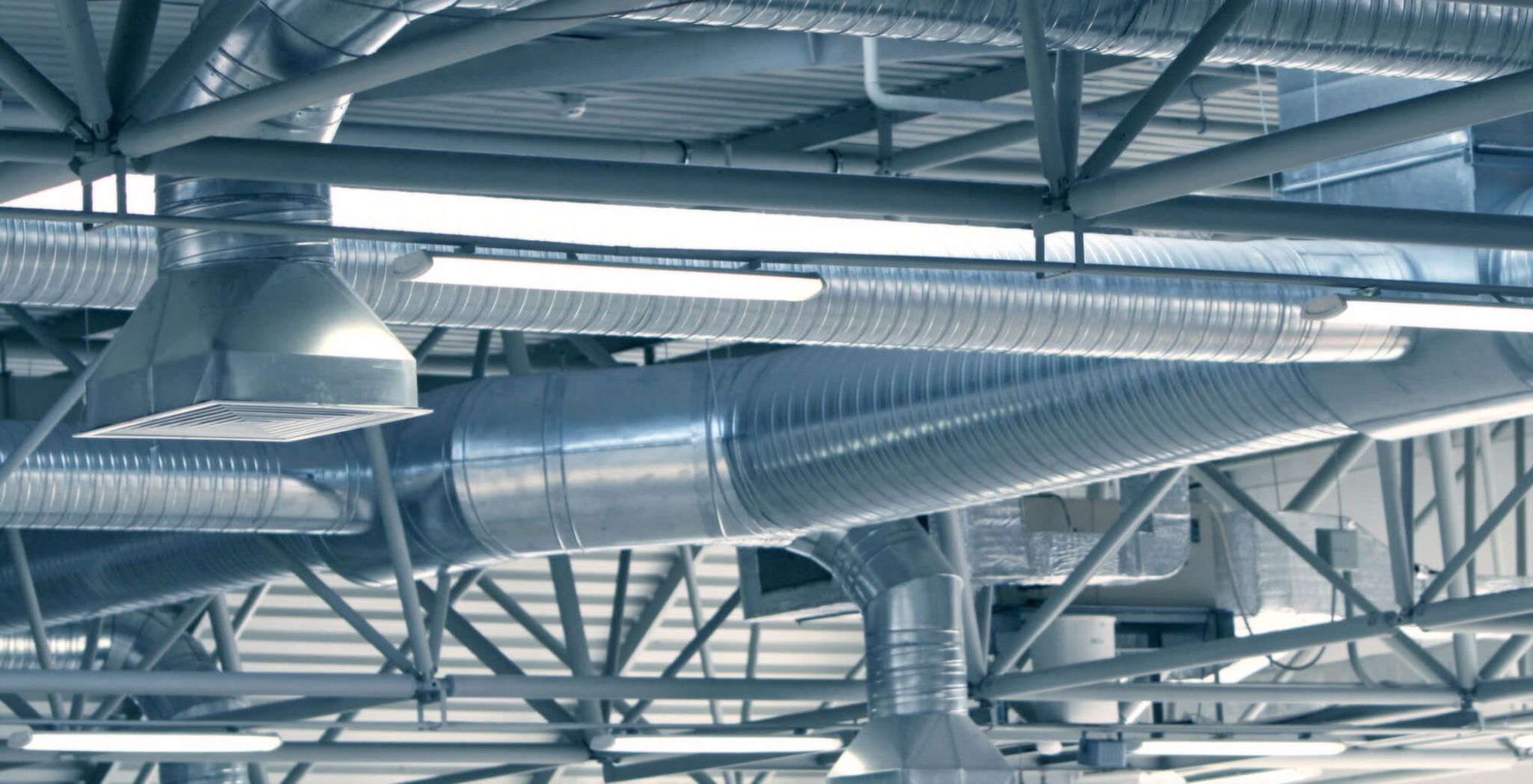
When we walk into a sleek office tower, a busy hospital, or a massive manufacturing plant, we rarely think about the air we’re breathing. We notice if it’s too hot or too cold, but the invisible work of the ventilation system usually goes unnoticed until it stops working correctly.
A well-designed commercial ventilation system is the lungs of a building. It doesn’t just move air around; it manages health, protects expensive equipment, and ensures the facility meets strict safety regulations.
In this guide, we’ll dive deep into how these systems work, why they are vital for indoor air quality, and how they keep modern businesses running smoothly.
What Is a Ventilation System?
At its simplest, a ventilation system is a network of equipment designed to replace “stale” indoor air with “fresh” outdoor air. In a residential home, you might achieve this by opening a window. However, in large-scale building ventilation systems, the process is much more complex.
In a commercial or industrial setting, ventilation serves three primary purposes:
- Oxygen Replenishment: Ensuring there is enough fresh oxygen for occupants.
- Contaminant Removal: Diluting and removing odors, CO2, dust, and chemical vapors.
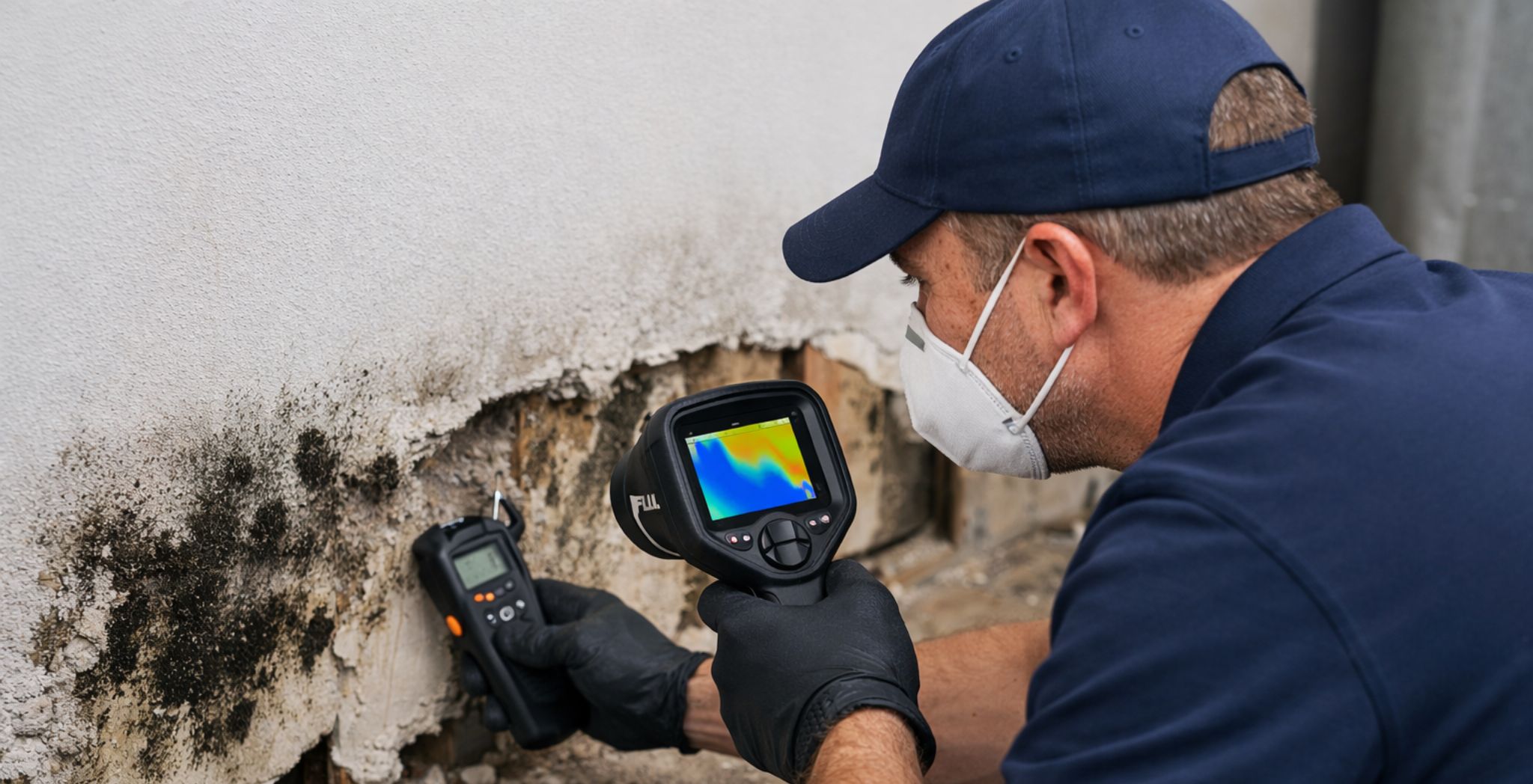
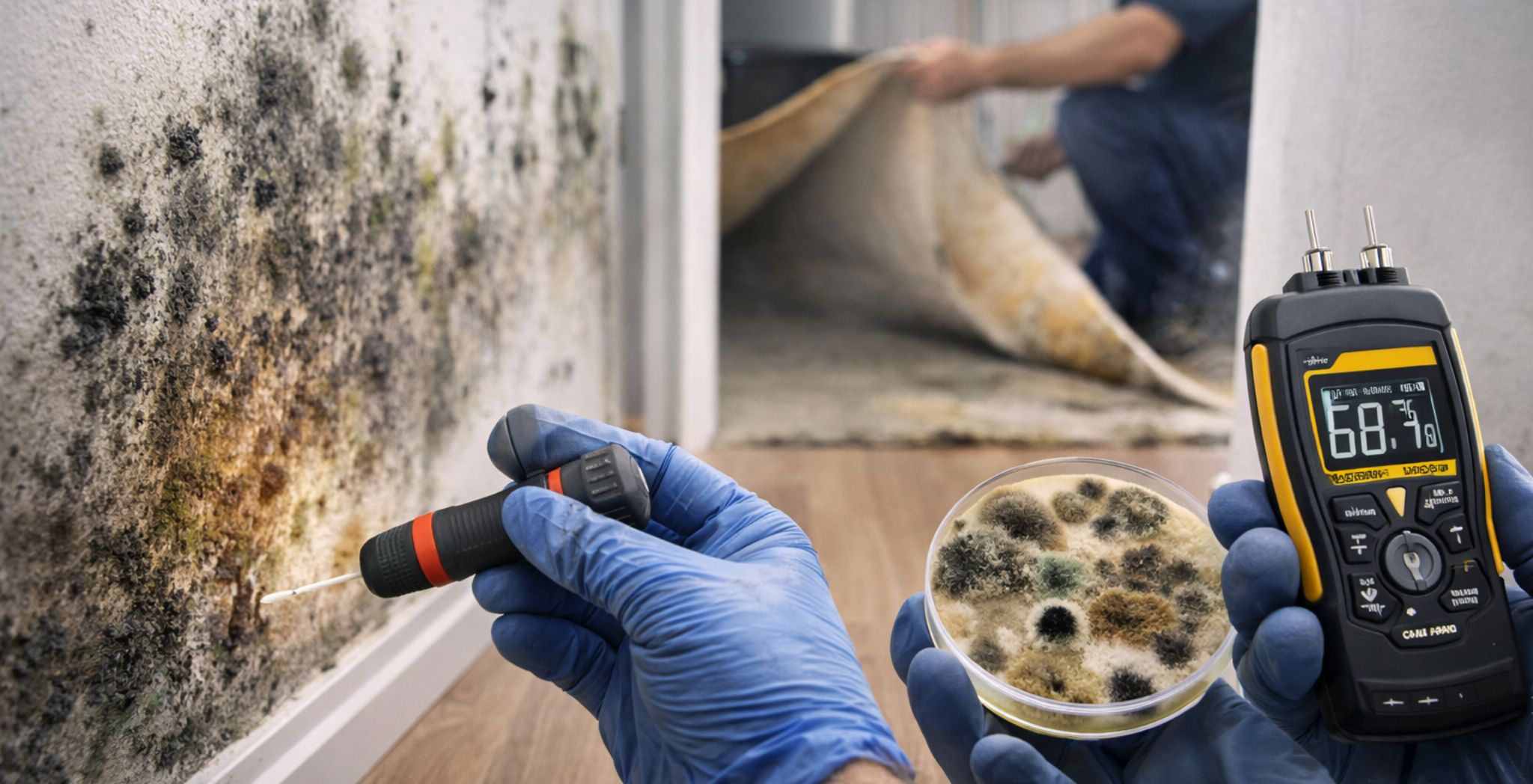
- Moisture Control: Preventing the buildup of humidity that leads to mold and structural damage.
How Ventilation Systems Work in Commercial and Industrial Buildings
In large buildings, you can’t rely on a breeze from a window. An industrial ventilation system uses a combination of mechanical fans, sensors, and ductwork to circulate air.
The process generally follows a specific cycle:
- Intake: Fresh air is pulled from the outside through intake louvers.
- Conditioning: This air is often filtered and heated or cooled (integrated with the HVAC system).
- Distribution: Fans push the air through a network of ducts to various zones in the building.
- Exhaust: Stale air is pulled out of the rooms and either recirculated (after filtration) or expelled outside.
This constant “air exchange” is measured in Air Changes per Hour (ACH). A high-ceilinged warehouse might need fewer air changes than a crowded call center or a chemical processing floor.
Types of Ventilation Systems
Not all buildings use the same method to breathe. Depending on the architecture and the purpose of the facility, engineers choose from three main types:
1. Natural Ventilation
This relies on natural forces like wind and thermal buoyancy (hot air rising). It uses strategically placed windows, vents, and “wind towers.” While energy-efficient, it’s difficult to control in extreme climates and doesn’t offer the filtration needed for clean air ventilation.
2. Mechanical Ventilation Systems
This is the standard for most modern commercial spaces. It uses power-driven fans to control the flow.
- Supply Ventilation: Fans push fresh air into the building, creating positive pressure.
- Exhaust Ventilation: Fans pull air out, creating negative pressure (common in restrooms or kitchens).
- Balanced Ventilation: A combination of both that ensures the pressure inside remains neutral.
3. Hybrid (Mixed-Mode) Ventilation
Hybrid systems use natural ventilation when the outdoor weather is pleasant but switch to mechanical ventilation systems when sensors detect high CO2 levels or extreme temperatures.
Why Ventilation Systems Are Critical for Indoor Air Quality
We spend roughly 90% of our lives indoors. If the indoor air quality (IAQ) ventilation is poor, it leads to “Sick Building Syndrome.” This causes headaches, fatigue, and decreased productivity among employees.
Clean air ventilation acts as a continuous cleaning service for the atmosphere. By bringing in outside air, the system dilutes the concentration of viruses and bacteria. Since the 2020 pandemic, the focus on facility ventilation solutions has shifted from mere comfort to public health, with many buildings upgrading their systems and implementing HVAC Air Quality Testing to increase the volume of fresh air intake.
Common Indoor Pollutants Controlled by Ventilation Systems
A robust commercial ventilation system is the first line of defense against several invisible “intruders”:
- Carbon Dioxide (CO2): Exhaled by people. High levels lead to drowsiness and poor decision-making.
- Volatile Organic Compounds (VOCs): Chemicals emitted by office furniture, carpets, cleaning supplies, and printers.
- Particulate Matter (PM2.5): Tiny dust or smoke particles that can enter the lungs.
- Biological Contaminants: Mold spores, pollen, and airborne pathogens.
Ventilation Systems in Specialized Sectors
While a standard office needs basic comfort, certain industries require specialized industrial ventilation systems to operate safely.
Healthcare
Hospitals use “Negative Pressure Rooms” to ensure that air from an infectious patient’s room doesn’t leak into the hallways. Instead, the ventilation system sucks the air out through specialized HEPA filters, maintaining Health and Safety Compliance.
Manufacturing
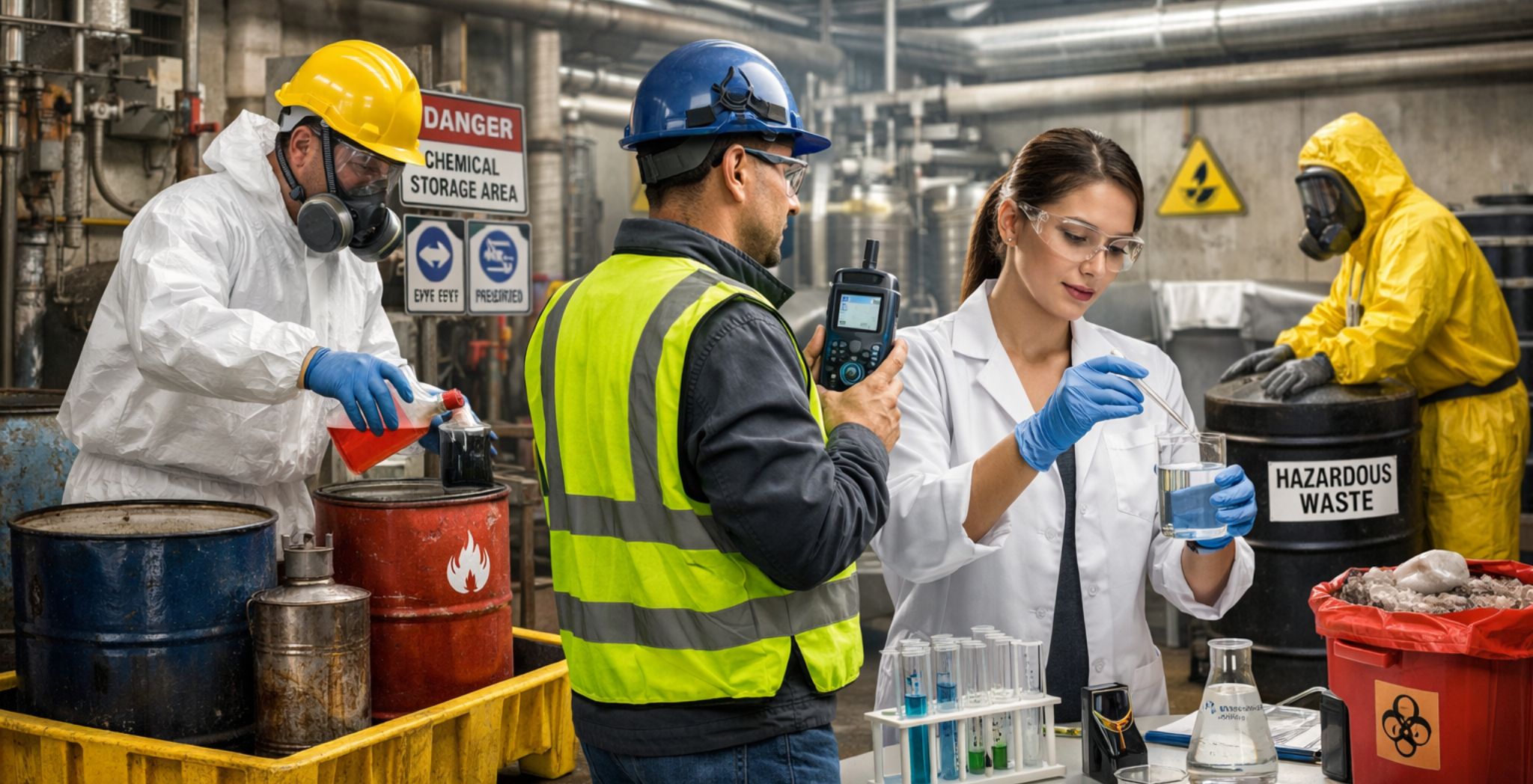
In factories, ventilation is about safety. Air exchange systems must remove toxic fumes from welding, painting, or chemical processing immediately at the source before workers can breathe them in.
Laboratories
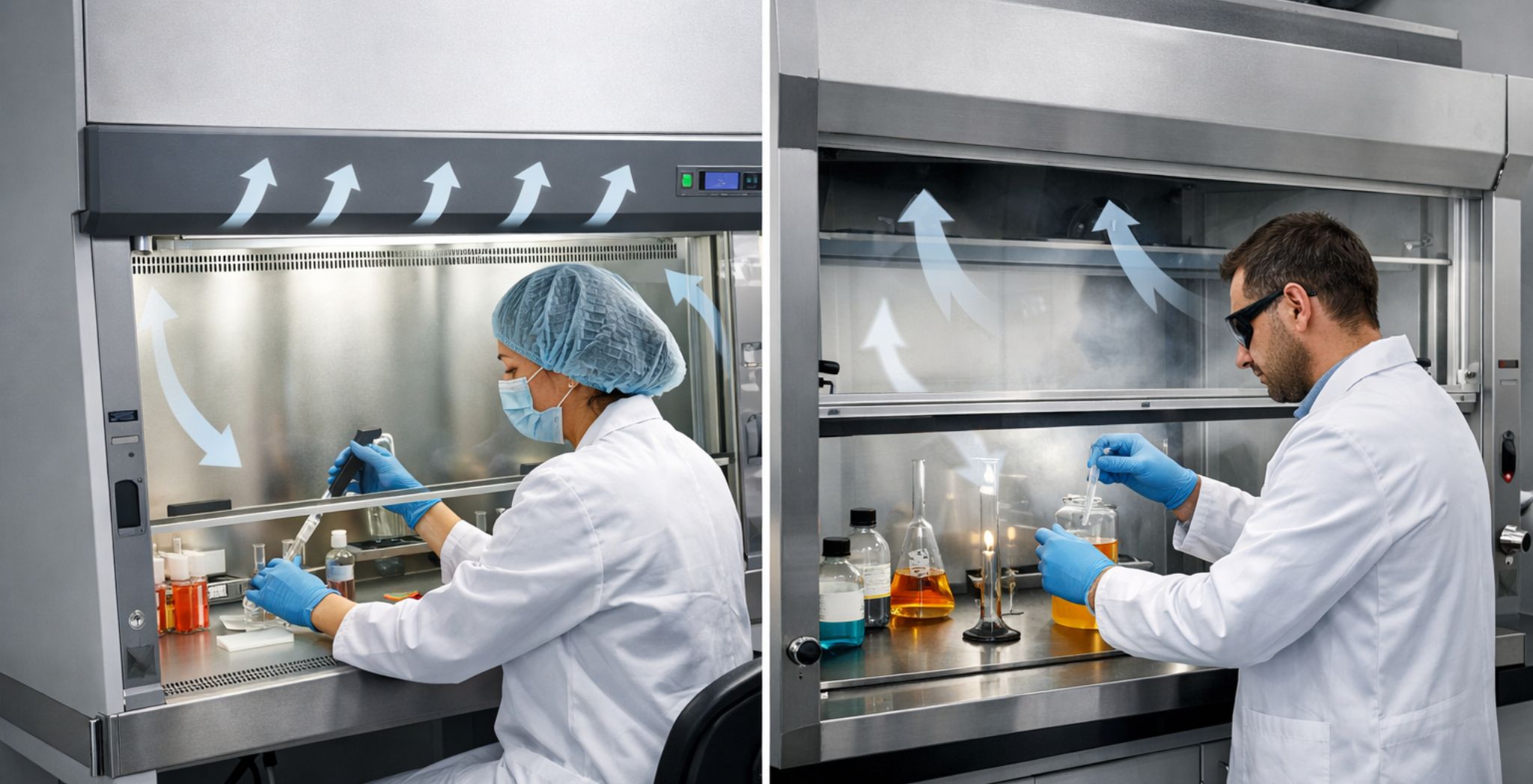
Labs use “Fume Hoods,” which are localized ventilation devices. They protect researchers by drawing chemical vapors away from the user and venting them safely outside the building.
Ventilation System Performance and Airflow Balance
A common mistake in building management is ignoring ventilation airflow balance. Air is like water it follows the path of least resistance.
If a system is unbalanced, you might have “dead zones” where air stays stagnant, while other areas feel like a wind tunnel. Proper balancing ensures that the amount of air leaving the building matches the amount coming in (unless a specific pressure is desired).
Ventilation system compliance often requires regular testing and balancing (TAB) reports to prove that the building meets local building codes and ASHRAE (American Society of Heating, Refrigerating and Air-Conditioning Engineers) standards.
Ventilation Systems vs. Air Filtration Systems
People often confuse ventilation with filtration. While they work together, they are different:
- Ventilation is about moving air (replacing old air with new).
- Air Filtration is about cleaning air (passing it through a filter to catch particles).
A building can have great filtration but poor ventilation. In that case, you’d be breathing very clean, but very “stale” air with high CO2 levels. Conversely, a building with great ventilation but no filtration would have fresh oxygen but might be full of outdoor smog or pollen. The best facility ventilation solutions integrate high-efficiency filters (like MERV 13 or higher) into the mechanical ventilation path.
Conclusion
Investing in a high-quality ventilation system is no longer just a “back-of-house” mechanical concern; it is a fundamental part of business strategy. Whether you are looking to improve employee wellness, meet ventilation system compliance, or protect sensitive industrial equipment, the way your building breathes matters.
Contact us to explore solutions tailored to your facility’s needs.



Leave A Comment