
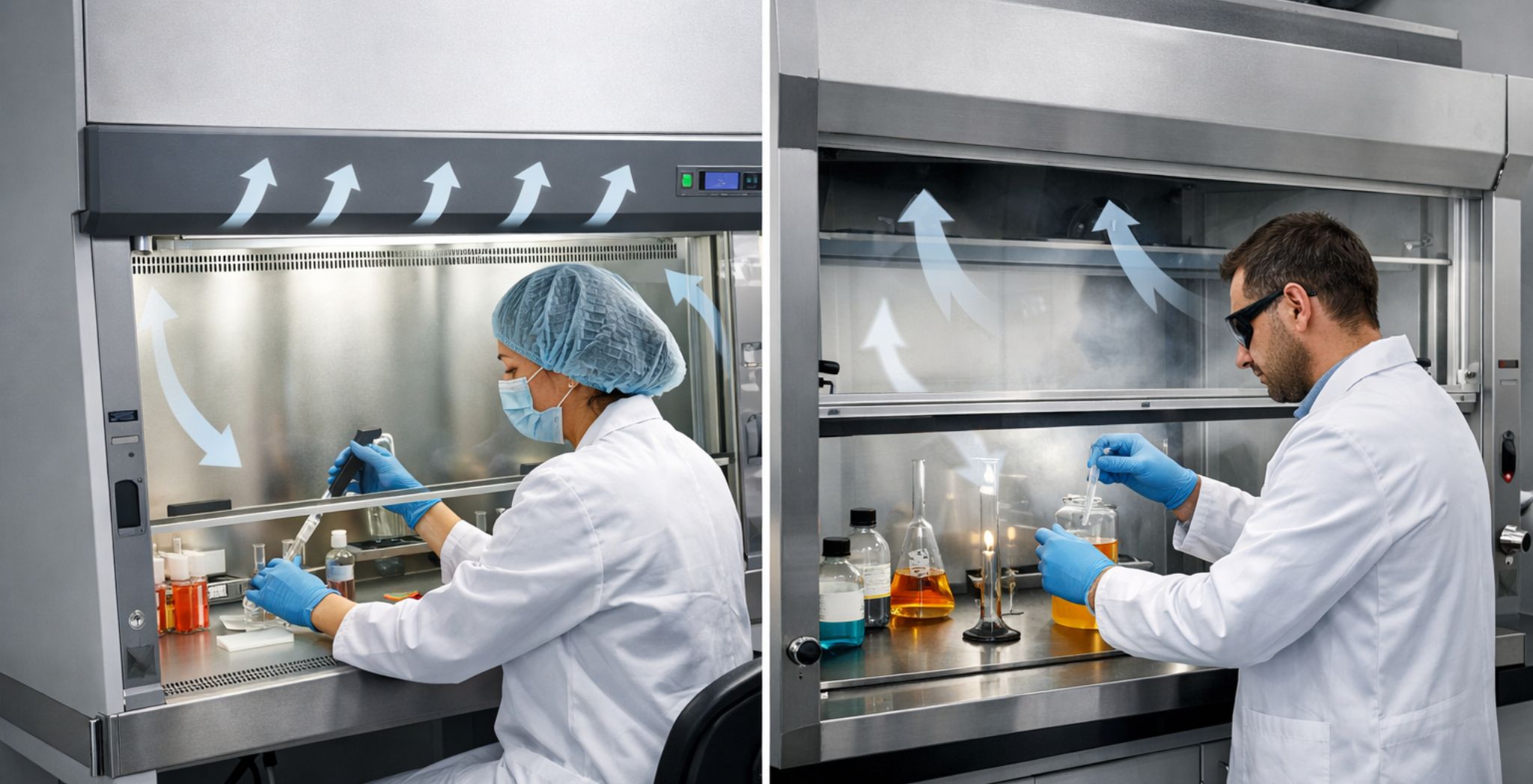
Biosafety cabinet vs fume hood. In today’s high-risk environments, safety is not just a priority it’s a necessity. Laboratory workers, researchers, and industrial professionals routinely interact with materials that pose substantial risks to their health, the integrity of their work, and the safety of the surrounding environment. This is why specialized safety equipment, such as Biosafety Cabinets (BSC) and Chemical Fume Hoods, play a critical role in safeguarding laboratory environments.
While these two pieces of equipment may appear similar both enclosed spaces with transparent workspaces each serves a distinct purpose and addresses different kinds of hazards. Misusing the wrong one could result in compromised safety for laboratory personnel, environmental contamination, or even sample degradation. It is important to understand the differences between a Biosafety Cabinet and a Chemical Fume Hood, how each works, and which is best suited for specific tasks. Let’s dive into the world of laboratory safety to better understand these two pieces of essential equipment.
What Is a Biosafety Cabinet (BSC)?
A Biosafety Cabinet (BSC) is a specially designed, enclosed workspace used to work with biological agents such as viruses, bacteria, fungi, and other microorganisms. Its primary function is to provide a sterile environment while simultaneously protecting the operator, the environment, and the material being handled. This is achieved through a specialized air filtration system.

Key Features of a BSC:
-
Primary Protection: The BSC is designed to protect personnel, the product (samples), and the environment from harmful biological agents.
-
Airflow: The BSC operates with a laminar, steady airflow, meaning air moves in one direction, and contaminants are prevented from escaping into the surrounding environment.
-
HEPA Filters: These high-efficiency particulate air filters trap particles as small as 0.3 microns, which includes most biological agents.
How It Works:
The BSC pulls air through the front opening, drawing any potential contaminants away from the operator. This air is then filtered through a HEPA filter to remove any harmful particles before flowing over the workspace and providing protection to the material being handled. After passing through the work area, the air is either recirculated back into the cabinet or exhausted outside, depending on the type of BSC.
Since biological materials are often highly contagious, regular maintenance and testing, such as BSC and fume hood testing, are crucial to ensure proper function. This includes inflow velocity testing and HEPA filter leak testing to verify the integrity of the system.
What Is a Chemical Fume Hood?
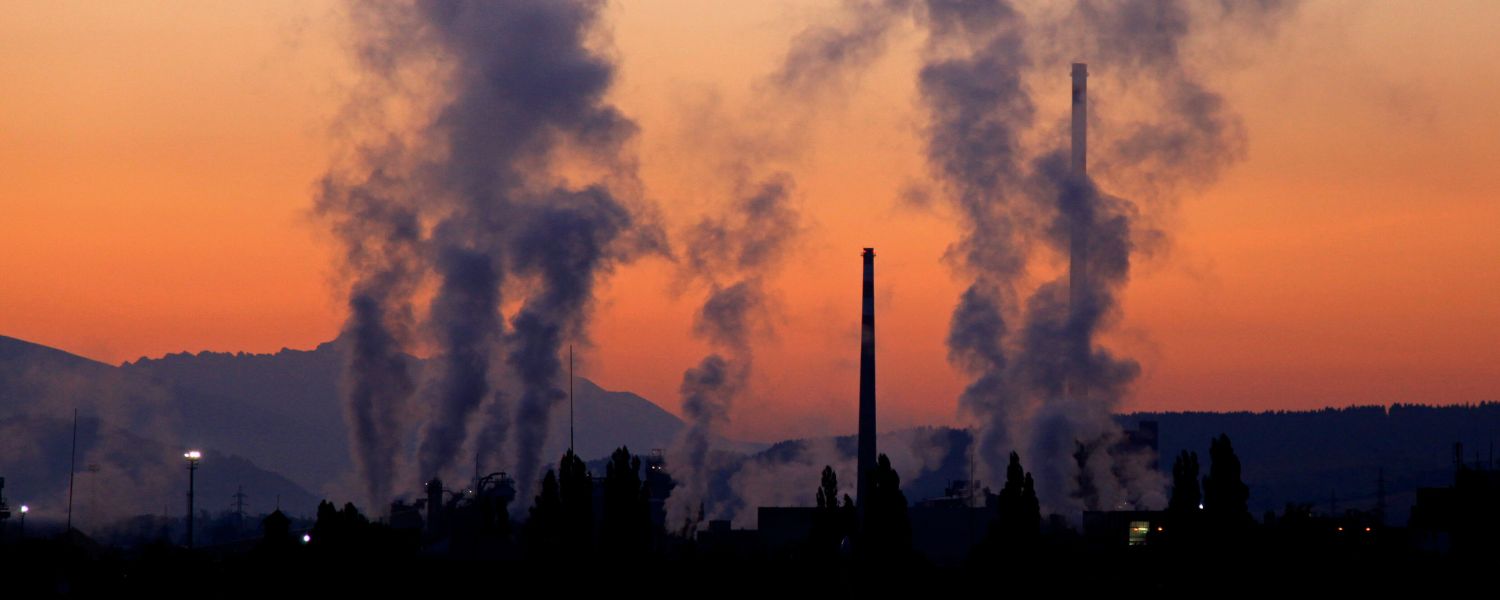
A Chemical Fume Hood is a ventilation system used in laboratories to remove harmful chemical fumes, vapors, gases, and particulate matter from the air. It works primarily to protect the user from inhaling toxic substances and to minimize exposure to hazardous materials.
Key Features of a Fume Hood:
-
Primary Protection: A fume hood protects personnel from hazardous chemical vapors and gases, but it does not protect the product being worked on.
-
Airflow: Unlike the laminar flow in BSCs, fume hoods work by creating a constant inflow of air, which helps draw vapors away from the user and exhausts them outside the facility.
-
No Filtration: Fume hoods typically do not use HEPA filters. Instead, they exhaust air directly to the outside to remove harmful substances from the work environment.
How It Works:
Fume hoods maintain a constant air velocity to draw contaminants away from the operator’s breathing zone. The air is pulled into the hood through the front opening, and the harmful chemicals are then directed out of the building via ductwork. This process prevents the exposure of toxic chemicals to laboratory personnel. However, it does not filter out these chemicals, and so it is not suitable for use with biological hazards.
Unlike BSCs, fume hoods are commonly used in chemistry labs or industrial settings where chemicals or corrosive substances are regularly handled. They are an indispensable tool for dealing with volatile or flammable substances but cannot be used with biological agents.
Key Differences Between Biosafety Cabinets and Fume Hoods
Understanding the differences between a Biosafety Cabinet and a Chemical Fume Hood is essential for selecting the right equipment for your laboratory. Let’s explore three key areas: What they protect, how they filter air, and why they are used.

| Feature | Biosafety Cabinet (BSC) | Chemical Fume Hood |
|---|---|---|
| Primary Protection |
Personnel, Product, and Environment | Personnel Only |
| Hazard Type | Biological (Bacteria, Viruses, Infectious Agents) | Chemical (Vapors, Gases, Fumes) |
| Airflow Pattern |
Laminar (steady) flow, recirculated or exhausted | Constant inflow, usually 100% exhausted |
| Filtration | Uses HEPA filters | Generally no filtration (ducted to outside) |
| Product Protection | Yes (keeps samples sterile) | No (room air flows over samples) |
Airflow Comparison
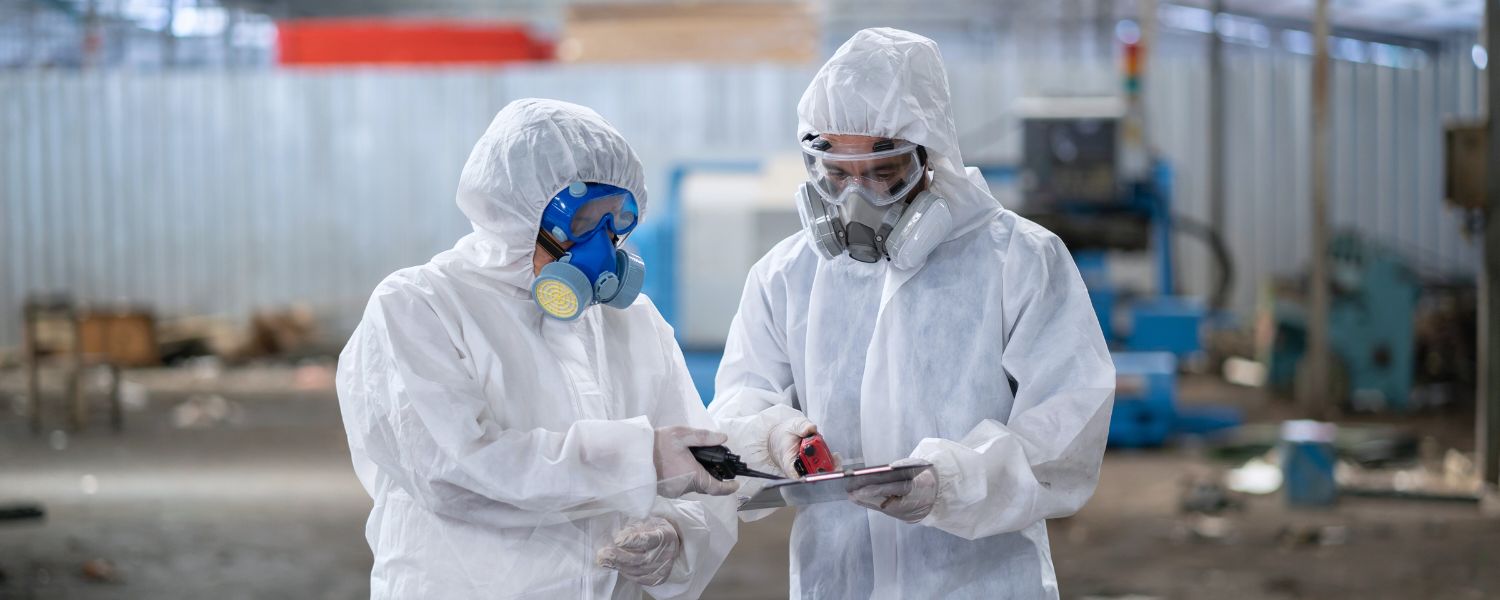
One of the biggest technical differences between a BSC and a fume hood lies in how they manage airflow:
-
In a BSC: Air is drawn into the cabinet through the front opening to protect the operator, filtered via HEPA filters, and then either recirculated or exhausted outside. The air is filtered twice once before entering the cabinet and again before exiting ensuring a sterile and controlled environment.
-
In a Fume Hood: Air from the room is sucked into the hood and exhausted directly outside. There is no filtration of harmful chemicals; instead, the goal is to remove them from the room quickly.
This distinction makes BSCs ideal for protecting biological materials and the personnel working with them, while fume hoods are essential for removing hazardous chemical vapors but are not suitable for biological agents.
When to Use a Biosafety Cabinet vs. a Fume Hood
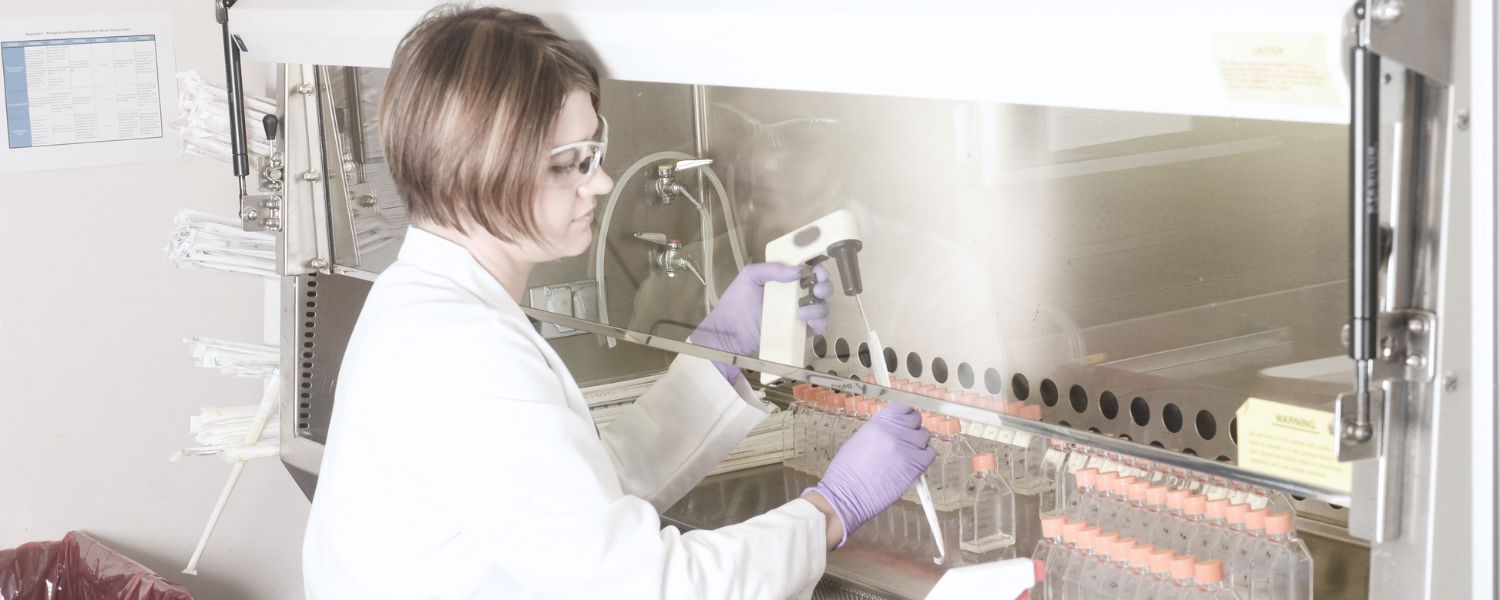
Use a Biosafety Cabinet when:
-
You are working with biological hazards such as bacteria, viruses, or cell cultures.
-
Your work involves samples that require a sterile environment to prevent contamination.
-
You are handling higher-risk biological agents (Risk Groups 2, 3, or 4 pathogens).
Use a Fume Hood when:
-
You are working with volatile chemicals, such as solvents, acids, or gases.
-
Your primary concern is inhaling toxic vapors or chemicals.
-
You are working with substances that do not pose a biological risk.
Testing & Certification Requirements
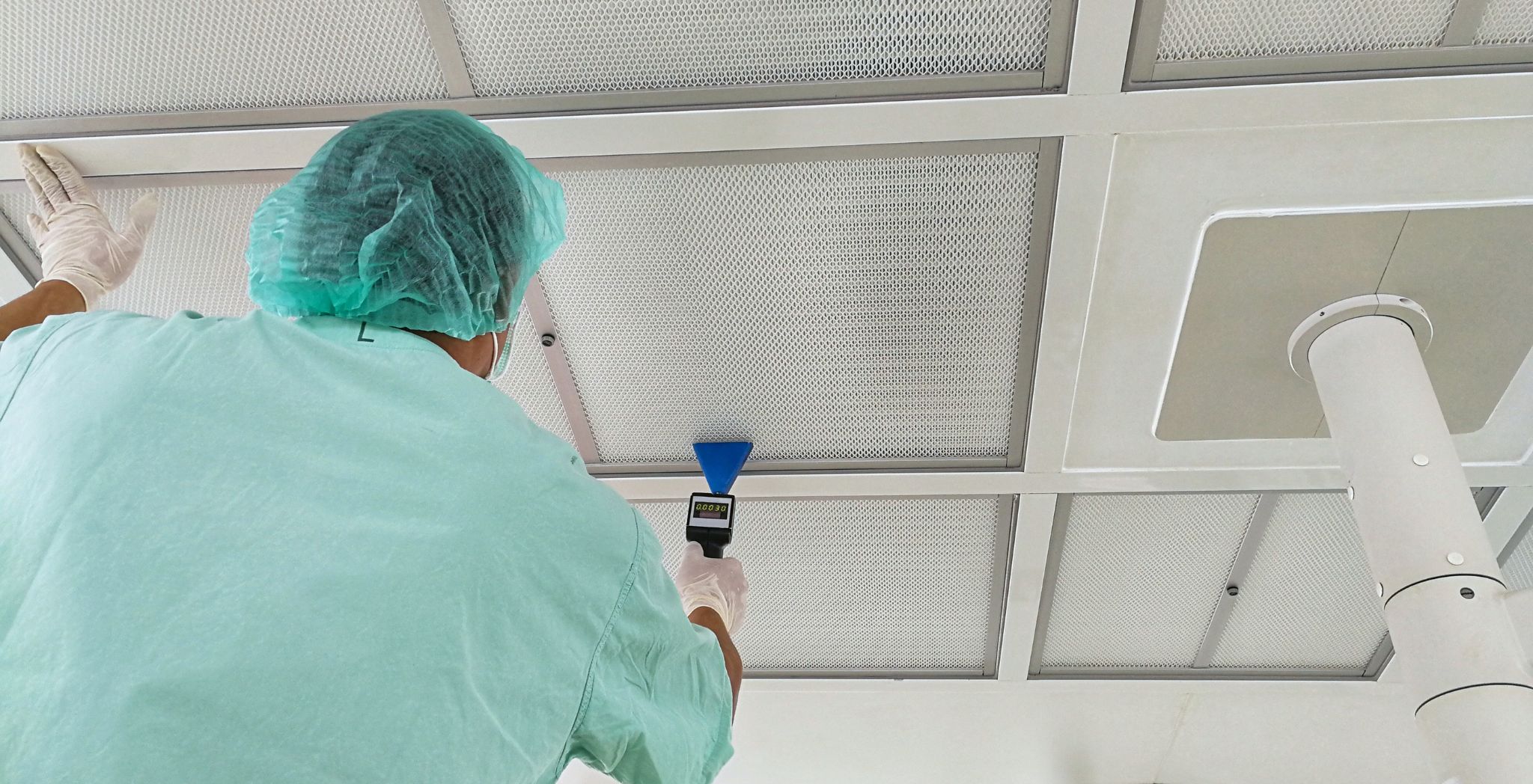
Both Biosafety Cabinets and Chemical Fume Hoods require regular testing and maintenance to ensure they are working properly. Over time, components such as HEPA filters may become clogged, and airflow may be disrupted, reducing the effectiveness of the equipment. Regular testing and certification will verify that the airflow is correct, and that the filters and exhaust systems are functioning as required.

Testing Procedures Include:
-
Inflow Velocity Testing: To ensure enough air is being pulled into the system to keep the operator safe.
-
HEPA Filter Leak Testing: Ensures there are no leaks in the HEPA filters that would allow biological agents to escape.
-
Airflow Visualization (Smoke Testing): Using non-toxic smoke to check the airflow direction and ensure that it is working correctly.
Without regular testing, a laboratory may be in danger of non-compliance with safety regulations, which can result in significant health risks and legal consequences.
Role in Indoor Air Quality & Industrial Hygiene

Indoor Air Quality (IAQ) is a vital component of lab safety. The way air is exhausted from BSCs and fume hoods can affect the entire building’s HVAC system. For example, a fume hood that exhausts chemical vapors may inadvertently pull contaminated air back into the building if the system is not balanced correctly.
Industrial Hygiene Assessments & Exposure Monitoring help ensure that harmful substances are not escaping into the general lab environment. These assessments use sensors to monitor chemical exposure and confirm that the hoods and filters are working as they should.
Choosing the Right Equipment for Your Facility
When selecting the right equipment for your laboratory or facility, consider these critical questions:
-
-
What are my hazards? If you are working with biological materials, a BSC is essential. If you’re handling chemicals, a fume hood is the better choice.
-
Does my product need protection? If you need your samples to remain sterile and uncontaminated, a BSC is necessary.
-
What are my ducting capabilities?
Fume hoods require specialized ductwork to exhaust chemicals outside. Some BSCs are ductless and recirculate air, which can be a more flexible option depending on the risk level of your work.
Always consult a safety professional before purchasing or installing either a BSC or a fume hood to ensure proper functionality and compliance with safety regulations.
Conclusion
In the laboratory, choosing the correct safety equipment is not just a technical decision it is a life-and-death matter. The differences between a Biosafety Cabinet and a Chemical Fume Hood are profound, with each designed for very specific hazards. A BSC provides protection for biological agents, while a fume hood is essential for chemical safety.
Ensuring that your equipment works correctly involves regular maintenance, testing, and certification. Keeping your laboratory compliant with safety standards will not only protect your team but will also safeguard your work and the integrity of your research.
Need Help Ensuring Compliance?
Our team specializes in Industrial Hygiene Assessments, Cleanroom Performance Testing, BSC and Fume Hood Testing, and Indoor Air Quality Assessments. Contact us today to ensure your lab is as safe and efficient as possible.
Faq’s
Q.1 What is the difference between a fume hood and a biosafety cabinet?
The primary difference between a fume hood and a biosafety cabinet (BSC) lies in their purpose and what they protect. A fume hood is used to protect personnel from harmful chemical fumes, gases, and vapors by exhausting them outside the facility. It is typically used in chemistry and industrial labs. On the other hand, a biosafety cabinet is designed to protect the operator, the product (such as biological samples), and the environment from biological hazards like viruses, bacteria, and cell cultures. A BSC uses HEPA filters to create a sterile environment inside, while a fume hood does not protect the product and mainly focuses on chemical fumes.
Q.2 Is a BSC the same as a fume hood?
No, a Biosafety Cabinet (BSC) is not the same as a fume hood. Although they both appear similar as enclosed spaces with transparent fronts, their functions are different. A BSC is used for working with biological agents such as bacteria, viruses, or cell cultures, providing a sterile workspace. It also protects the environment and the operator. A fume hood, however, is used for handling chemicals—removing toxic fumes, gases, or vapors from the air to prevent inhalation hazards. Fume hoods do not provide sterile environments or protect the product.
Q.3 What is the difference between a fume hood and a BSL?
A fume hood is a piece of equipment used to protect laboratory personnel from harmful chemical vapors, gases, and fumes. It works by drawing the air from the room into the hood and exhausting it outside. In contrast, BSL (Biosafety Level) refers to the classification of the containment level required for handling different types of biological agents. There are four BSLs, with each level defining the precautions required for safely handling materials that could pose a risk of infection or harm. The BSL corresponds to the type of work being conducted with biological materials rather than a specific piece of equipment like a fume hood. A BSL facility may use a BSC, while a fume hood is generally used in labs where chemical hazards are present.
Q.4 What are the disadvantages of biosafety cabinets?
While Biosafety Cabinets (BSCs) are essential for safe work with biological materials, they do have some disadvantages:
-
-
-
Cost: BSCs can be expensive to purchase and maintain, especially when considering the need for regular testing, certification, and HEPA filter replacements.
-
Limited Workspace: The enclosed design of a BSC can limit the workspace for larger samples or equipment, making it challenging to work with bulky items.
-
Airflow Dependence: Proper operation relies on maintaining the correct airflow, which can be disrupted by external factors like changes in the building’s HVAC system or clogged filters.
-
Space Constraints: BSCs can be large and require specific installation and proper ventilation systems, which might not be available in all labs.
-
Not Suitable for All Work: BSCs are designed specifically for biological safety and do not protect against chemical hazards, making them unsuitable for handling toxic chemicals unless specifically designed for dual use (e.g., Class II Type B2).
-
-
Q.5 Why should I get biosafety cabinet and fume hood compliance services?
Ensuring compliance with safety standards for biosafety cabinets (BSCs) and chemical fume hoods is essential for maintaining a safe and effective laboratory environment. With over 10 years of experience, it is highly recommended to get these compliance services from trusted experts, such as Health System Sciences LLC. These professionals have the specialized knowledge and tools to perform comprehensive testing, including airflow velocity assessments, HEPA filter checks, and performance evaluations. By relying on experts, you ensure that your equipment meets OSHA and NIH regulations, minimizes the risk of safety incidents, and protects both your team and your research. Additionally, working with a trusted team provides ongoing maintenance and support, ensuring your lab remains compliant and safe in the long term.




Leave A Comment