
We spend nearly 90% of our lives indoors. Whether it’s the office where we work, the hospitals where we heal, or the homes where we rest, the air we breathe plays a massive role in our long-term health. Yet, indoor air can often be two to five times more polluted than outdoor air.
This is where high-efficiency particulate air filters, commonly known as HEPA filters, come into play. Often hailed as the gold standard in air purification, these filters are the unsung heroes of modern infrastructure. From preventing the spread of viruses in hospitals to ensuring that computer microchips are manufactured in dust-free environments, HEPA technology is vital.
What Are High-Efficiency Particulate Air (HEPA) Filters?
At its simplest, a HEPA air filter is a high-quality air filter designed to trap a very high percentage of extremely small particles. But it isn’t just any “strong” filter. To be officially classified as a HEPA filter, it must meet a specific efficiency standard set by the Department of Energy (DOE) or international bodies.
A true HEPA filter must be able to remove at least 99.97% of particles that have a size of 0.3 microns.
To put that into perspective:
- Human hair: 50–70 microns in diameter.
- Dust mite waste: 10–40 microns.
- Bacteria: 0.3–60 microns.
- Viruses: 0.005–0.3 microns.
While 0.3 microns might seem like an arbitrary number, it is actually the “Most Penetrating Particle Size” (MPPS) the size that is hardest for filters to catch. By mastering the 0.3-micron threshold, HEPA filters become incredibly effective at catching particles both larger and smaller than that.
How HEPA Filters Work to Capture Airborne Contaminants
Many people imagine an air filter works like a kitchen sieve or a net small things pass through, and big things get stuck. While that is partially true, high-efficiency particulate air filters use a much more sophisticated combination of physics to clean the air.
HEPA filters are made of a dense mat of randomly arranged glass fibers. As air flows through this maze, particles are trapped through four distinct methods:
- Inertial Impaction: Larger particles are heavy. As the air curves around a filter fiber, these heavy particles can’t turn fast enough, so they crash directly into the fiber and get stuck.
- Interception: Mid-sized particles follow the air stream, but as they pass close to a fiber, they “brush” against it and are captured.
- Diffusion: This is for the tiniest particles (like viruses). These particles don’t move in a straight line; they zig-zag randomly (a process called Brownian motion). This erratic movement makes them much more likely to eventually hit a fiber and stick.
- Sieving: This is the “net” effect, where a particle is simply too large to fit through the gaps between fibers.
Types of HEPA Filters Used in Commercial and Industrial Settings
While you can find HEPA filters in household vacuum cleaners, industrial HEPA filtration requires more heavy-duty solutions. Depending on the environment, different “grades” or types are used:
- HEPA H13 and H14: These are “Medical Grade” filters. H13 filters trap 99.95% of particles, while H14 traps 99.995%. They are standard in surgical suites and high-tech labs.
- High-Capacity HEPA Filters: Designed for commercial HEPA filters used in large HVAC systems. These are built to handle high volumes of airflow without slowing down the building’s ventilation system.
- ULPA (Ultra-Low Particulate Air) Filters: These go a step beyond HEPA, catching 99.999% of particles down to 0.12 microns. These are typically reserved for the most sensitive microchip manufacturing plants.
Why HEPA Filters Are Critical for Indoor Air Quality
In many modern buildings, windows don’t open. We rely entirely on mechanical systems to move air. If that air isn’t filtered correctly, “Sick Building Syndrome” can occur, where pollutants circulate endlessly, causing headaches, fatigue, and respiratory issues.
HEPA Filter Testing ensures indoor air quality filters remain the primary line of defense. By removing the “invisible” triggers in the air, HEPA filters create an environment that supports cognitive function and physical health. For businesses, this isn’t just about comfort it’s about productivity and reducing sick days.
Common Pollutants Removed by HEPA Air Filters
What exactly are these filters pulling out of the air? It’s a diverse list of “invisible enemies”:
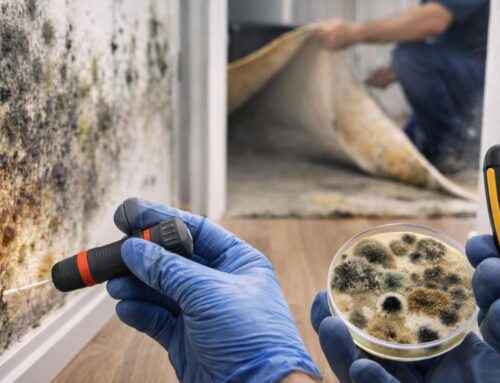
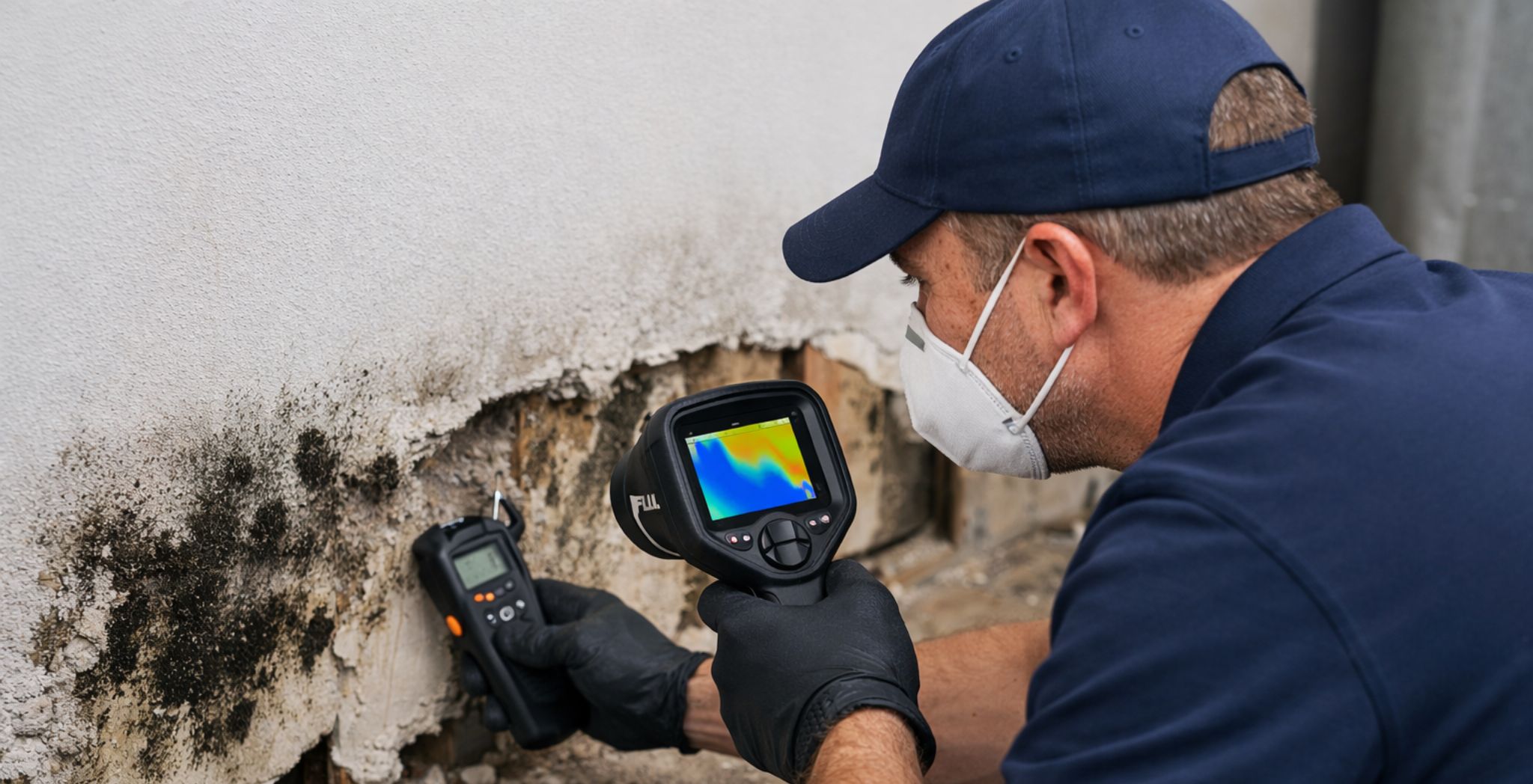
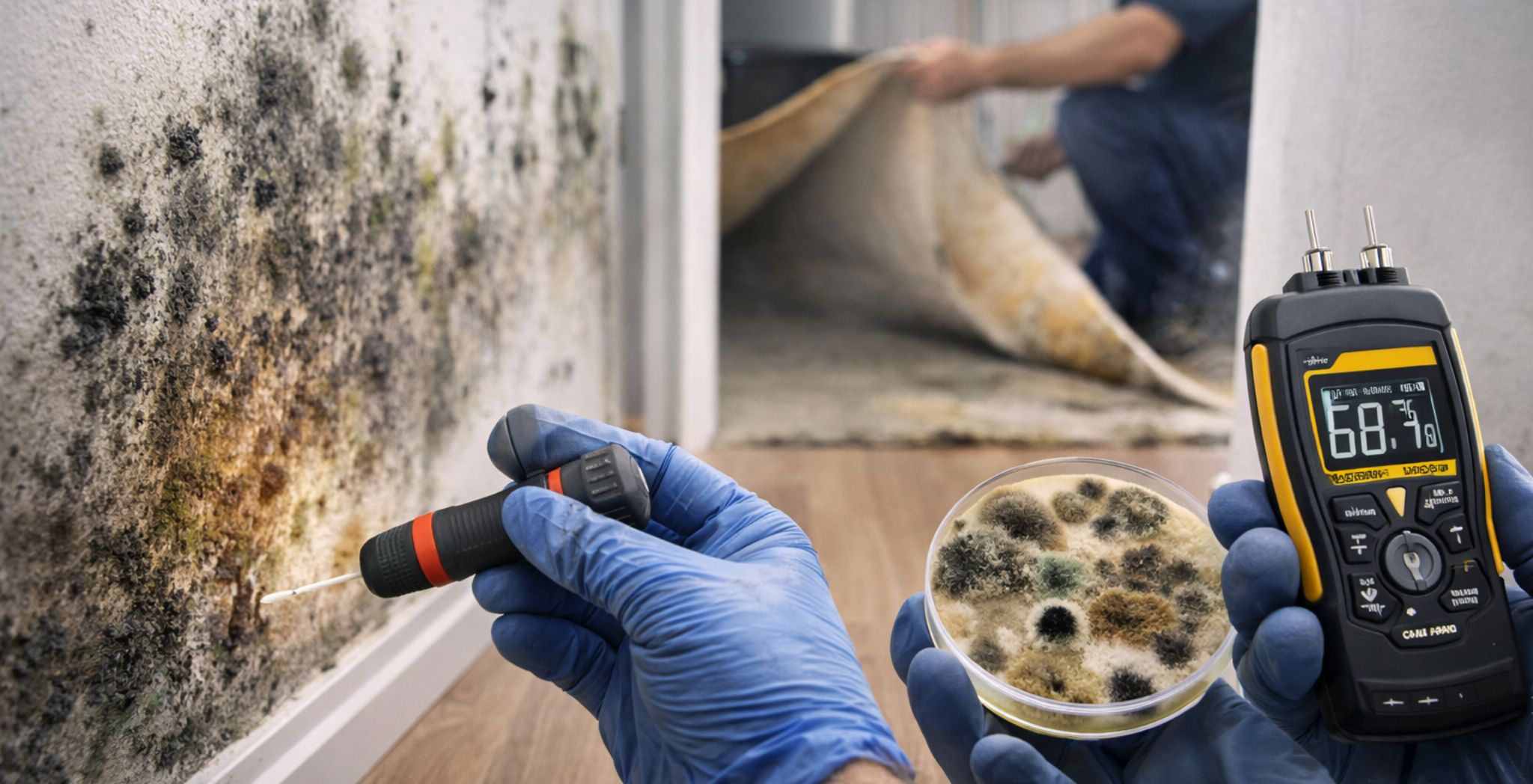
- Biological Contaminants: Mold spores, bacteria, viruses, and pollen.
- Particulate Matter (PM2.5): Fine dust and smoke particles from wildfires or industrial exhaust that can enter the bloodstream through the lungs.
- Allergens: Pet dander and dust mite remains.
- Construction Dust: Microscopic silica or drywall dust that can be harmful if inhaled over long periods.
HEPA Filters in Healthcare, Laboratories, and Cleanroom Environments
In some industries, contaminant control solutions aren’t just a “nice to have” they are a legal and functional requirement.
Healthcare Facilities
In hospitals, HEPA filters for healthcare facilities are used to create “Positive Pressure” or “Negative Pressure” rooms. This ensures that infectious diseases (like tuberculosis or COVID-19) don’t leak out of a patient’s room into the hallway, or that sterile operating rooms remain protected from outside germs.
Laboratories and Pharmacy Compounding
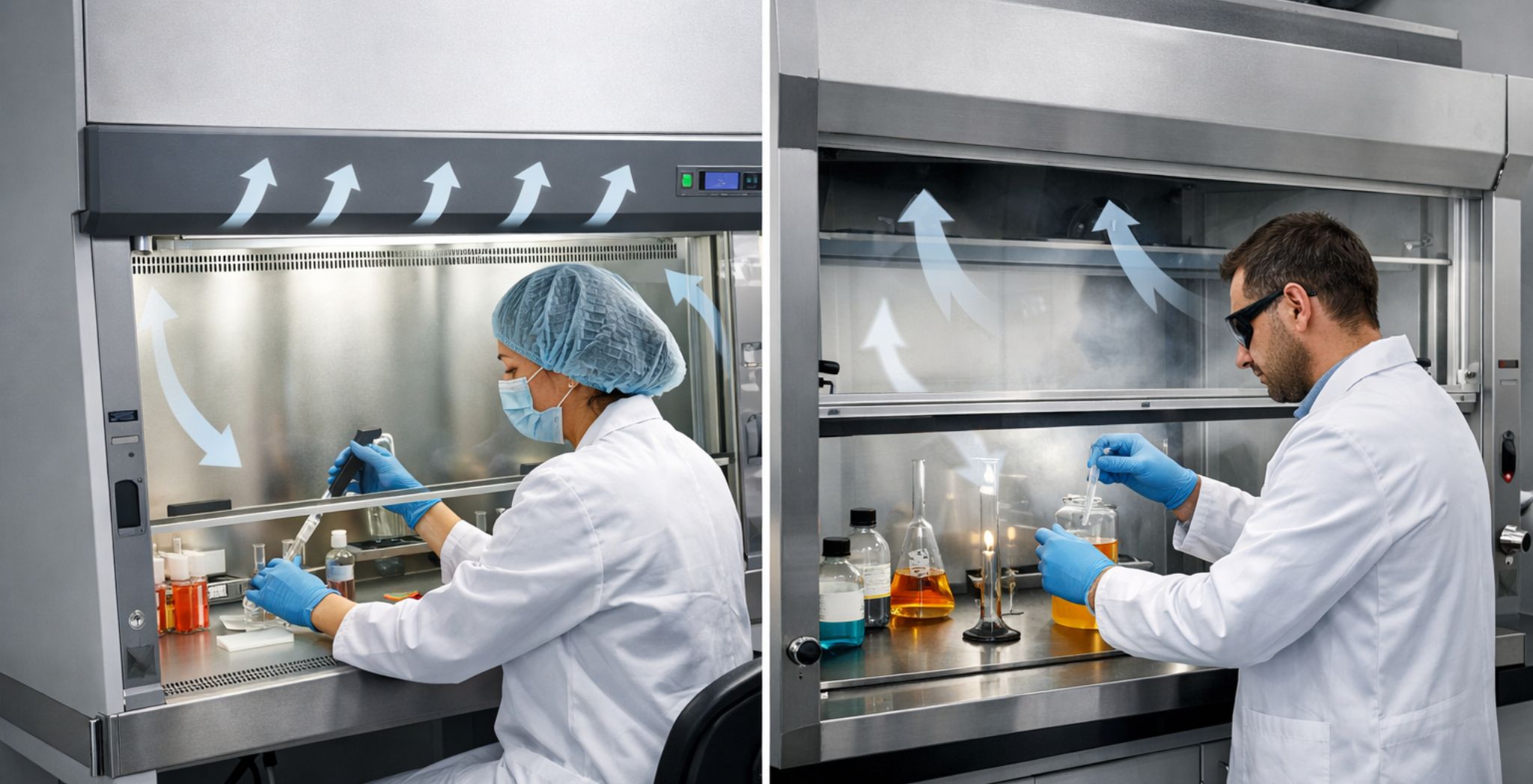
When scientists are working with sensitive chemicals or pharmacists are mixing sterile medications, even a single speck of dust can ruin a batch. HEPA filtration ensures the integrity of the science.
Cleanrooms
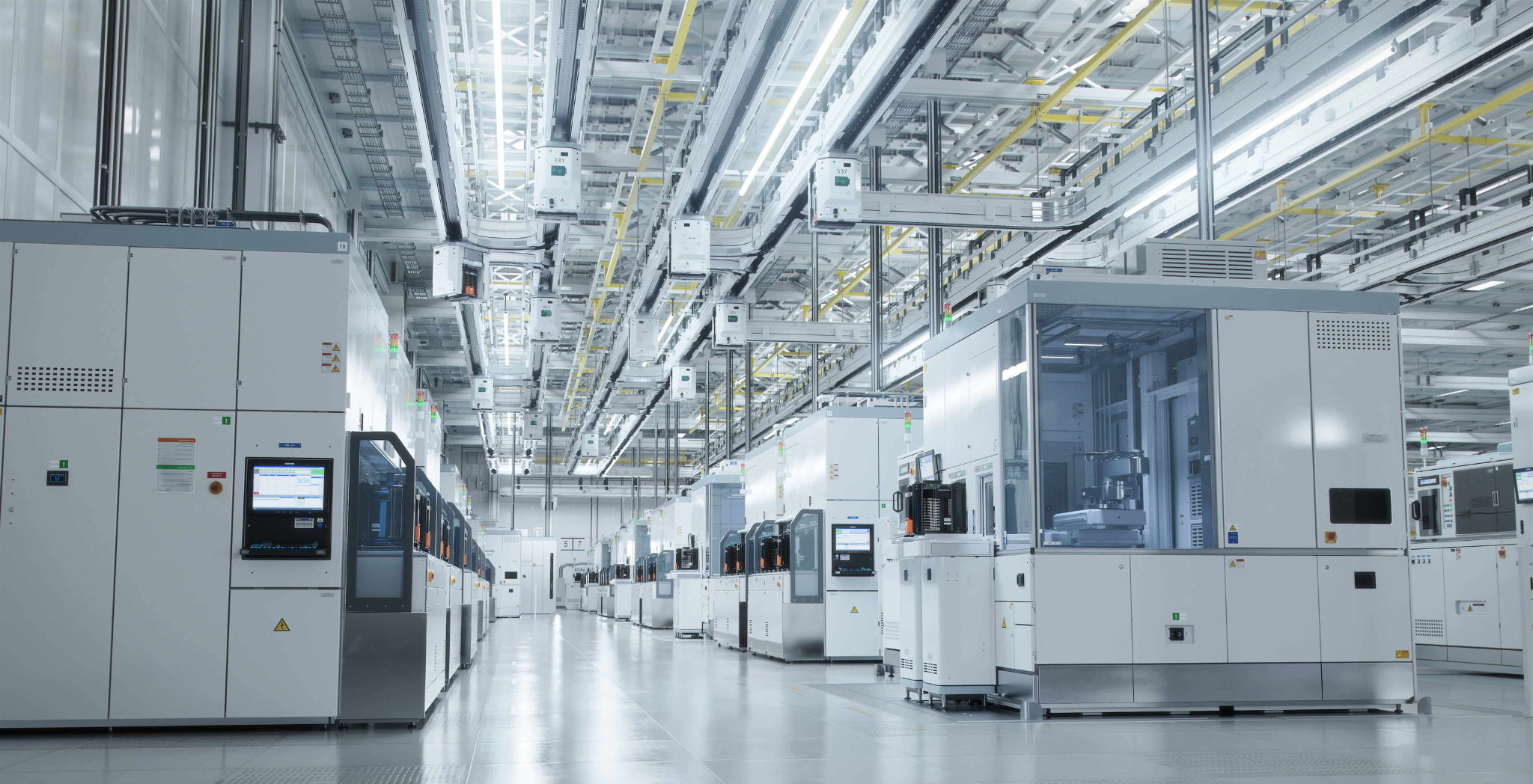
Cleanroom Performance is critical in electronics and aerospace manufacturing, where a single skin cell on a semiconductor can cause a short circuit. These environments often use ceiling-to-floor HEPA filtration systems to ensure the air is scrubbed constantly.
HEPA Filters vs. Standard Air Filters
You might wonder: “Why not just use a standard pleated filter from the hardware store?” The difference lies in the MERV rating (Minimum Efficiency Reporting Value).
| Feature | Standard Filter (MERV 8-11) | HEPA Filter |
| Efficiency | Catches 70-85% of large particles | Catches 99.97% of tiny particles |
| Airflow | High (easy for air to pass through) | Lower (requires powerful fans) |
| Best For | Residential dust and lint | Smoke, viruses, and allergens |
| Cost | Low | Higher (but lasts longer) |
Standard filters are great for protecting your furnace or AC unit from getting clogged with dust. However, they are not designed to protect your lungs from microscopic pathogens. Only high-efficiency particulate air filters provide that level of biological security.
How HEPA Filters Support Health, Safety, and Compliance
HEPA Air Filters and Their Role in Health and Safety makes using clean air filtration systems essential for staying compliant with laws and safety regulations.
- OSHA Compliance: In industrial settings, employers are required to keep the air safe for workers. HEPA filters help meet these standards by capturing hazardous dust.
- Infection Control: Health departments require specific filtration levels in clinics and dental offices to prevent cross-contamination.
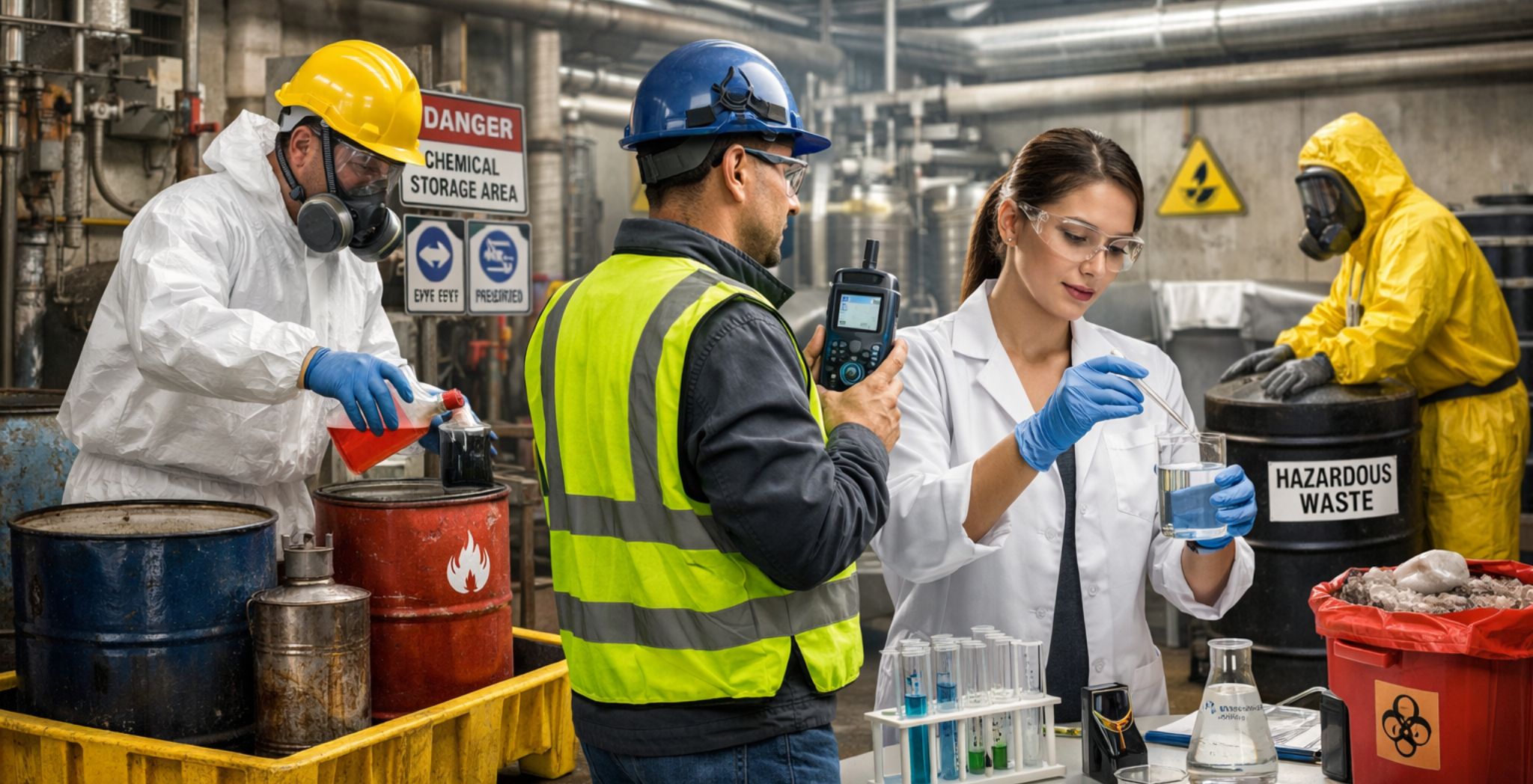
- Environmental Protection: Many factories use industrial HEPA filtration to “scrub” their exhaust air before it is released into the atmosphere, ensuring they don’t pollute the local community.
Conclusion
The air we breathe is just as important as the food we eat or the water we drink. While we can’t always control the air outside, we have incredible control over our indoor environments.
High-efficiency particulate air filters are the most effective tool we have for creating safe, breathable spaces. Whether you are a facility manager looking for commercial HEPA filters to protect your staff, or a healthcare provider seeking better air filtration compliance, investing in HEPA technology is an investment in human health.
As we look to the future of building design, “clean air” is no longer a luxury it’s a fundamental requirement. By understanding and implementing these powerful filtration systems, we can ensure that every breath we take is a healthy one.
Contact us to learn how to improve your indoor air quality today.


Leave A Comment