
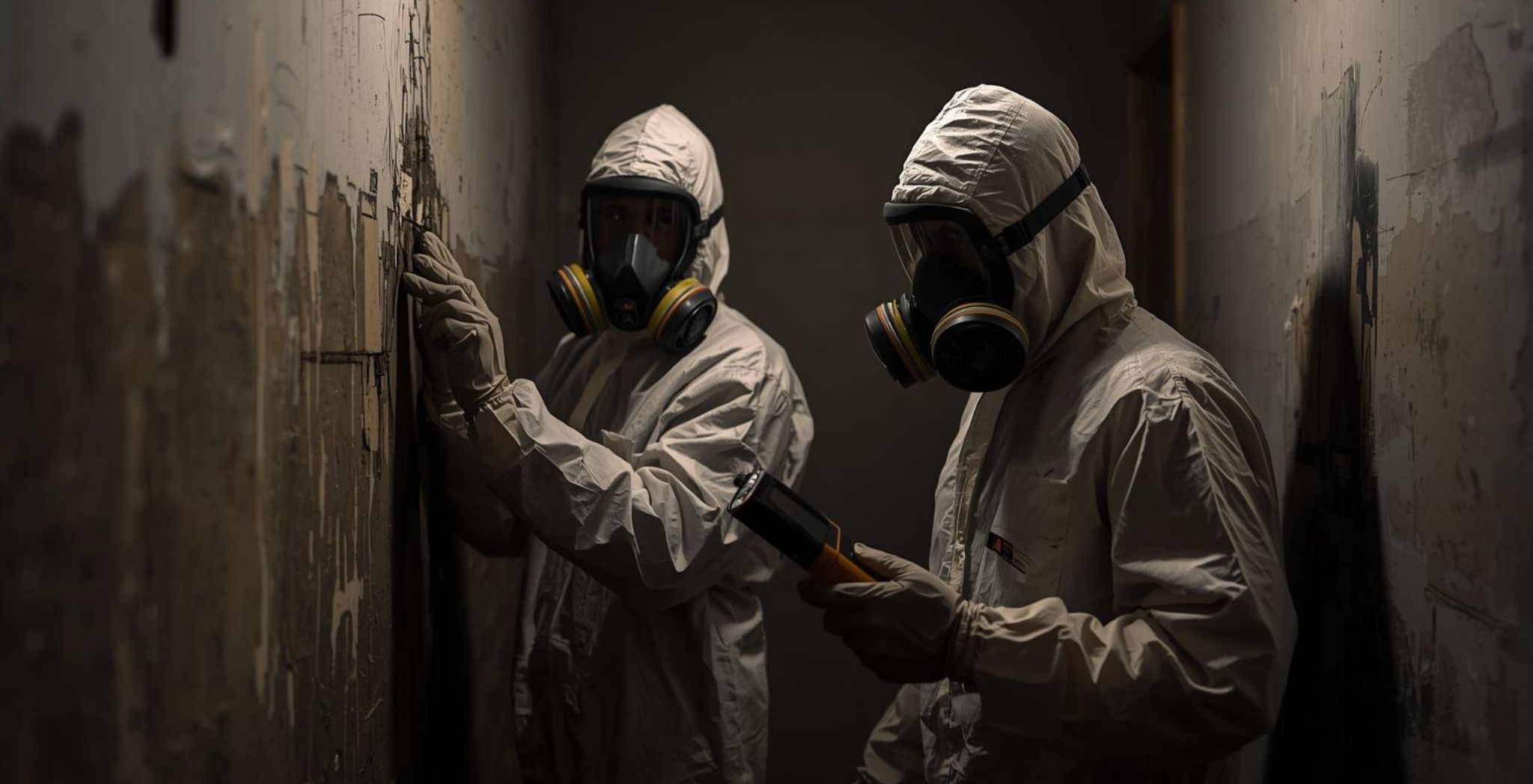
How to get tested for mold toxicity? Mold can be a silent invader in our homes and workplaces, often going unnoticed while it slowly impacts our health and the integrity of our buildings.
If you’ve been experiencing unexplained symptoms or suspect mold might be lurking, understanding how to get tested for mold toxicity is the first crucial step towards a healthier environment.
This blog will walk you through everything you need to know, from recognizing the signs to understanding the different testing methods and what to do once mold is confirmed.
Introduction: Unmasking the Hidden Threat
Imagine feeling unwell, rundown, or constantly battling allergies, but doctors can’t pinpoint the cause. Sometimes, the culprit isn’t a virus or a common allergen, but something far more insidious: mold toxicity. Mold isn’t just a dirty stain on a wall; certain types produce toxins that can severely impact human health.
The good news? You don’t have to live with the uncertainty. How to get tested for mold toxicity is a crucial step toward identifying the problem, understanding its extent, and taking effective action to protect yourself, your family, or your employees. By reading this guide, you’ll gain a clear understanding of when and how to get tested for mold toxicity, empowering you to create a safer, healthier space.
What Exactly is Mold Toxicity?
Mold toxicity, also known as mycotoxicosis, occurs when you’re exposed to mycotoxins produced by certain types of mold. These microscopic fungi release spores into the air, and if they find a damp, dark place with a food source, they can quickly colonize and produce these harmful substances.
The effects of mold toxicity can vary greatly from person to person, depending on the type of mold, the duration and level of exposure, and individual sensitivities. Common symptoms can range from mild annoyances to severe, chronic health issues. These often include:
- Respiratory Problems: Persistent cough, wheezing, shortness of breath, asthma flare-ups, and nasal congestion.
- Neurological Symptoms: Headaches, brain fog, memory issues, difficulty concentrating, and fatigue.
- Skin Irritations: Rashes, itching, or skin redness.
- Eye Irritation: Red, watery, or itchy eyes.
- Digestive Issues: Nausea, abdominal pain, or changes in appetite.
- Flu-like Symptoms: Aches, pains, and general malaise without a clear cause.
- Weakened Immune System: Increased susceptibility to infections.
If these symptoms sound familiar and seem to worsen when you’re in a particular building, it’s a strong signal that mold might be at play. Our Mold Investigation & Indoor Air Quality Assessment services are designed to pinpoint these hidden threats.
Why Testing for Mold Toxicity is Crucial
The impact of undetected mold can be profound, affecting both human health and the structural integrity of your property. For homeowners, it means potential chronic health issues for family members, reduced property value, and costly repairs down the line.
For business owners, it can lead to decreased employee productivity, increased sick days, potential lawsuits, and damage to reputation.
If you’re concerned, knowing how to get tested for mold toxicity can help you take the first step toward a resolution. Imagine a situation where employees are constantly complaining of headaches or fatigue, or students in a school are struggling with respiratory issues. These aren’t just minor inconveniences; they can indicate a serious underlying problem.
Prolonged exposure to mold without intervention can lead to more severe and difficult-to-treat health conditions.
Beyond health, mold actively degrades building materials. It feeds on organic matter like wood, drywall, and fabrics, weakening structures and causing significant damage over time.
This is why understanding the importance of air quality is paramount. Our HVAC Testing & Indoor Air Quality services help ensure your ventilation systems aren’t circulating harmful spores, but rather providing clean, healthy air.
Ignoring mold doesn’t make it go away; it only allows the problem to fester and grow more expensive to fix.
Signs You Should Get Tested for Mold Toxicity
Knowing when to act is critical. Here are the key indicators that suggest you should consider professional mold testing:
- Unexplained Health Symptoms: As mentioned earlier, if you or others in your home or business are experiencing chronic or unusual health problems that doctors can’t explain, and these symptoms seem to improve when you’re away from the building, mold exposure is a strong possibility.
- Visible Mold Growth: This is the most obvious sign. Mold can appear as fuzzy, slimy, or discolored patches (green, black, white, orange, or purple) on walls, ceilings, floors, or furniture. Even small patches can indicate a larger, hidden problem.
- Musty Odor: A persistent, earthy, or musty smell, even without visible mold, is a classic sign of mold growth. Mold often thrives behind walls or under flooring where it’s out of sight but not out of smell.
- Past or Present Water Damage: Any history of leaks, floods, burst pipes, or even persistent humidity creates an ideal environment for mold to flourish. If you’ve had Water Testing & Mold Remediation in the past, but symptoms have returned, a new assessment might be needed.
- High Humidity Levels: Areas with consistently high humidity (above 60%) are breeding grounds for mold.
- Condensation: Persistent condensation on windows, pipes, or walls can indicate moisture problems that fuel mold growth.
- Allergies or Asthma Worsening: If existing allergies or asthma suddenly become more severe or difficult to manage, mold exposure could be a trigger.
- Feeling Worse Indoors: If you feel better when you leave your home or office and worse when you return, your indoor environment might be compromised.
- Concerns from Others: If visitors or new occupants start experiencing symptoms, it adds to the evidence that your environment may be the cause.
For businesses and industrial settings, our Industrial Hygiene Assessment & Exposure Monitoring services can provide a comprehensive evaluation, proactively identifying potential mold hazards that could affect employees or products.
Types of Mold Testing Available
When it comes to mold testing, you have options, but not all are created equal. It’s crucial to understand the differences between them:
- Air Sampling: This method involves collecting air samples from various locations using specialized equipment to measure the concentration and types of mold spores present in the air. This helps determine if mold is actively releasing spores into your breathing zone.
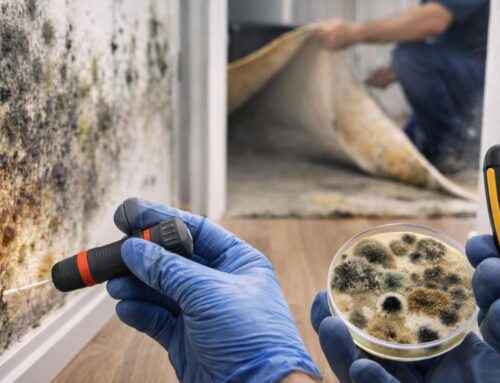
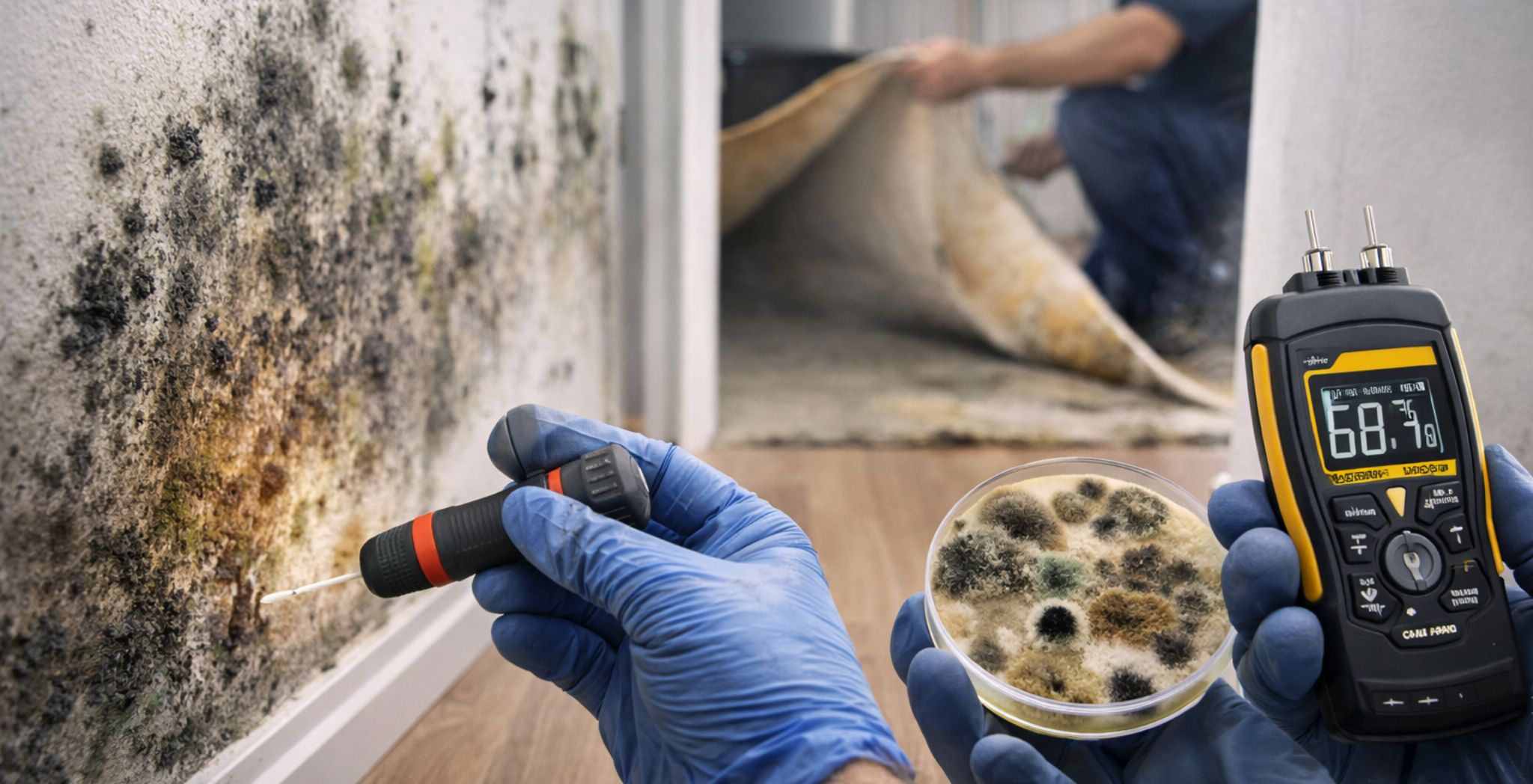
- Surface Sampling: This involves taking samples directly from suspected mold growth using swabs, tape lifts, or bulk samples (removing a piece of the material itself). This method is excellent for identifying the specific types of mold present and confirming visible growth.
- Bulk Sampling: Similar to surface sampling, but involves cutting out a small piece of the contaminated material (e.g., drywall, carpet) for laboratory analysis.
While DIY mold test kits are available, they often provide limited and sometimes misleading information. They might tell you if mold is present, but they rarely identify the specific species or quantity, nor do they provide a comprehensive understanding of the contamination’s extent or source. For accurate, reliable results, professional services are highly recommended.
For hidden mold, especially in hard-to-reach areas, our Remote Surface Sampling for Mold Contamination allows us to collect samples without invasive demolition, while our general Mold Investigation & Indoor Air Quality Assessment offers a holistic approach to detection.
How Professional Mold Testing is Conducted
A professional mold investigation is a systematic process designed to thoroughly assess your property for mold contamination. Here’s what you can expect:
- Initial Consultation: A certified mold inspector will discuss your concerns, symptoms, and any history of water damage.
- Visual Inspection: The inspector will conduct a thorough visual examination of your property, looking for visible mold growth, water stains, signs of moisture, and potential areas where mold could hide (e.g., behind furniture, in attics, basements, crawl spaces).
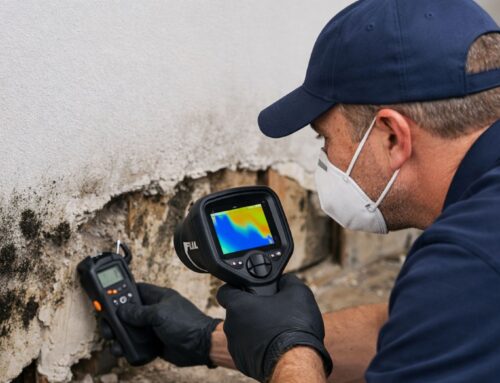
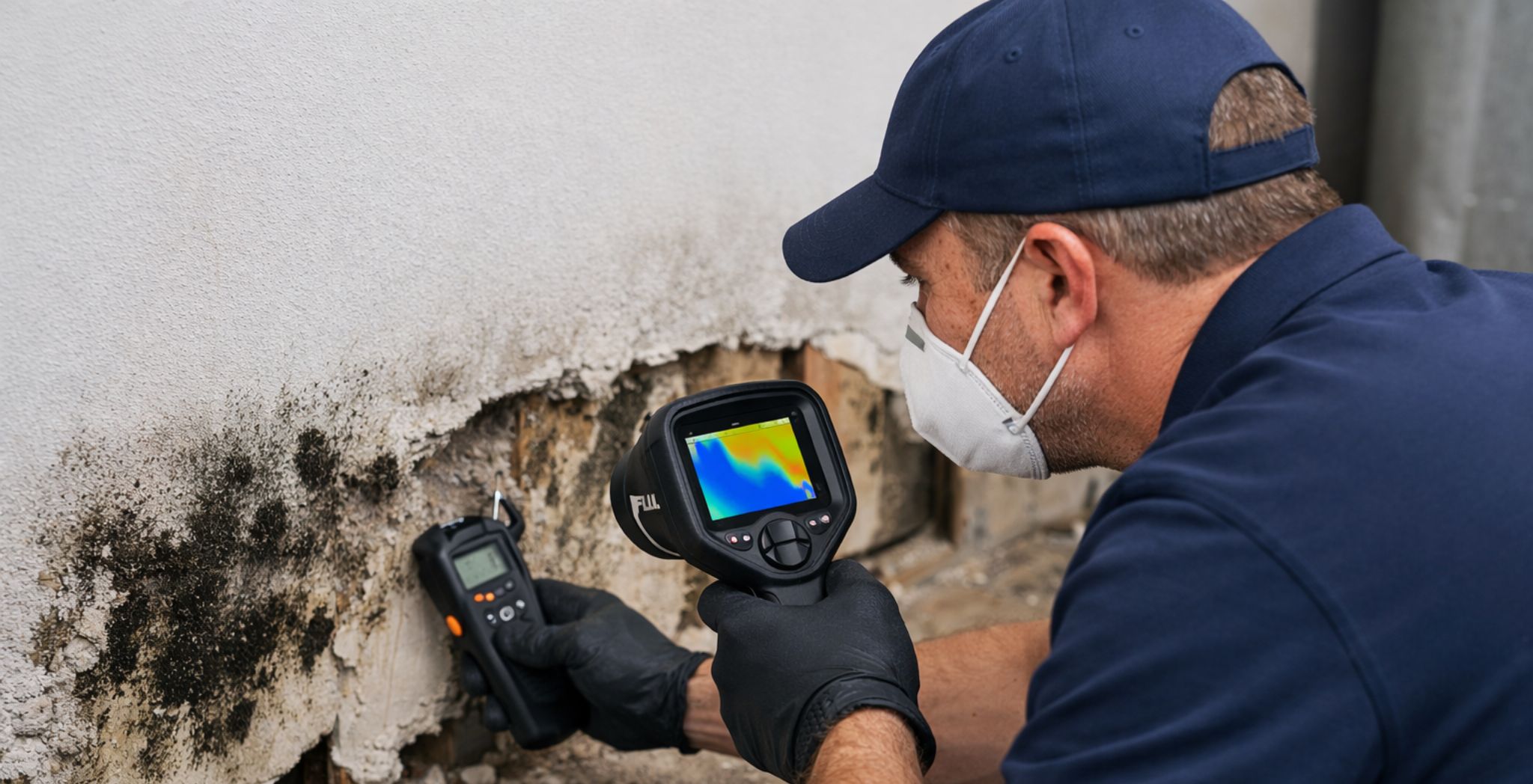
- Moisture Mapping: Using moisture meters and thermal imaging cameras, the inspector will identify hidden moisture sources within walls, ceilings, and flooring, which are prime conditions for mold growth.
- Sampling (If Necessary): Based on the visual inspection and moisture readings, the inspector will decide which sampling methods are most appropriate (air, surface, or bulk samples). These samples are then sent to an accredited laboratory for analysis.
- HVAC System Inspection: A crucial part of the process involves inspecting your heating, ventilation, and air conditioning (HVAC) system. Mold can easily colonize damp air ducts and then distribute spores throughout your entire property. Our dedicated HVAC Testing & Indoor Air Quality services ensure this critical system isn’t contributing to your mold problem.
- Report Generation: Once laboratory results are available, the inspector will compile a comprehensive report detailing their findings, including mold types and concentrations, identified moisture sources, and recommendations for remediation.
For specialized environments like laboratories or manufacturing facilities, we go a step further with Cleanroom Performance Testing & Certification to ensure the highest standards of air purity and mold prevention.
Interpreting Your Mold Toxicity Test Results
Receiving your mold test results can be a little overwhelming, but a professional report will typically break down the findings in an understandable way. Here’s what you should look for:
- Types of Mold Identified: The report will list the specific species of mold found (e.g., Aspergillus, Penicillium, Stachybotrys, Cladosporium). Different molds have different health implications, with some being more problematic than others.
- Concentration Levels: For air samples, the report will show the spore count per cubic meter for each mold type, often comparing indoor levels to outdoor control samples to determine if indoor levels are elevated.
- Location of Growth: For surface or bulk samples, the report will confirm the presence and type of mold on specific materials.
- Recommendations: The report should provide clear recommendations for the next steps, including whether remediation is needed, how extensive it should be, and what preventive measures you can take.
It’s important to remember that some level of mold spores is naturally present everywhere. The key is identifying elevated or unusual levels indoors, especially compared to outdoor samples. Your mold inspector will help you understand the significance of the findings and what they mean for your health and property.
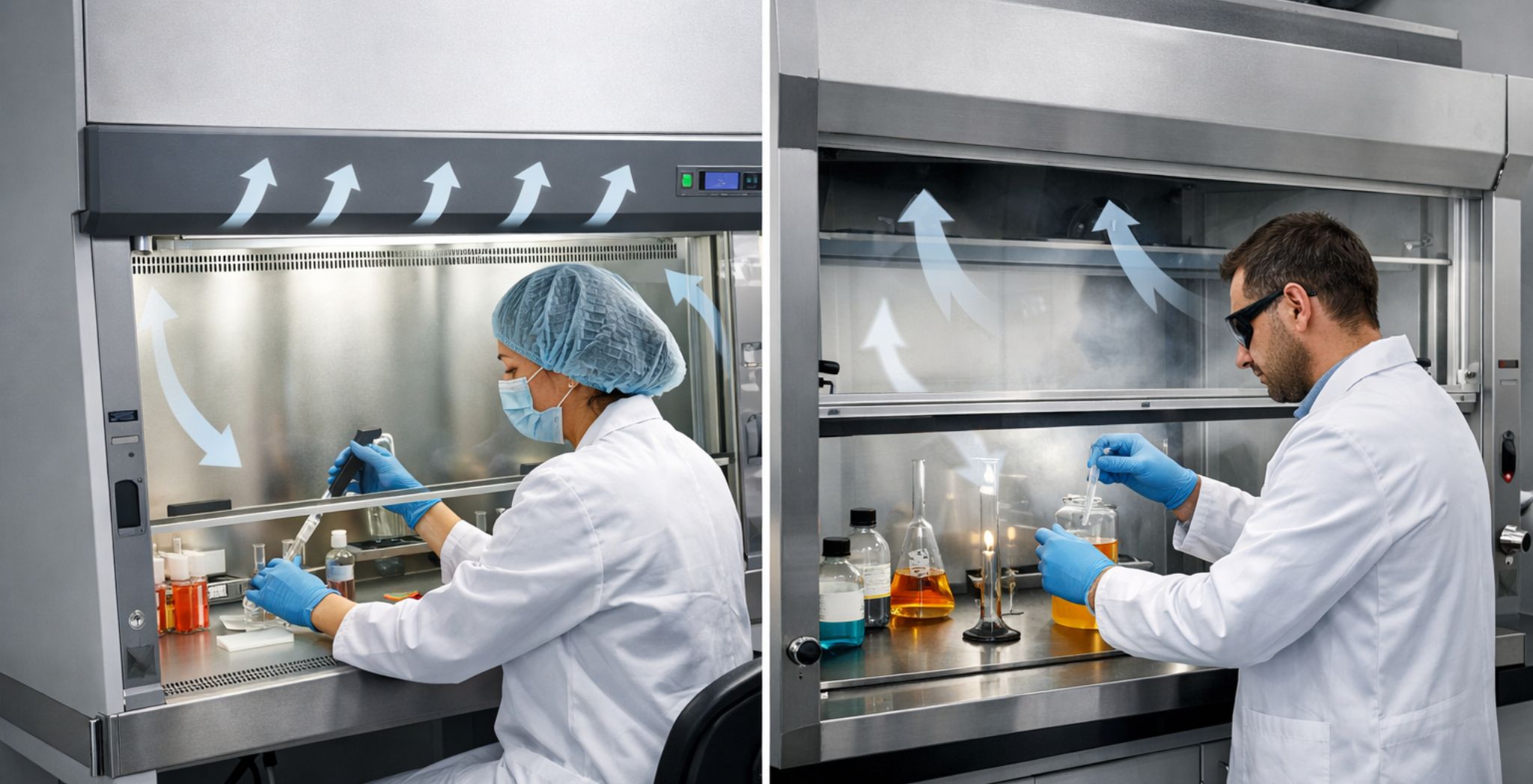
In highly controlled or specialized settings, understanding these results might involve considering factors like Biosafety Cabinet and Chemical Fume Hood Testing to ensure that environmental controls are effectively preventing mold growth and cross-contamination.
What Happens After Mold Toxicity is Confirmed?
If mold toxicity is confirmed through testing, the next steps are crucial for ensuring a safe and healthy environment. This typically involves remediation and prevention:
- Develop a Remediation Plan: Based on the test results and the inspector’s recommendations, a detailed plan for mold removal will be created. This plan should outline the scope of work, safety precautions, and methods to be used.
- Containment: To prevent the spread of mold spores during remediation, affected areas are often contained using plastic sheeting and negative air pressure.
- Removal of Contaminated Materials: Porous materials like drywall, carpet, and insulation that are heavily contaminated often need to be safely removed and disposed of. Non-porous materials may be cleaned and disinfected.
- Cleaning and Disinfection: All affected surfaces are thoroughly cleaned and treated with EPA-approved antimicrobial solutions.
- Moisture Control: Addressing the source of moisture is paramount. This might involve repairing leaks, improving drainage, fixing plumbing issues, or implementing dehumidification. Our Water Testing & Mold Remediation services specifically target these issues.
- HVAC System Cleaning: If the HVAC system was identified as a source or pathway for mold, it will need professional cleaning, and potentially HEPA Filter Testing & Replacement Services to ensure air purification. HEPA filters are essential for capturing microscopic mold spores.
- Post-Remediation Verification: After remediation, another round of mold testing (post-remediation verification) is highly recommended to confirm that the mold has been successfully removed and spore levels are back to normal.
- Preventive Measures: Implement ongoing strategies to prevent future mold growth, such as controlling humidity, ensuring proper ventilation, and promptly addressing any water leaks.
Our comprehensive Mold Investigation & Indoor Air Quality Assessment services can guide you through this entire process, from initial detection to confirming successful remediation.
Conclusion: Take Control of Your Indoor Environment
Mold toxicity can pose serious risks to your health and property. Early detection is key to addressing the issue effectively.
If you suspect mold in your home or business, Health System Sciences LLC offers expert mold investigations and indoor air quality assessments to identify and resolve the problem.
Contact Us today for a comprehensive assessment and take the first step toward a healthier, mold-free environment.




Leave A Comment