

Every day, millions of workers go to their jobs factories, laboratories, construction sites, and hospitals trusting that the air they breathe and the environment they work in is safe. However, invisible threats like chemical vapors, microscopic dust, loud noise, and biological agents can linger in the air. This is where an industrial hygiene exposure assessment becomes the most critical tool in your safety arsenal.
At its core, an exposure assessment is a systematic evaluation of the risks present in a work environment. It isn’t just a “check-the-box” exercise for compliance; it is a life-saving strategy designed to identify, evaluate, and control hazards before they lead to chronic illness or injury. By understanding exactly what employees are exposed to, organizations can implement smarter safety protocols, protect their most valuable assets their people and ensure long-term business continuity.
What Is Industrial Hygiene Exposure Assessment?
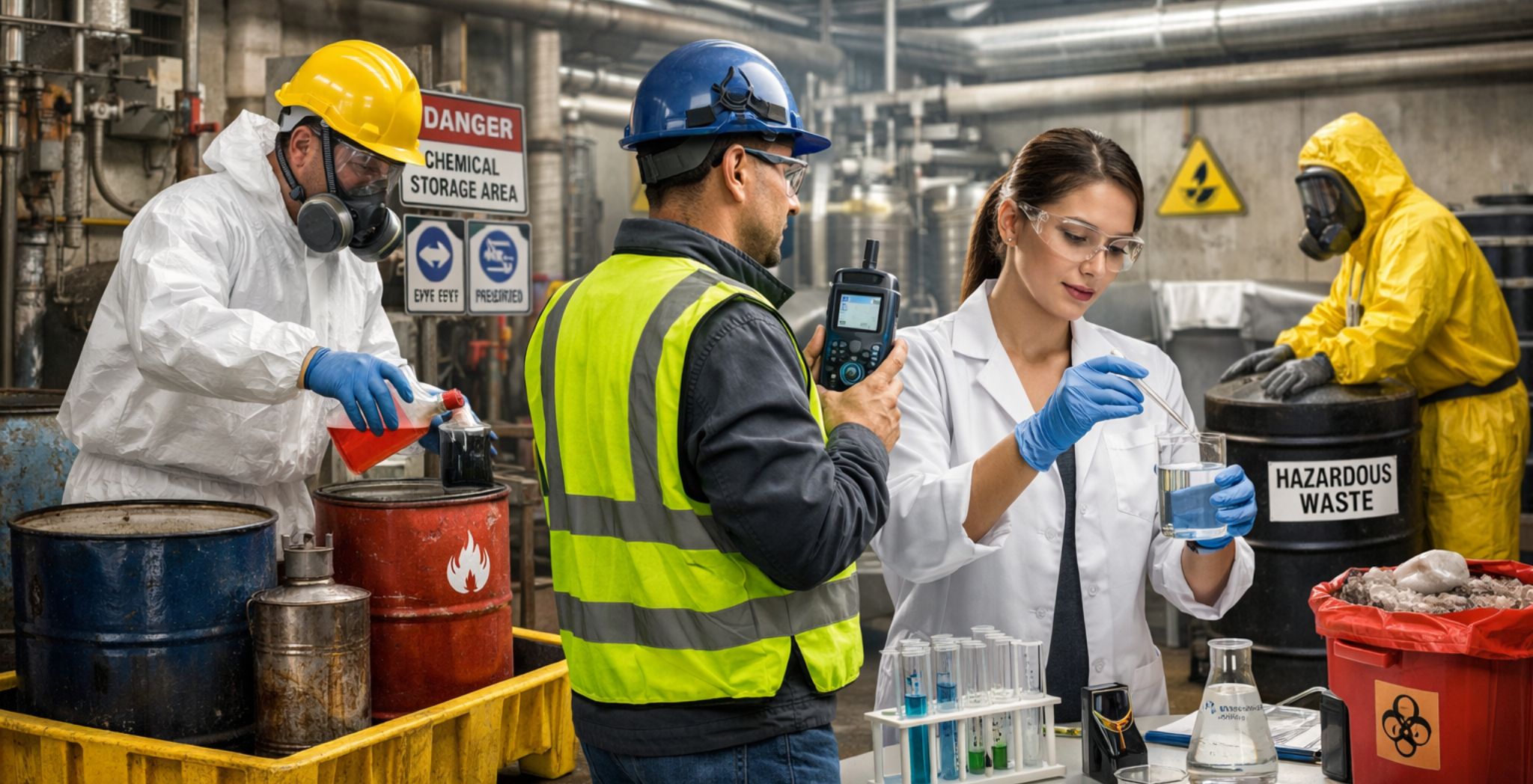
An industrial hygiene assessment is the scientific process of identifying and quantifying the stressors in a workplace. These stressors are generally categorized into four groups: chemical (fumes, gases), physical (noise, radiation, heat), biological (mold, bacteria), and ergonomic (repetitive strain).
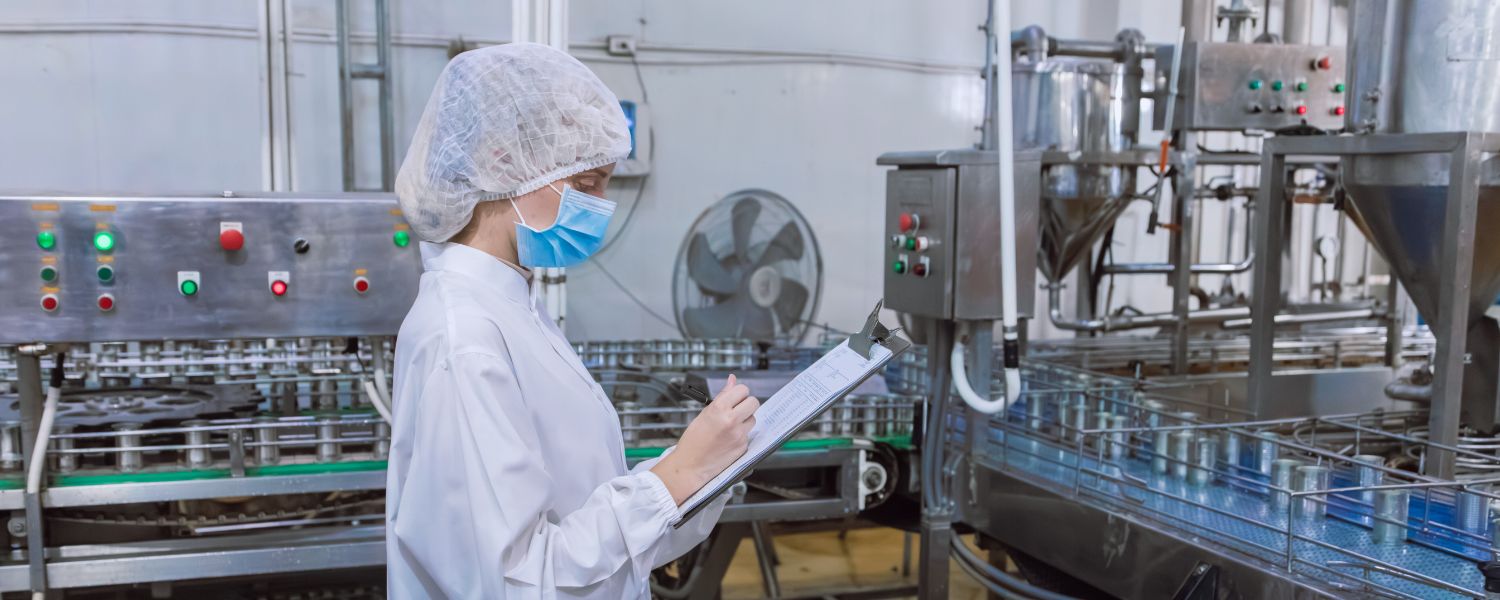
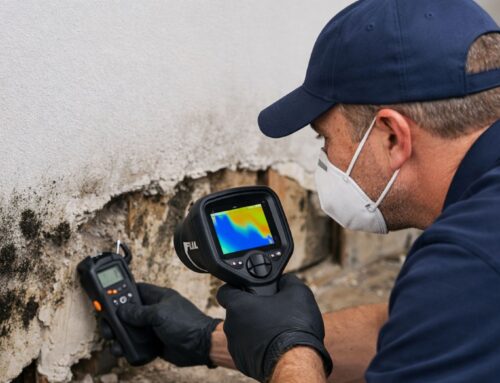
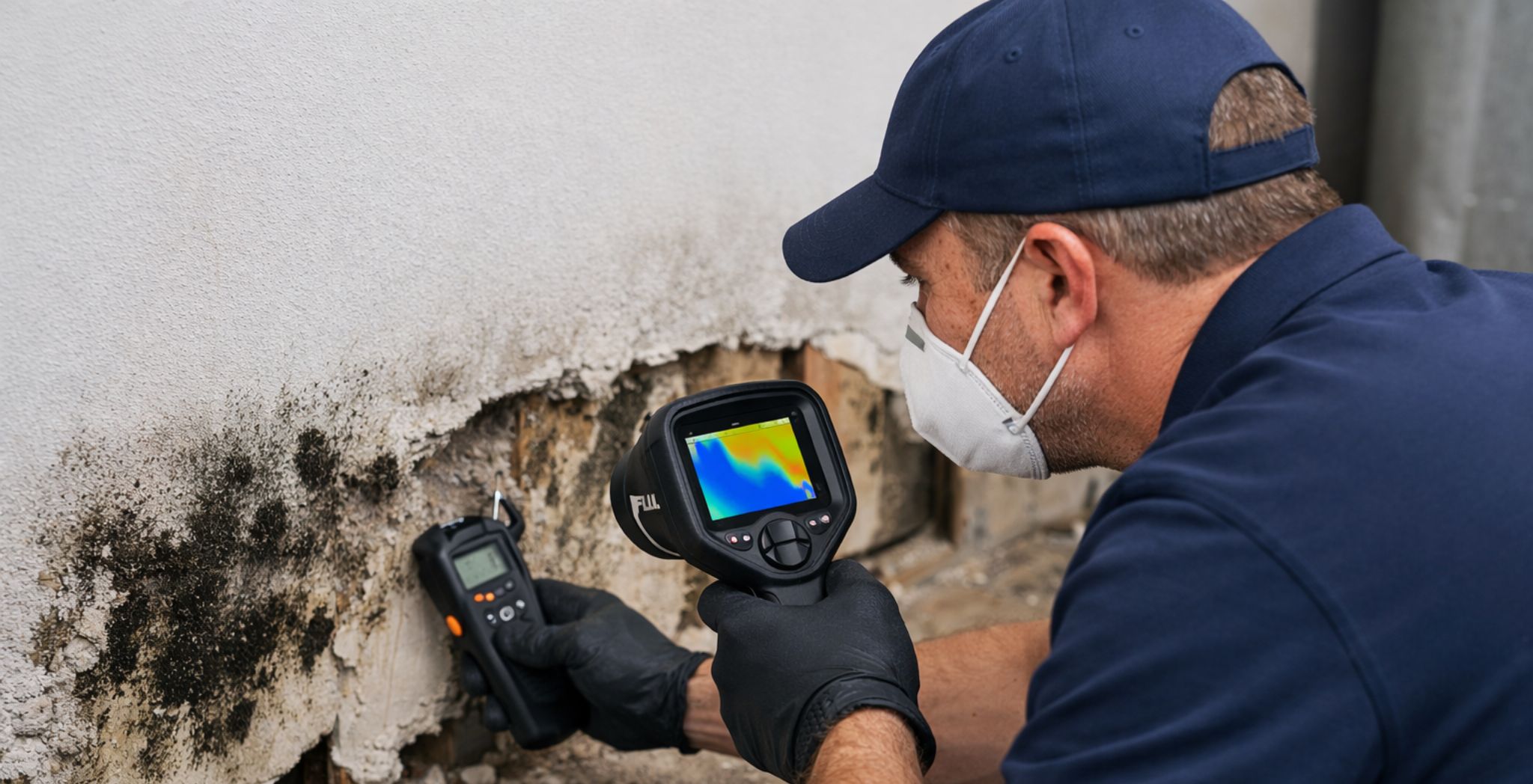
Industrial hygienists are the “detectives” of the workplace. They don’t just look at what is obvious; they use specialized tools to measure things the human eye can’t see. For example, during an assessment, a specialist might use wearable pumps to collect air samples near a worker’s breathing zone or use sound-level meters to map out noise hazards in a manufacturing plant.
The ultimate goal of an industrial hygiene assessment is to determine if exposure levels exceed the limits set by regulatory bodies like OSHA (Occupational Safety and Health Administration) or recommended by groups like the ACGIH (American Conference of Governmental Industrial Hygienists). Protecting employees from harmful exposure is not just a legal obligation; it is a moral imperative that fosters a culture of trust and productivity.
Importance of Industrial Hygiene Risk Assessment
Risk is a part of any industrial operation, but it must be managed. An industrial hygiene risk assessment is the strategic framework used to prioritize which hazards need the most attention. Without a formal risk assessment, a company might spend thousands of dollars on high-tech ventilation for a low-risk area while completely ignoring a silent chemical hazard in another department.
Identifying Workplace Hazards
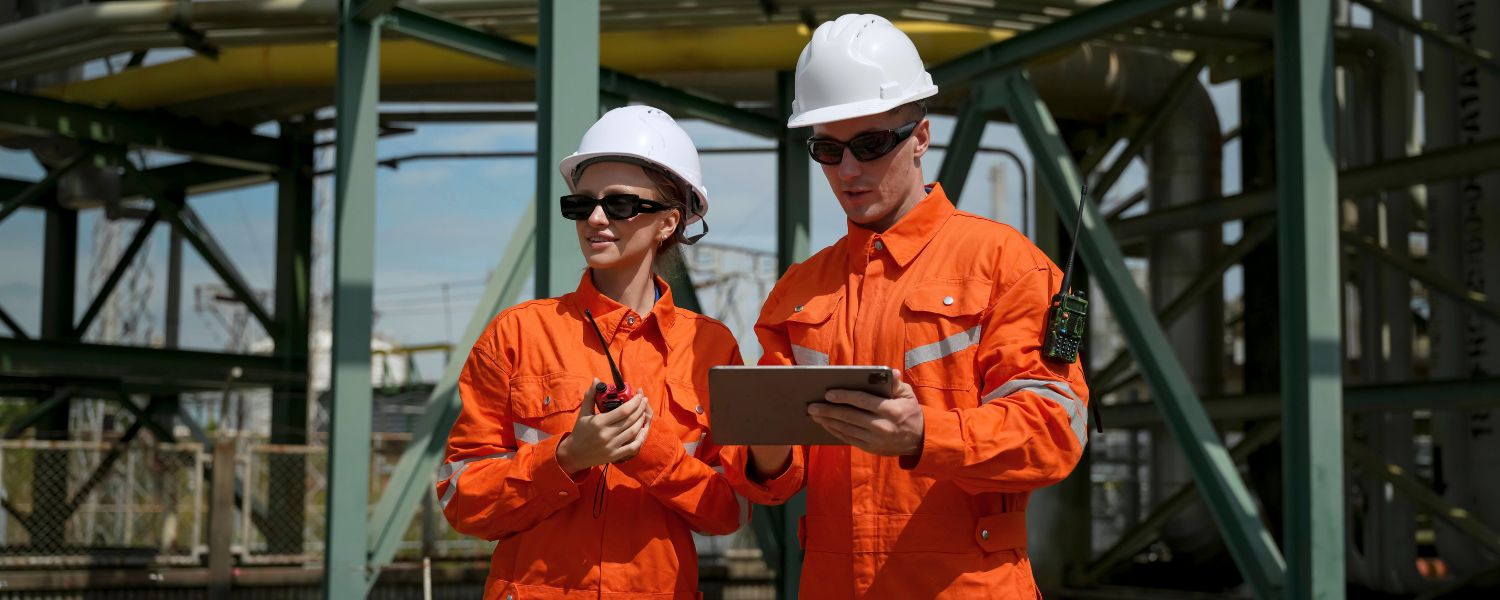
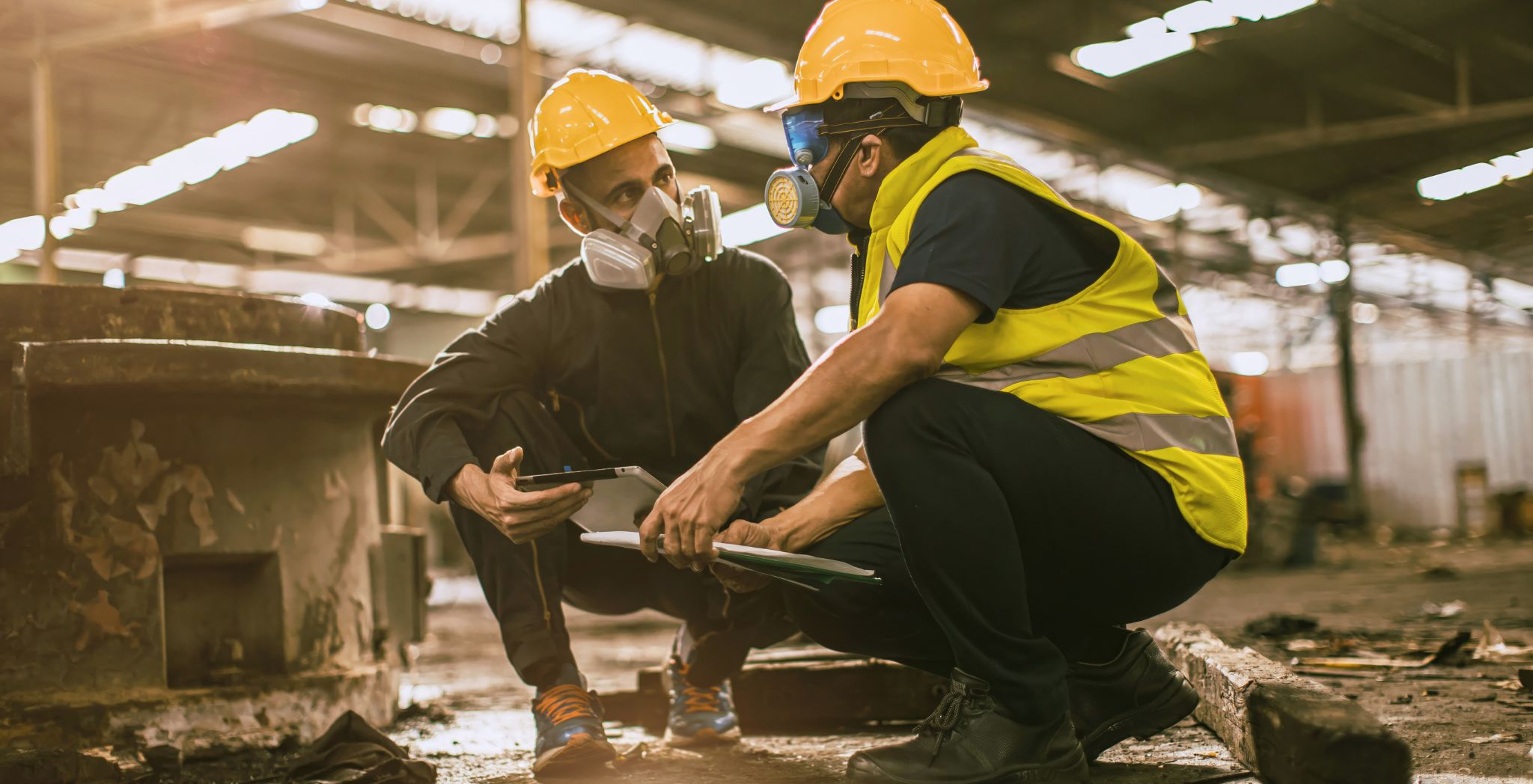
The process begins with a “walk-through” survey. This allows the hygienist to observe work processes, interview employees, and note the chemicals or machinery in use. By categorizing these hazards, businesses can understand the potential severity of an incident.
Evaluating Employee Exposure Levels
Once hazards are identified, the industrial hygiene risk assessment moves into the measurement phase. This provides hard data. For instance, if a worker is exposed to lead dust, the assessment determines the exact concentration in the air over an eight-hour shift. This data is compared against “Permissible Exposure Limits” (PELs).
Preventing Long-Term Health Risks
Many workplace illnesses, such as silicosis, hearing loss, or occupational asthma, take years to develop. A thorough risk assessment acts as a preventative shield, identifying “near-miss” exposure levels today to prevent a debilitating diagnosis ten years down the road.
Important Safety Warning:
Ignoring potential workplace hazards can have serious consequences for both your employees’ health and your business operations. Exposure to harmful chemicals, noise, or biological agents without proper monitoring and controls may lead to chronic health conditions, legal penalties, and financial losses. Ensure your workplace is compliant with safety standards by scheduling a professional industrial hygiene exposure assessment today.
Methods Used in Industrial Hygiene Exposure Assessments
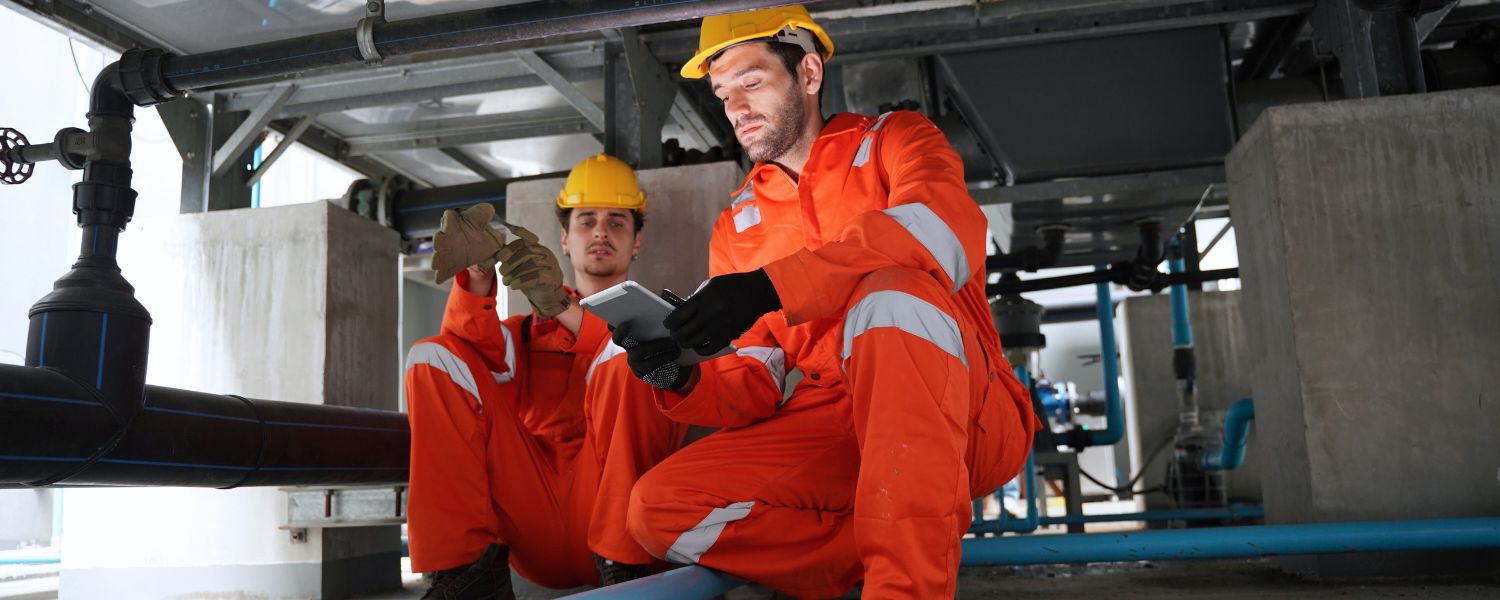
To get accurate results, industrial hygienists follow a rigorous methodology. A standard industrial hygiene exposure assessment typically involves the following steps:
Air Sampling and Exposure Monitoring
This is the most common method for assessing chemical and dust hazards. It involves using calibrated pumps and filters to capture contaminants from the air. This data tells the company exactly what the “Time-Weighted Average” (TWA) of exposure is for a specific role.
Workplace Hazard Identification
This involves reviewing Safety Data Sheets (SDS), analyzing the flow of materials through a facility, and identifying “worst-case” scenarios where a leak or spill could lead to dangerous levels of exposure.
Employee Exposure Evaluation
This method focuses on the person rather than the room. Personal monitoring involves placing sensors on the employee to see what they encounter as they move throughout their shift. This is often more accurate than stationary “area” monitoring.
Data Analysis and Risk Evaluation
After the samples are collected, they are sent to accredited laboratories. The hygienist then interprets these results, considering factors like ventilation efficiency and the effectiveness of current Personal Protective Equipment (PPE).
Environmental Assessments and Workplace Safety
Workplace safety doesn’t exist in a vacuum; the environment outside the factory walls is often just as important. Comprehensive environmental assessments and consulting services bridge the gap between internal employee safety and external environmental protection.
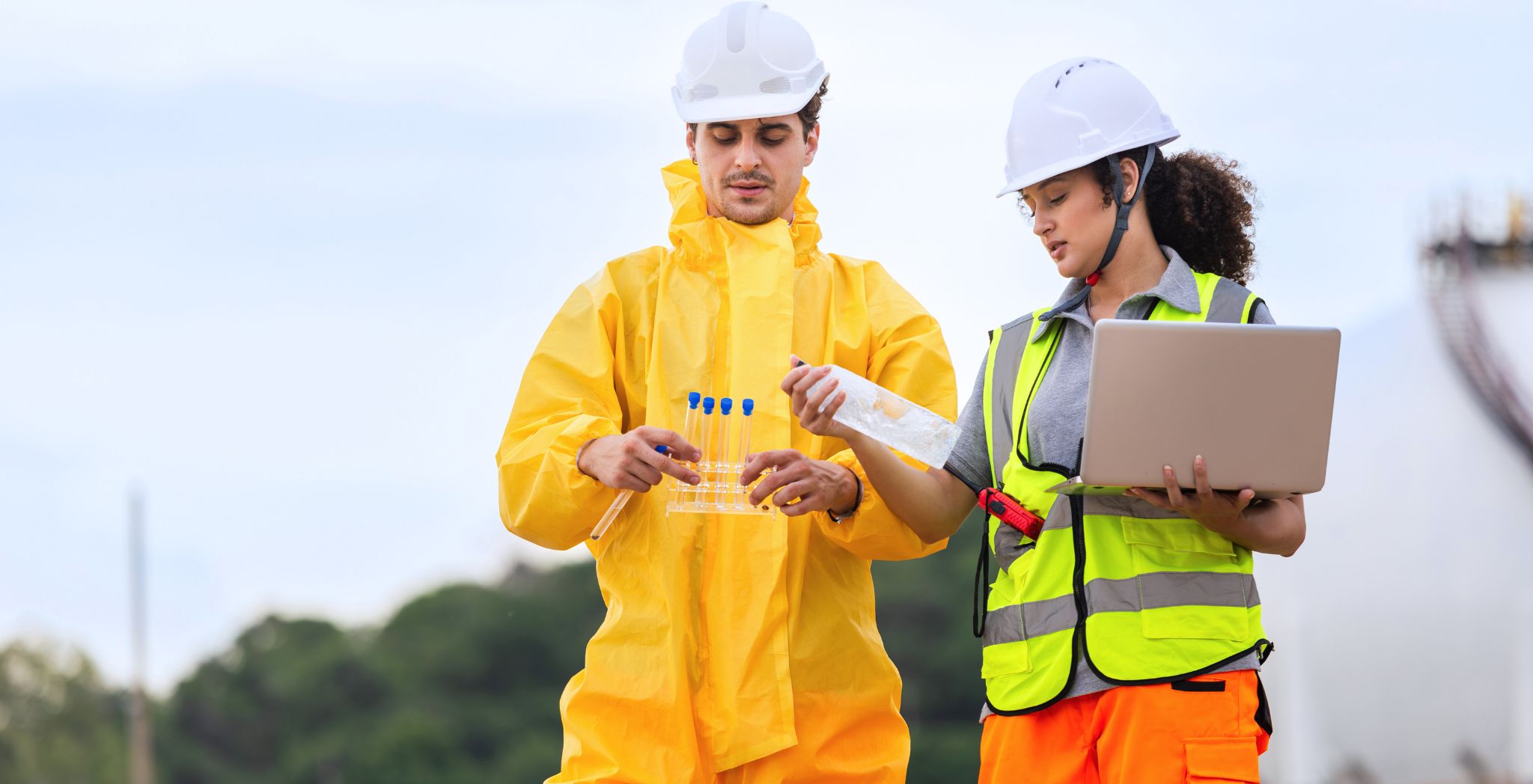
Many industrial projects require environmental impact assessments (EIAs) before they can even begin operations. These studies look at how a facility might affect local air quality, water sources, and soil. Furthermore, in modern global business, environmental and social impact assessments are becoming the gold standard. These evaluations look at how a business affects the health of the surrounding community and its workforce simultaneously.
By integrating these environmental evaluations with industrial hygiene programs, businesses can maintain strict safety standards and regulatory compliance. It ensures that while you are protecting your workers inside, you aren’t creating a hazard for the community outside.
Role of Industrial Hygiene Assessment in Compliance and Risk Prevention
Compliance is often the primary driver for seeking an industrial hygiene assessment, but the benefits go far beyond avoiding fines.
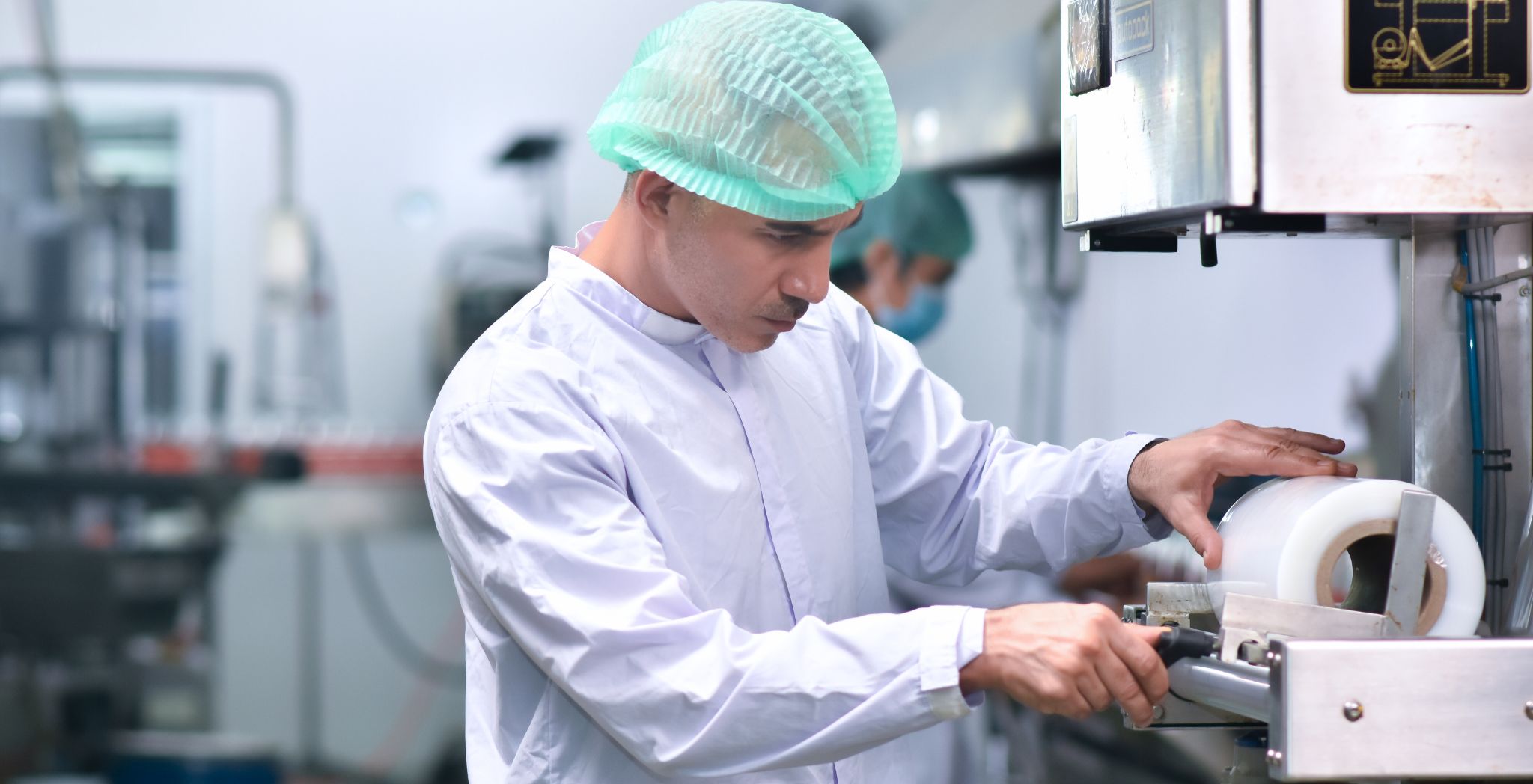
- OSHA Compliance: OSHA mandates that employers provide a workplace free from recognized hazards. Regular assessments provide the documentation needed to prove you are meeting or exceeding these legal standards.
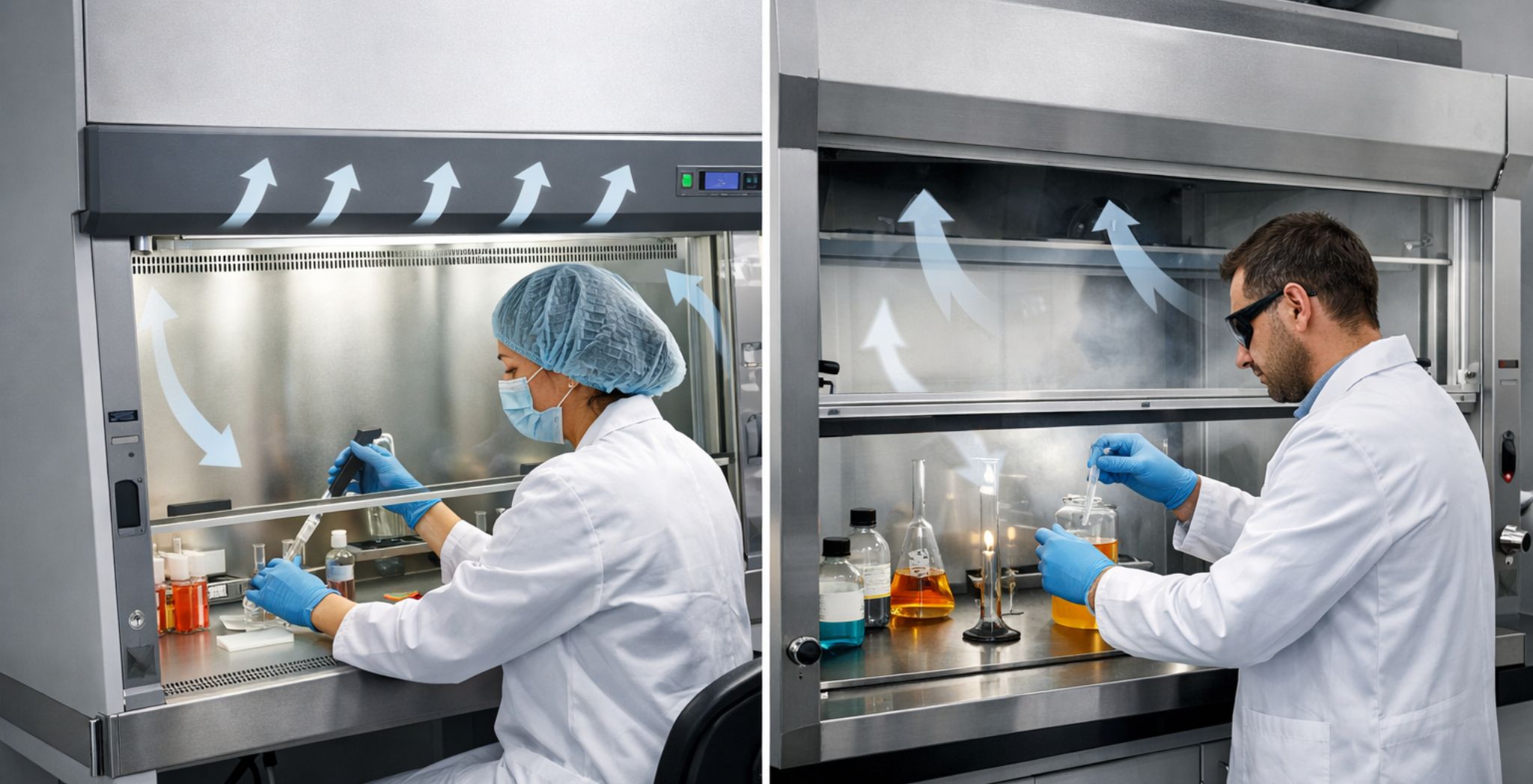
- Workplace Hazard Control: Once an assessment identifies a problem, the hygienist recommends controls. This follows the “Hierarchy of Controls,” prioritizing elimination and engineering (like better ventilation) over simply handing out masks.
- Long-Term Prevention: By documenting exposure levels over time, companies can spot trends. If exposure levels are slowly creeping up, it may indicate that a machine is failing or a ventilation filter needs replacing.
Take Action: Secure Your Workplace Today
Is your facility truly safe, or are you just hoping for the best? Protecting your team requires more than just a safety manual; it requires the precision of industrial hygiene experts.
At [Company Name], we provide comprehensive industrial hygiene consulting services tailored to your specific industry. From high-tech industrial hygiene monitoring to specialized industrial hygiene testing in accredited labs, we give you the data you need to breathe easy. Don’t leave your compliance and employee health to chance.
Contact our team of specialists today to schedule your assessment and ensure your business is protected.
Frequently Asked Questions (FAQs)
Q.1 What exactly is an industrial hygiene exposure assessment, and do I need one?
An industrial hygiene exposure assessment is a professional deep-dive into your workspace to measure chemical, physical, and biological hazards. If your business involves chemicals, loud machinery, dust, or specialized laboratory work, you likely need one. Our industrial hygiene experts can perform an initial walkthrough to determine exactly which areas of your facility require formal monitoring to keep you compliant.
Q.2 Why is industrial hygiene monitoring better than just using PPE?
While masks and earplugs are important, industrial hygiene monitoring provides the scientific proof that your safety measures are actually working. Without monitoring, you are just guessing. Our industrial hygiene consulting services help you move beyond “guessing” by providing real-time data that shows where your risks are, allowing you to implement better engineering controls that can save you money on PPE in the long run.
Q.3 What does the industrial hygiene testing process look like?
The process is non-disruptive but thorough. It typically involves industrial hygiene testing methods like air sampling, noise dosimetry, and surface swabbing. We use state-of-the-art equipment to capture data during a standard workday. Once the testing is complete, our industrial hygiene companies provide a detailed report with actionable steps to mitigate any risks found.
Q.4 How do I know if I’m hiring the right industrial hygiene companies?
You should always look for a partner that employs professionals with a recognized industrial hygiene certification (such as a CIH Certified Industrial Hygienist). Certification ensures that the experts handling your safety have the rigorous training and ethical standing required to protect your staff. Our team at Health System Science LLC consists of certified specialists who stay updated on the latest OSHA and local regulations to keep your business ahead of the curve.
Ensure a Safe and Compliant Workplace Today
Protect your employees and your business with a comprehensive industrial hygiene exposure assessment. Our team of certified specialists provides precise, actionable data to help you manage workplace hazards effectively and maintain compliance. Don’t leave your safety to chance partner with us to secure a healthier, safer environment.
Conclusion
A safe workplace is the foundation of a successful business. Utilizing an industrial hygiene exposure assessment is the most effective way to identify hidden dangers and implement a proactive safety culture. By controlling hazards today, you prevent the high costs of legal fines, insurance hikes, and, most importantly, employee illness.
Maintaining a compliant and healthy environment is a complex task, but you don’t have to do it alone. By partnering with industrial hygiene experts, you gain access to specialized industrial hygiene monitoring and industrial hygiene testing that ensures your facility meets the highest safety standards.


Leave A Comment