

We spend roughly 90% of our lives indoors. Whether you are hunkered down at your home office desk or collaborating with colleagues in a high-rise building, the air you breathe is being processed, cooled, and heated by an HVAC (Heating, Ventilation, and Air Conditioning) system.
But here is the million-dollar question: When was the last time you checked what else that system is circulating besides air?
HVAC air quality testing is the invisible shield that protects your health, comfort, and productivity. In this guide, we will talk about why testing is essential, how it works, and how you can ensure your environment remains a sanctuary of health.
What is HVAC Air Quality Testing?
At its core, HVAC air quality testing is a comprehensive evaluation of the air within a building as it relates to the HVAC system’s performance. It isn’t just about checking the temperature; it is a scientific assessment of pollutants, humidity levels, and airflow.
While standard indoor air quality testing looks at the general environment, HVAC air quality testing specifically investigates how the mechanical system contributes to or mitigates air pollution. It involves checking for:
- Particulate Matter: Dust, dander, and pollen trapped in filters or ducts.
- Biological Contaminants: Mold spores, bacteria, and viruses breeding in drip pans or coils.
- Chemical Pollutants: Volatile Organic Compounds (VOCs) or carbon monoxide leaks.
By focusing on the “lungs” of your building—the HVAC system—professional testing identifies the source of air issues rather than just the symptoms.
Why HVAC Air Quality Testing is Essential for Health and Safety
You wouldn’t drink water from a rusty, dirty pipe, so why breathe air from a contaminated duct? The health of your HVAC system is directly linked to your physical well-being.
1. Respiratory Health and Allergies
For those with asthma or chronic obstructive pulmonary disease (COPD), poor air quality can be debilitating. HVAC systems can act as a delivery mechanism for allergens. HVAC mold and allergen testing ensures that your system isn’t actively making you sick by blowing spores directly into your living space.
2. Preventing “Sick Building Syndrome”
In commercial settings, poor ventilation leads to “Sick Building Syndrome,” where occupants experience headaches, fatigue, and eye irritation that seem to disappear once they leave the premises. Regular residential and commercial HVAC testing prevents these productivity-killing issues.
3. Long-term Safety
Carbon monoxide leaks or excessive chemical buildup from poorly maintained systems can be life-threatening. Testing provides a “safety check” that ensures your furnace and ventilation systems are venting harmful gases outside where they belong.
Common Indoor Air Quality Issues in HVAC Systems
Many people assume that because they change their filters, their air is clean. Unfortunately, the HVAC system is a complex network where many things can go wrong.
- Mold Growth in Coils: Dark, damp evaporator coils are the perfect breeding ground for mold. As air passes over these coils, it picks up spores and distributes them.
- Accumulated Dust in Ducts: Over years, ducts collect “debris blankets.” These not only harbor dust mites but also restrict airflow, forcing your system to work harder.
- Inadequate Fresh Air Intake: Modern buildings are often “too tight” for energy efficiency. Without proper HVAC air quality testing, you might not realize your system isn’t pulling in enough outdoor air to dilute indoor pollutants.
- High Humidity: If an HVAC system isn’t properly dehumidifying, it creates a “swamp” environment that encourages bacterial growth.
The Benefits of HVAC Air Quality Testing
Investing in professional air quality testing isn’t just a health choice; it’s a financial one.
Enhanced System Longevity
When your air is clean, your system stays clean. Dust and debris act as sandpaper on moving parts. By identifying air quality issues early, you can schedule air duct cleaning and testing, reducing the wear and tear on your expensive HVAC components.
Energy Efficiency and Cost Savings
A clogged filter or a dirty blower motor requires more electricity to move air. Testing identifies these bottlenecks. Often, the cost of testing is offset within a year by the savings on your monthly utility bills.
Peace of Mind
There is an intangible value in knowing that the air your children or employees breathe is safe. Clean HVAC air systems contribute to better sleep, higher focus, and an overall sense of comfort.
How HVAC Air Quality Testing Works
If you decide to book a professional test, here is what the process typically looks like:
- Visual Inspection: A technician will examine the furnace, AC coils, drip pans, and ductwork for visible signs of mold or debris.
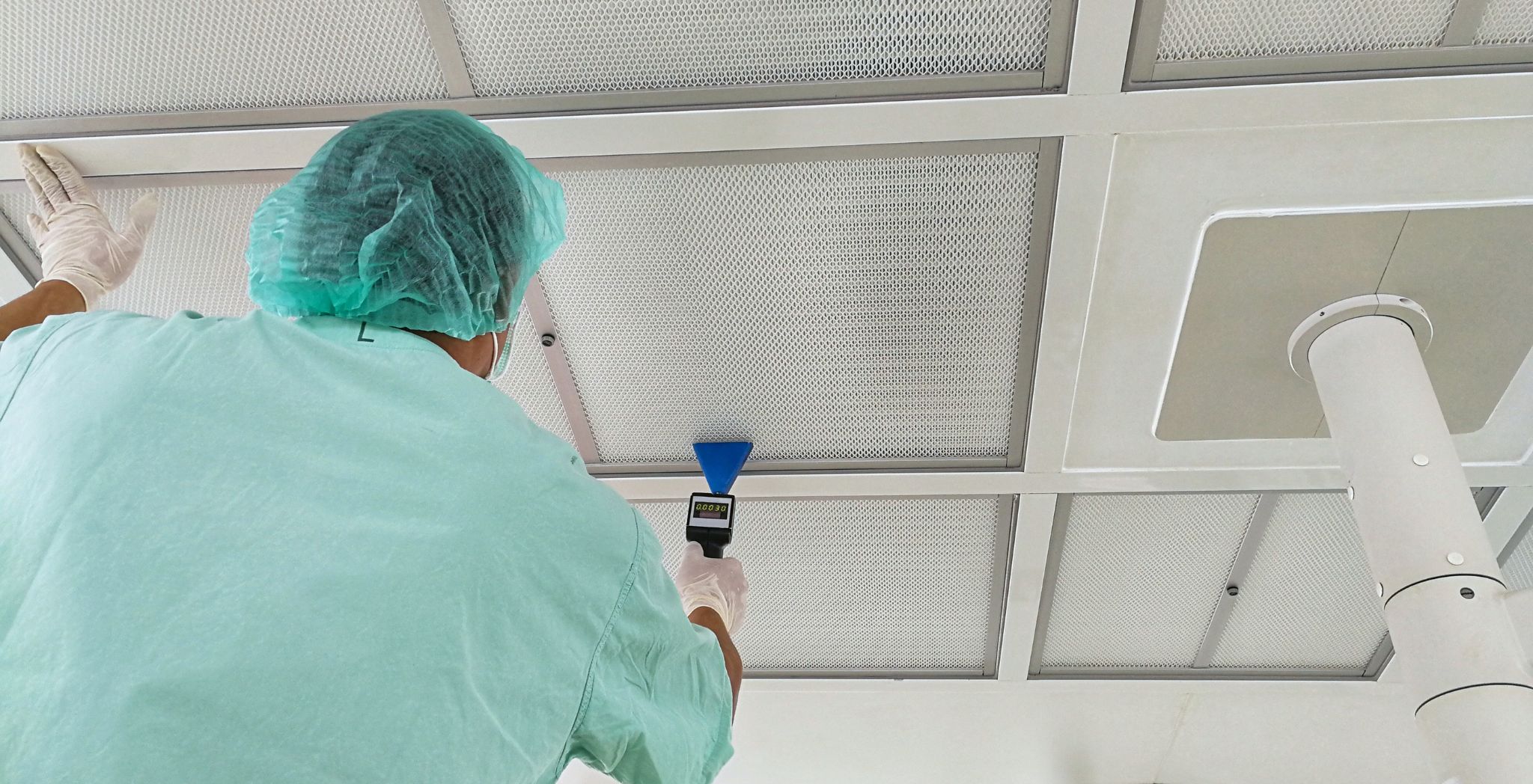
- Air Sampling: Using specialized equipment, the pro will take air samples from different zones in the building to count particulates and identify specific pollutants.
- Pressure and Airflow Testing: They will measure if the air is moving correctly through the vents. Poor pressure often indicates a blockage.
- Laboratory Analysis: For biological concerns, samples are sent to a lab to identify specific types of mold or bacteria.
- Reporting: You receive a detailed report outlining the findings and a list of indoor air quality solutions tailored to your specific needs.
Signs Your HVAC System Needs Air Quality Testing
How do you know it’s time to call in the experts? Look for these “red flags”:
- Unusual Odors: A “musty” or “dirty sock” smell when the AC turns on is a classic sign of mold or bacterial growth.
- Visible Dust: If you find yourself dusting your furniture every two days, your HVAC system is likely circulating high levels of particulate matter.
- Increased Allergy Symptoms: Frequent sneezing, itchy eyes, or sore throats while indoors are clear indicators that HVAC air pollution testing is required.
- Uneven Temperatures: If some rooms feel stuffy or humid while others are cold, your ventilation is failing, which usually correlates with poor air quality.
The Role of Professional Testing in Maintaining HVAC Systems
While there are DIY air quality monitors available at hardware stores, they often lack the precision needed for a deep dive into your HVAC system. Professional air quality testing provides a level of detail that DIY kits simply can’t match.
Experts don’t just tell you the air is bad; they tell you why. Is it a leak in the return duct? Is the MERV rating on your filter too low? Professionals provide the roadmap for HVAC system maintenance that keeps the air pure for years to come.
Conclusion: Take a Deep Breath of Truly Clean Air
Your HVAC system should be a source of comfort, not a source of pollutants. By prioritizing HVAC air quality testing , you take a proactive step toward a healthier home and a more efficient workplace. From lowering energy costs to protecting respiratory health, the benefits are undeniable.
At Health System Sciences LLC, we help identify hidden air quality issues within HVAC systems through expert testing and data-driven insights, ensuring cleaner, safer indoor environments.
Don’t wait for a persistent cough or a rising energy bill to signal a problem. Partner with us to ensure your indoor “lungs” are functioning at their peak.



Leave A Comment