

The air we breathe inside our homes and workplaces should be a source of life, not a cause for concern. However, mold a silent, often invisible intruder can compromise indoor air quality, damage structural integrity, and trigger significant health issues. While a small patch of mildew in a shower might seem like a minor nuisance, mold problems are often like icebergs: what you see on the surface is only a fraction of the reality.
This is where professional mold detection services come into play. Understanding the scope of an infestation requires more than just a flashlight and a spray bottle; it requires scientific precision, specialized equipment, and expert analysis.
What Are Professional Mold Detection Services?
Professional mold detection is a comprehensive process used to identify the presence, type, and concentration of mold within a building. Unlike a simple visual check, these services involve a systematic evaluation of the indoor environment.
Certified mold detection services typically include:
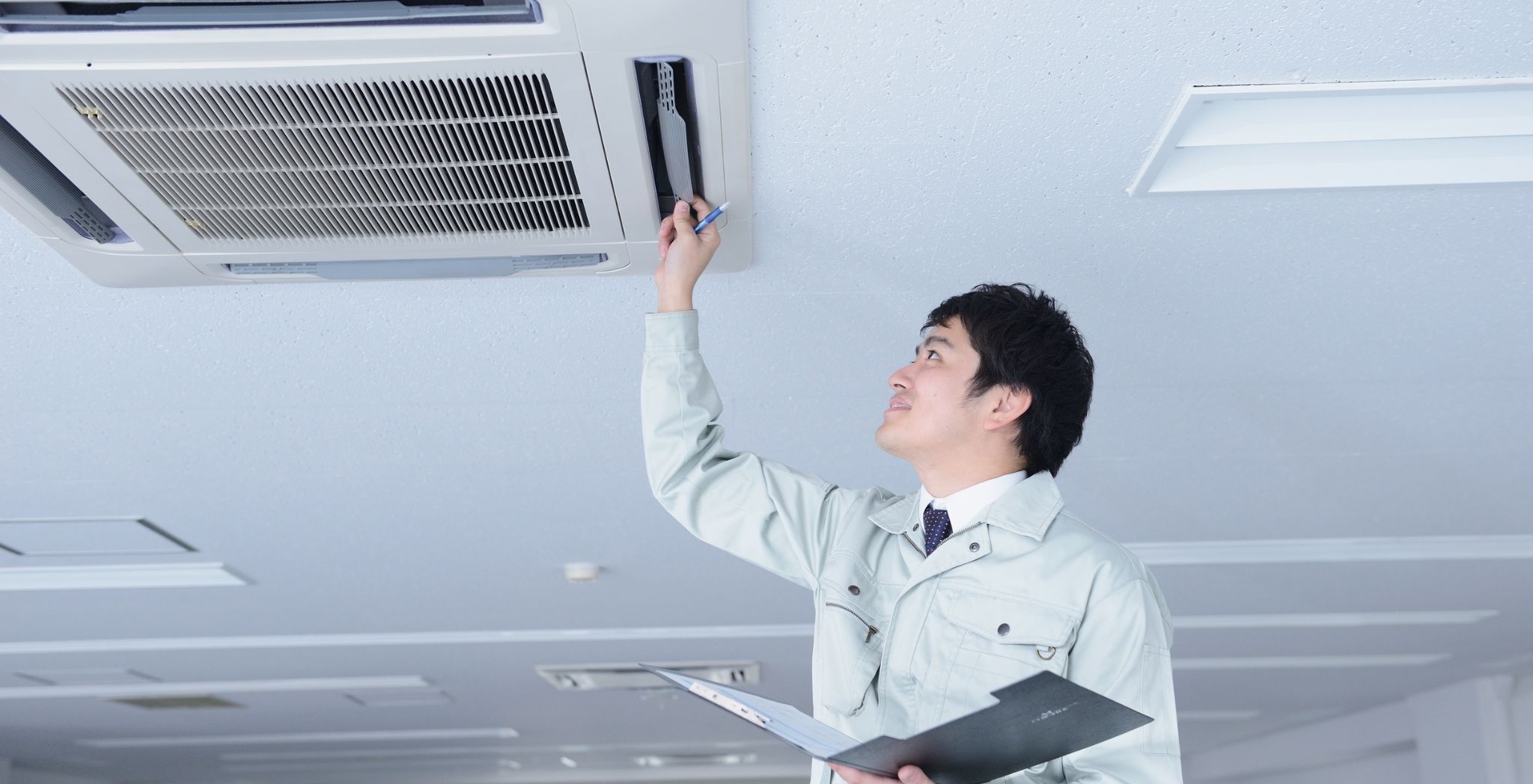
- Visual Inspections: Experts look for discoloration, water staining, and structural “red flags.”
- Moisture Mapping: Using infrared cameras and moisture meters to find dampness behind walls.
- Air and Surface Sampling: Collecting physical evidence to be analyzed in a laboratory.
- Root Cause Analysis: Determining why the mold is growing (e.g., a hidden pipe leak or poor ventilation).
By the time a professional is finished, you receive a detailed report that outlines exactly what you are dealing with and how to fix it.
Why Professional Mold Detection Is More Reliable Than DIY Testing
It is tempting to pick up a $20 DIY mold kit from a hardware store. However, these kits are notoriously unreliable for several reasons:
- False Positives: Mold spores exist naturally in almost every environment. A DIY kit might show mold growth simply because a window was open, even if there isn’t an active “infestation.”
- Lack of Context: A petri dish can tell you mold is present, but it won’t tell you the concentration levels compared to the outdoors or where the mold is hiding.
- No Professional Interpretation: Knowing you have Aspergillus is one thing; knowing if the levels are hazardous to your specific building type is another.
- Hidden Mold: DIY kits can’t “see” behind drywall or under floorboards. Professional mold inspection teams use thermal imaging to detect temperature differences caused by moisture, finding mold before it ever becomes visible to the naked eye.
Common Situations That Require Professional Mold Detection Services
When should you call in the mold detection experts? It’s not always when you see a fuzzy black patch on the wall. Consider professional help in the following scenarios:
- After Water Damage: If you’ve experienced a burst pipe, basement flooding, or a roof leak, mold can begin growing within 24 to 48 hours.
- Real Estate Transactions: Buyers and sellers use professional mold testing to ensure a property is safe and to avoid future liability.
- Persistent Health Symptoms: If occupants suffer from unexplained coughing, sneezing, or skin rashes that improve when they leave the building, “Sick Building Syndrome” caused by mold may be the culprit.
- Musty Odors: That “old basement” smell is actually the off-gassing of mold (Microbial Volatile Organic Compounds). If you smell it but can’t see it, you have hidden mold.
- High Humidity Environments: Buildings in tropical climates or those with poorly managed HVAC systems are at constant risk.
Types of Mold Identified Through Professional Detection
There are thousands of mold species, but professional services focus on identifying those most harmful to humans and property.
| Mold Type | Common Characteristics | Health Risk Level |
| Stachybotrys (Black Mold) | Slimy, dark green or black; grows on high-cellulose material like drywall. | High – Produces mycotoxins. |
| Aspergillus | Often found in dust and building materials; can be many colors. | Moderate – Can cause respiratory infections. |
| Cladosporium | Can grow in cool areas; often found on fabrics and wood. | Low/Moderate – Common allergen. |
| Penicillium | Found on water-damaged carpets and insulation; spreads quickly. | Moderate – Linked to asthma and allergies. |
Methods Used in Professional Mold Detection Services
Experts use a multi-layered approach to ensure nothing is missed. This goes far beyond a simple “look and see.”
1. Airborne Mold Testing Services
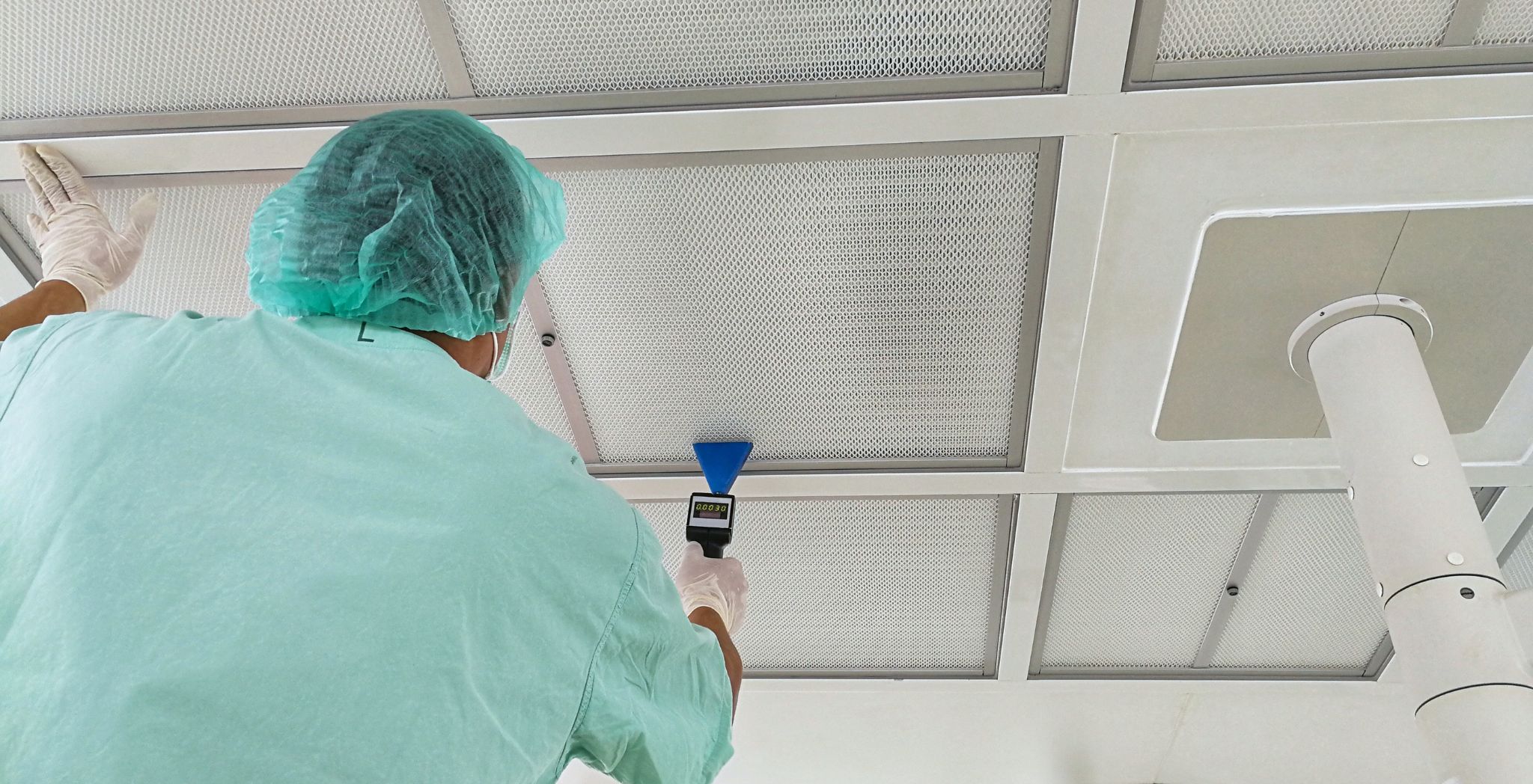
Since mold spores are microscopic, they travel through the air. Airborne mold testing services involve using calibrated air pumps to pull a specific volume of air through a collection cassette. These samples are then compared to outdoor air samples to determine if the indoor spore count is abnormally high.
2. Surface Sampling
This involves using swabs or “tape lifts” on visible growth. This helps the lab identify the specific species of mold and whether it is actively growing or just settled dust.
3. Thermal Imaging and Moisture Meters
Environmental mold assessment tools include infrared (IR) cameras. These cameras detect “cold spots” in walls, which usually indicate moisture. Since mold requires moisture to survive, finding the water source is the only way to ensure the mold doesn’t return after cleaning.
4. Borescope Inspections
If mold is suspected inside a wall cavity, a small hole is drilled, and a tiny camera (borescope) is inserted to visually confirm the presence of growth without tearing down the entire wall.
Professional Mold Detection in Commercial and Industrial Facilities
In a residential setting, mold is a health issue. In a commercial setting, it is a massive financial and legal liability. Commercial mold detection and industrial mold inspection are specialized fields that account for larger HVAC systems and higher occupant density.
- Warehouses and Factories: Industrial spaces often have condensation issues due to machinery heat or large bay doors.
- Office Buildings: Mold in the HVAC ductwork can distribute spores to every floor, leading to mass illness and decreased productivity.
- Healthcare Facilities: In hospitals, mold isn’t just an irritant; it can be fatal for immunocompromised patients. Professional services in these settings must follow strict clinical protocols.
Health and Safety Risks of Undetected Mold
The primary driver for indoor air quality mold testing is human health. When mold is left undetected, it releases spores and mycotoxins into the breathing zone.
- Respiratory Issues: Chronic coughing, wheezing, and shortness of breath.
- Allergic Reactions: Congestion, itchy eyes, and throat irritation.
- Neurological Symptoms: Some “toxic” molds are linked to “brain fog,” fatigue, and headaches.
- Structural Damage: Mold eats organic material. Over time, it can weaken floor joists, wall studs, and ceiling tiles, leading to costly structural repairs.
How Professional Mold Detection Supports Compliance and Risk Management
For business owners and landlords, mold isn’t just a health concern it’s a compliance matter.
- Legal Protection: Having a documented environmental mold assessment from a third party provides a “baseline” of safety. If a tenant or employee claims mold-related illness, your professional records serve as vital evidence of due diligence.
- Insurance Claims: Most insurance companies require professional proof of mold type and extent before they will pay out for remediation or repairs.
- Regulatory Standards: Depending on your industry (such as food production or pharmaceuticals), maintaining a mold-free environment is often a requirement of OSHA or local health departments.
- Property Value: A certified “mold-free” report is a powerful asset during the sale of a building, ensuring the buyer that there are no hidden liabilities.
Conclusion
Mold is a persistent biological force, but it doesn’t have to compromise your health or your property’s value. Relying on professional Mold Investigation and detection services ensures that you aren’t just guessing about the air you breathe. By utilizing advanced technology like airborne mold testing services and thermal imaging, experts provide a clear, actionable roadmap for keeping your environment safe, dry, and compliant.
Whether you are a homeowner noticing a strange smell or a facility manager responsible for hundreds of employees, professional detection is the first and most important step toward total peace of mind.
Contact us today to schedule an inspection and protect your home or workplace.




Leave A Comment