
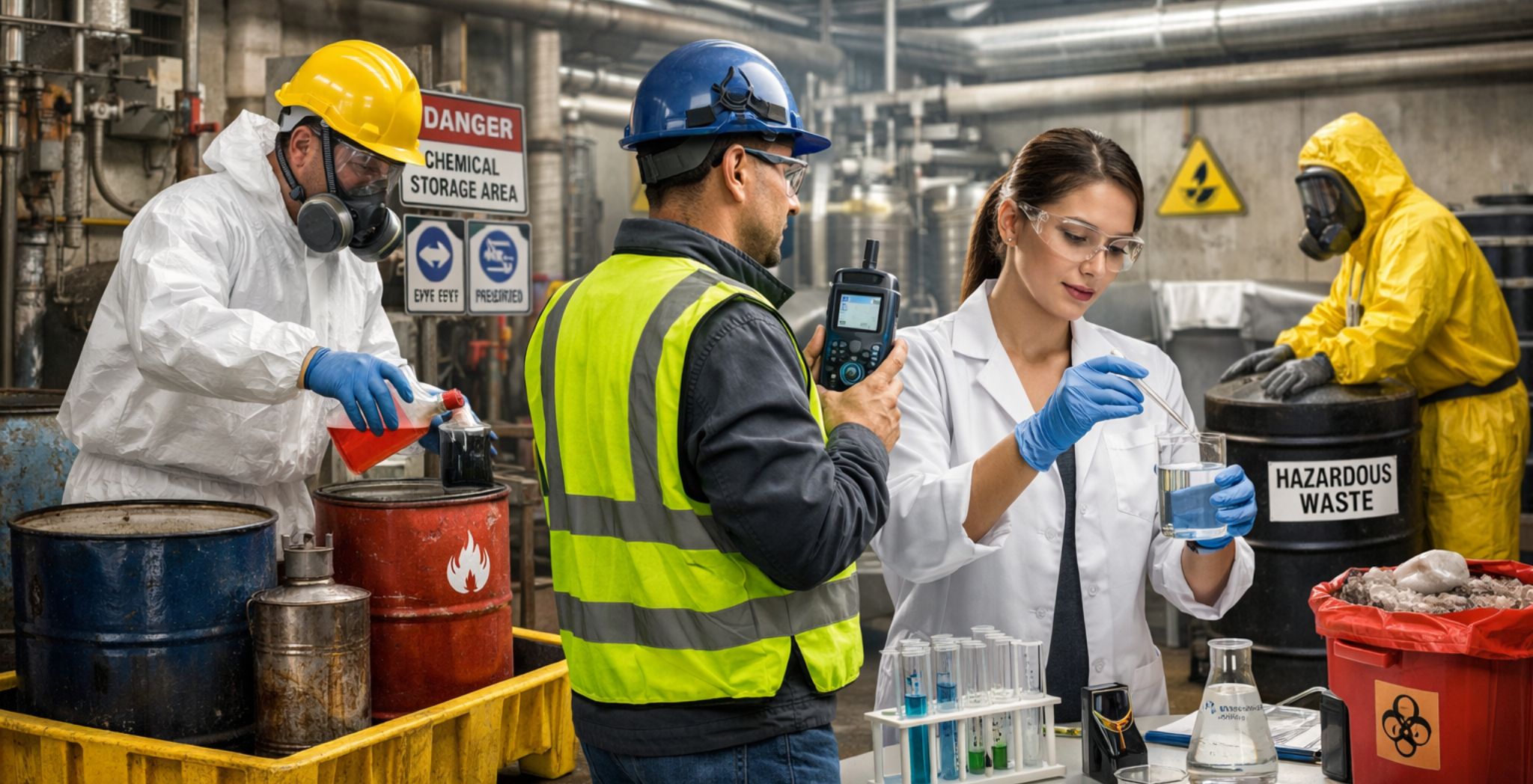
In today’s industrial world, hazardous materials are an unavoidable reality. From the cleaning solvents used in hospitals to the chemicals found in manufacturing plants, these substances are integral to our daily lives and the industries that drive our economy. However, with their utility comes a profound responsibility to handle them safely and responsibly.
Improper management of hazardous materials can lead to catastrophic consequences such as fires, long-term health issues for employees, and severe environmental damage. As such, it is essential to understand hazardous material management and follow best practices to ensure workplace safety, public health, and environmental protection. This blog explores the critical elements of hazardous material management and offers practical advice on how your organization can stay compliant and safeguard against potential risks.
What is Hazardous Material Management?
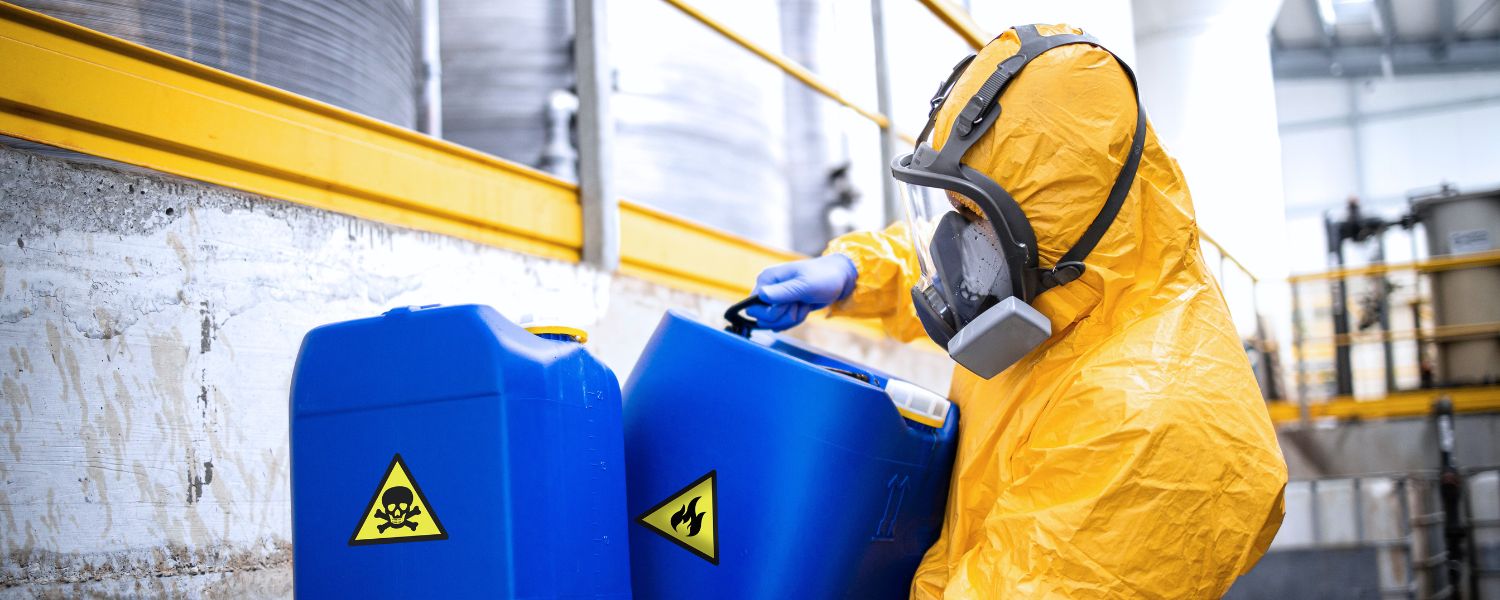
At its core, hazardous material management is a systematic approach to managing dangerous substances throughout their entire lifecycle, from their entry into a facility to their eventual disposal. The goal is to minimize the risks associated with handling, storing, using, and disposing of these materials. Effective hazardous material management involves several key components:
-
Safe Handling: Training employees to safely use materials without accidental exposure.
-
Secure Storage: Ensuring substances are kept in environments that prevent leaks, spills, or unauthorized access.
-
Monitoring: Implementing technologies and regular assessments to detect any potential hazards in the air, water, or on surfaces.
-
Compliant Disposal: Ensuring that hazardous waste is properly disposed of to prevent contamination of the environment.
A well-executed hazardous material management program ensures the safety of employees, minimizes legal liabilities, and protects the environment by maintaining compliance with safety regulations.
Types of Hazardous Materials

Hazardous materials are diverse, encompassing a wide range of substances. Understanding the various types of hazardous materials present in your facility is the first step toward effectively managing them. Common categories include:
A. Chemicals: Acids, bases, solvents, and reagents used in manufacturing and laboratories.
B. Biological Agents: Viruses, bacteria, and toxins found in healthcare and research environments.
C. Flammable Substances: Gasoline, propane, alcohols, and other materials that can easily ignite.
D. Toxic Gases: Substances like carbon monoxide or chlorine gas, which can be lethal if inhaled in small amounts.
E. Heavy Metals: Lead, mercury, and arsenic, which are commonly found in industrial waste and can cause severe neurological damage.
F. Waste Materials: Any byproduct of industrial processes that remains hazardous, requiring proper tracking and disposal (often referred to as “cradle-to-grave” management).
Key Components of an Effective Hazardous Material Management Program
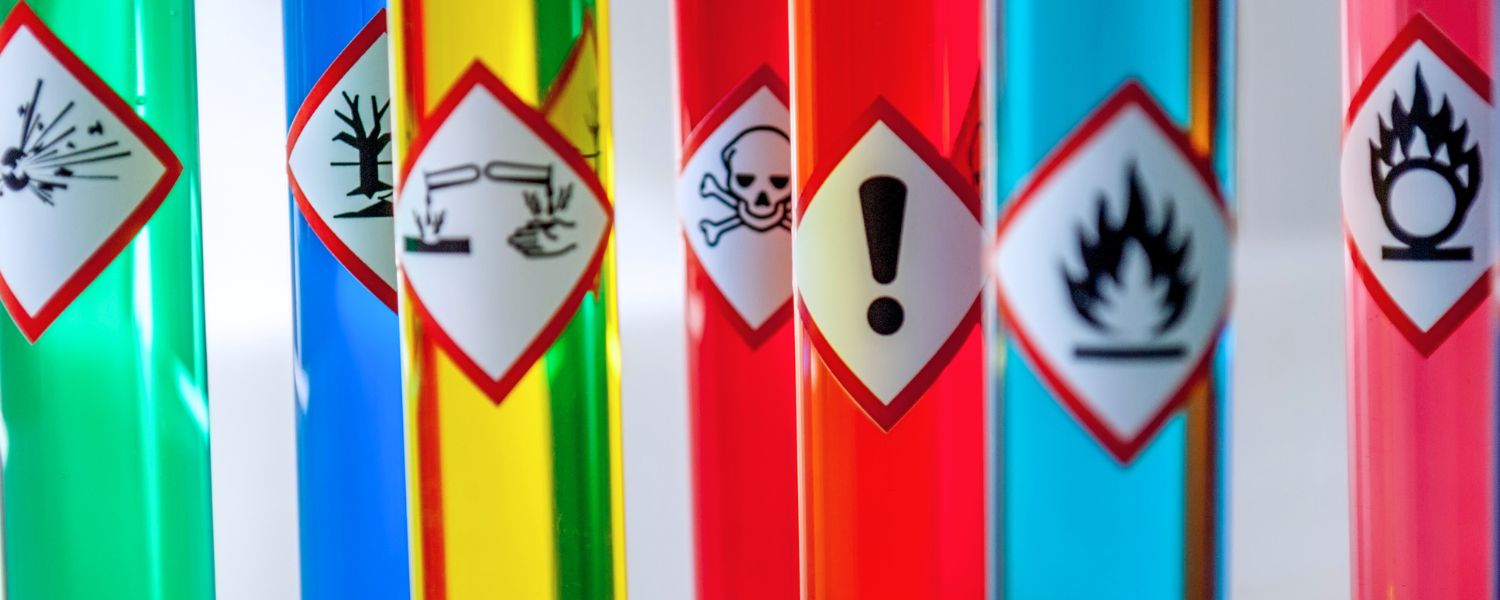
An effective hazardous material management program is crucial to minimize risks and ensure compliance. The following components are essential to creating a successful program:
A. Inventory Tracking
You cannot manage what you don’t know you have. An up-to-date inventory of every hazardous substance on-site, including the relevant Safety Data Sheets (SDS), is essential. This enables quick access to critical safety information and ensures that all materials are accounted for, properly stored, and safely handled.
B. Risk Assessment
Each hazardous substance should be evaluated for its potential risks. A thorough risk assessment will help identify potential hazards associated with the substance, such as what happens if it spills, if it is inhaled, or how it reacts under certain conditions. This risk assessment serves as the foundation for your safety protocols and emergency response plans.
C. Training and Certification
Proper training is crucial for employees who handle hazardous materials. Employees must be educated not only on how to use the materials but also on how to read labels, understand potential risks, and react in case of an emergency. This training should be regularly updated and documented to ensure compliance and employee preparedness.
D. Emergency Response Planning
In the event of a leak, spill, or exposure, every second counts. Having a well-established, practiced emergency response plan in place is vital. This plan should include evacuation routes, emergency contact information, access to spill containment kits, and detailed instructions for dealing with hazardous material incidents.
E. PPE and Engineering Controls
Personal Protective Equipment (PPE) such as respirators, gloves, and protective clothing are essential for preventing direct exposure to hazardous materials. However, PPE should be considered the last line of defense. The first line of defense should be engineering controls, such as fume hoods, automated dispensing systems, and ventilation systems, which work to minimize human exposure to hazardous materials.
The Role of Industrial Hygiene in Hazardous Material Management
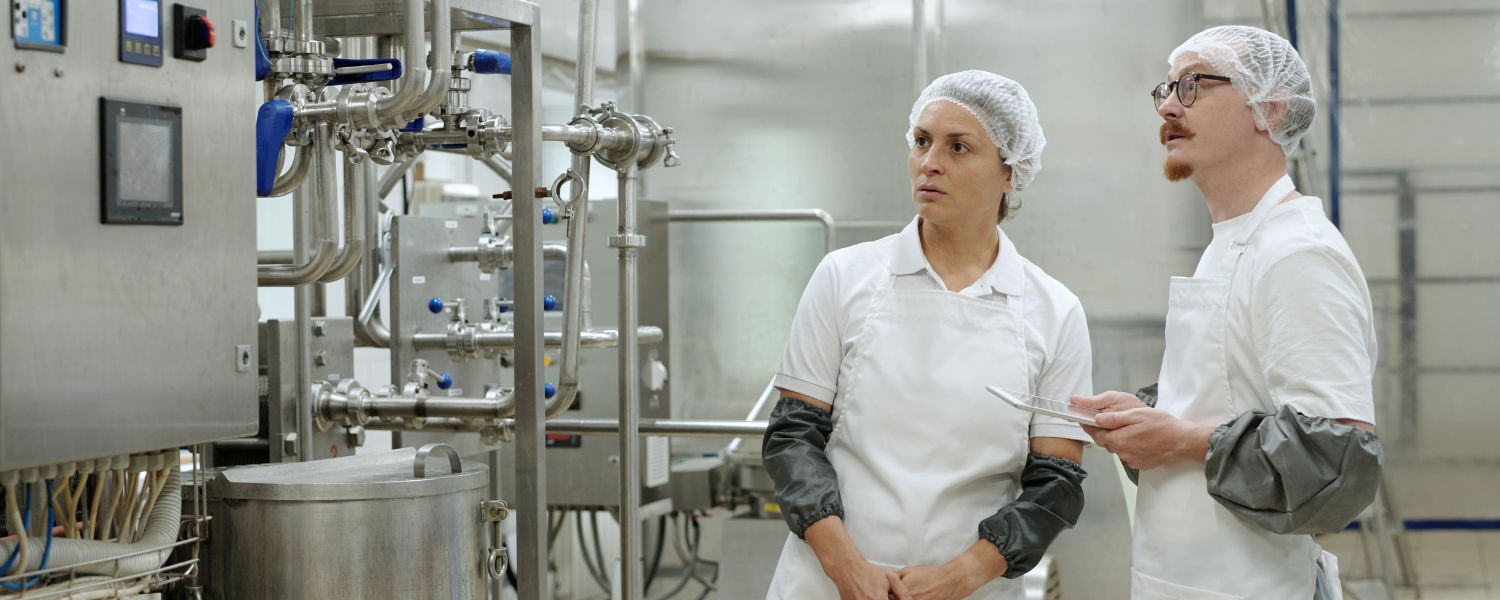
Industrial hygiene is a vital aspect of hazardous material management. It involves the science of anticipating, recognizing, evaluating, and controlling workplace conditions that could lead to employee illness or injury. A crucial component of industrial hygiene is Industrial Hygiene Assessment & Exposure Monitoring.
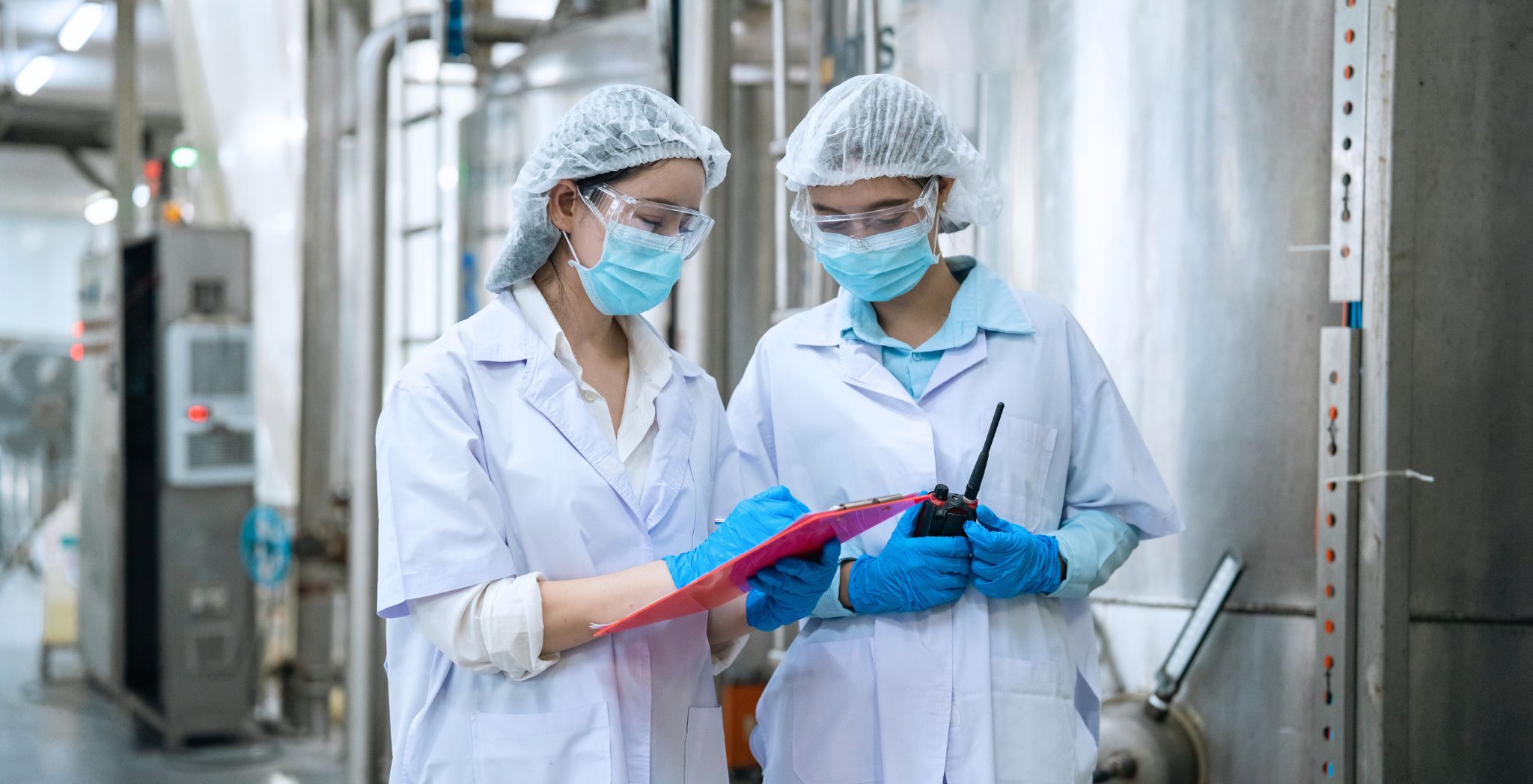
Using specialized equipment, professionals can measure the exact concentration of hazardous substances in the workplace environment. Monitoring exposure levels during shifts helps determine whether employees are breathing in harmful vapors or coming into contact with hazardous residues. By gathering data on these exposure levels, organizations can adjust ventilation, PPE, or other safety measures to keep workers safe.
Indoor Air Quality and Hazardous Material Exposure

Many hazardous materials don’t remain confined to their containers. Certain chemicals “off-gas” or evaporate into the air, creating an additional risk. Poor indoor air quality can lead to Sick Building Syndrome, a condition where employees experience headaches, fatigue, and respiratory issues. When hazardous materials are involved, the stakes are even higher. Volatile Organic Compounds (VOCs) can accumulate in poorly ventilated spaces, leading to long-term health risks.
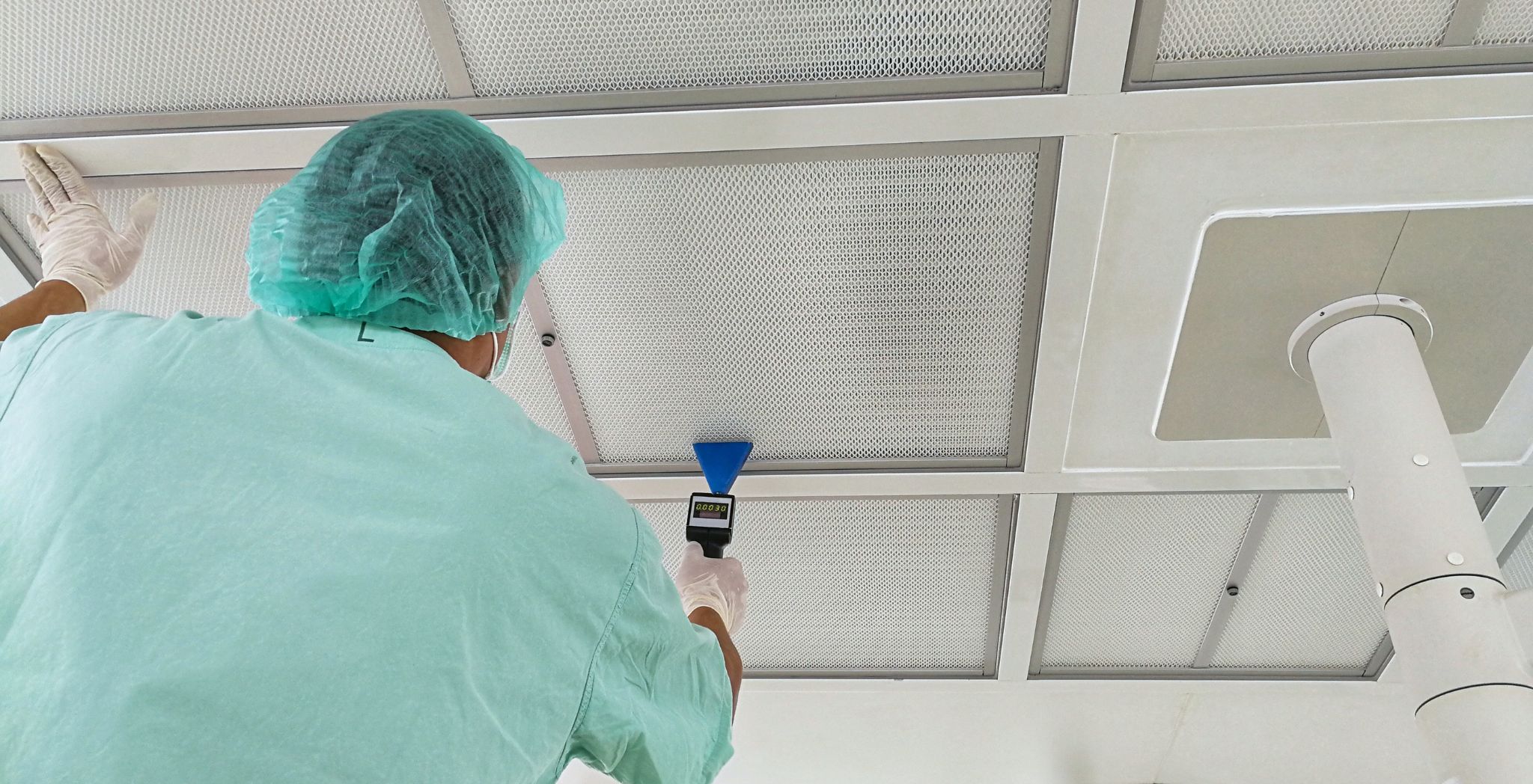
A comprehensive Indoor Air Quality (IAQ) Assessment should be conducted regularly to ensure that hazardous material management practices are preventing contamination of the air in your facility. Proper ventilation and air filtration systems must be in place to minimize exposure to harmful airborne chemicals and particles.
Water Testing and Hazardous Materials

While air quality often receives the most attention, hazardous materials can also pose a significant threat to water sources. Chemical spills can seep into floor drains, and heavy metals can leach into local water supplies. Regular Water Testing & Compliance is essential to ensure that your facility is not unintentionally discharging pollutants into municipal sewer systems or local groundwater. Additionally, in labs and healthcare facilities, it is critical to ensure that the water used in processes remains free of contamination to maintain both safety and the integrity of the work being conducted.
Hazardous Materials and Facility Systems

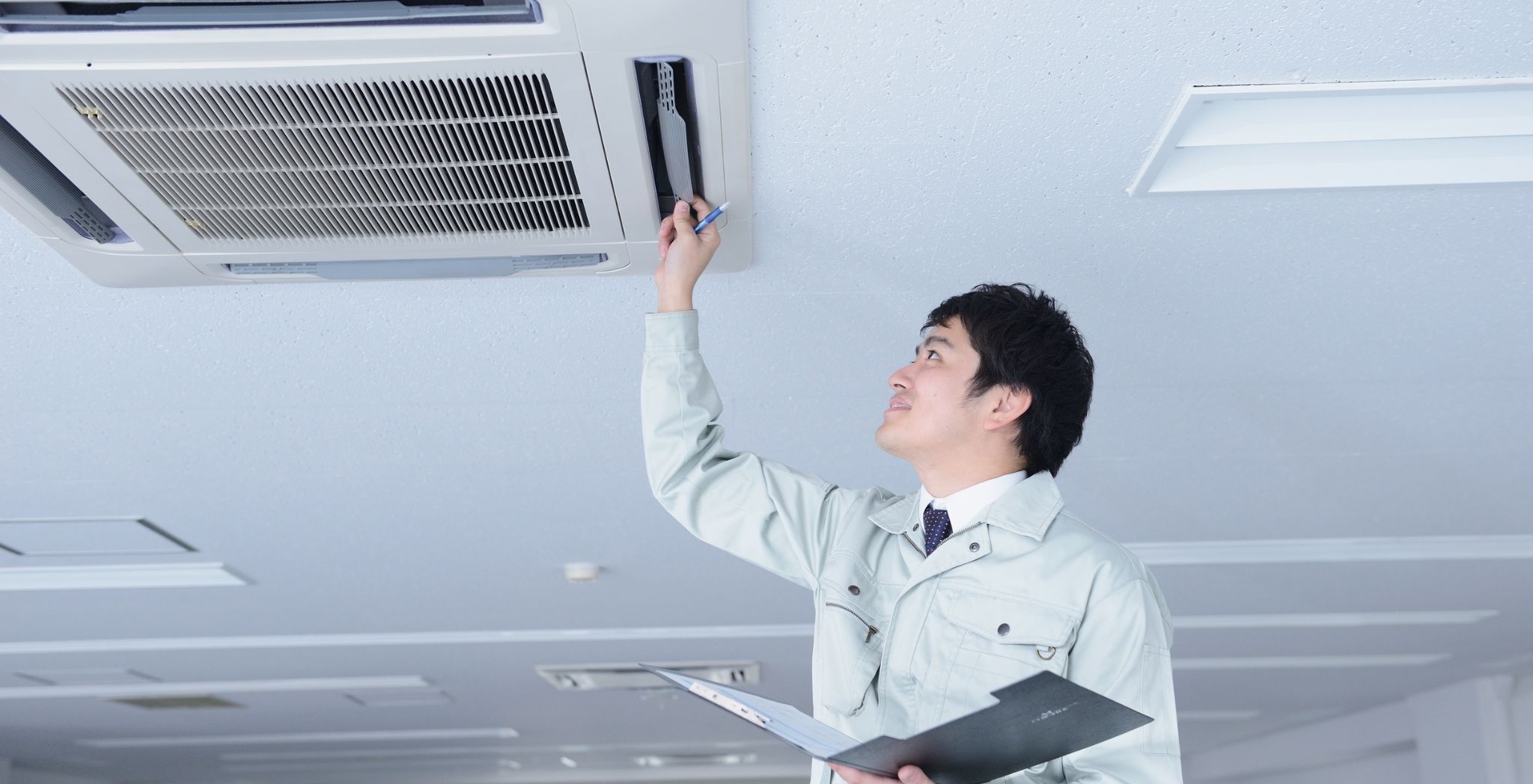
The physical infrastructure of your facility plays a crucial role in how hazardous materials behave. HVAC (Heating, Ventilation, and Air Conditioning) systems, for example, are critical to maintaining a safe environment. If a hazardous substance is released into one room, an improperly designed HVAC system can spread the hazard throughout the building. This is where HVAC Testing, Adjusting & Balancing (TAB) becomes essential.
By balancing your HVAC system, you can ensure that air flows in the correct direction, minimizing cross-contamination. For example, laboratories should maintain “negative pressure” to ensure that air flows into the lab and is filtered out through exhaust systems, rather than leaking into hallways or other spaces. Regular HVAC testing and adjustments are crucial to maintaining a safe facility.
Best Practices for Safety and Compliance

To manage hazardous materials effectively, organizations must adhere to several best practices:
A. Conduct Regular Audits: Performing internal audits of your storage, labeling, and safety protocols will help you stay ahead of any potential issues before an official inspection takes place.
B. Follow the “Hierarchy of Controls”: Always attempt to eliminate the hazard first (e.g., replacing a toxic material with a non-toxic one). If elimination is not possible, use engineering controls (such as proper ventilation) before relying solely on PPE.
C. Maintain Detailed Documentation: Keeping detailed records of training, waste disposal manifests, and exposure monitoring results ensures that your organization is prepared for any audits or inspections.
D. Stay Updated on Regulations: Laws and regulations, such as OSHA’s Hazard Communication Standard and the EPA’s Resource Conservation and Recovery Act (RCRA), evolve over time. It’s important to stay up to date on these regulations to remain compliant.
Conclusion
Hazardous material management is a complex and ongoing challenge that requires dedication and vigilance. It is not just about meeting regulatory requirements—it’s about protecting your employees, your community, and the environment. By implementing a structured management program, you can minimize risks, avoid legal liabilities, and create a culture of safety within your organization.
For businesses dealing with hazardous materials, it is essential to seek professional expertise to ensure the highest level of safety. Whether it’s conducting industrial hygiene assessments, improving indoor air quality, or ensuring compliance with water testing regulations, professional services can provide the knowledge and tools necessary to maintain a safe and compliant facility.
Need Help Ensuring Compliance?
Our team of experts specializes in Industrial Hygiene Assessments, Indoor Air Quality Monitoring, Water Testing, and HVAC Testing. Contact us today for a consultation and take the first step toward a safer, more compliant workplace.
FAQs
1. What is hazardous material management?
Hazardous material management refers to the comprehensive process of handling, storing, using, and disposing of dangerous substances in a way that minimizes the associated risks. This process involves safety protocols to protect workers, the environment, and the public from potential harm. It includes inventory tracking, risk assessments, employee training, emergency response plans, and compliant disposal methods.
2. What are the five hazardous materials?
While the term “hazardous materials” can apply to a wide range of substances, here are five common categories:
-
Chemicals: Acids, solvents, and other reagents used in industrial and laboratory settings.
-
Biological Agents: Bacteria, viruses, and toxins that can cause illness or infection.
-
Flammable Substances: Gasoline, alcohol, propane, and other materials that can ignite easily.
-
Toxic Gases: Substances like carbon monoxide and chlorine, which can be lethal even in small amounts.
-
Heavy Metals: Lead, mercury, and arsenic, which can cause significant health issues with long-term exposure.
3. How do you properly store hazardous materials?
Proper storage of hazardous materials is essential to prevent leaks, spills, and reactions. Materials should be kept in appropriate containers and stored in secure areas, ideally with ventilation and fire suppression systems. Special precautions are needed for certain substances, such as flammable materials or toxic gases, which must be stored in specialized environments to prevent accidents. Clearly labeling all materials and ensuring restricted access is also key to ensuring safe storage.
4. Why is training important in hazardous material management?
Training is essential because it equips employees with the knowledge to handle hazardous materials safely. It ensures that they understand the risks associated with the materials they work with, how to read and interpret labels and safety data sheets (SDS), and what to do in the event of an emergency. Regular training updates help keep employees informed about any new regulations or changes in procedures, ultimately ensuring their safety and compliance with regulations.
5. What are the legal consequences of improper hazardous material management?
Improper hazardous material management can lead to severe legal consequences, including fines, lawsuits, and damage to your company’s reputation. Regulatory bodies like OSHA, the EPA, and local authorities impose strict penalties for violations. This can include hefty financial penalties, mandatory cleanup costs, and potential shutdowns. In some cases, individuals involved in mismanagement may face criminal charges. Proper hazardous material management not only ensures safety but also helps avoid costly legal trouble.
6. Where should I manage my hazardous materials?
Hazardous materials should be managed in a secure, controlled environment that meets all regulatory requirements. For optimal safety and compliance, it is recommended to work with trusted environmental compliance experts, like Health System Sciences LLC. These experts provide specialized services to ensure hazardous materials are handled, stored, and disposed of properly according to safety standards. They can help set up secure storage areas, implement necessary safety protocols, and ensure your facility remains compliant with industry regulations, minimizing risks to employees and the environment.



Leave A Comment