
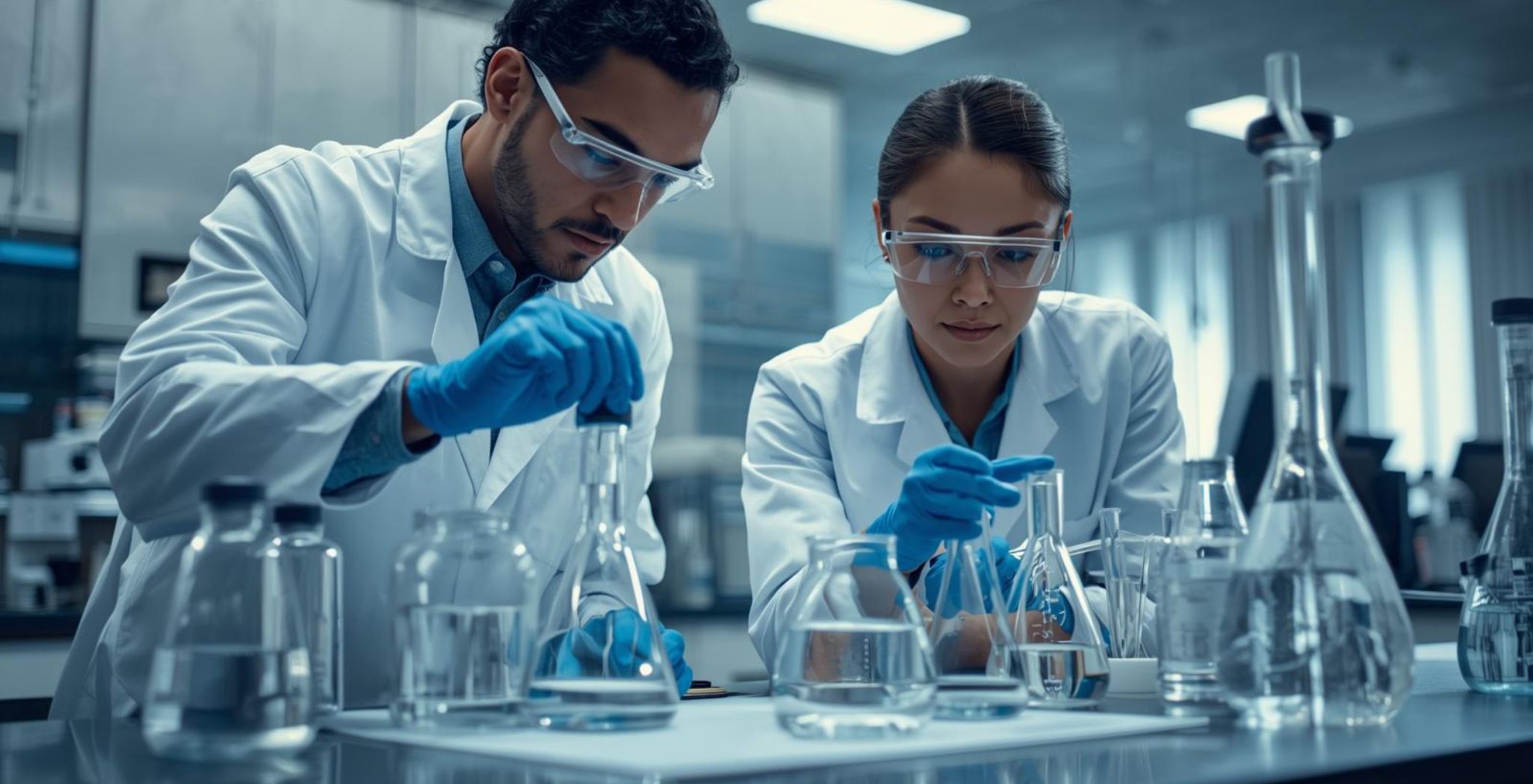
Water is the lifeblood of any facility, whether it is a sprawling industrial plant, a high-tech laboratory, or a healthcare complex. However, because water is a universal solvent, it is incredibly susceptible to contamination.
This is why water quality testing is not just a secondary maintenance task; it is a fundamental pillar of public health, operational efficiency, and regulatory necessity.
For facility managers, environmental consultants, and health and safety experts, ensuring the integrity of water systems is a complex challenge. From monitoring potable sources to managing industrial discharge and wastewater, the stakes are high.
Contaminated water can lead to catastrophic health outbreaks, expensive equipment failure, and severe legal penalties. Water testing serves as the primary diagnostic tool to identify risks before they escalate into crises.
Navigating the landscape of water quality compliance requires a blend of technical expertise and rigorous analytical protocols. Whether you are overseeing a municipal supply or managing a private commercial well, professional water testing provides the data necessary to verify safety.
In this guide, we will explore the critical parameters of water analysis, the necessity of water compliance consulting solutions, and how Health System Sciences LLC supports organizations with industry-leading expertise to keep water systems running safely and legally.
What Is Water Quality Testing?
At its core, water quality testing is the scientific process of analyzing physical, chemical, and biological characteristics of water. The goal is to determine if a water source meets the specific standards required for its intended use—whether that use is human consumption, manufacturing, or environmental release.
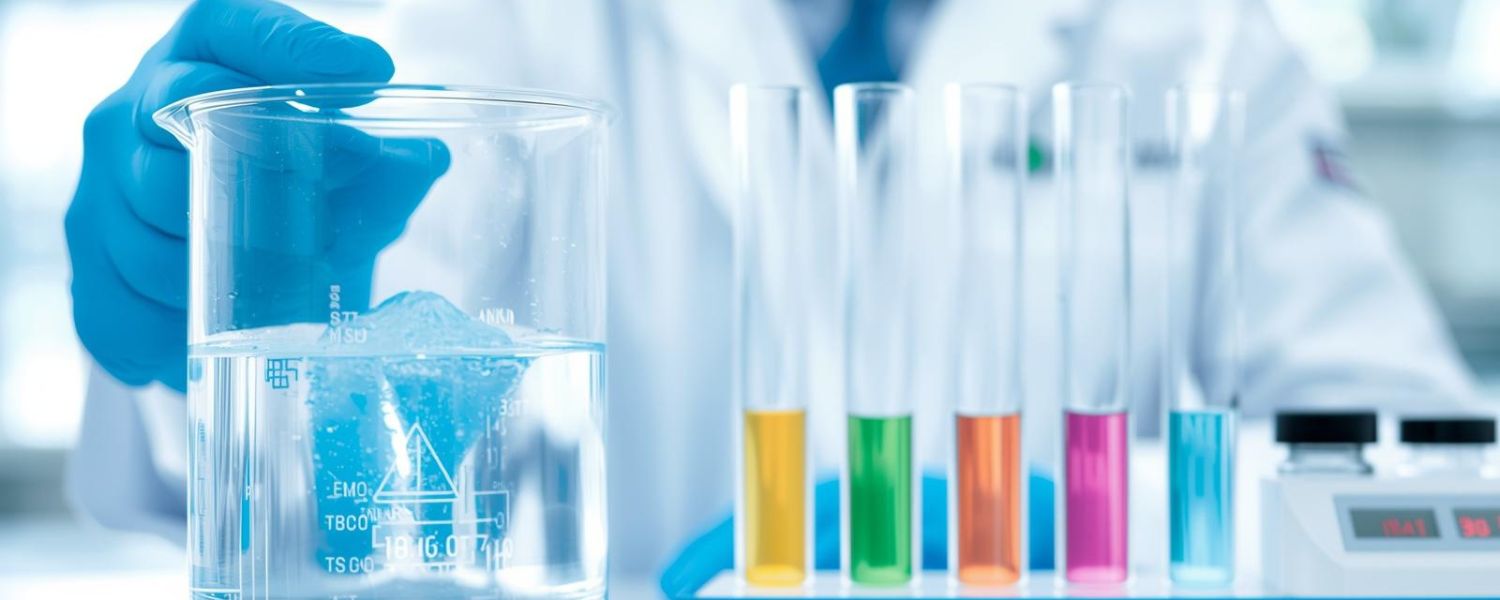
When testing water quality, experts look at a variety of indicators:
- Physical Parameters: This includes temperature, turbidity (cloudiness), color, and odor.
- Chemical Parameters: This involves measuring pH levels, dissolved oxygen, nitrates, phosphates, and the presence of metals.
- Biological Parameters: This focuses on the presence of microorganisms like bacteria, algae, and viruses.
The need for professional water testing arises because many of the most dangerous threats to water safety are invisible, odorless, and tasteless. For instance, high levels of lead or certain pathogens cannot be detected by the naked eye. Furthermore, water quality is dynamic. Seasonal changes, local construction, and aging infrastructure can all cause sudden shifts in water composition. Regular water testing ensures that these fluctuations are caught early, allowing for adjustments in treatment protocols to maintain a consistent standard of safety for the community and the workforce.
Common Water Contaminants and Their Risks
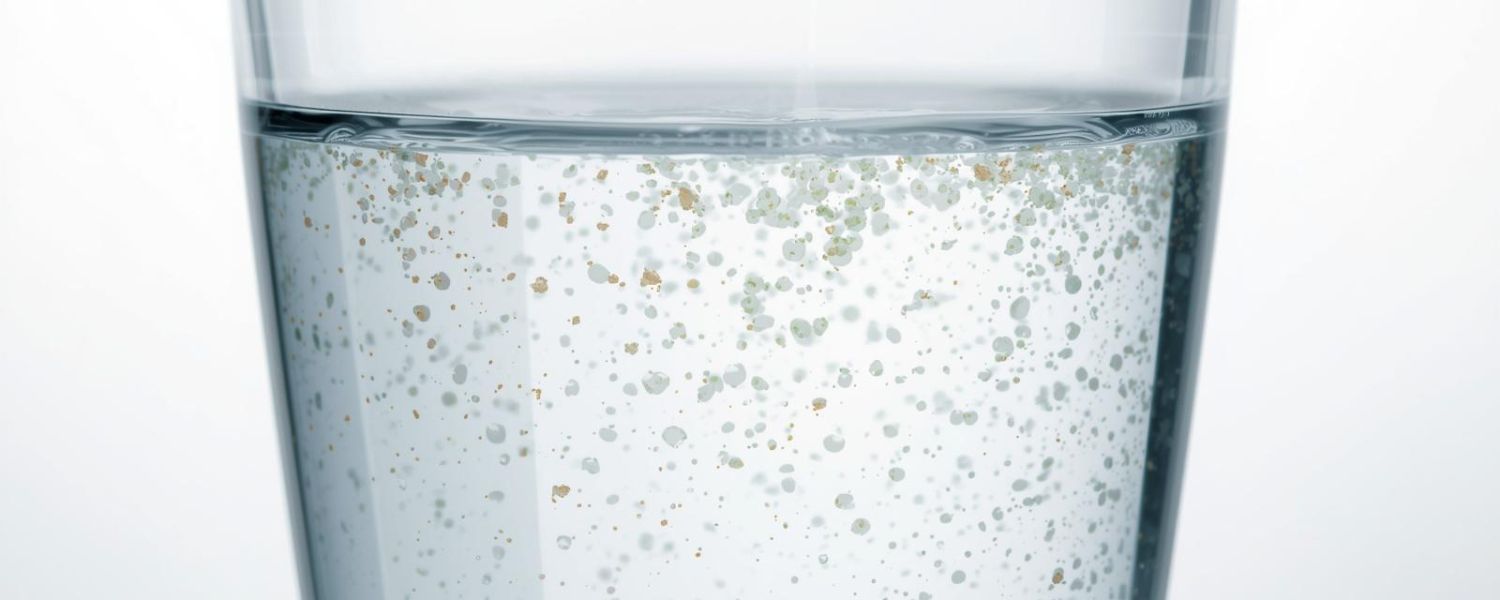
Understanding what is in your water is the first step toward managing it. Contaminants generally fall into three categories: biological, chemical, and radiological. Each poses unique risks to human health and system integrity.
Heavy Metals and Lead Perhaps the most discussed chemical contaminant is lead. Lead typically enters the water supply through the corrosion of pipes, solder, and fixtures in aging infrastructure. There is no safe level of lead exposure, especially for children, as it can cause developmental delays and neurological damage. This reality makes choosing a reputable lead water testing company a priority for any facility built before the late 20th century. Utilizing lead water testing services is the only way to confirm that your plumbing isn’t leaching toxins into your drinking water testing samples.
Microbiological Pathogens Bacteria such as E. coli, Legionella, and Cryptosporidium can cause acute illness. In large facilities with complex cooling towers or hot water systems, Legionella is a particular concern, as it can become airborne and lead to severe respiratory infections.
Industrial and Agricultural Chemicals Pesticides, PFAS (per- and polyfluoroalkyl substances), and industrial solvents often find their way into groundwater. These “forever chemicals” are linked to long-term health issues, including hormone disruption and cancer. Regular water testing is the frontline defense against these persistent threats, ensuring that water safety compliance is maintained even as new environmental regulations emerge.
Water Quality Compliance – Why It Matters for Businesses and Facilities
For businesses, “compliance” is often viewed through the lens of avoiding fines. However, water quality compliance is much deeper than a legal checkbox; it is a commitment to corporate social responsibility and risk management.
Regulatory bodies such as the EPA (Environmental Protection Agency) and various state-level departments set strict Maximum Contaminant Levels (MCLs) for public water systems. For industrial facilities, the National Pollutant Discharge Elimination System (NPDES) regulates what can be sent back into the environment. Failing to meet these standards can result in:
- Legal Liability: Lawsuits stemming from health complications or environmental damage.
- Operational Shutdowns: Regulatory bodies have the power to halt operations if water safety is compromised.
- Reputational Damage: In an era of transparency, a water quality failure can permanently tarnish a brand’s image.
This is where water compliance consulting solutions become invaluable. These services help facility managers navigate the labyrinth of local, state, and federal laws. By integrating professional water testing into a broader compliance strategy, organizations can proactively identify “blind spots” in their water management plans. Ensuring water safety compliance protects the people who use the water and the stakeholders who own the infrastructure.
Water Testing Services for Different Applications
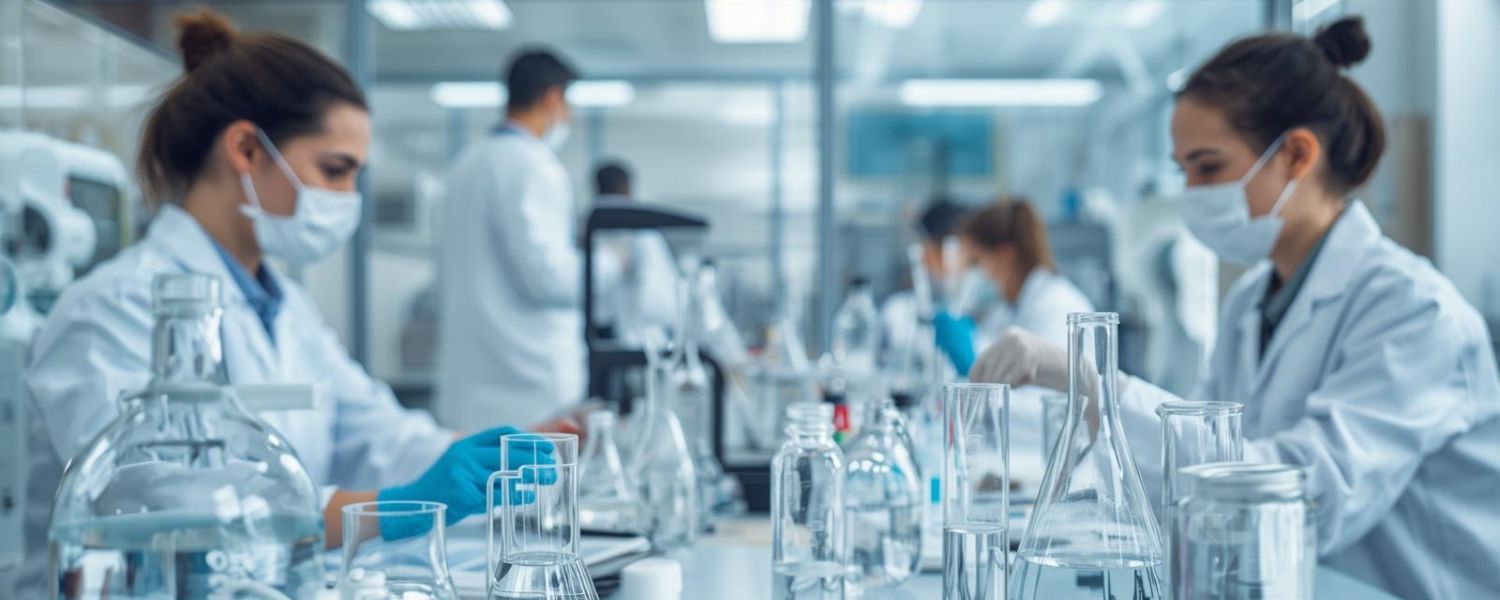
No two water systems are identical, and therefore, water testing services must be tailored to the specific needs of the environment. A comprehensive water testing company offers a suite of specialized analyses:
- Drinking Water Testing: Essential for municipalities, office buildings, and schools. This focuses on potability, ensuring the water is free from harmful bacteria, lead, and chemical runoff.
- Laboratory Water Testing: Many scientific and medical facilities require “High Purity” water. Laboratory water testing ensures that the water meets specific conductivity and resistivity standards required for sensitive experiments and medical device sterilization.
- Industrial Process Water: Manufacturing plants often need water with specific mineral profiles to prevent scale buildup in boilers or corrosion in cooling towers. Testing water quality in an industrial context saves millions in maintenance costs.
- Lead Water Testing Services: Specifically targeted at high-risk environments, such as schools or older residential complexes, to identify and mitigate lead leaching.
- Wastewater and Effluent Testing: Ensuring that water leaving a facility does not harm the local ecosystem or violate discharge permits.
By utilizing professional laboratory water testing, facilities get more than just a “pass/fail” result. They receive a detailed chemical breakdown that informs better water treatment strategies and long-term asset management.
Why Choose a Professional Water Testing Company?
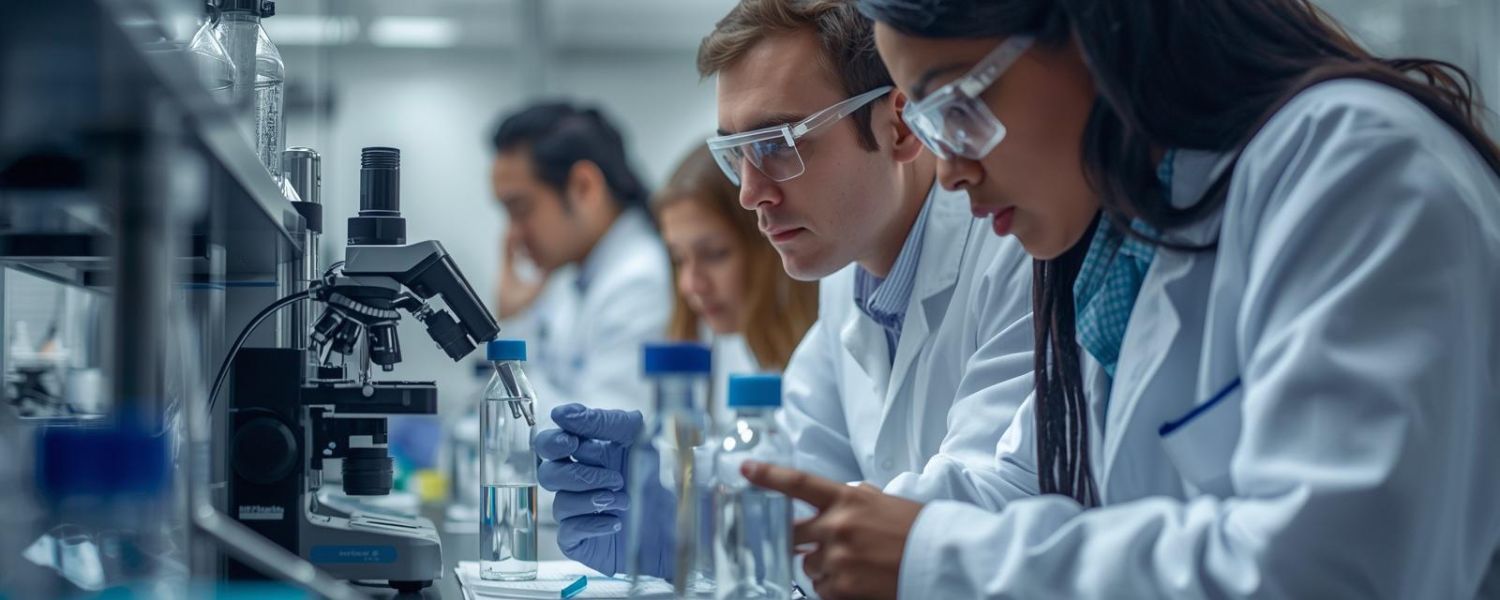
While DIY home test kits exist, they are insufficient for commercial, industrial, or regulatory purposes. A professional water testing firm brings a level of precision and accountability that “off-the-shelf” solutions cannot match.
Health System Sciences LLC stands out as a premier water testing company because we combine advanced technology with deep industry knowledge. When you partner with a professional firm, you benefit from:
- Chain of Custody: Professional services ensure that samples are collected, transported, and analyzed under strict protocols, making the results legally defensible.
- Advanced Instrumentation: We use high-sensitivity equipment capable of detecting contaminants at the parts-per-billion (ppb) level.
- Actionable Insights: We don’t just provide raw data; we provide context. Our water compliance consulting solutions help you understand what the numbers mean for your specific facility and how to fix any issues discovered.
Trusting experts for water testing services ensures that your data is accurate, your facility is safe, and your organization is protected from the risks of non-compliance.
Schedule Your Water Quality Testing Today
Is your water system truly safe, or are you simply hoping for the best? Ensure the health of your occupants and the longevity of your infrastructure by investing in professional water testing.
At Health System Sciences LLC, we specialize in providing comprehensive, accurate, and timely water quality testing tailored to your unique requirements. Whether you need a one-time lead assessment or a long-term compliance monitoring program, our team is ready to help.
Frequently Asked Questions
Q. What is water quality testing?
Water quality testing is the systematic analysis of a water source to determine its chemical, physical, and biological composition. By measuring parameters like pH, mineral content, and the presence of contaminants, experts can determine if the water is safe for its intended purpose, such as drinking, manufacturing, or environmental discharge.
Q. How to certify a clean water system?
Certifying a system involves a multi-step process led by water testing services. This includes the professional collection of samples from various points in the system, rigorous laboratory water testing, and a comparison of results against regulatory standards (like EPA or state guidelines). Once the water is proven to meet or exceed these standards, a certification of compliance is issued.
Q. Is ISO 7 equivalent to grade C?
In the context of cleanroom standards, ISO 7 is often considered the equivalent of Grade C (under EU GMP standards) for “in operation” states. These standards are critical for facilities where water quality and air quality must be tightly controlled to prevent contamination of pharmaceutical or medical products.
Q. What is the difference between ISO 14644 and ISO 13485?
ISO 14644 is a set of international standards specifically for cleanrooms and associated controlled environments, focusing on air cleanliness and particle counts. ISO 13485, on the other hand, is a quality management system standard specifically for the design and manufacture of medical devices. While they are different, they often overlap in high-tech facilities that require strict water and air quality controls.
Q. Where should I get the Water Testing and Compliance Services?
If you are concerned about environmental health factors or seeking specialized environmental safety guidance, you should seek professional water quality testing and environmental analysis from trusted experts like Health System Sciences LLC. We specialize in accurate analysis, compliance, and customized water safety solutions that ensure your environment is not contributing to health risks.
Conclusion – Ensure Safe and Compliant Water with Professional Testing
Regular water quality testing is the only definitive way to ensure that your water systems are both safe for human use and compliant with the law. Contaminants can enter a system at any time, and the consequences of detection failure are far too high to ignore.
By partnering with a professional water testing company, you gain the peace of mind that comes with scientific accuracy and expert consulting. Health System Sciences LLC is dedicated to providing comprehensive water testing services and water compliance consulting solutions necessary to support all industries, from healthcare to heavy manufacturing.
Don’t wait for a compliance audit or a health scare to take action! Reach out to Health System Sciences LLC today for reliable, accurate testing that supports the long-term safety and efficiency of your facility.



Leave A Comment