
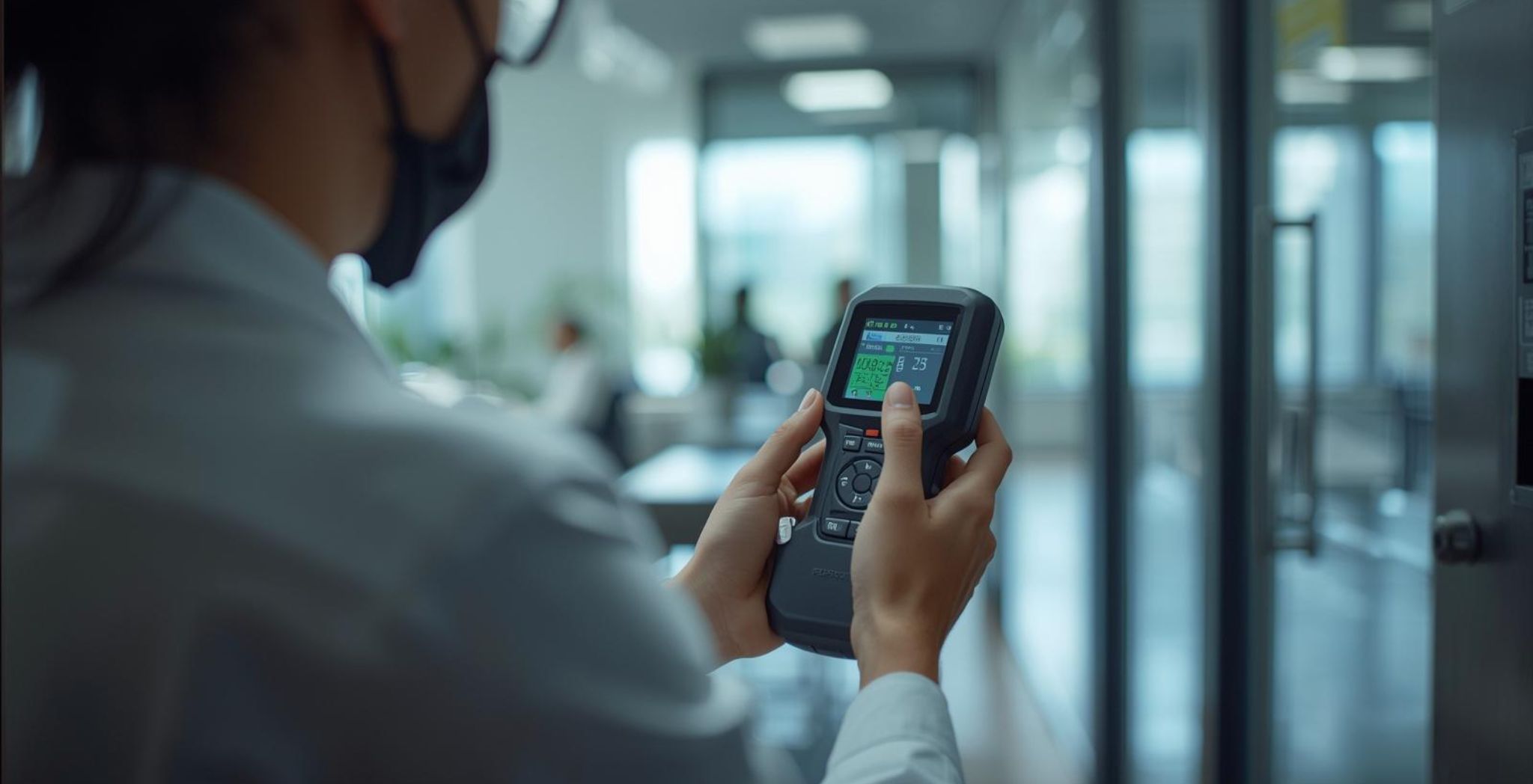
Indoor Air Quality Solutions? We spend nearly 90% of our lives indoors, yet we often take the very air we breathe for granted. Whether it is in our homes, corporate offices, or industrial facilities, the quality of that air directly dictates our physical health, cognitive performance, and overall comfort.
When pollutants accumulate, they don’t just create a “stuffy” room; they trigger a cascade of issues ranging from chronic respiratory conditions and fatigue to decreased building efficiency and structural damage.
Finding effective indoor air quality solutions is no longer a luxury—it is a fundamental necessity for modern property management and healthcare. Poor air quality can quietly erode the productivity of an office or the safety of a residential complex.
To address these invisible threats, a comprehensive approach is required, combining high-tech monitoring with practical remediation. This article explores the vital role of indoor air quality testing, the intricacies of professional indoor air quality services, and how targeted assessments provide the data needed to breathe easier.
By understanding the science behind the air in your building, you can transform a stagnant environment into a space that fosters wellness and efficiency.
What Is Indoor Air Quality and Why Does It Matter?

Indoor Air Quality (IAQ) refers to the air condition within and around buildings and structures, specifically as it relates to the health and comfort of building occupants. While we often think of “pollution” as smog over a city skyline, the air inside a building can actually be two to five times more polluted than outdoor air. This is because modern buildings are designed to be airtight for energy efficiency, which inadvertently traps contaminants inside.
So, what is an indoor air quality assessment? Essentially, it is a professional diagnostic process that identifies specific pollutants—such as volatile organic compounds (VOCs), carbon dioxide, particulate matter, and biological contaminants like mold—and evaluates the ventilation rates of a space. Understanding these metrics is crucial because common sources of pollution are everywhere: off-gassing from new furniture, cleaning chemicals, damp carpets, and even the CO2 we exhale.
When IAQ is neglected, the consequences are significant. Short-term effects include headaches, dizziness, and irritation of the eyes, nose, and throat. Long-term exposure can lead to more serious respiratory diseases or heart disease. Utilizing professional indoor air quality services ensures that these risks are identified before they manifest as chronic health problems, making the assessment the first critical step toward a sustainable, healthy indoor environment.
Common Indoor Air Quality Problems and Their Solutions

Many buildings suffer from a “Sick Building Syndrome” where occupants experience acute health effects that seem linked to time spent in a building. The culprits are usually a combination of high humidity, allergens, and inadequate airflow. High humidity levels, for instance, create a breeding ground for mold and dust mites, both of which are major triggers for asthma and allergic reactions.
To solve these issues, property owners must move beyond surface-level fixes. Effective indoor air quality testing identifies the exact concentration of these invisible irritants. Once the data is gathered through indoor air quality testing services, specific solutions can be implemented:
- Enhanced Filtration: Moving from standard filters to HEPA (High-Efficiency Particulate Air) filters services to trap microscopic particles.
- Advanced Ventilation: Introducing Energy Recovery Ventilators (ERVs) that swap stale indoor air with fresh outdoor air without losing climate control.
- Humidity Management: Utilizing commercial-grade dehumidifiers to keep moisture levels between 30% and 50%, inhibiting mold growth.
Solving these problems requires a “detect and treat” mindset. You cannot manage what you do not measure, and testing provides the roadmap for effective remediation.
Professional Indoor Air Quality Testing – Why You Need It
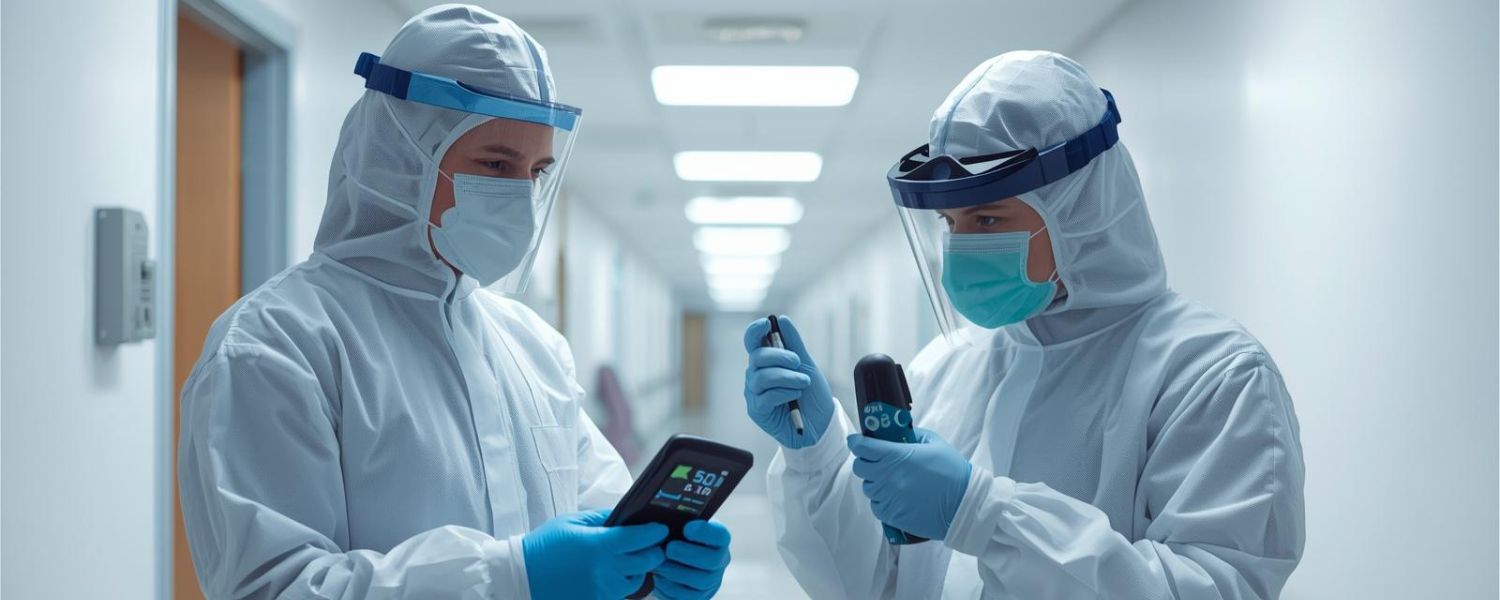
While there are many “at-home” DIY air quality monitors available, they often lack the precision required for a true safety audit. Professional indoor air quality testing involves calibrated instrumentation and laboratory-grade analysis that can distinguish between harmless dust and dangerous spores or chemical vapors.
Top-tier indoor air quality testing companies don’t just hand you a sheet of numbers; they provide context. They understand how building pressure, seasonal changes, and HVAC configurations influence air movement. For businesses and facility managers, this professional oversight is essential for liability protection and regulatory compliance. If employees are complaining of headaches or odors, a documented report from a professional service provides an objective basis for making structural improvements. Relying on experts ensures that the data is actionable, reliable, and scientifically sound, preventing the “trial and error” approach that often wastes time and money.
The Benefits of Indoor Air Quality Services

Investing in comprehensive indoor air quality services offers a high return on investment that goes far beyond simple health compliance. For commercial properties, the primary benefit is a boost in human capital. Studies have shown that improved air quality and lower CO2 levels can lead to a significant increase in cognitive function and worker productivity.
Furthermore, indoor air quality solutions are often synonymous with energy efficiency. When an HVAC system is clogged with debris or struggling against poor airflow, it uses more power to maintain temperatures. By optimizing filtration and cleaning the air delivery pathways, the system runs more smoothly, leading to lower utility bills and a longer lifespan for expensive machinery. Ultimately, these services create an environment where people feel energized rather than drained, turning a building into an asset rather than a health liability.
Indoor Air Quality Testing Services – A Step-by-Step Process
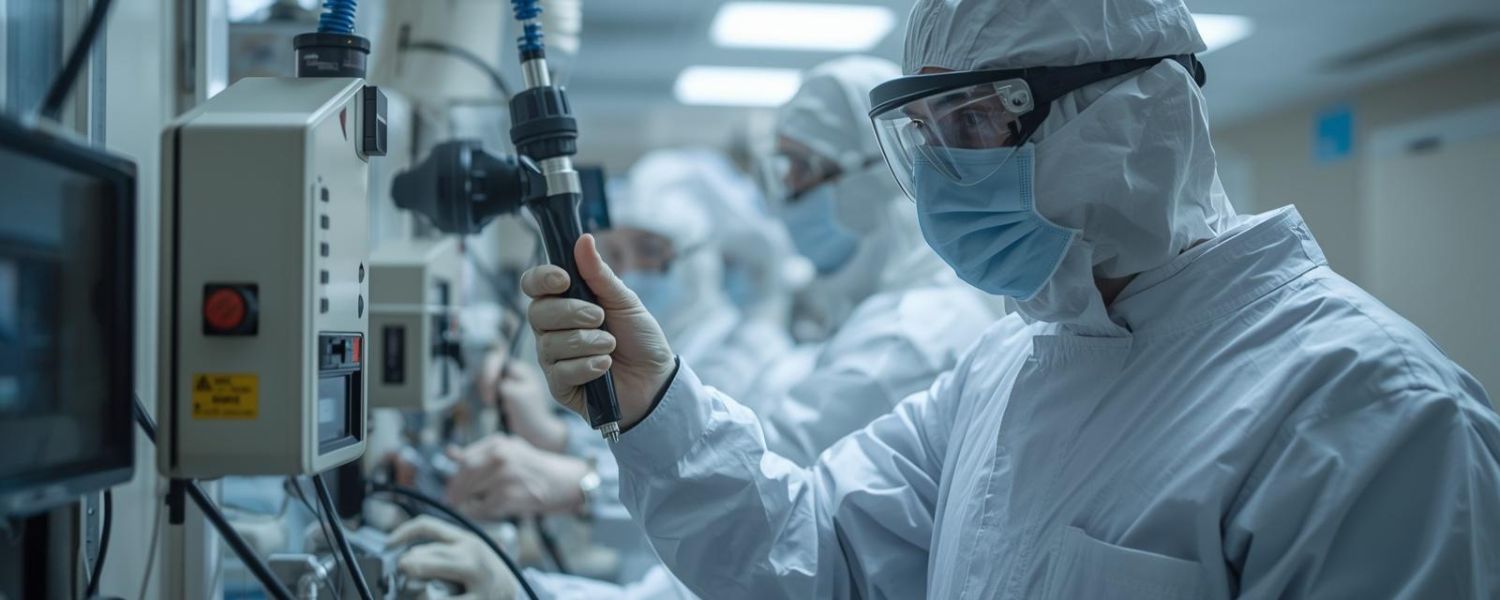
When you partner with Health System Sciences LLC, the process of clearing the air is methodical and transparent. Our indoor air quality testing services are designed to be non-disruptive yet exhaustive. The typical journey includes:
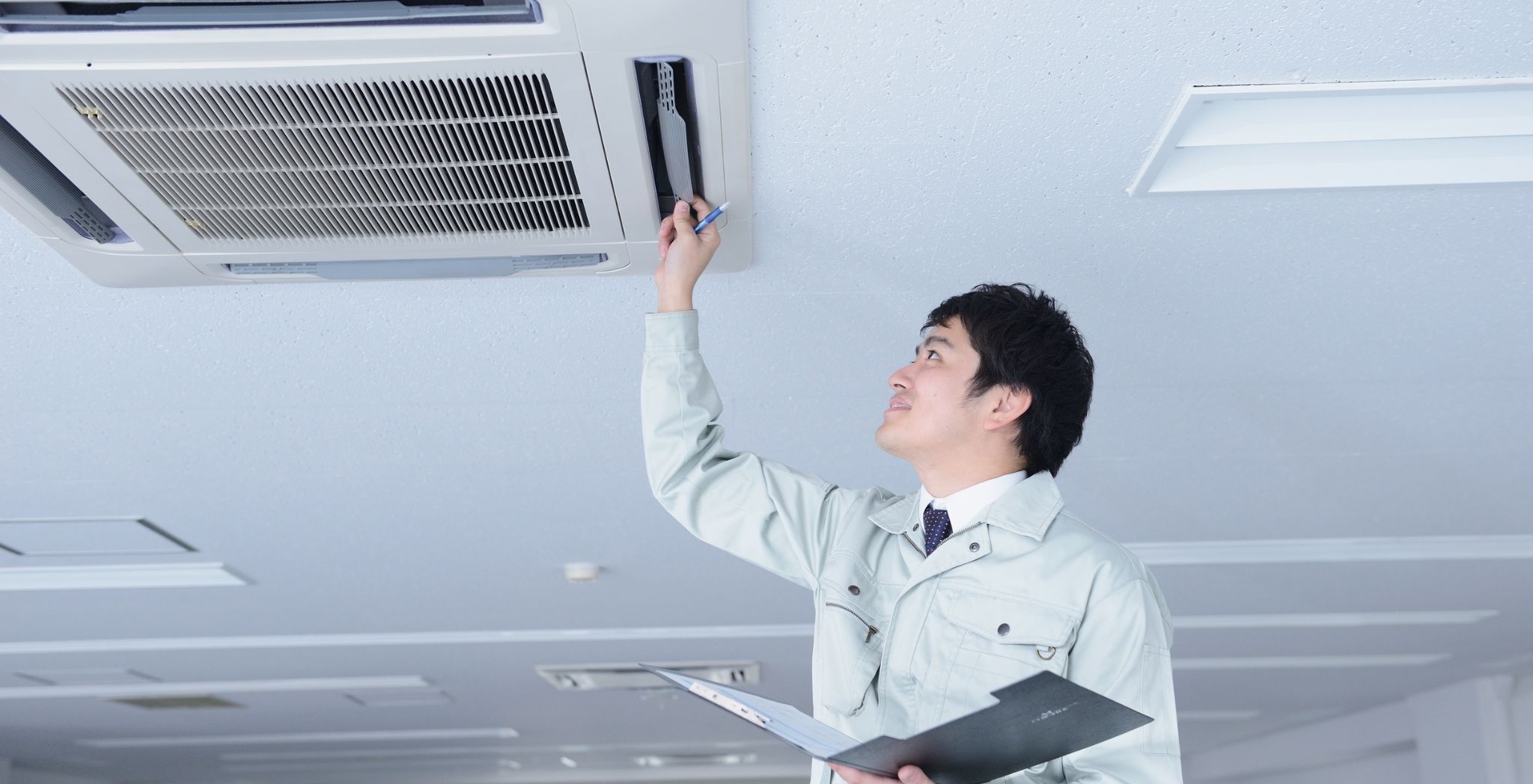
- Initial Consultation & Property Inspection: We begin by discussing known issues and performing a visual walkthrough to identify potential problem areas like water damage or blocked vents.
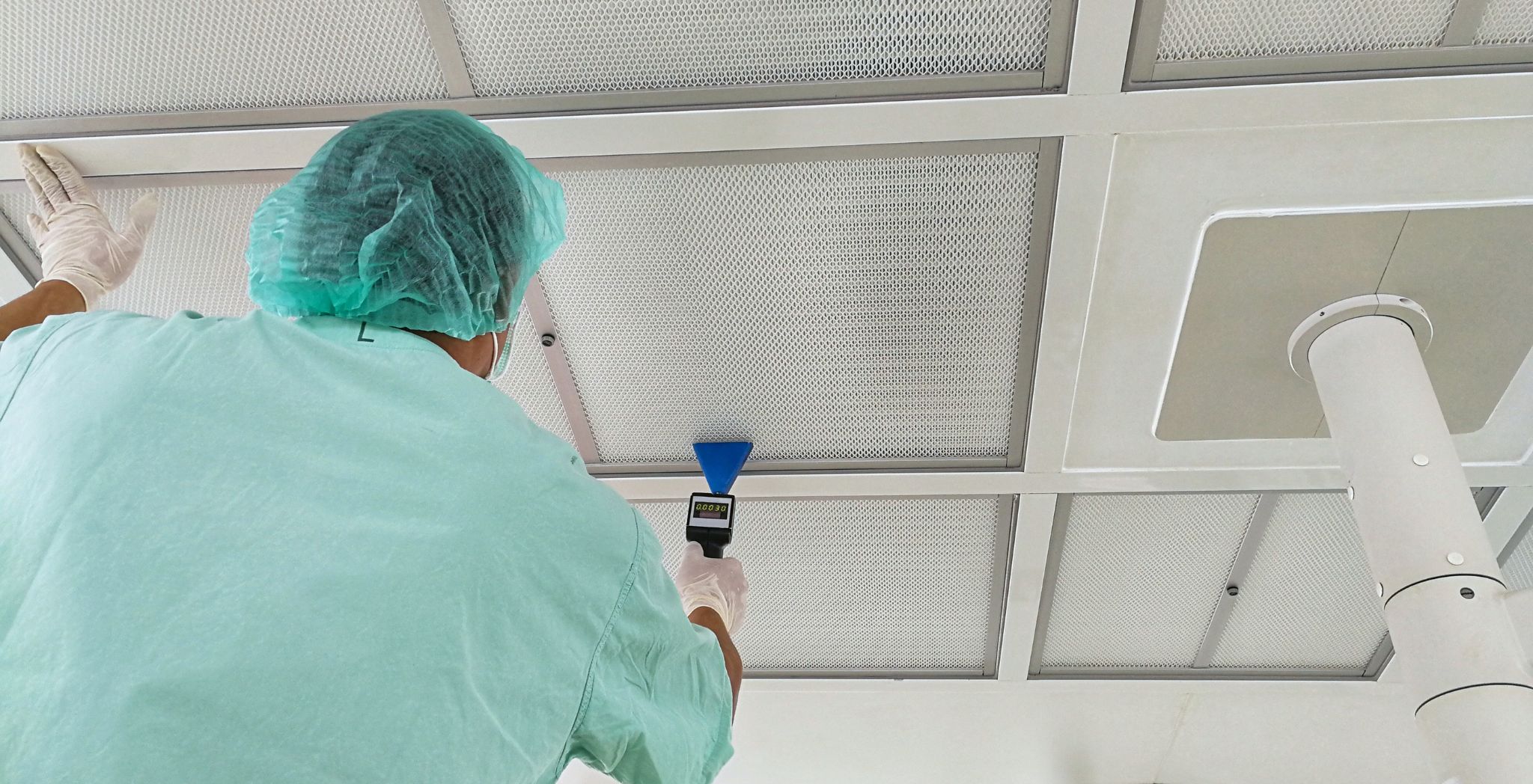
- Air Sampling: Using specialized equipment, we collect samples of the air to measure for VOCs, mold spores, particulates, and gases.
- Laboratory Analysis: Samples are analyzed to determine the exact nature and concentration of contaminants.
- Source Identification: We don’t just find the “what”; we find the “where.” We pinpoint the source of the pollution, whether it’s a faulty furnace or a hidden leak.
- Actionable Recommendations: We provide a detailed report featuring tailored indoor air quality testing results and specific steps for improvement, such as upgrading filtration or adjusting ventilation cycles.
This comprehensive approach ensures that the safety of building occupants is never left to guesswork.
Improve Your Air Quality with a Professional Assessment
Your health and the health of your employees or family are too important to leave to chance. Professional intervention is the only way to guarantee the air you breathe is pure.
Health System Sciences LLC offers specialized indoor air quality testing services and customized solutions tailored to your specific environment. Don’t wait for symptoms to worsen or for energy costs to spike.
Frequently Asked Questions
What is indoor air quality testing?
It is a scientific analysis of the air inside a building to measure the levels of pollutants. This includes testing for mold, allergens, carbon monoxide, VOCs, and particulate matter to ensure the environment meets health and safety standards.
How can I improve my indoor air quality?
The most effective indoor air quality solutions involve a three-pronged approach: source control (removing the pollutant), improved ventilation (bringing in fresh air), and air cleaning (using high-efficiency filters and purifiers).
How do I know if I need air quality testing?
If occupants report frequent headaches, respiratory irritation, or “brain fog” that improves when they leave the building, or if you notice persistent odors and visible mold, you should immediately seek an indoor air quality assessment.
What is the cost of indoor air quality testing?
Pricing varies based on the size of the facility, the number of samples required, and the complexity of the pollutants being analyzed. Health System Sciences LLC provides transparent quotes based on your specific needs.
Where should I get indoor air quality testing?
It is vital to work with trusted environmental compliance experts. Health System Sciences LLC specializes in accurate, professional testing and provides actionable solutions to ensure your indoor spaces remain healthy and compliant.
Conclusion – Ensure Safe, Healthy Air with Professional Indoor Air Quality Testing
Maintaining high standards for the air we breathe is a cornerstone of modern health and wellness. From reducing the spread of airborne illnesses to improving the focus of an entire workforce, the benefits of investing in indoor air quality solutions are undeniable. However, the path to cleaner air must begin with data.
Through professional indoor air quality testing, you gain the clarity needed to make smart, effective changes to your environment. By identifying the invisible threats lurking in your vents and walls, you can implement indoor air quality services that protect your most valuable assets—the people inside. Reach out to Health System Sciences LLC today to secure a comprehensive assessment and take the first step toward a cleaner, healthier future.



Leave A Comment