
What Is Water Quality Testing?
Understanding the Basics of Water Analysis
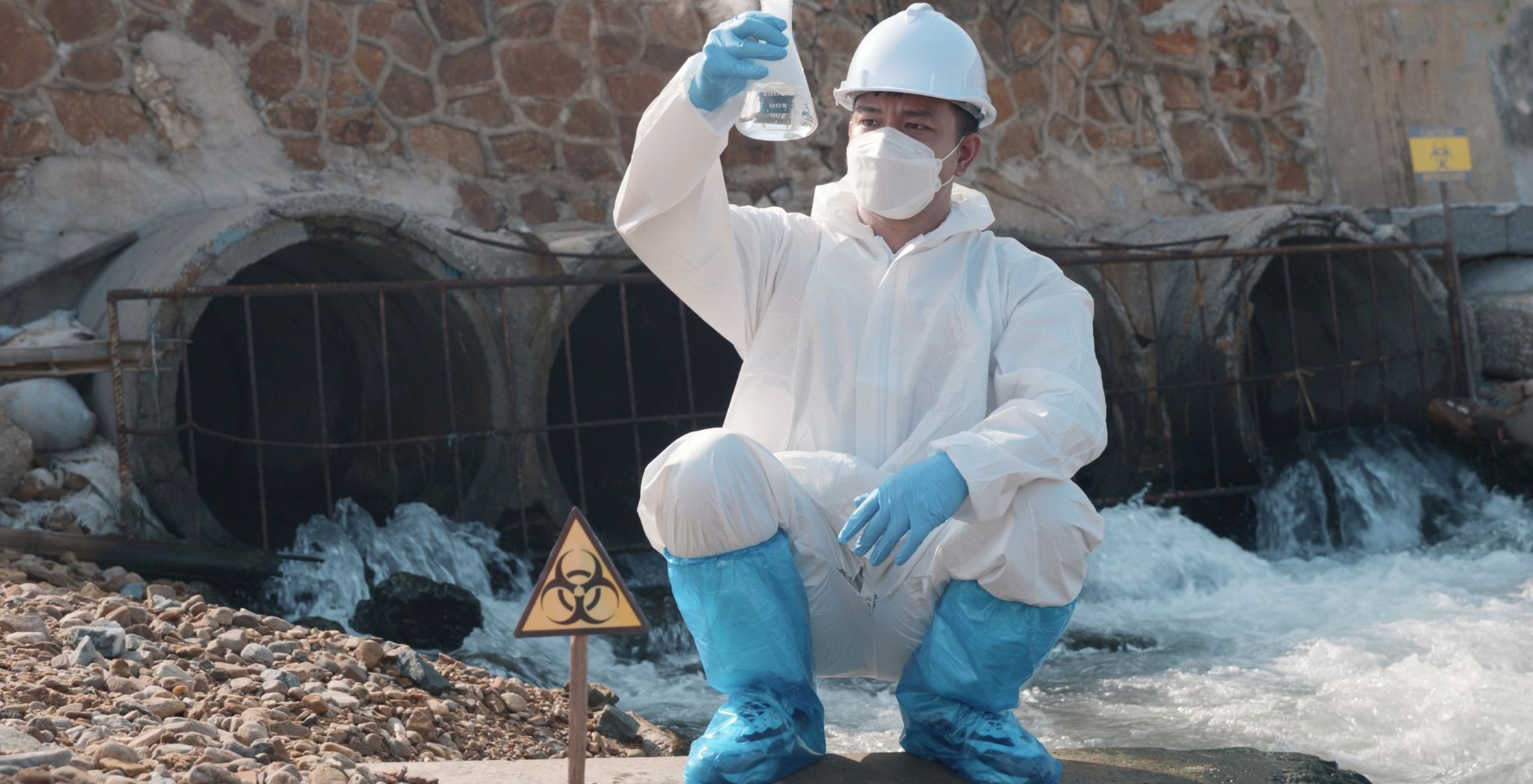
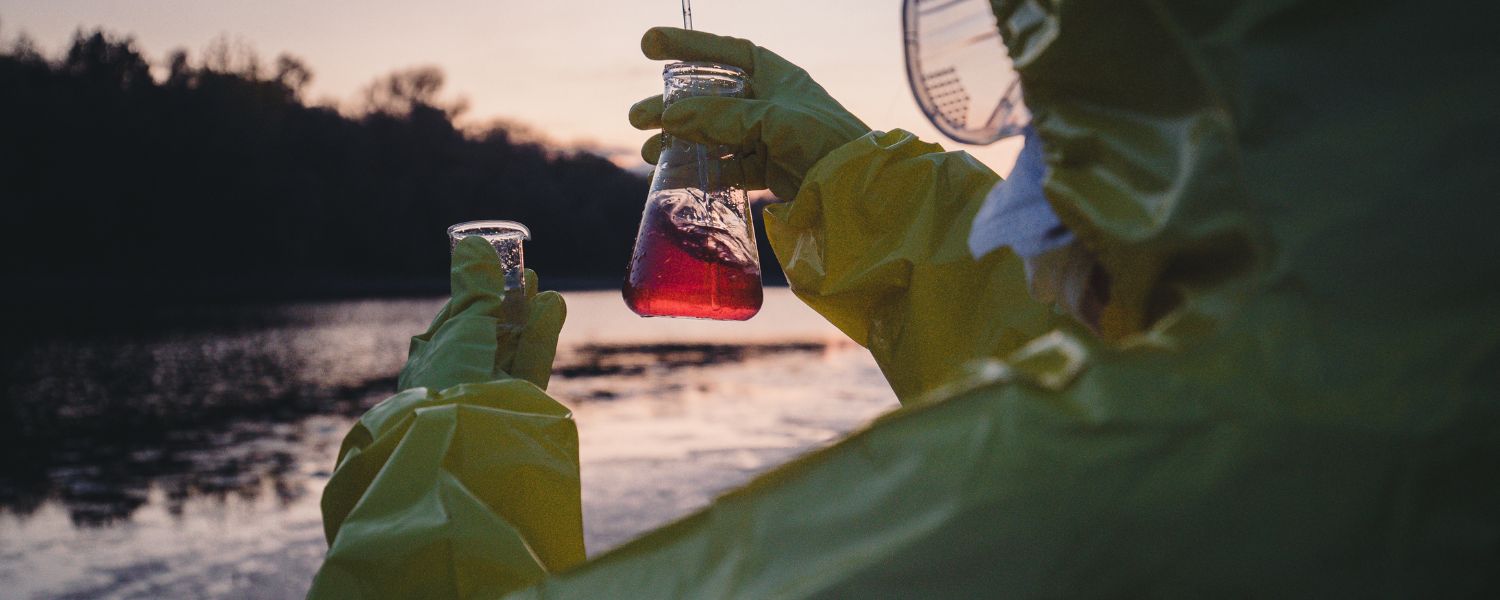
Water quality testing is the scientific process of collecting and analyzing water samples to determine what is present in the water and whether those substances are safe for human use.
It is not a single test. It is a broad term that covers dozens of different analyses, each designed to detect a specific type of contaminant or measure a specific property. Depending on your water source and intended use, testing can look at:
pH levels — Water that is too acidic or too alkaline can damage pipes, irritate skin, and affect how the body absorbs minerals.
Chlorine levels — While chlorine is added to municipal water to kill bacteria, too much of it can form harmful byproducts called trihalomethanes, which are linked to increased cancer risk.
Lead and heavy metals — Lead can leach into water from old pipes and plumbing fixtures, especially in older buildings. Even tiny amounts are dangerous, particularly for children.
Nitrates — Common in agricultural areas, nitrates can enter groundwater through fertilizer runoff and pose a serious risk to infants.
Bacteria and microorganisms — Testing for coliform bacteria, E. coli, Legionella, and other pathogens is essential for confirming that water is biologically safe to drink.
Pesticides and industrial chemicals — Especially relevant near farmland or industrial zones, where chemical runoff can contaminate groundwater.
Water quality testing applies to both drinking water and wastewater. For drinking water, the goal is to ensure it meets standards set by regulatory bodies like the Environmental Protection Agency (EPA). For wastewater, testing helps ensure that what is being discharged back into the environment does not cause ecological or public health damage.
Professional water quality testing goes beyond simple home test kits. It involves certified laboratories, calibrated instruments, chain-of-custody protocols, and trained scientists who can interpret results accurately. This level of rigor is what separates guesswork from genuine safety assurance.
Why Water Quality Testing Is Crucial for Your Health
The Real Risks of Contaminated Water
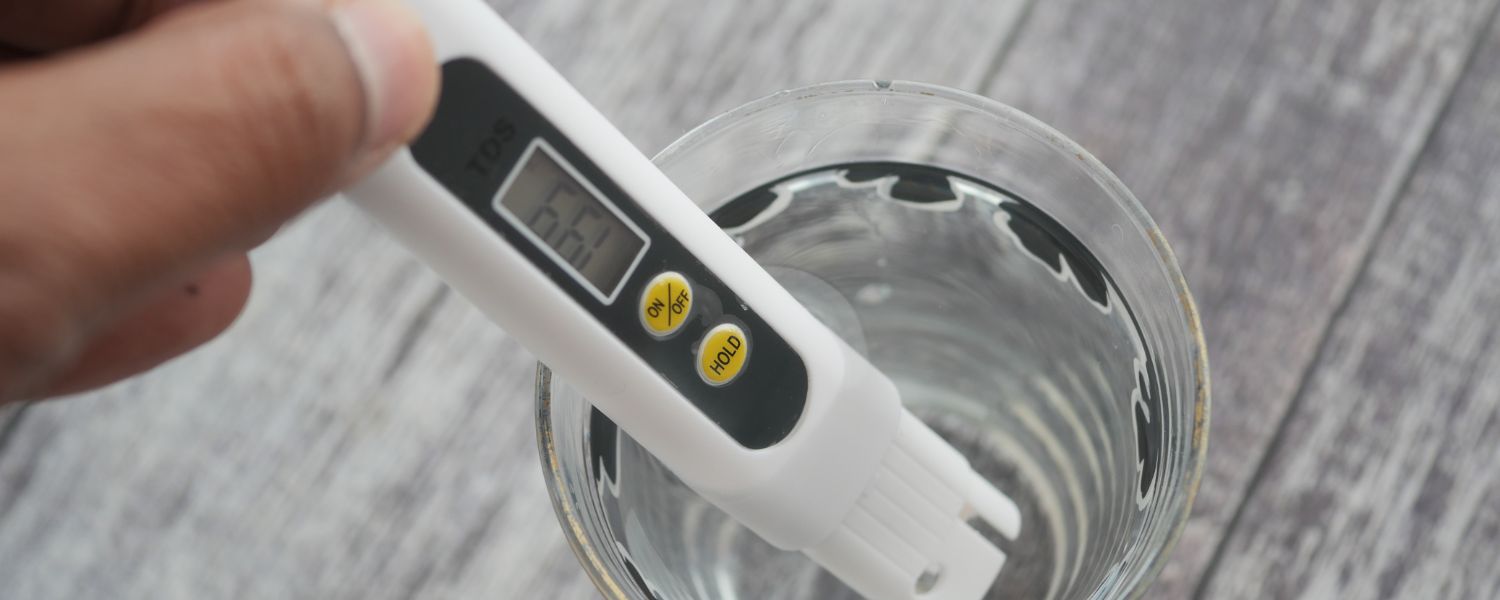
You might be wondering if my local water utility already tests the water, why should I test it again? The answer is simple: contamination can happen anywhere along the delivery chain, including inside your own home.
Municipal water may leave the treatment plant in good condition, but by the time it travels through aging infrastructure and reaches your tap, it can pick up contaminants. Private well owners have even less protection, as their water is not treated or monitored by any public authority.
Here is what contaminated water can do to your health:
Bacterial infections — Pathogens like E. coli and Salmonella can cause severe gastrointestinal illness. Symptoms include nausea, vomiting, diarrhea, and in vulnerable individuals especially children, the elderly, and immunocompromised people these infections can be life-threatening.
Chemical exposure — Lead exposure, even at low levels, can permanently impair neurological development in children. Pesticide residues in water have been linked to hormonal disruption, fertility problems, and elevated cancer risk.
Long-term chronic conditions — Prolonged exposure to contaminated water has been associated with kidney disease, liver damage, neurological disorders, and certain types of cancer. These effects are cumulative and often go unnoticed for years until serious damage has already been done.
Waterborne disease outbreaks — Beyond individual households, contaminated water in schools, office buildings, or healthcare facilities can cause widespread illness.
This is where water testing services play a critical, life-saving role. Regular testing allows for early detection of contaminants before they reach dangerous levels. It identifies problems that are otherwise invisible. And it gives you the information you need to take corrective action — whether that means installing a filter, treating the water, or replacing outdated plumbing.
The benefits of routine testing are not just reactive — they are proactive. Knowing your water is clean gives you genuine peace of mind. Not just the assumption of safety, but actual, lab-verified confirmation.
The Water Testing Process
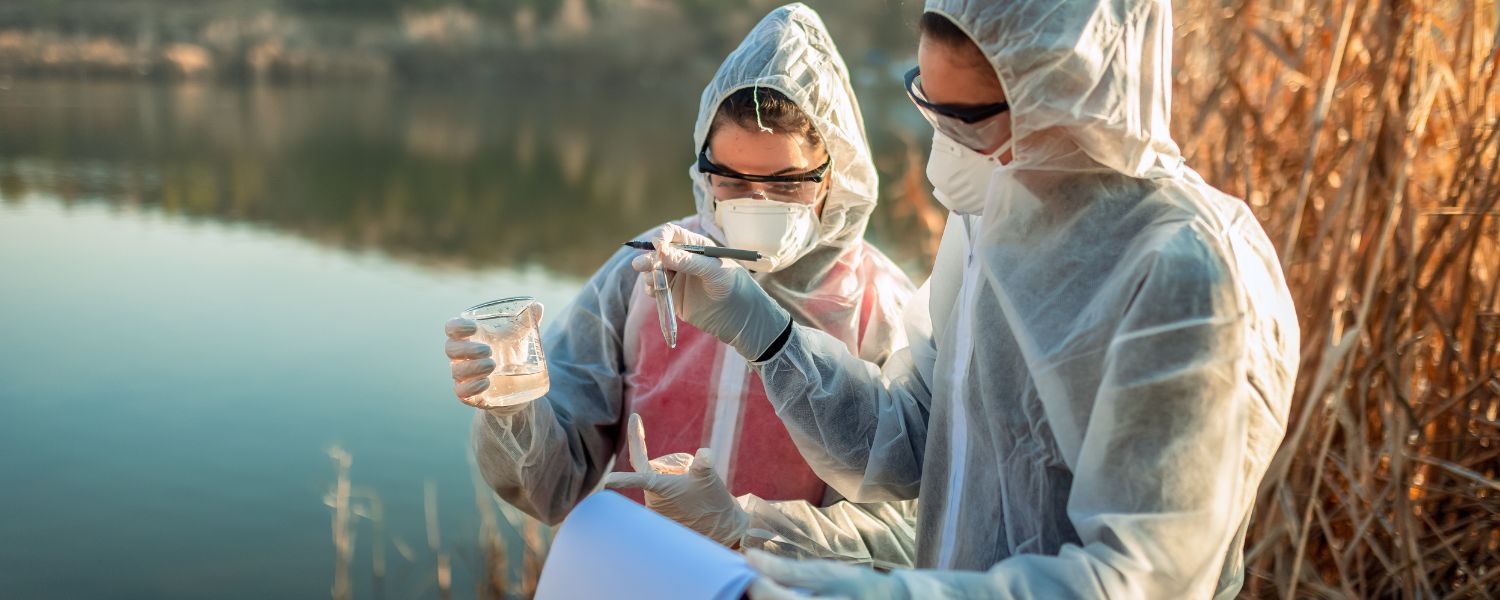
If you have never gone through a water testing process before, it can feel unfamiliar or intimidating. In reality, it is a straightforward, well-structured procedure when handled by qualified professionals.
Step 1 — Sampling
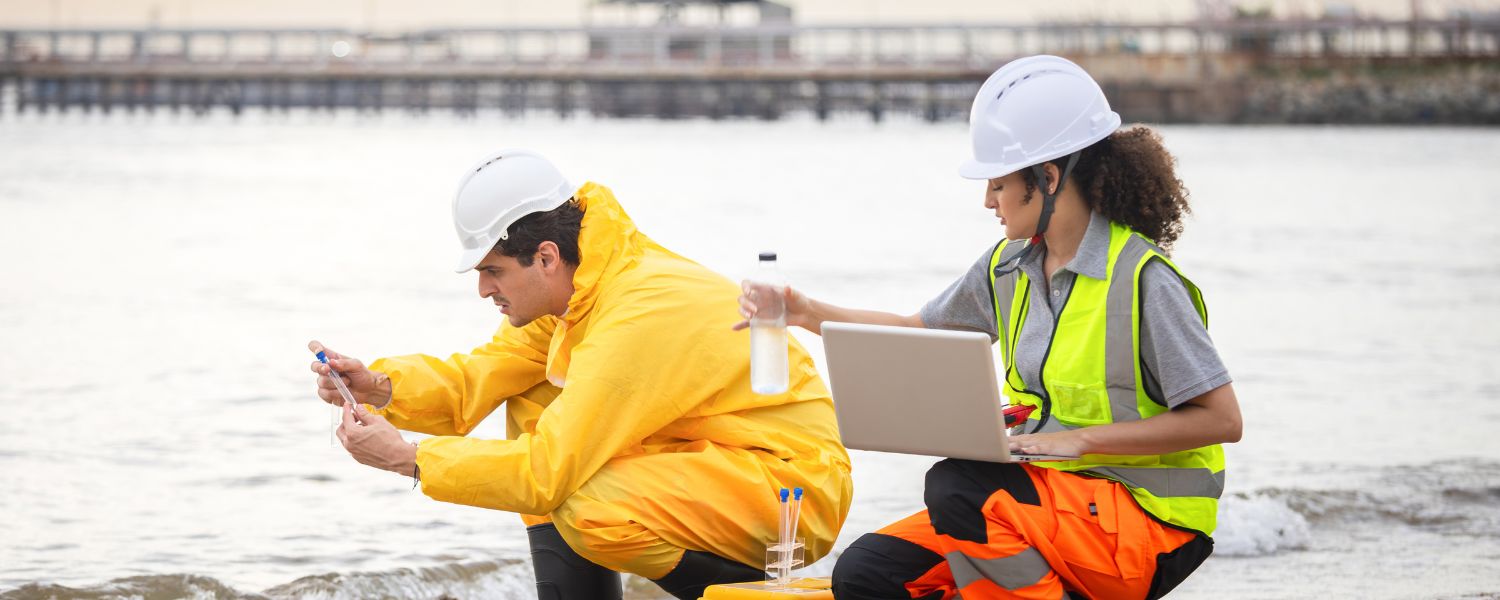
The process begins with collecting water samples. This sounds simple, but proper sampling technique is critical. Samples must be collected from the right locations taps, wells, storage tanks, or discharge points using sterile, laboratory-approved containers. Improper collection can contaminate the sample and lead to inaccurate results. Professionals follow strict protocols to ensure that what gets tested truly reflects what is in your water.
Step 2 — Laboratory Analysis
Once collected, samples are transported to a certified laboratory under controlled conditions. There, trained analysts run a battery of tests using advanced equipment spectrophotometers, gas chromatographs, PCR machines, and more to measure the concentration of hundreds of potential contaminants.
Step 3 — Reporting
After analysis, the lab produces a detailed report showing the levels of each substance detected, compared against established safety benchmarks. If any contaminants exceed safe limits, the report will flag them clearly along with recommendations for treatment or remediation.
Professional water testing ensures that every step of this process is handled with accuracy, accountability, and expertise. Unlike home test strips that give rough indicators, professional laboratory testing provides results that are legally defensible, scientifically reliable, and actionable.
Water Quality Compliance and Safety
Common Water Contaminants and Their Impact on Health
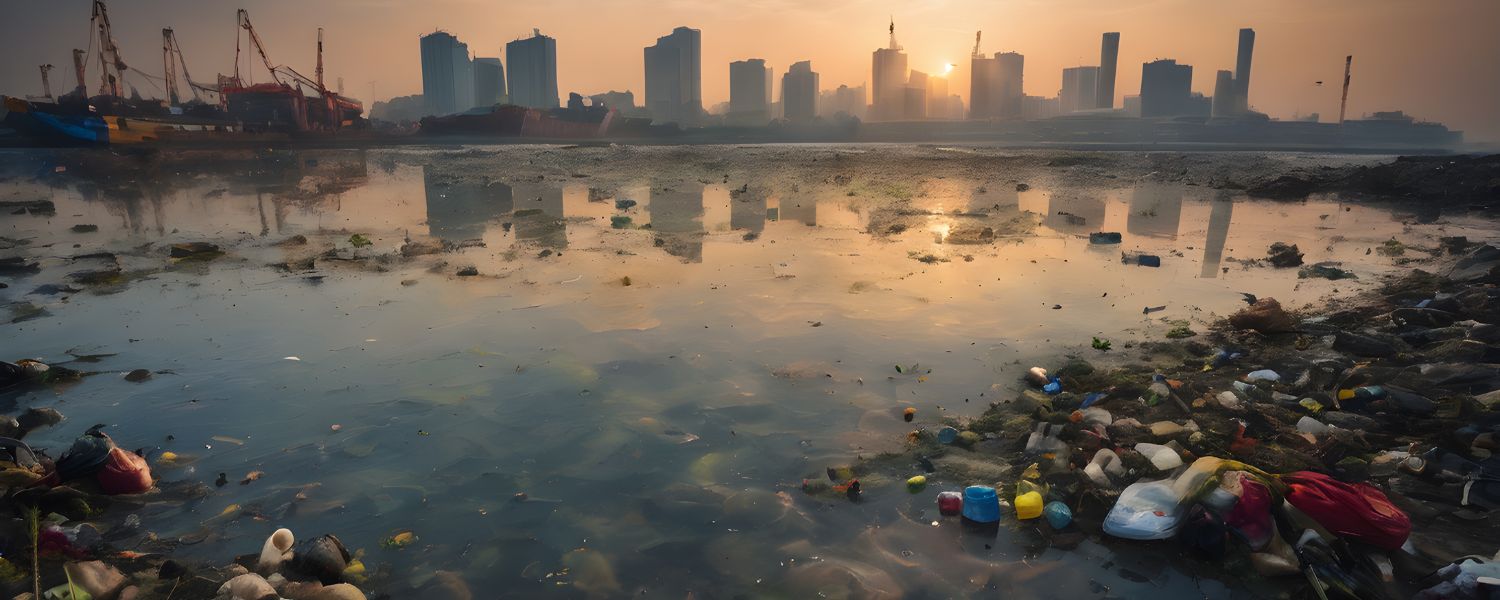
Testing water quality is the only reliable way to know what you are dealing with. Here are some of the most common contaminants found in both drinking and industrial water supplies:
Lead: A heavy metal that enters water through corroded pipes and fittings, especially in buildings constructed before 1986. Lead has no safe level of exposure in children. It causes irreversible damage to brain development, resulting in lower IQ, behavioral problems, and learning disabilities.
Nitrates: Primarily found in well water in agricultural regions, nitrates are byproducts of fertilizer use. In infants under six months, nitrate exposure causes a condition called methemoglobinemia sometimes called “blue baby syndrome” which prevents the blood from carrying oxygen effectively.
Microorganisms: Bacteria, viruses, and parasites can enter water supplies through sewage overflow, animal waste, or inadequate treatment. Giardia and Cryptosporidium, for instance, are parasites that survive standard chlorination and cause severe gastrointestinal illness.
Arsenic: A naturally occurring element found in certain geological regions, arsenic in drinking water is associated with bladder, lung, and skin cancers with long-term exposure.
Pesticides and herbicides: Agricultural runoff can carry these chemicals into groundwater. Chronic exposure has been linked to hormonal disruption, reproductive problems, and certain cancers.
Each of these contaminants requires specific testing methods and specific treatment solutions. A comprehensive water quality test identifies which of these threats if any are present in your water, so the right response can be taken.
Ensure Safe, Compliant Water Systems with Professional Testing
Don’t leave water safety to chance. Health System Sciences LLC offers expert water quality testing services to help you meet regulatory standards and ensure a safe environment.
From detecting harmful contaminants like lead and bacteria to ensuring compliance with EPA and OSHA regulations, we provide the thorough testing and guidance you need to protect your employees and your business.
Frequently Asked Questions
Q. Why should I test my water?
Testing your water ensures it is free from harmful contaminants and meets regulatory standards. Regular testing prevents gastrointestinal illness, lead poisoning, and chemical exposure before they become serious health problems.
Q. What are the signs of water contamination?
Warning signs include unusual taste or odor, cloudy or discolored water, visible particles or sediment, and physical symptoms like diarrhea, nausea, or skin irritation after consumption. However, many contaminants produce no signs at all which is why testing is so important.
Q. How do I test my water?
You can collect water samples and send them to a certified laboratory for analysis. For the most accurate and comprehensive results, professional water testing services handle the entire process from proper sample collection to detailed laboratory analysis and reporting.
Q. What contaminants are most commonly found in water?
The most frequently detected contaminants include bacteria such as E. coli and Salmonella, heavy metals like lead and mercury, pesticides and industrial chemicals, nitrates, and fluoride at excessive levels.
Q. Where should I get my water quality test?
For trustworthy, professional results, contact Health System Sciences LLC. As experienced environmental compliance experts, they provide thorough water testing services with accurate laboratory results, expert interpretation, and clear compliance guidance tailored to your specific situation.
Conclusion: Safe Water Is Not an Accident — It Is a Choice
Water quality is one of the most fundamental pillars of public health. Clean, safe water is not something you should assume you have it is something you should verify.
The good news is that verification is straightforward, reliable, and available to everyone. Whether you are a homeowner concerned about your family’s drinking water, a business owner meeting regulatory requirements, or a facility manager protecting the people in your building, regular water testing gives you the knowledge and the power to act.
Contaminated water does not announce itself. It does not look dangerous. It does not always taste wrong. But the damage it causes to health, to development, to lives is very real.
Ensure the safety of your water system today. Contact Health System Sciences LLC for expert water quality testing services and consulting solutions to maintain a healthy and compliant environment.




Leave A Comment