

What is Biosafety Cabinet Certification?

Biosafety cabinet certification is a structured evaluation process that confirms a biosafety cabinet is performing at the level it was designed to. Think of it like a vehicle inspection just because a car looks fine on the outside does not mean everything under the hood is working correctly. The same logic applies to biosafety cabinets.
During certification, a trained and accredited technician tests several critical aspects of the cabinet’s performance. This includes checking whether the airflow inside the cabinet is moving in the right direction and at the right speed, whether the HEPA (High-Efficiency Particulate Air) filters are intact and functioning properly, and whether the cabinet’s overall structure is free of leaks, damage, or wear that could compromise containment.
Biosafety cabinets are typically classified into three types like Class I, Class II, and Class III each offering different levels of protection depending on the biological safety level (BSL) of the materials being handled. Regardless of type, all biosafety cabinets used in a professional lab setting must meet established performance benchmarks.
The primary standards that govern biosafety cabinet certification requirements come from organizations like the American National Standards Institute (ANSI) and the National Sanitation Foundation (NSF). Specifically, NSF/ANSI 49 is the most widely recognized standard for Class II biosafety cabinets in the United States. It outlines the minimum performance criteria that a cabinet must meet in order to be considered safe for use.
Certification is not a one-time event. It is an ongoing commitment to safety. A cabinet that passed certification two years ago may no longer meet current performance standards due to filter degradation, mechanical wear, or subtle damage over time. This is why regular, scheduled certification is a core part of laboratory safety management not an optional add-on.
Why is Biosafety Cabinet Certification Crucial for Laboratory Safety?

The answer is straightforward: because the materials being handled inside biosafety cabinets can kill people.
Labs working with infectious agents, live pathogens, drug compounds, or toxic chemicals depend on their biosafety cabinets to create a controlled barrier between those materials and the people working with them. If that barrier fails even partially the consequences can be severe. Exposure to dangerous pathogens can lead to infection. Accidental contact with toxic chemicals can cause serious injury. And in some worst-case scenarios, contamination can spread beyond the individual worker and into the broader lab environment.
Biosafety cabinet certification is what makes sure those barriers hold. Here is why it matters so deeply:
Preventing cross-contamination. In labs that handle multiple samples or work with highly infectious materials, even the smallest breach in containment can cause sample cross-contamination. This compromises research results and, more importantly, puts people at risk. A certified cabinet has verified airflow patterns that keep potentially contaminated air from escaping into the room.
Protecting laboratory workers. Lab technicians and researchers spend hours working inside or near biosafety cabinets. If the HEPA filters are degraded or the airflow is off-balance, those workers could be unknowingly inhaling particles that should have been captured and filtered. Certified cabinets provide measurable, documented proof that the protection is real not assumed.
Maintaining regulatory compliance. Agencies like the CDC, OSHA, and various accreditation bodies require laboratories to maintain certified equipment. Non-compliance can result in fines, loss of accreditation, and in serious cases, facility closures. Biosafety cabinet certification companies like Health System Sciences LLC help labs stay ahead of these requirements with scheduled, professional testing and documentation services.
Protecting research integrity. Beyond personal safety, uncertified cabinets can compromise the validity of research. If a cabinet is not maintaining proper containment or sterility, it could be contaminating samples without anyone knowing it. Certified performance means reliable, trustworthy results.
The risks of skipping or delaying certification are simply not worth it. A malfunctioning BSC does not announce itself it quietly fails, often without any visible warning signs.
Biosafety Cabinet Certification Requirements
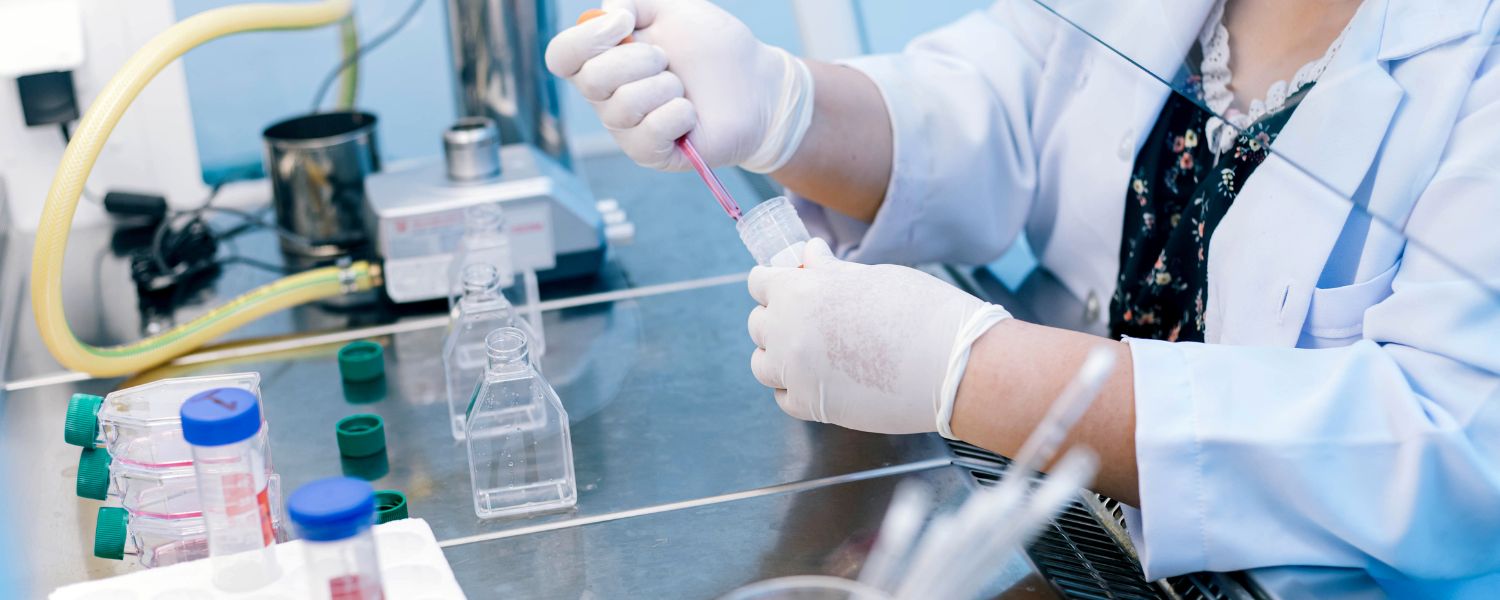
Understanding what goes into the certification process helps labs prepare properly and know what to expect. Biosafety cabinet certification requirements cover several key areas:
Airflow testing is one of the most critical parts of the process. Technicians measure the velocity and direction of air movement inside and around the cabinet. For Class II cabinets, this includes verifying both the inflow (air drawn into the cabinet from the room) and the downflow (sterile air flowing down over the work surface). Any deviation from required values indicates a problem that needs to be corrected before the cabinet can be certified.
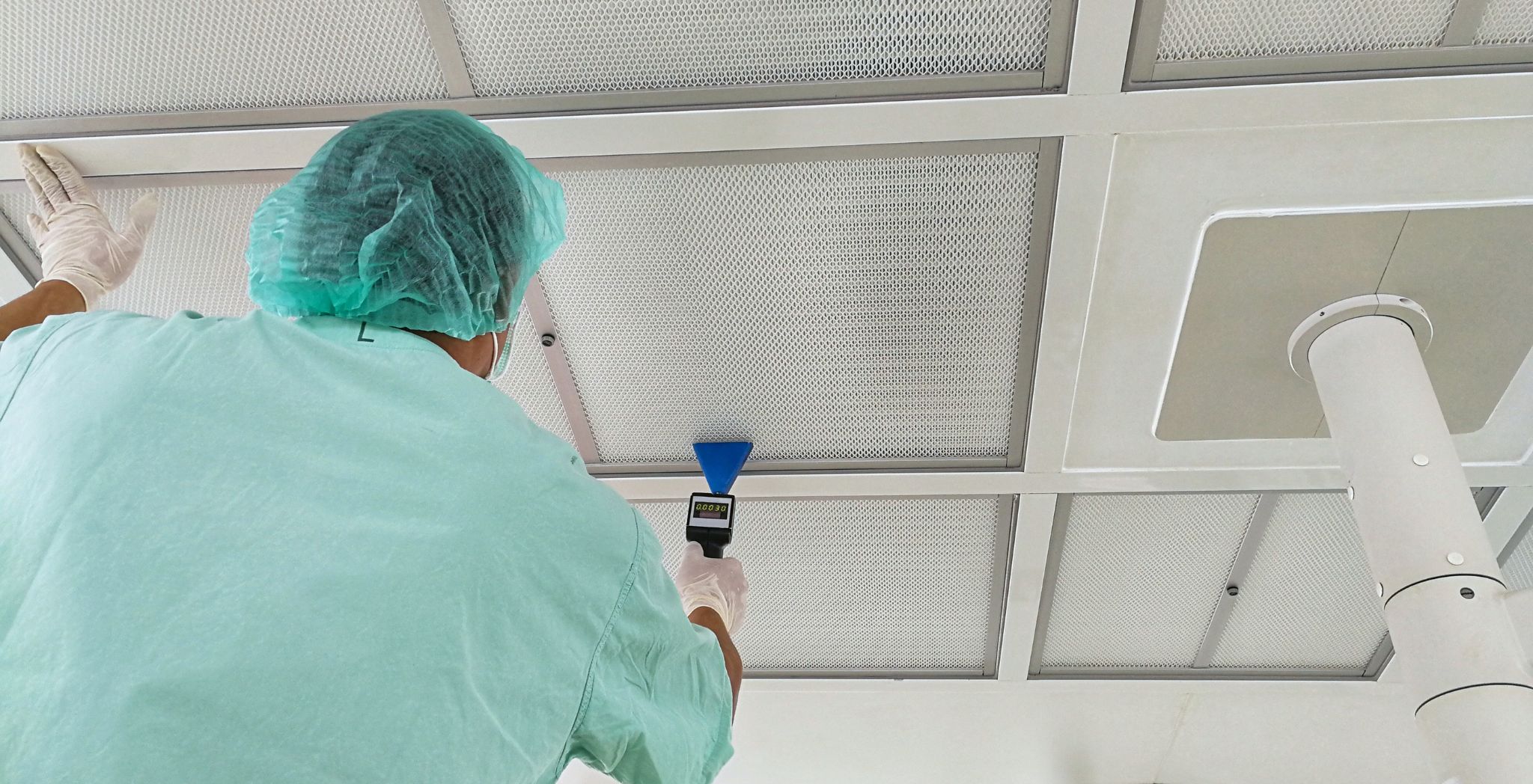
HEPA filter integrity testing verifies that the cabinet’s filters are not damaged and are effectively capturing particulates. This is typically done using an aerosol photometer, which introduces fine particles upstream of the filter and measures how many, if any, make it through to the other side. Any detectable leakage means the filter must be replaced or repaired.
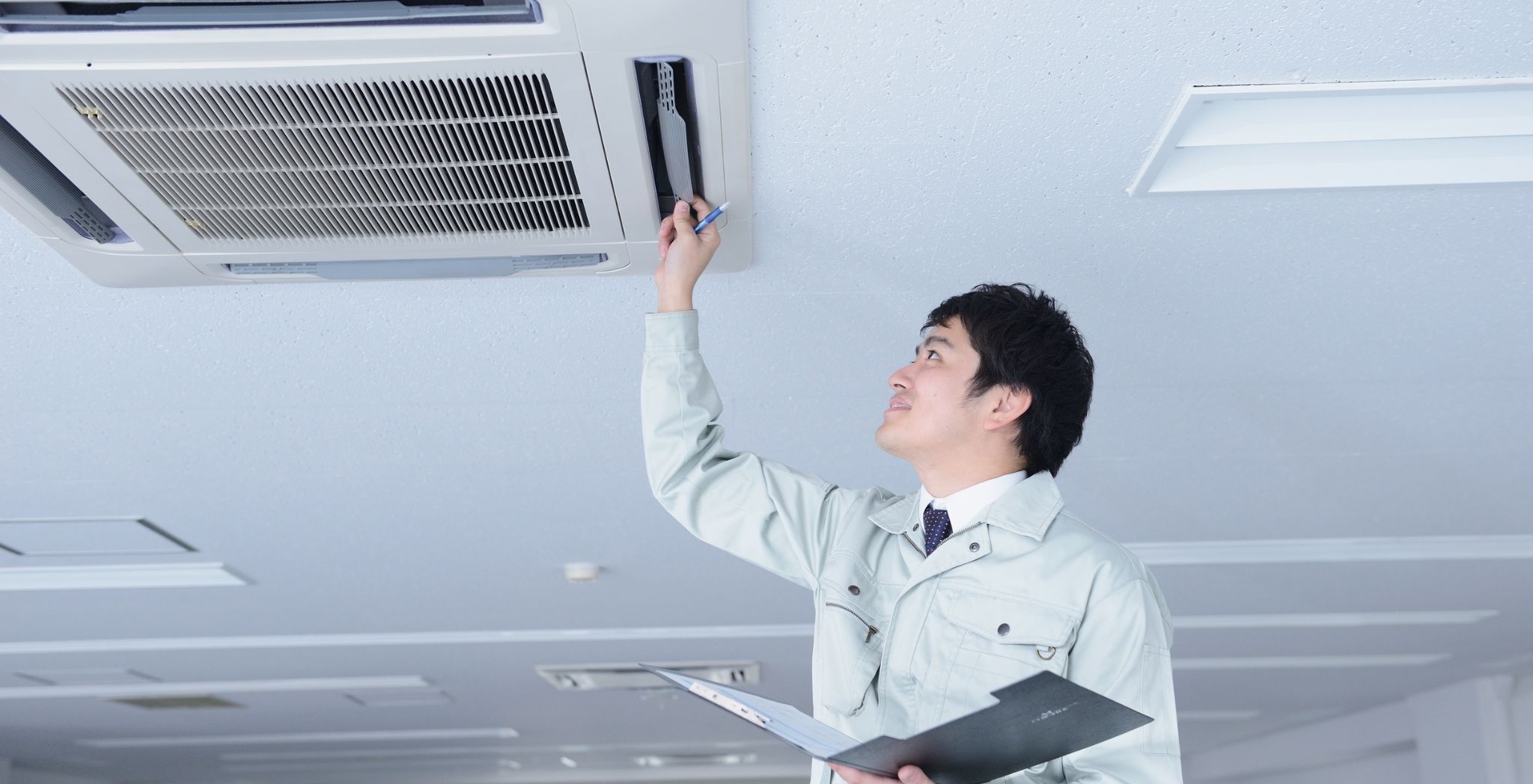
Visual and structural inspection involves a thorough examination of the cabinet’s physical condition checking seals, gaskets, sash mechanisms, lighting, and electrical components. Even small structural issues can affect performance.
Calibration of controls and alarms ensures that all safety features, including airflow alarms and sash position sensors, are functioning correctly.
The governing standards for these tests include NSF/ANSI 49 and ISO 14644, which set the benchmarks for clean environments and equipment. Proper hazardous material management begins with knowing that your containment equipment has been tested against these standards and found to be fully compliant.
How Often Does a Biosafety Cabinet Need to Be Certified?

The general industry standard is that biosafety cabinets should be certified at least once per year. This annual certification schedule ensures that any performance degradation that has occurred since the last inspection is caught and corrected before it creates a safety risk.
However, annual testing is the minimum. There are several situations that require re-certification outside of the regular schedule:
When a biosafety cabinet is moved from one location to another even within the same facility it must be re-certified. Moving a cabinet can disturb internal components, shift seals, and alter airflow patterns. What was working perfectly in one spot may not perform the same way after relocation.
After any repairs or modifications, re-certification is mandatory. Whether a HEPA filter was replaced, a blower motor was serviced, or the cabinet underwent structural repairs, the performance must be re-verified before the cabinet is put back into service.
If a cabinet has been idle for an extended period, it is good practice to have it re-certified before resuming use. Dust buildup, component settling, and environmental changes can all affect performance during downtime.
Working with biosafety cabinet certification companies that offer flexible scheduling and fast turnaround makes it easier for labs to stay compliant without disrupting daily operations.
How to Certify a Biosafety Cabinet
The certification process follows a clear and systematic series of steps that must be carried out by a qualified, accredited field technician.
Step 1 — Pre-certification inspection. Before testing begins, the technician performs a full visual inspection of the cabinet. This includes checking the physical condition of the unit, looking for cracks, gaps, worn seals, or damaged components that could affect containment or airflow.
Step 2 — Performance testing. This is the heart of the certification process. The technician conducts airflow velocity and pattern tests, HEPA filter integrity tests, and checks the functionality of all safety features. For labs that also use a chemical fume hood, similar testing principles apply, though chemical fume hoods operate under different standards and serve a different purpose than biosafety cabinets.
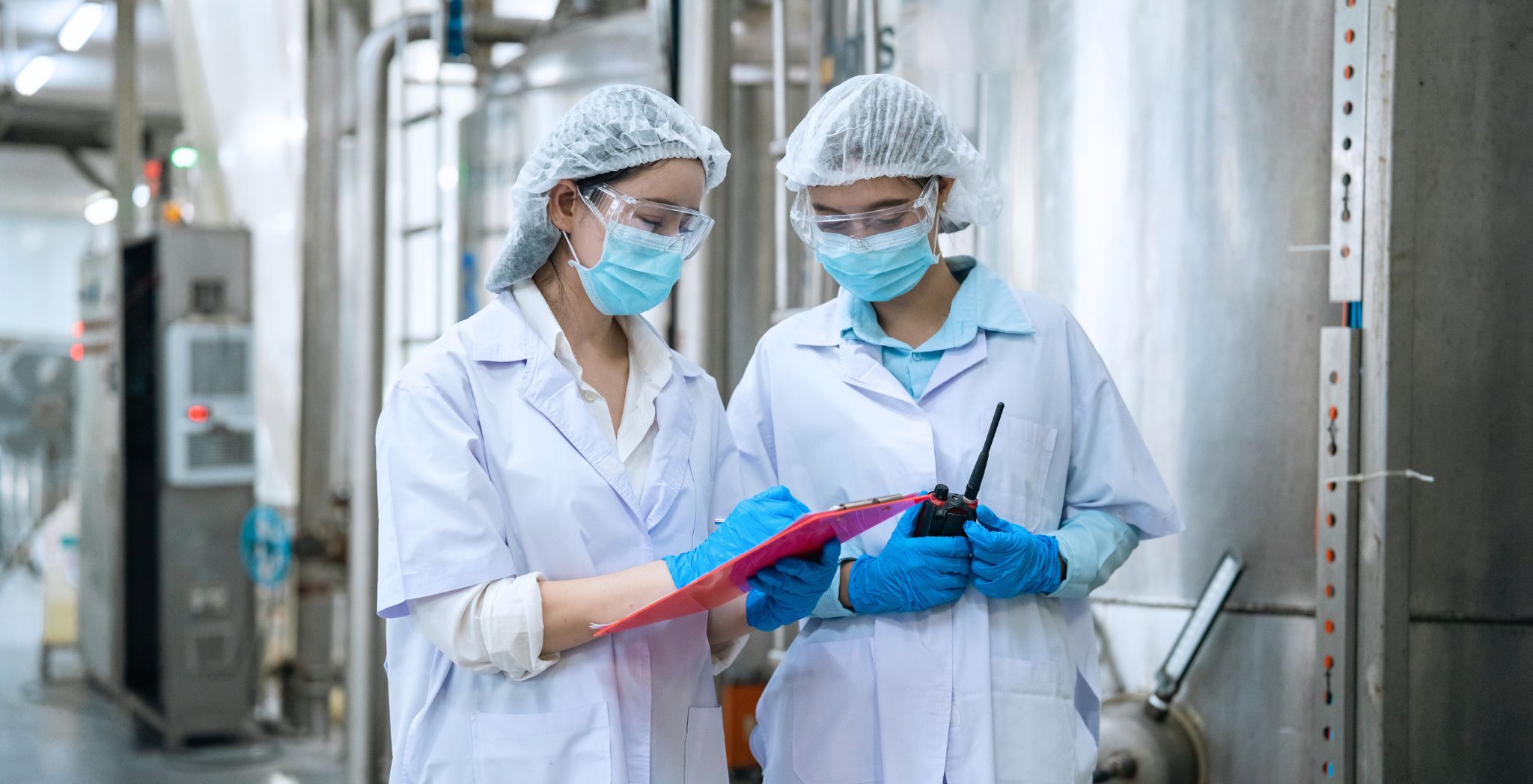
Step 3 — Documentation and reporting. Once testing is complete, all results are recorded and compiled into a formal certification report. This document becomes part of the lab’s compliance records and should be kept on file for inspection by regulatory agencies or accreditation auditors.
Step 4 — Follow-up and maintenance recommendations. If any issues were found during testing, the certifying technician will provide recommendations for corrective action. Some issues can be resolved on the spot; others may require ordering parts or scheduling follow-up service.
Ensure Your Biosafety Cabinet Meets Industry Standards
Protect your lab workers and ensure your biosafety cabinets are functioning properly with professional certification services from Health System Sciences LLC.
Biosafety cabinet certification ensures proper containment of hazardous materials, preventing exposure to dangerous pathogens or chemicals. Don’t leave safety to chance—ensure your lab remains compliant and safe.
Frequently Asked Questions (FAQ)
Q. What is biosafety cabinet certification?
Biosafety cabinet certification ensures that a biosafety cabinet meets the required performance standards to provide effective containment of hazardous substances, such as pathogens or chemicals, and protect laboratory workers from exposure.
Q. How often does a biosafety cabinet need to be certified?
Biosafety cabinets should be certified annually to ensure they maintain proper performance, but it may also be necessary to re-certify after repairs, modifications, or relocation of the cabinet.
Q. How to certify a biological safety cabinet?
To certify a biological safety cabinet, you need to inspect the cabinet for damage or wear, test the airflow and filter performance, ensure compliance with industry standards such as NSF/ANSI 49, and document results to provide formal certification.
Q. Is it OK to work in an uncertified BSC?
No, working in an uncertified BSC is unsafe and may lead to uncontrolled exposure to hazardous materials. Certification ensures that the cabinet performs as required to protect laboratory workers and maintain containment of dangerous substances.
Q. Where should I get hazardous material management at my workplace?
For professional biosafety cabinet certification and hazardous material management, contact certified and accredited environmental compliance experts like Health System Sciences LLC. We provide comprehensive testing, certification, and consulting services to ensure laboratory safety and compliance.
Conclusion
Biosafety cabinet certification is not a bureaucratic checkbox it is a fundamental pillar of laboratory safety. It protects workers from dangerous biological and chemical exposures, safeguards the integrity of scientific research, and ensures that your lab remains in compliance with the regulatory standards that govern how hazardous materials must be handled. Without it, even the most well-equipped laboratory is operating on assumptions rather than verified facts.
The good news is that maintaining certification does not have to be complicated. With the right partner, it becomes a routine, reliable part of your lab’s safety program.
Ensure your biosafety cabinets meet industry standards and protect your workers. Contact Health System Sciences LLC for biosafety cabinet certification services and hazardous material management solutions to maintain a safe and compliant laboratory environment.



Leave A Comment