
What is a HEPA Filter?
Understanding the Basics
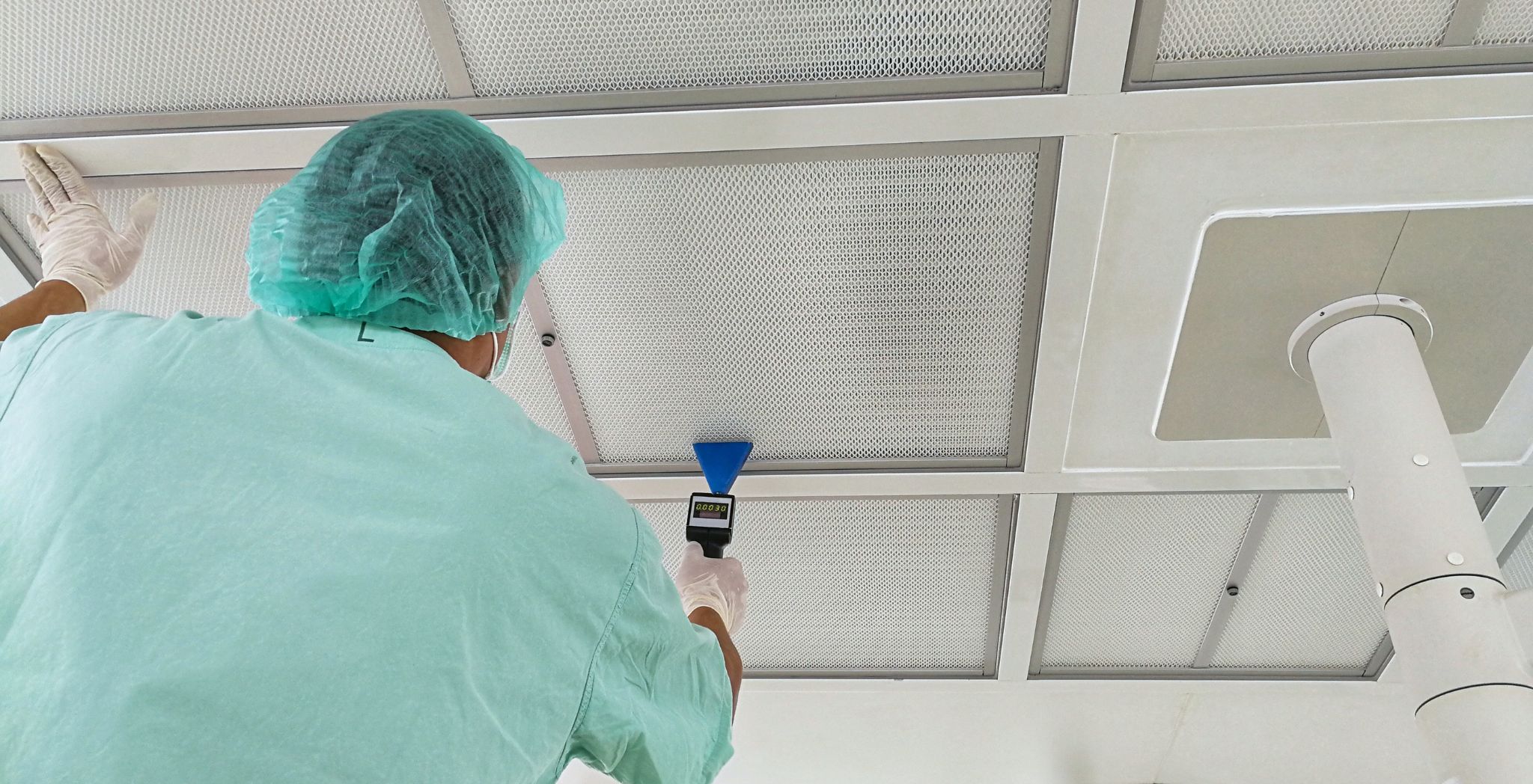
HEPA stands for High-Efficiency Particulate Air. It is not just a marketing term it is an actual standard. To qualify as a true HEPA filter, a filter must be capable of capturing at least 99.97% of particles that are 0.3 microns or larger in diameter. To put that in perspective, a single human hair is about 70 microns wide. HEPA filters catch things far, far smaller than that.
So what exactly does a HEPA filter trap? The list includes dust mites, pollen, mold spores, pet dander, tobacco smoke, certain bacteria, and even some viruses. In workplace settings, this capability is not just convenient it is critical.
How Does a HEPA Filter Actually Work?
Understanding what is a HEPA filter means understanding its filtration mechanism. Unlike simple filters that just block large particles, HEPA filters use three distinct physical processes to capture contaminants:
Interception happens when a particle follows the airflow but comes close enough to a fiber that it sticks to it.
Impaction occurs when larger, heavier particles cannot follow the curved airflow path and collide directly with the fibers.
Diffusion applies to the smallest particles, which move erratically due to gas molecule collisions and end up making contact with filter fibers as a result.
Together, these three processes make HEPA filtration one of the most reliable air purification technologies available today.
Where Are HEPA Filters Used?
HEPA filters are used across a wide range of applications in the workplace:
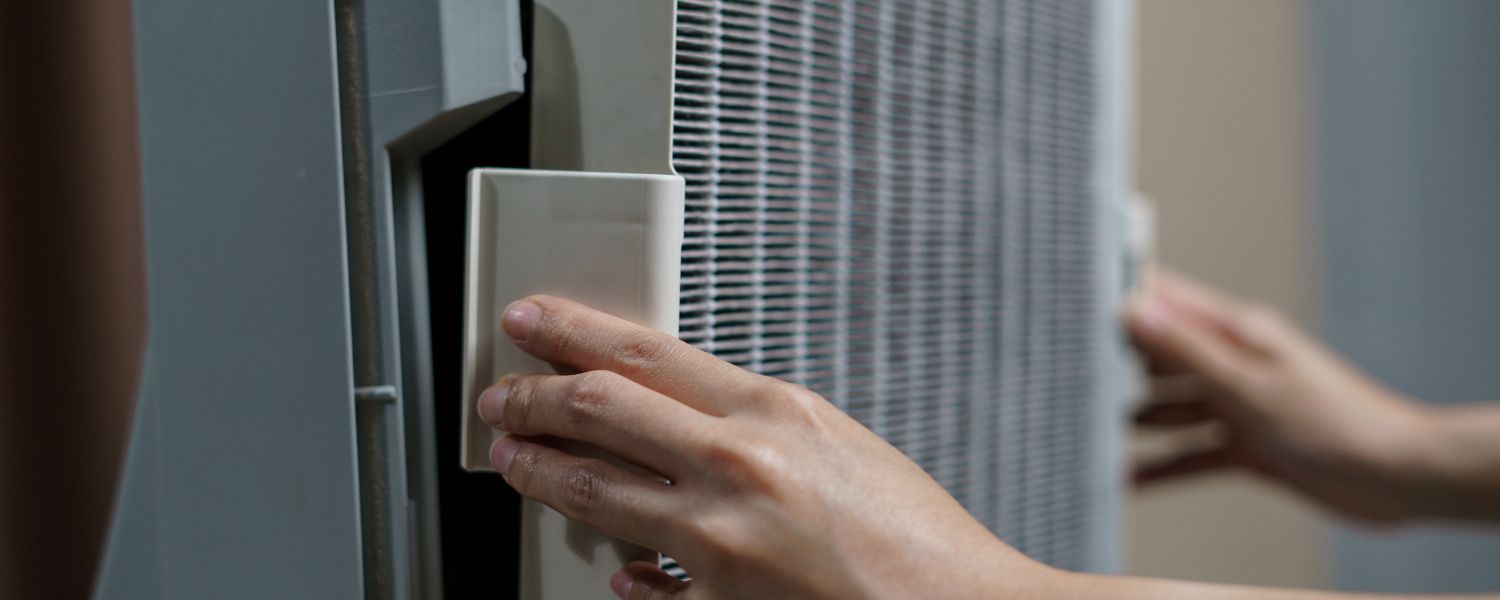
Air purifiers with HEPA filters are commonly placed in offices, clinics, schools, and manufacturing floors to continuously clean the circulating air. Vacuum cleaners with HEPA filters ensure that when cleaning happens, contaminants are captured and not simply redistributed into the air. HVAC systems with HEPA filtration are used in hospitals, laboratories, and cleanrooms where maintaining strict air quality is non-negotiable.
Each of these applications depends on the filter functioning at its rated efficiency which is exactly why testing matters so much.
Why HEPA Filter Testing is Crucial for Workplace Safety
The Silent Failure Problem
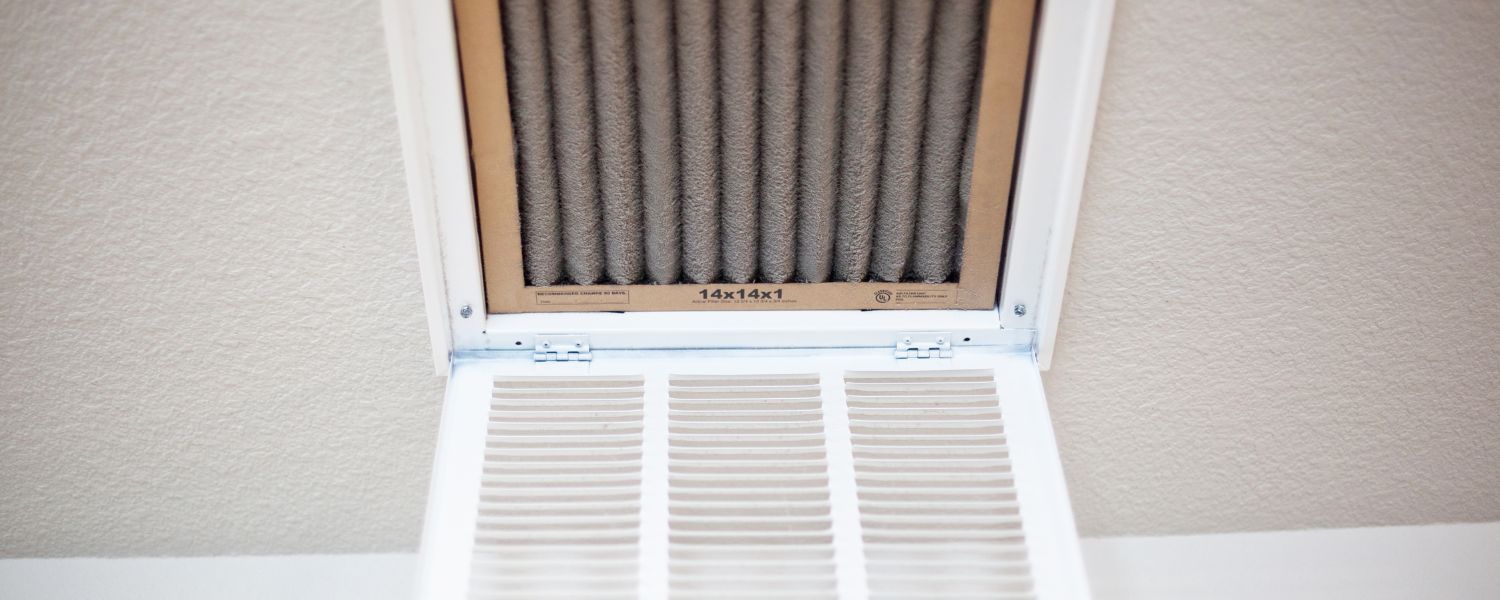
A HEPA filter can look perfectly fine from the outside while silently failing on the inside. Filters can develop micro-tears, loose frame seals, or become so clogged that airflow is severely restricted. None of these issues are visible to the naked eye. The only way to know for certain that your filter is doing its job is through professional HEPA filter testing.
Protecting Employee Health
When a filter fails, the consequences are not abstract. Employees in affected environments may start experiencing increased allergic reactions, worsening asthma, frequent headaches, or respiratory irritation. In high-risk settings like chemical laboratories, hospitals, or industrial facilities, the stakes are even higher. Exposure to unfiltered contaminants in these environments can lead to serious, long-term health issues.
Regular testing ensures that filters are continuously removing dust, allergens, bacteria, and other airborne hazards from the air your team breathes every single workday.
Regulatory Compliance
Many industries are required by law to maintain specific indoor air quality standards. OSHA, EPA, and various industry-specific bodies set guidelines that businesses must follow. Regular HEPA filter testing helps you stay compliant and protects your business from fines, penalties, and liability in case an employee develops a health condition linked to poor air quality at work.
Preventing the Spread of Airborne Illness
In workplaces with high foot traffic or those that deal with biological or chemical substances, a malfunctioning HEPA filter can become a pathway for disease transmission. Proper, verified filtration is one of the most effective tools for reducing the spread of airborne respiratory diseases among employees.
Where Testing Matters Most
Laboratories, hospitals, pharmaceutical manufacturing plants, food processing facilities, and data centers all require confirmed HEPA filter performance. In these environments, a single filter failure can have consequences far beyond one sick employee.
Types of HEPA Filter Testing
Not All Testing is the Same
There are several distinct methods used to evaluate HEPA filter performance, and each one checks for something different. Understanding these methods helps you appreciate why professional testing is not something you can replicate with a basic visual inspection.
HEPA Filter Leak Testing
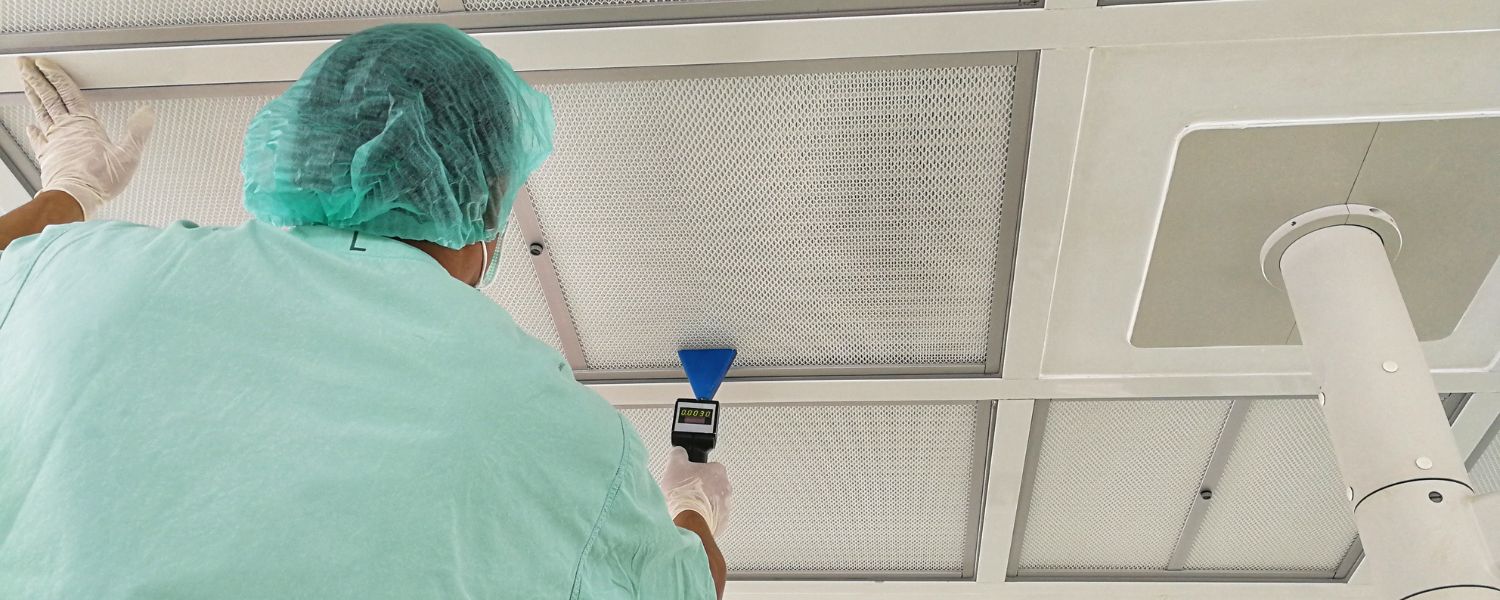
HEPA filter leak testing is the most commonly required type of assessment. It involves scanning the filter surface and its frame with a photometric analyzer or particle counter to detect any points where unfiltered air is bypassing the filter media. Even a pinhole leak can allow a significant number of contaminants to pass through, especially in environments where continuous clean air is required.
Particle Count Testing
This method measures the concentration of particles on both the upstream and downstream sides of the filter. By comparing the two counts, technicians can calculate the actual efficiency of the filter and determine whether it still meets the required HEPA standard.
Airflow and Pressure Drop Testing
This type of testing measures the volume of air moving through the filter per unit of time. If the airflow is too low, the filter may be clogged. If it is too high, the filter may have developed a bypass. Either way, the filter is not performing as intended.
Why Professional Testing Matters
How Often Should HEPA Filters Be Tested?
Setting a Testing Schedule
The general recommendation for most standard workplaces is annual HEPA filter testing. Once a year is typically sufficient to catch developing issues before they become serious problems and to maintain compliance with most regulatory requirements.
However, annual testing is just the baseline. In higher-risk environments, more frequent evaluations are necessary.
High-Risk Environments Require More Frequent Testing
In cleanrooms, pharmaceutical facilities, hospitals, and laboratories, filters are often tested every six months or even quarterly. These settings cannot afford even brief periods of compromised filtration because the consequences contaminated samples, patient infections, regulatory violations can be immediate and severe.
Manufacturing facilities that deal with fine particulate matter or chemical aerosols should also consider more frequent testing schedules based on production volume and the nature of materials being handled.
The Case for HEPA Air Filter Replacement Tracking
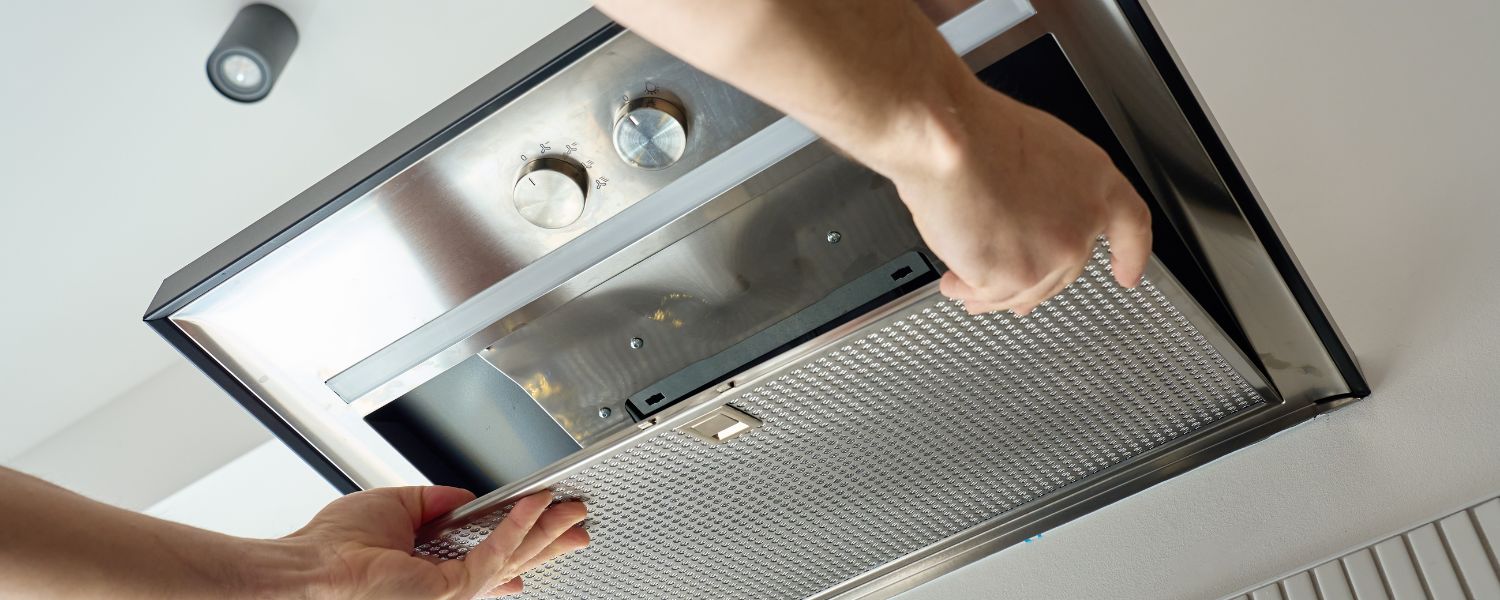
Testing is also a smart way to determine whether a HEPA air filter replacement is actually needed. Replacing filters too early wastes money. Replacing them too late creates risk. A documented testing history gives you objective, data-driven guidance on exactly when replacement is warranted no guessing, no wasted spending.
Keeping detailed records of all test results, dates, and any corrective actions taken also serves as critical documentation during regulatory audits or inspections.
Benefits of HEPA Filter Testing
A Healthy Workplace is a Productive Workplace
Investing in regular HEPA air filter testing is not just a compliance exercise it is a business decision with a real return on investment.
Improved Air Quality: Verified filtration means fewer airborne contaminants, which directly translates to a healthier breathing environment for every person who walks through your doors.
Fewer Employee Health Issues: When the air is clean, respiratory conditions, allergic reactions, and sick days go down. A team that breathes well, works well.
Regulatory Compliance and Peace of Mind: Knowing that your filters are certified and documented means you can face any inspection or audit with confidence. You are not just hoping your filters are working you have proof.
Extended Equipment Life: Filters that are tested and maintained regularly do not put unnecessary strain on fans, motors, and other HVAC components. This keeps maintenance costs down across the board.
Cost Efficiency: Testing helps you replace filters exactly when needed, not before and not dangerously after. This precision saves money and ensures you are always operating at peak safety.
Stronger Business Reputation: Companies that take worker health seriously attract and retain better talent. A commitment to verified air quality sends a clear message that you value your people.
Ensure Safe Air Quality with Professional HEPA Filter Testing
Your HEPA filters should be protecting your workforce, but without proper testing, you can’t be sure. Health System Sciences LLC offers expert HEPA filter testing and replacement services to ensure your system is working as intended.
Don’t wait for health issues to arise. Regular testing and maintenance keep your workplace safe, compliant, and productive. Get your HEPA filters certified today.
Frequently Asked Questions
Q. How do you test a HEPA filter?
HEPA filters are tested using specialized equipment that checks for leaks, measures airflow rate, and evaluates the filter’s efficiency at trapping particles. Professional services like Health System Sciences LLC use calibrated particle counters and leak detectors to ensure fully accurate, documented results.
Q. How often should a HEPA filter be tested?
For most workplaces, annual testing is the standard recommendation. In high-traffic areas or high-risk environments such as hospitals, cleanrooms, or laboratories, more frequent testing every three to six months may be required to maintain both safety and compliance.
Q. Can you get a laboratory to test a HEPA filter?
Yes. You can send HEPA filters to a certified laboratory for testing, or hire professional on-site services. Health System Sciences LLC offers both on-site testing and formal certification, making the process convenient and thorough without disrupting your daily operations.
Q. Do HEPA filters help with radon?
HEPA filters are not designed to address radon. They are highly effective at removing particulate matter from the air, but radon is a gas not a particle and requires entirely different mitigation equipment and strategies. If radon is a concern at your facility, consult a radon mitigation specialist separately.
Q. Where should I get the HEPA filter test done?
For reliable, accredited HEPA filter testing, contact an established environmental compliance expert. Health System Sciences LLC provides professional testing, consulting, and certification services designed specifically for workplace environments, ensuring accuracy, documentation, and full regulatory compliance.
Conclusion
Clean air is not a luxury it is a fundamental workplace requirement. HEPA filters are one of the most powerful tools available to protect your employees from airborne hazards, but only when they are functioning correctly. Without regular, professional testing, you cannot know whether your filters are truly working or simply creating a false sense of security.
From identifying hidden leaks to confirming particle capture efficiency, proper HEPA filter testing gives you the verified confidence that your air quality systems are performing exactly as they should. It protects your employees, keeps you compliant, and ultimately makes your business stronger.
Ensure the safety and health of your workplace today. Contact Health System Sciences LLC for professional HEPA filter testing services and environmental compliance solutions to maintain a safe and healthy working environment.


Leave A Comment