

Exposure Monitoring, Most workplace hazards don’t look dangerous. They don’t always come in the form of a slippery floor, a sharp blade, or a high-voltage wire. In many of the most advanced industries from pharmaceutical labs to heavy manufacturing the most significant threats are invisible. They are the microscopic fibers in the air, the odorless vapors from a solvent, or the subtle decibel levels that slowly erode a worker’s hearing over a decade.
The risks you can’t see are the ones that matter most.
Relying on common sense or visual inspections isn’t enough when dealing with molecular-level threats. This is where exposure monitoring becomes the backbone of a truly safe workplace. It is a scientific, data-driven approach to identifying hidden risks before they manifest as chronic illnesses or legal nightmares.
Whether it is airborne contaminants, chemical off-gassing, or noise pollution, exposure monitoring moves safety out of the realm of guesswork and into the realm of certainty. In this guide, we will explore why measuring these invisible variables is the only way to ensure compliance, protect your workforce, and secure the long-term viability of your business.
What Exposure Monitoring Really Means (Beyond Basic Testing)
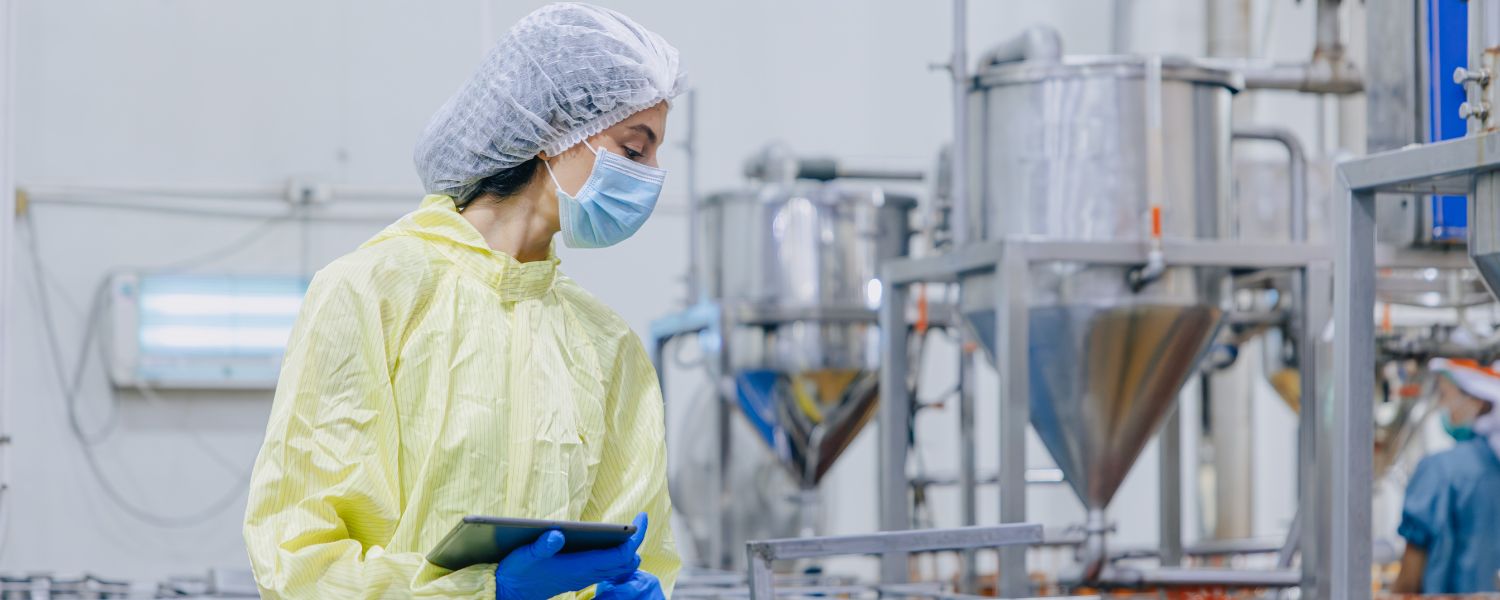
In its simplest form, exposure monitoring is the process of measuring an employee’s contact with a hazardous agent. However, to a safety professional, it represents much more. It is a core component of what is industrial hygiene: the science of anticipating, recognizing, evaluating, and controlling workplace conditions that may cause workers’ injury or illness.
Unlike a general safety inspection which might check if fire extinguishers are charged or if exits are clear exposure monitoring is highly specific and quantitative. It involves:
- Air Sampling: Capturing air from the breathing zone of a worker to check for dust, vapors, or gases.
- Noise Monitoring: Using dosimeters to track the cumulative sound energy an employee absorbs during a shift.
- Surface Sampling: Testing work benches or equipment for chemical residues that could be absorbed through the skin.
The goal is to determine if the concentration of a hazard exceeds the Permissible Exposure Limits (PELs) set by regulatory bodies. It’s the difference between saying the room smells like chemicals and knowing that the concentration of Benzene is 0.5 parts per million.
Why Modern Workplaces Can’t Ignore Exposure Monitoring Anymore
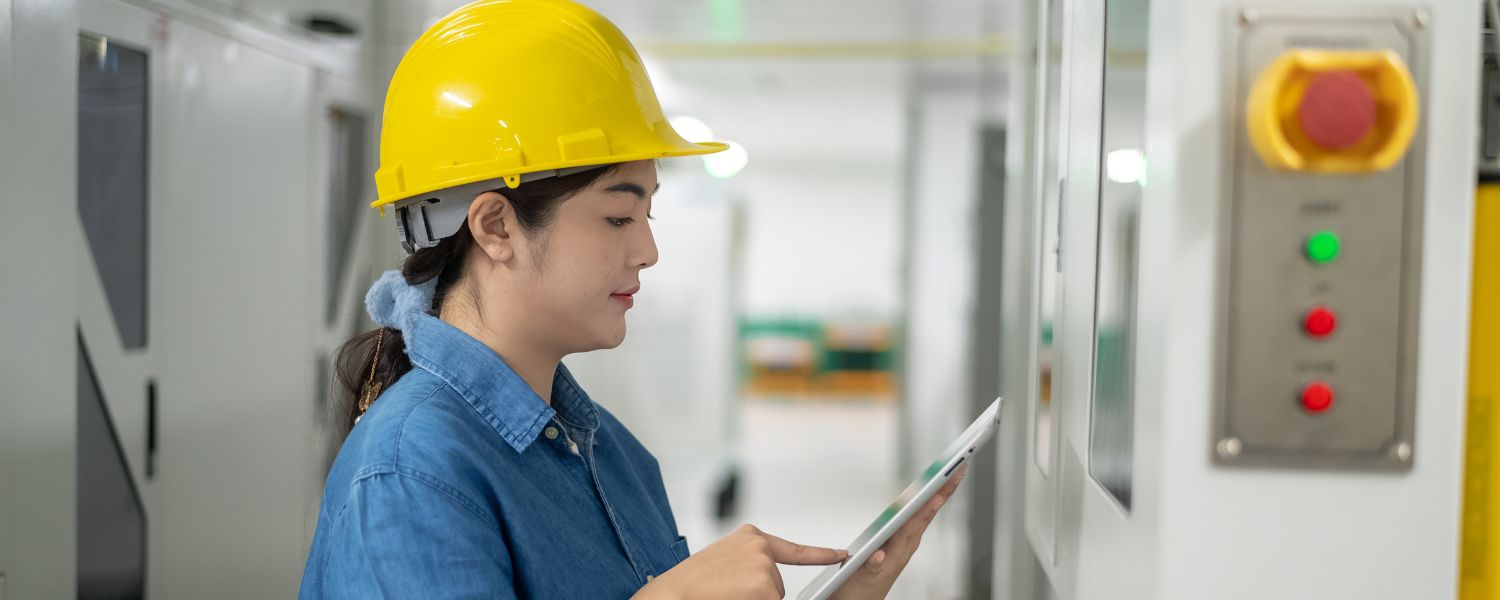
We live in an era of heightened regulatory scrutiny and medical awareness. The days when a cough was just part of the job are long gone. Today, industrial hygiene is a legal and ethical mandate.
Regulatory bodies like OSHA (Occupational Safety and Health Administration) and NIOSH (National Institute for Occupational Safety and Health) have established strict frameworks. If you operate in pharma, construction, or manufacturing, you aren’t just encouraged to monitor—you are often legally required to do so.
Beyond the law, the modern workforce is more informed. Employees expect their employers to provide a right to know regarding the substances they handle. Ignoring exposure monitoring doesn’t just invite fines; it destroys company culture and talent retention. In a world where invisible hazards lead to multi-million dollar class-action lawsuits years down the line, monitoring is your best defense.
The Real Cost of Unmonitored Exposure (Health + Legal Risks)
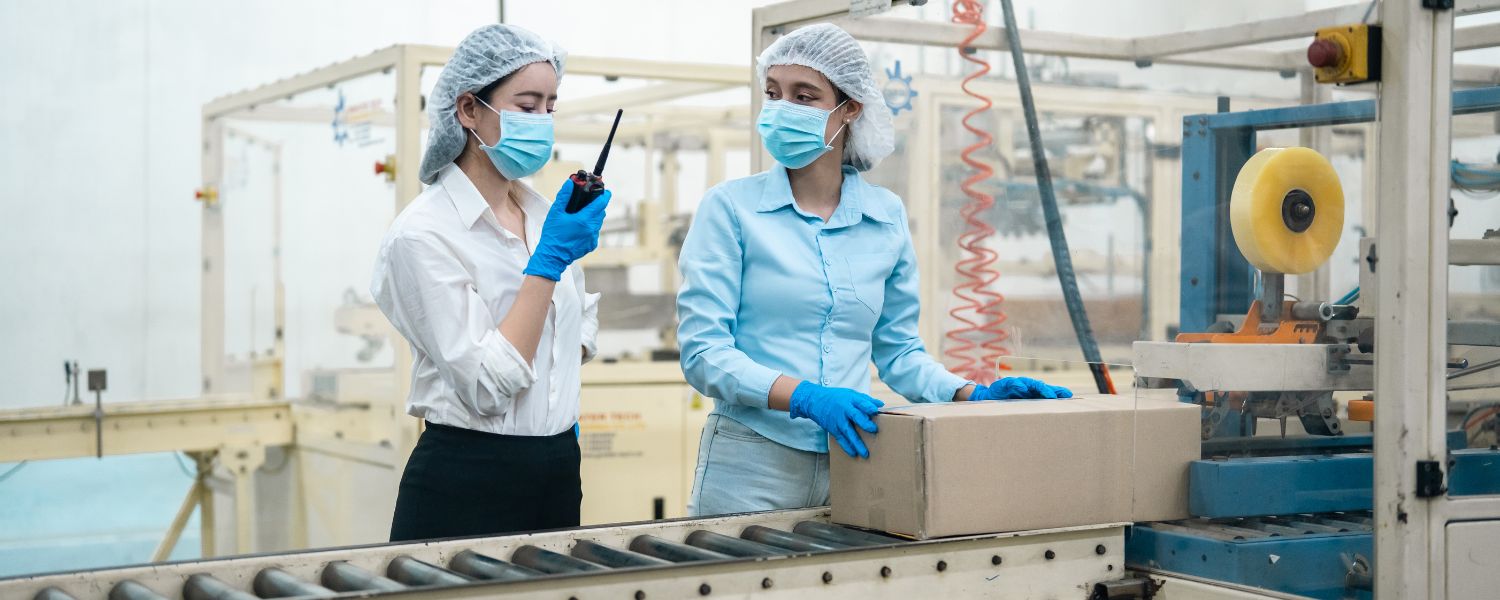
The consequences of failing to implement a robust industrial hygiene risk assessment are two-fold: the human cost and the corporate cost.
1. The Human Cost (Health Risks)
Many workplace exposures have a latency period. An employee might feel fine today, but the cumulative effect of breathing in silica dust or welding fumes can lead to:
- Chronic Respiratory Diseases: Such as silicosis, asbestosis, or occupational asthma.
- Systemic Toxicity: Kidney or liver damage caused by prolonged chemical absorption.
- Neurological Issues: Resulting from long-term exposure to certain solvents or heavy metals.
2. The Corporate Cost (Business Risks)
When the data isn’t there to prove a safe environment, the business is vulnerable to:
- Crippling Fines: Regulatory agencies can issue willful violation fines that reach six or seven figures.
- Legal Liability: Without monitoring records, defending against a workers’ compensation claim becomes nearly impossible.
- Operational Shutdowns: If a hazard is discovered too late, an entire production line or facility may be closed for remediation.
Exposure Monitoring vs. Industrial Hygiene Assessment – What’s the Difference?
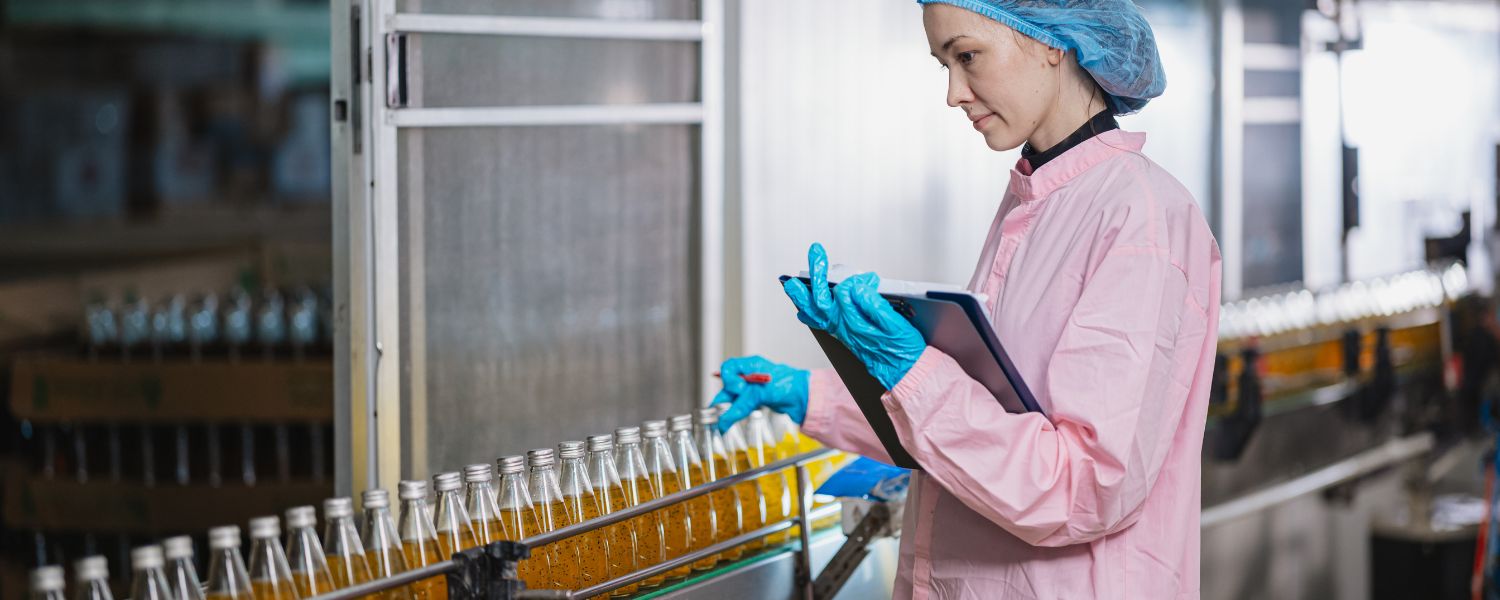
These terms are often used interchangeably, but for a business owner or facility manager, understanding the nuance is vital for a proper industrial hygiene assessment.
- Exposure Monitoring (The Data): This is the how much. It is the physical act of taking samples, using equipment, and getting lab results. It provides the raw numbers.
- Industrial Hygiene Assessment (The Strategy): This is the so what. An assessment looks at the monitoring data and asks: Why is this happening? Is the current ventilation working? Do we need better PPE? How do we lower these numbers?
You cannot have an effective strategy without data, and data is useless without a strategy to act on it. Both are required to create a closed-loop safety system.
How Exposure Monitoring Works (Step-by-Step Breakdown)
To the uninitiated, the process can seem overly technical. However, a professional industrial hygiene testing protocol generally follows four clear steps:
Step 1: Hazard Identification
Before pulling out the sensors, you must know what you are looking for. This involves reviewing Safety Data Sheets (SDS), observing work processes, and identifying which chemicals or physical agents (like vibration or heat) are present.
Step 2: Sampling & Measurement
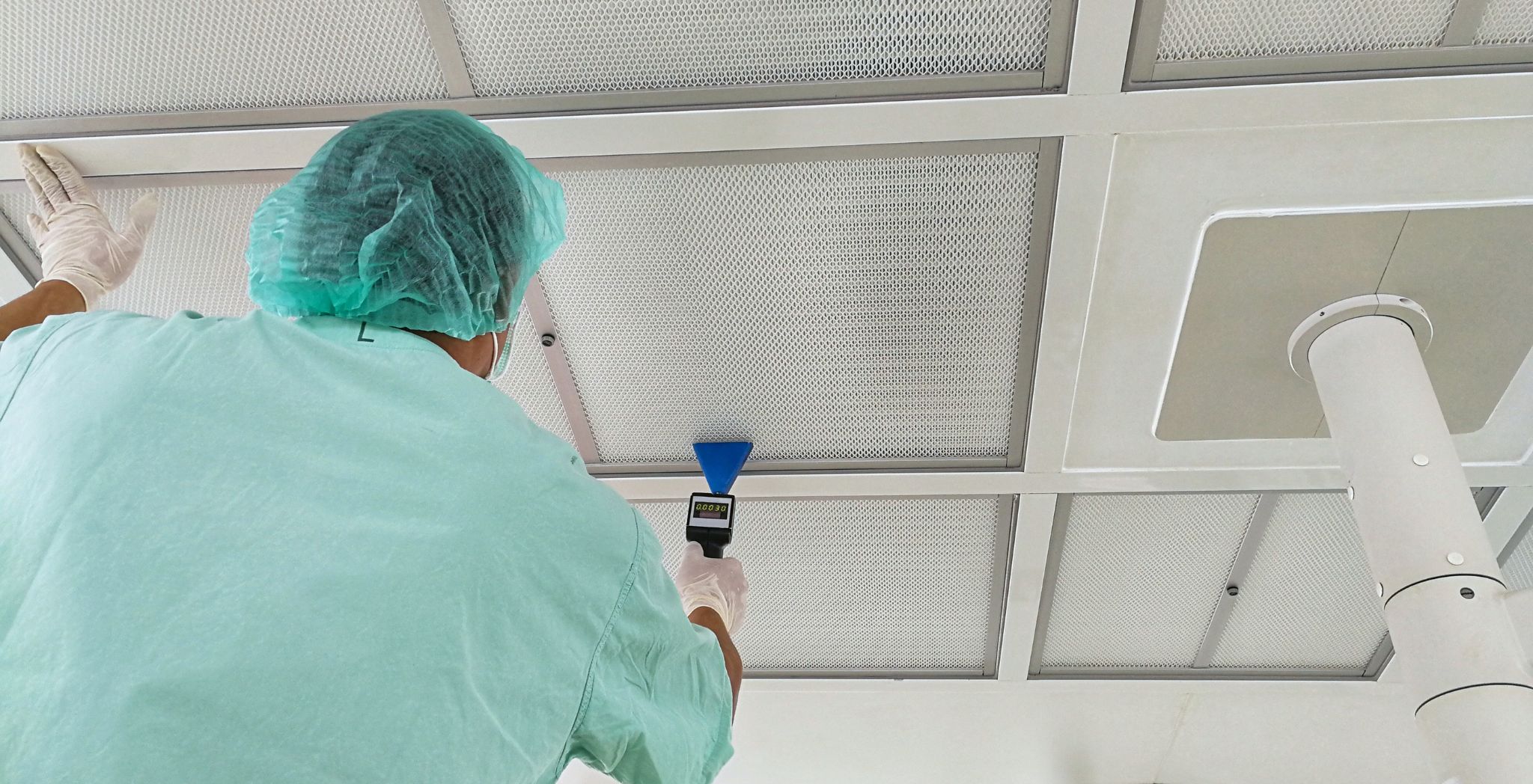
This is the fieldwork. Professionals place monitors on employees (personal sampling) or in specific areas (area sampling). This might involve pumps that pull air through a filter or badges that change color when exposed to gas.
Step 3: Data Analysis
The collected samples are sent to accredited laboratories. The results are then compared against established safety thresholds, such as the Threshold Limit Values (TLVs) or OSHA’s PELs.
Step 4: Reporting & Action
A final report provides actionable insights. If levels are high, the report will recommend Engineering Controls (like better fans), Administrative Controls (like rotating shifts), or Personal Protective Equipment (like respirators).
When Should Exposure Monitoring Be Conducted?
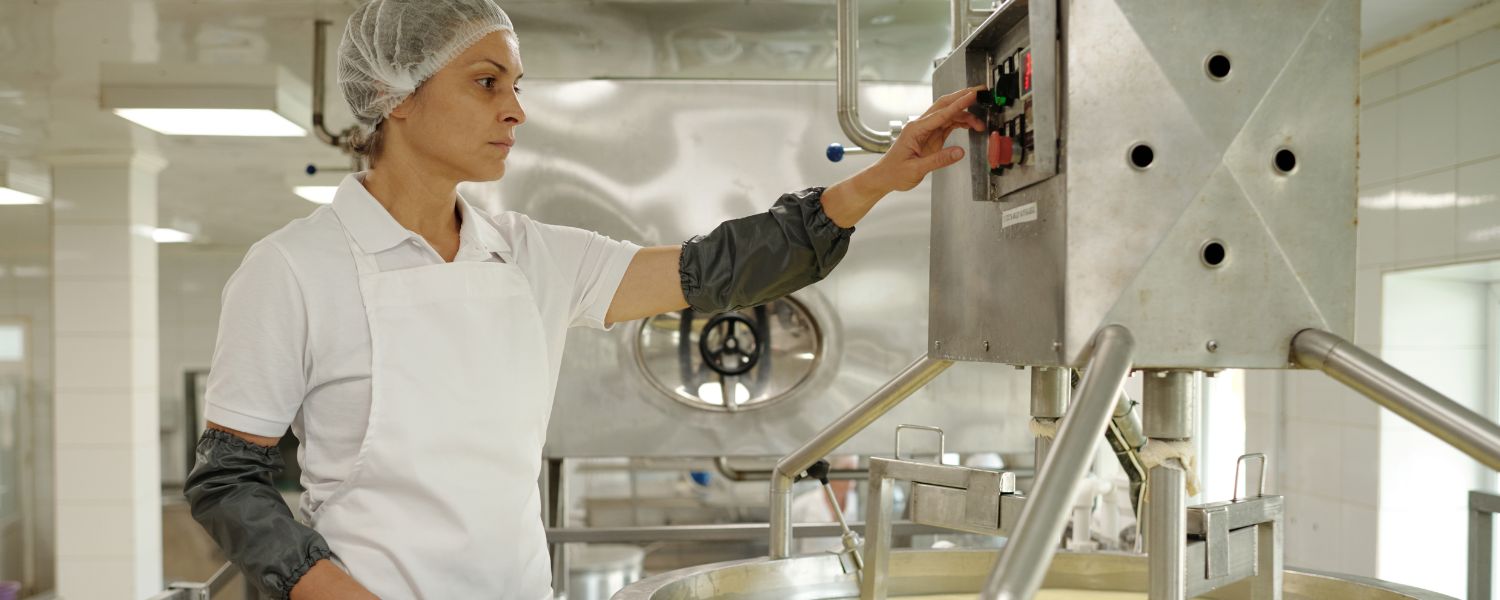
Knowing when to test is just as important as knowing how to test. You should trigger a monitoring event during these high-intent moments:
- Baseline Assessments: When starting a new process or opening a new facility.
- Process Changes: If you switch to a new chemical, increase production speed, or change your floor layout.
- Employee Complaints: If workers report headaches, dizziness, or odors, you must validate their concerns with data.
- Regulatory Requirement: Many substances (like Lead or Formaldehyde) have action levels that mandate periodic testing.
- After a Near Miss: If an accidental spill or leak occurs, monitoring ensures the area is safe for re-entry.
What Makes Exposure Monitoring Data Reliable?
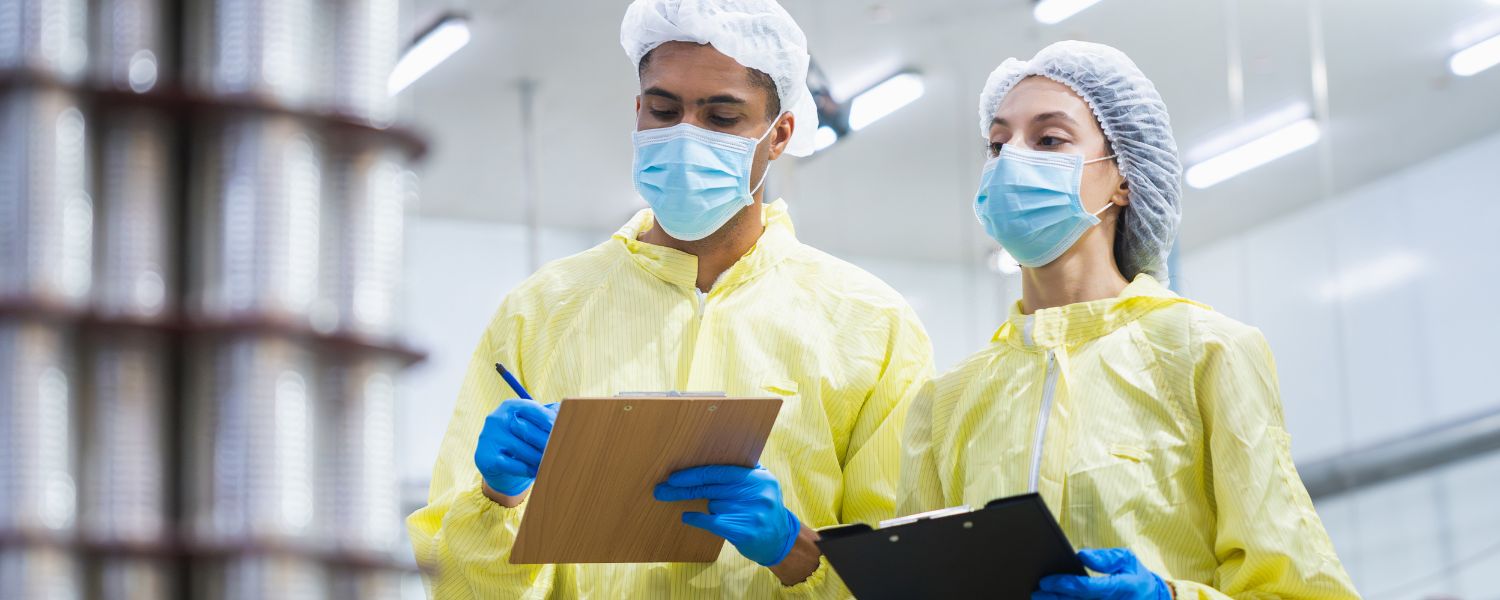
Not all data is created equal. In a court of law or a regulatory audit, cheap testing is often worse than no testing at all because it provides a false sense of security. To ensure industrial hygiene services are authoritative and trustworthy, look for:
- Certified Professionals: Ensure the team is led by experts who understand complex sampling variables.
- Calibrated Equipment: Sensors must be calibrated before and after every use to ensure accuracy.
- Accredited Labs: Samples should only be processed by labs with recognized certifications (such as AIHA accreditation).
- Standardized Methods: Testing must follow validated methods (e.g., NIOSH or OSHA sampling protocols).
Reliable data is the only data that protects your business and your people.
Industries That Rely Heavily on Exposure Monitoring
While almost every workplace benefits from air quality checks, specific sectors are high-stakes environments:
- Healthcare: Protecting staff from anesthetic gases, sterilizing agents (EtO), and hazardous drugs.
- Laboratories: Managing volatile organic compounds (VOCs) and specialized chemical reactions.
- Manufacturing: Controlling metal dusts, solvent vapors, and high-intensity noise.
- Construction: Monitoring for silica, lead-based paint, and asbestos during demolition.
- Cleanrooms: Ensuring that even the smallest particulate counts remain within strict ISO limits.
Ensure Workplace Safety with Professional Industrial Hygiene Assessments & Exposure Monitoring
Invisible hazards can jeopardize your workforce. Health System Sciences LLC offers comprehensive industrial hygiene assessments and exposure monitoring to identify and mitigate risks in your environment.
From air quality to chemical exposure, our expert services ensure compliance with OSHA and NIOSH standards, protect employee health, and reduce liability. Don’t wait for an incident—take action now to create a safe, compliant workplace.
FAQ Section
Q1. When should I get mold testing done?
Mold testing should be conducted when there are signs of moisture issues, musty odors, visible mold growth, or before compliance inspections in regulated environments. It is also wise to test after a significant water event, such as a flood or pipe burst, even if you can’t see growth yet.
Q2. Is mold testing really necessary?
Yes. Mold testing is essential to identify hidden contamination that can affect air quality, employee health, and regulatory compliance. In controlled environments like labs or food production, mold can ruin entire batches of product and compromise sterility.
Q3. How long does mold testing take and when will I get results?
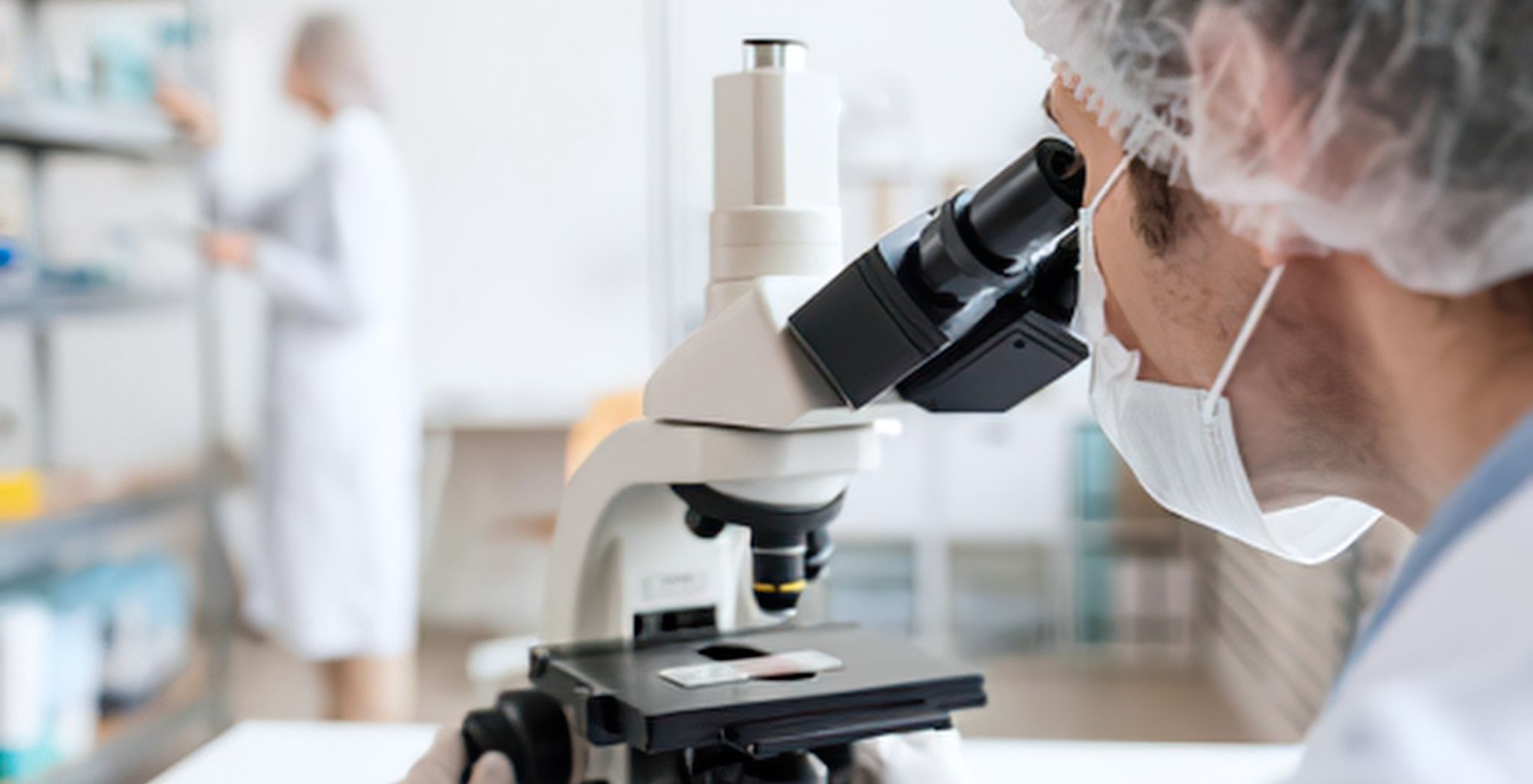
The physical sampling on-site typically takes a few hours. However, because mold spores often need to be cultured or meticulously counted under a microscope, laboratory analysis usually takes 24–72 hours.
Q4. What happens during a mold inspection?
A professional inspection involves a visual assessment using thermal imaging or moisture meters, air and surface sampling, identification of the moisture source, and a detailed report with specific remediation recommendations.
Q5. Where should I get exposure monitoring services?
You should always choose trusted and authorized environmental compliance experts. Health System Sciences LLC is a premier provider, certified and accredited by organizations like CETA, NSF, and NCEES. Their expertise ensures accurate monitoring, strict compliance alignment, and reporting that stands up to the highest regulatory scrutiny.
Conclusion – If You’re Not Measuring Exposure, You’re Guessing Risk
In the world of occupational health, what you don’t know can hurt you. Exposure monitoring is the bridge between assuming your workplace is safe and proving it. By adopting a proactive stance toward industrial hygiene, you aren’t just checking a box for a regulator you are investing in the health of your employees and the stability of your business.
Proactive safety leads to better morale, lower insurance premiums, and a reputation as an industry leader. Remember: If you’re not measuring, you’re just guessing.
To ensure your workplace remains safe, compliant, and audit-ready, it’s essential to rely on certified professionals. Partner with experts like Health System Sciences LLC for accurate exposure monitoring and environmental compliance solutions that protect your most valuable assets.


Leave A Comment