
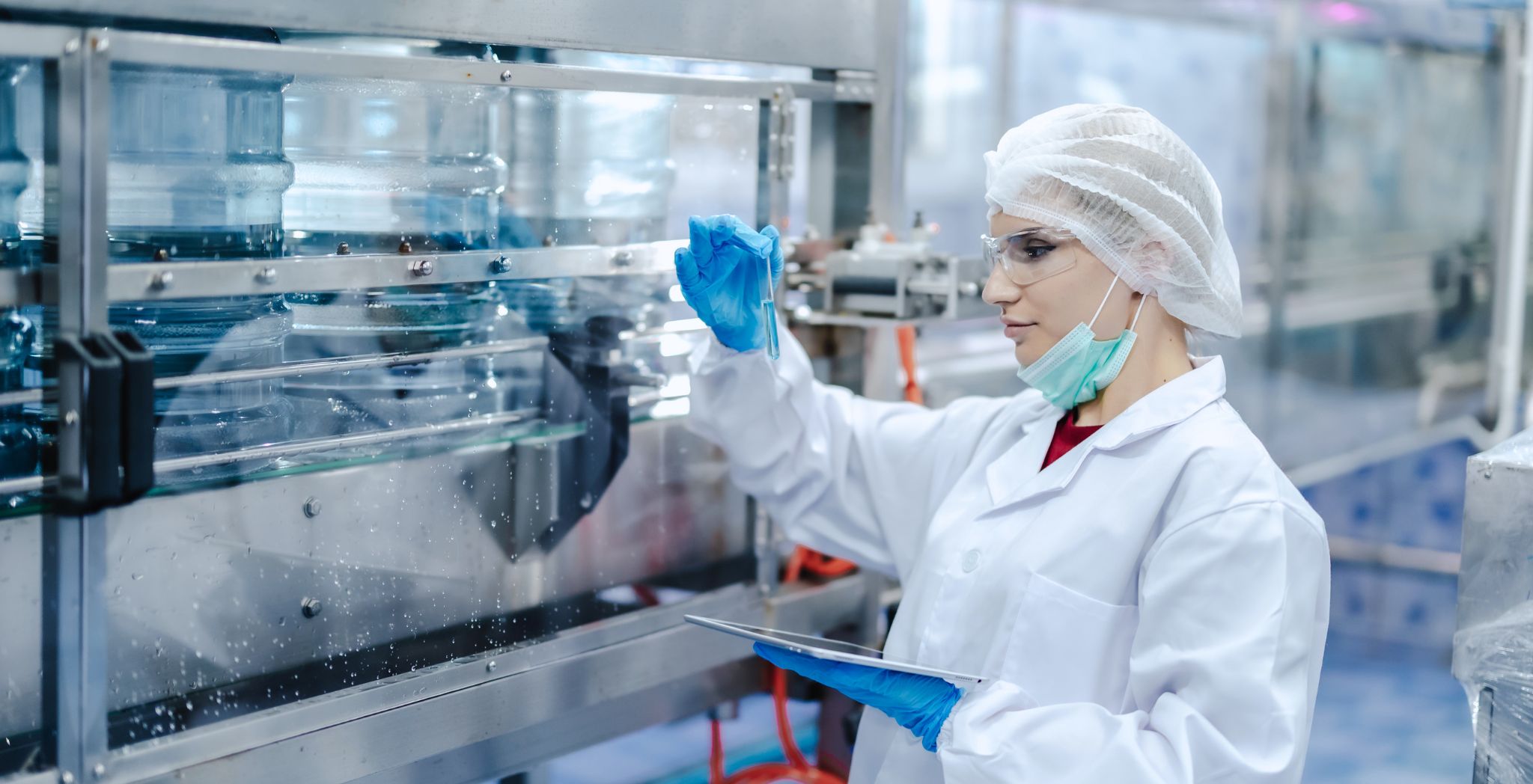
Water is the lifeblood of any functional environment, but in a professional setting, it is often a “hidden” utility taken for granted. We assume that when we turn on a breakroom faucet or use water in an industrial process, it is clean, safe, and compliant.
However, water quality is not static. It can change due to aging infrastructure, local environmental shifts, or internal system degradation.
This makes water testing a critical practice for maintaining workplace safety and ensuring healthy environments for every employee on the clock.
The impact of poor water quality is far-reaching. Beyond the immediate risk of illness, contaminated water can lead to significant regulatory hurdles and long-term liability for a business.
Regular testing is the only definitive way to meet health and safety regulations and provide peace of mind.
In this guide, we will explore what water testing involves, the specific risks of neglect, and how Health System Sciences LLC provides the expert oversight needed to ensure water system compliance. Protecting your workforce starts with understanding what is in the water they use every day.
What is Water Testing?
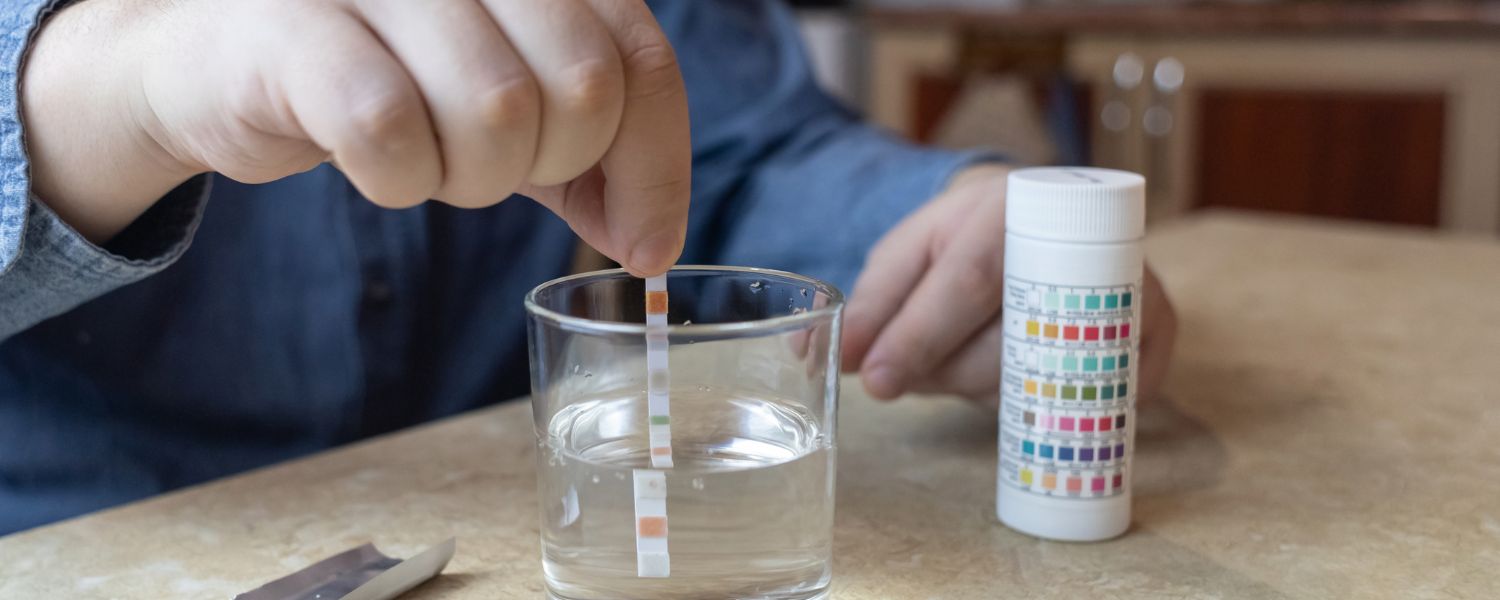
At its core, water testing is the scientific analysis of water samples to determine their chemical, physical, and biological properties. For a business, this isn’t just about “clarity” or “taste.” It is a rigorous process designed to identify invisible threats that could compromise human health or mechanical integrity.
Water testing is crucial for businesses for several reasons:
- Ensuring Safe Drinking Water: Most workplaces provide potable water for hydration. Testing confirms this water is free from pathogens and toxic levels of minerals.
- Preventing Contamination: Systems can be infiltrated by bacteria (like Legionella), toxins, or industrial chemicals. Regular monitoring catches these spikes before they lead to an outbreak.
- Maintaining Regulatory Compliance: Agencies such as OSHA and the EPA have strict guidelines regarding water safety. Failure to monitor and document water quality can lead to heavy fines and legal action.
The scope of water quality testing varies significantly depending on the setting. In a standard office building, the focus is largely on lead, copper, and microbial growth in stagnant pipes. In a factory or manufacturing plant, testing might expand to include cooling tower water and process water to prevent the spread of aerosolized bacteria. Healthcare facilities require the highest level of scrutiny, as they serve vulnerable populations where even minor contamination can be fatal. By utilizing diverse methods for drinking water, groundwater, and industrial systems, businesses can create a comprehensive safety net for their operations.
Why Water Quality Testing is Crucial for Workplace Safety
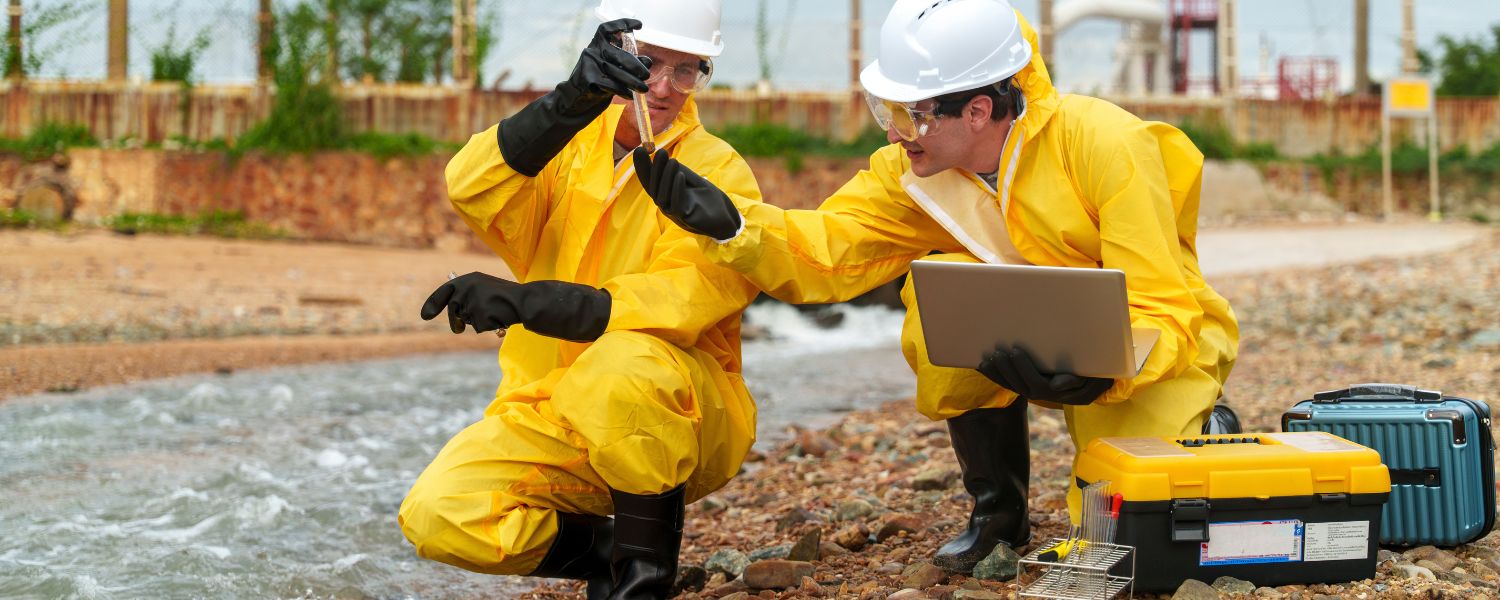
Workplace safety is often associated with hard hats and floor markers, but the most pervasive risks are often microscopic. Water quality plays a central role in the physiological well-being of a workforce. When water is contaminated, the symptoms are not always immediate or obvious.
Contamination can lead to a variety of health issues:
- Gastrointestinal Problems: Bacteria like E. coli or Giardia cause acute distress, leading to sick days and lost productivity.
- Respiratory Issues: Certain bacteria can thrive in water heaters or HVAC systems, becoming airborne through steam or mist, leading to severe pneumonia-like conditions.
- Neurological and Physical Symptoms: Long-term exposure to heavy metals or high chlorine levels can cause chronic headaches, fatigue, and even cognitive impairment.
Beyond the physical toll, water system compliance is a legal necessity. Regulatory bodies demand that employers provide a “place of employment which is free from recognized hazards.” If an employee falls ill due to a known but untested water issue, the company faces immense reputational and financial damage.
Furthermore, poor water quality affects worker productivity in subtle ways. High mineral content can damage coffee machines and water coolers, while “hard” water can cause skin irritation for those in manual labor roles who wash frequently. By prioritizing regular testing, companies demonstrate a “people-first” culture that protects both the employee’s health and the company’s bottom line.
The Process of Water Testing
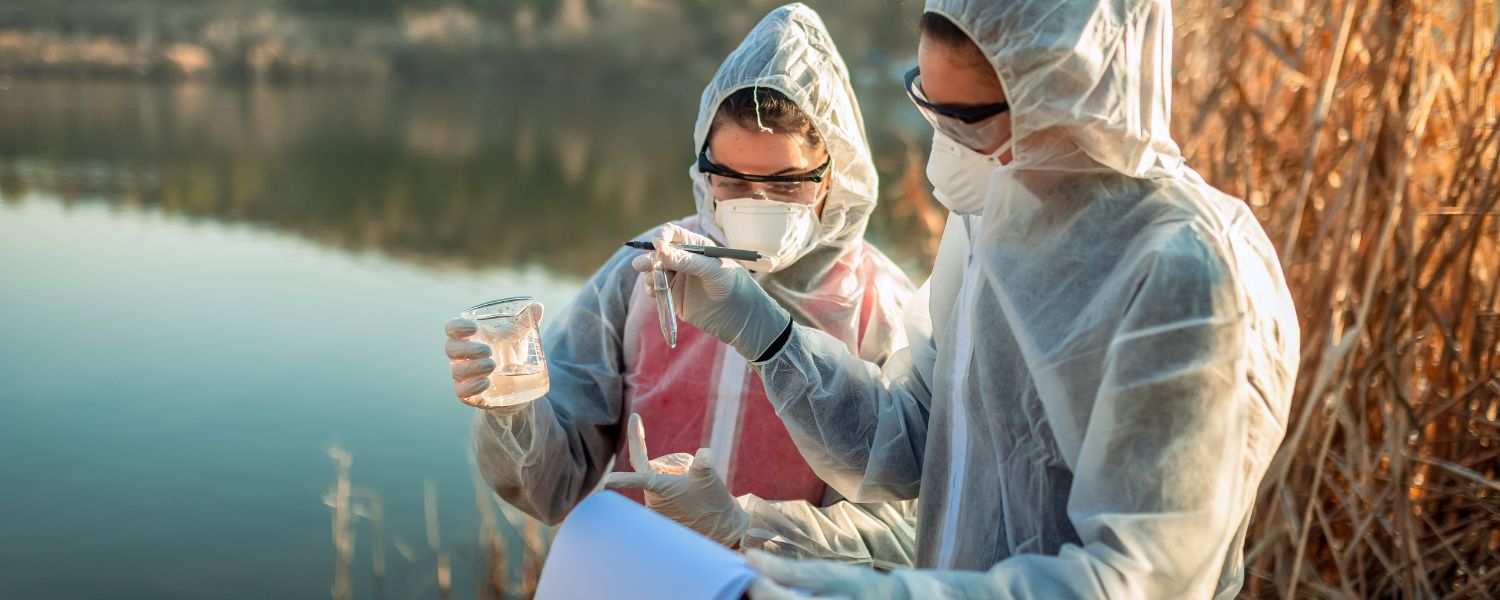
Understanding the process helps take the mystery out of environmental safety. Professional testing is a multi-stage journey that moves from the tap to the lab and finally to a comprehensive strategy.
- Sample Collection: This is the most critical step. Technicians gather samples from various points entry points, storage tanks, and distal faucets to ensure the data reflects the entire system, not just one pipe.
- Laboratory Water Testing: Once collected, samples are sent to a certified facility. Here, advanced equipment like mass spectrometers and incubators are used to detect trace amounts of chemicals and microorganisms that the naked eye could never see.
- Reporting: The laboratory generates a detailed report comparing the findings against local and federal safety standards.
- Actionable Solutions: The data is only useful if it leads to improvement. If a “hit” is found, professionals recommend corrective actions, such as specialized water filtration, system-wide “shocks” to kill bacteria, or plumbing upgrades to remove lead-leaching components.
Professional water testing companies act as the “detectives” of the building environment, providing the accurate results required to make informed decisions about infrastructure investment and health protocols.
Types of Water Tests and Their Applications
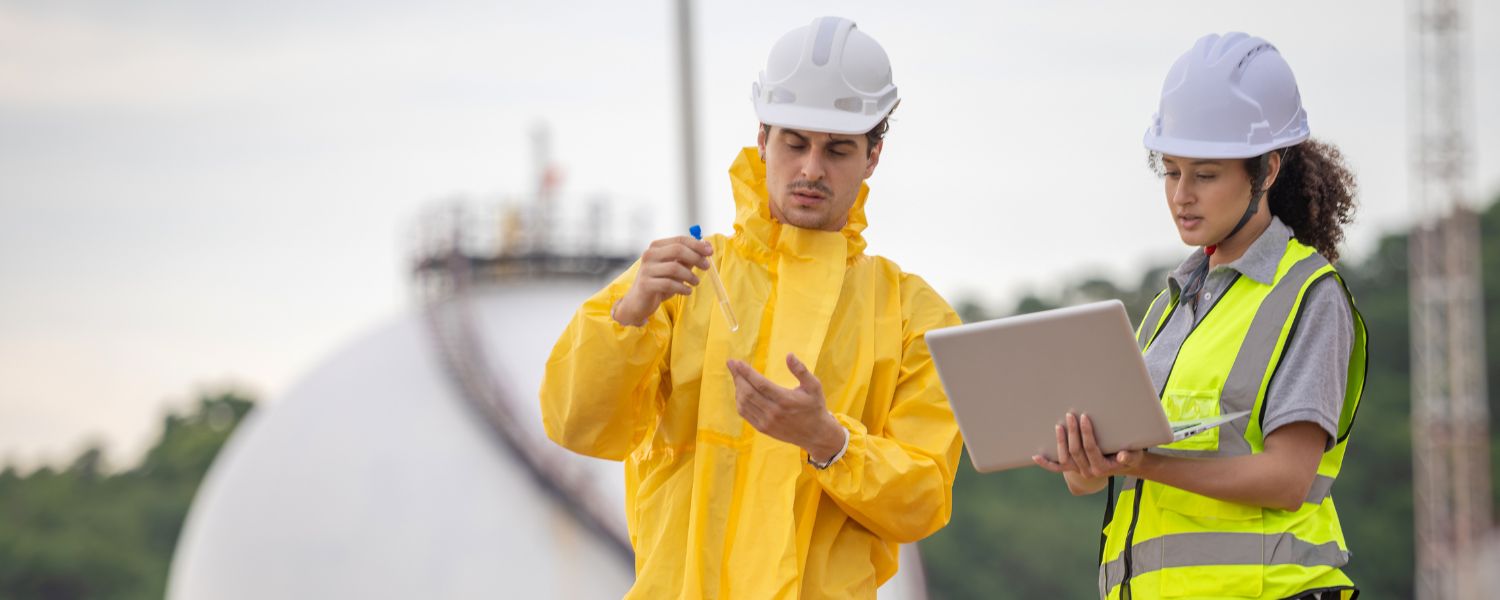
Not all water is used for the same purpose, which means testing must be tailored to the specific application. A one-size-fits-all approach often leaves gaps in safety.
- Drinking Water Testing: This is the most common and focuses on “potability.” It checks for lead, nitrates, and coliform bacteria to ensure the water is safe for human consumption.
- Wastewater Testing: For industrial sites, monitoring what leaves the facility is as important as what enters. This ensures that chemicals or heavy metals from manufacturing don’t enter the local ecosystem, avoiding environmental lawsuits.
- Groundwater Testing: Offices or plants in rural areas often rely on wells. Groundwater can be affected by agricultural runoff or shifting soil compositions, requiring regular checks for pesticides and minerals.
- Industrial Water Testing: Water used in boilers or cooling towers must be monitored to prevent scaling and the growth of dangerous biofilms.
By selecting the right water testing services, a business ensures that its specific industry requirements whether they are medical, industrial, or commercial are fully met.
Common Water Contaminants and Their Impact on Health
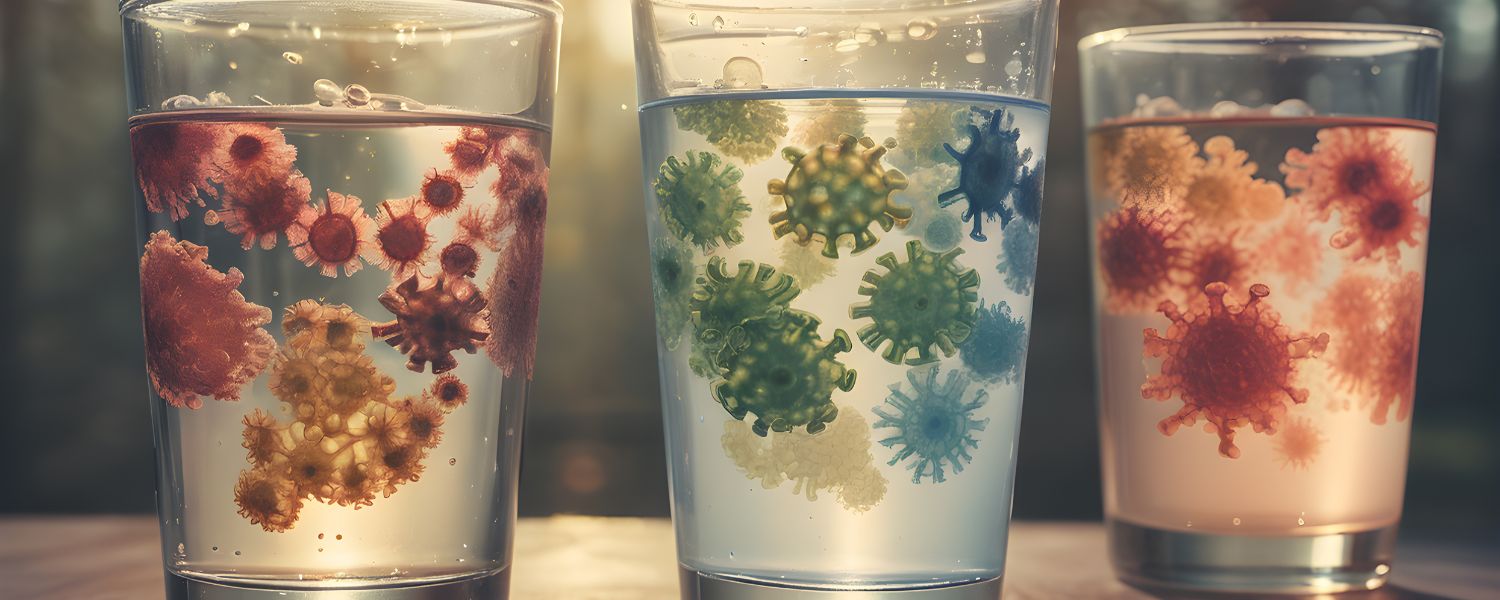
What exactly are we looking for during a test? Several “usual suspects” frequently appear in workplace water systems:
- Bacteria (e.g., E. coli, Legionella): These can cause everything from minor stomach upset to life-threatening respiratory failure.
- Heavy Metals (e.g., Lead, Mercury): Often leaching from old pipes, these are “forever” toxins that accumulate in the body, causing organ damage over time.
- Pesticides and Chemicals: Runoff from nearby land or leaks from industrial processes can introduce carcinogens into the water supply.
- Turbidity and Sediment: While not always toxic themselves, high sediment levels can “shield” bacteria from disinfection treatments like UV light or chlorine.
Each of these contaminants undermines water safety compliance. The health risks range from acute (short-term) illnesses to chronic (long-term) diseases. Protecting employees means identifying these threats before they have a chance to enter a person’s system.
Ensure Safe and Compliant Water Systems with Professional Testing
Protect your employees and avoid costly fines with comprehensive water quality testing and compliance services. Health System Sciences LLC offers expert water testing to meet all regulatory standards and ensure workplace safety.
Our team provides tailored solutions for drinking water, industrial water, and wastewater systems, helping you maintain compliance and safeguard your operations.
Frequently Asked Questions (FAQ)
Q1. What are the three types of water testing?
The three primary types of water testing used to gauge safety are:
- Chemical testing: This identifies inorganic and organic pollutants such as heavy metals, lead, nitrates, and pesticides.
- Microbiological testing: This is used to detect harmful bacteria, viruses, or parasites like E. coli or Legionella that could cause outbreaks.
- Physical testing: This measures the “aesthetics” and base characteristics of water, including temperature, pH levels, color, and turbidity (cloudiness).
Q2. How to test water professionally?
Professional testing involves more than just a “dip-strip” kit. It requires a certified technician to collect sterilized samples from specific points in a building. These samples are then analyzed in a controlled environment using laboratory water testing equipment. The results are interpreted by experts who understand how the data relates to EPA and OSHA standards.
Q3. Does the EPA do water testing?
The EPA (Environmental Protection Agency) is a regulatory body, not a service provider. While they set the legal limits for contaminants under the Safe Drinking Water Act, they do not come to your workplace to perform tests. Instead, it is the responsibility of the business owner to hire certified laboratories to ensure their facility meets the EPA’s standards.
Q4. Can contaminated water cause headaches?
Yes. Headaches are a common symptom of chemical sensitivity. High levels of chlorine (used in municipal treatment) or the presence of heavy metals like lead and copper can cause neurological distress. If multiple employees report frequent headaches or nausea, it is a strong indicator that the water quality should be investigated.
Q5. Where should I get the water testing at my workplace?
For reliable and legally defensible results, you should work with accredited environmental compliance experts. Health System Sciences LLC offers professional water testing, specialized consulting, and full regulatory compliance services. We help you navigate the complexities of water safety to ensure your team stays healthy and your business stays protected.
Conclusion
Water testing is not merely a box to check on a maintenance list; it is a fundamental pillar of workplace safety. Ensuring that the water flowing through your facility is clean, compliant, and safe is the only way to truly protect the health of your employees and the integrity of your operations. From preventing bacterial outbreaks to avoiding the long-term dangers of heavy metal exposure, the benefits of a proactive testing schedule far outweigh the costs of neglect.
Regular monitoring allows you to identify risks early, implement effective filtration solutions, and maintain a high standard of health. Ensure the safety of your workplace water system with expert water testing services. Contact Health System Sciences LLC today for comprehensive water quality testing, consulting, and compliance solutions to maintain a healthy and safe work environment for everyone.



Leave A Comment